

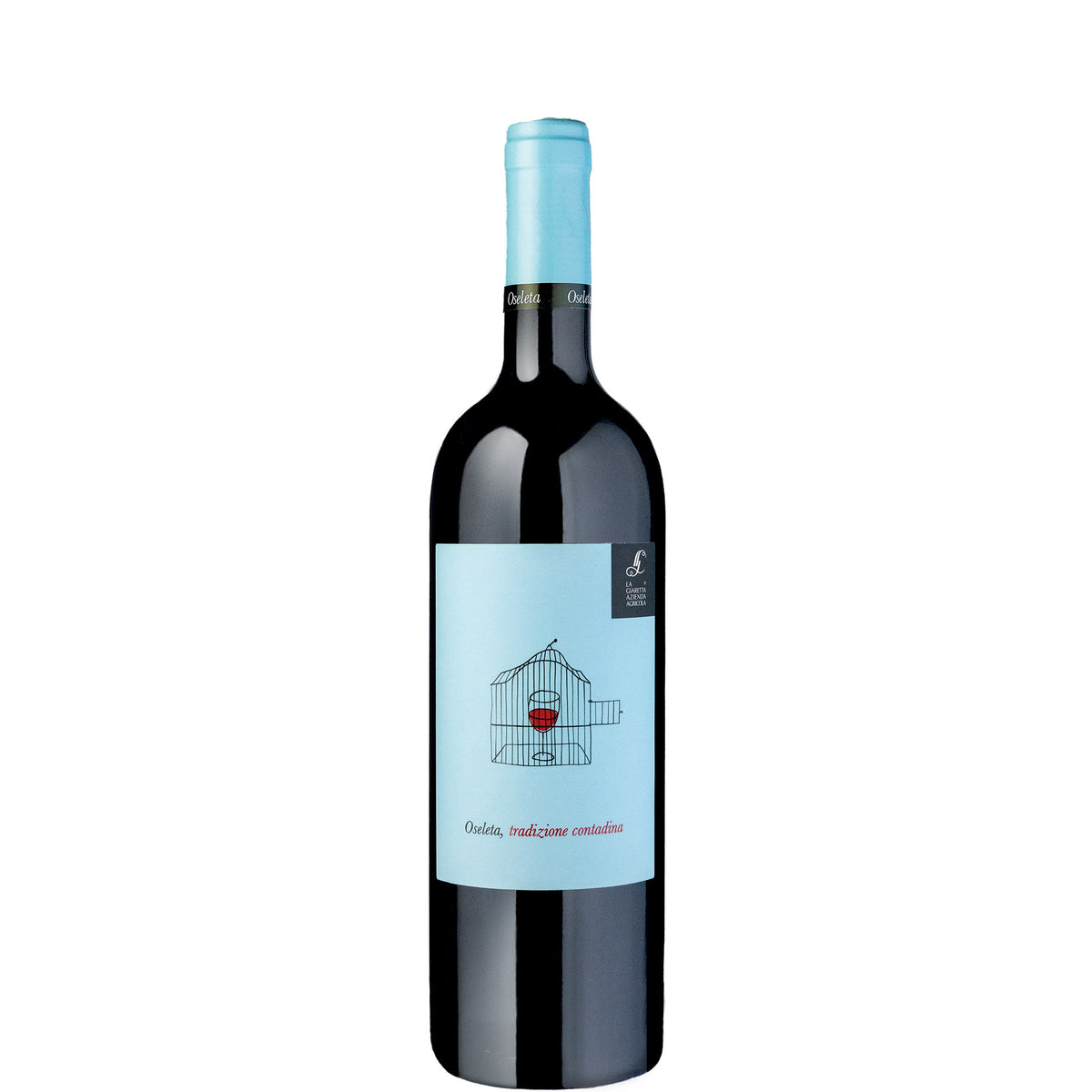
La Giaretta, Oseleta, IGT Rosso Veronese, 2019
La Giaretta, Oseleta, IGT Rosso Veronese, 2019
- 75cl
- 14%
- Red Still
- Oseleta
Couldn't load pickup availability

Optimal drinking window: 2026 - 2034
Oseleta is the Veneto's great rediscovery: an ancient indigenous variety that all but vanished before a handful of producers, La Giaretta among them, decided it was worth saving. And they were right. Where Amarone gets the column inches, this single-variety Oseleta quietly makes its own case — lean and structured rather than opulent, with a mineral drive and herbal intensity that feels more Alpine than Adriatic. It is the kind of wine that rewards attention rather than demanding it.
The 2019 has settled into a confident mid-life. Dark cherry, bitter herbs, and a streak of iron-rich earth give way to tannins that are firm but no longer combative. For anyone tired of Veneto's more famous calling cards, this is the conversation worth having.
At seven years old, the 2019 is in a pleasing window where the tannins have eased without the primary fruit having faded. Over the next two to three years, we would expect the dried cherry and herb character to deepen and the leather and earthy secondary notes to become more prominent. By around 2029-2030 it should reach its most integrated point, with the mineral backbone providing real longevity. Hold much beyond 2034 and you risk the fruit thinning ahead of the structure — Oseleta is not built for the very long game in the way Corvina-based Amarone can be.
Tasting Notes
AppearanceDeep ruby with a garnet edge, clear and bright in the glass.
NoseDark cherry, dried rosemary, and a distinct iron-and-earth mineral quality that sets it apart immediately from more familiar Veronese reds. There is a dried-flower note underneath, and with air, a hint of leather begins to emerge.
PalateMedium-full bodied with grippy, fine-grained tannins that have softened since release but retain real presence. The fruit is dark and precise — morello cherry, dried plum — framed by bitter herb and a mineral line that keeps everything fresh and focused.
FinishLong and savoury, with a persistent iron-mineral note and just a flicker of dried spice at the very end.
Overall impressionA rare and quietly compelling wine that makes a strong argument for Oseleta's place at the table — on its own terms, not as a supporting act.
Food Pairings
In the Valpolicella zone, this kind of structured red has always found its match with the braised and slow-roasted meat dishes of the Veronese table. Pastissada de caval — horse meat slow-cooked in wine with spices — is the region's great traditional pairing, though brasato al Valpolicella with beef works equally well and is rather easier to source. A plate of Monte Veronese cheese, aged for twelve months or more, brings out the mineral and herbal side of the wine beautifully. Cured meats from the area, particularly soppressa Vicentina, would also be very much at home here.
We think this wine would go well with
Serve at 16-17°C — cool enough to keep the structure lively, warm enough to let the fruit open. Decant for 45 minutes to an hour; the tannins have softened but the wine still benefits from air to reveal its full aromatic range. A medium-to-large Burgundy-style bowl works well, giving the mineral and herbal aromas room to express themselves without the wine getting lost in an oversized vessel.
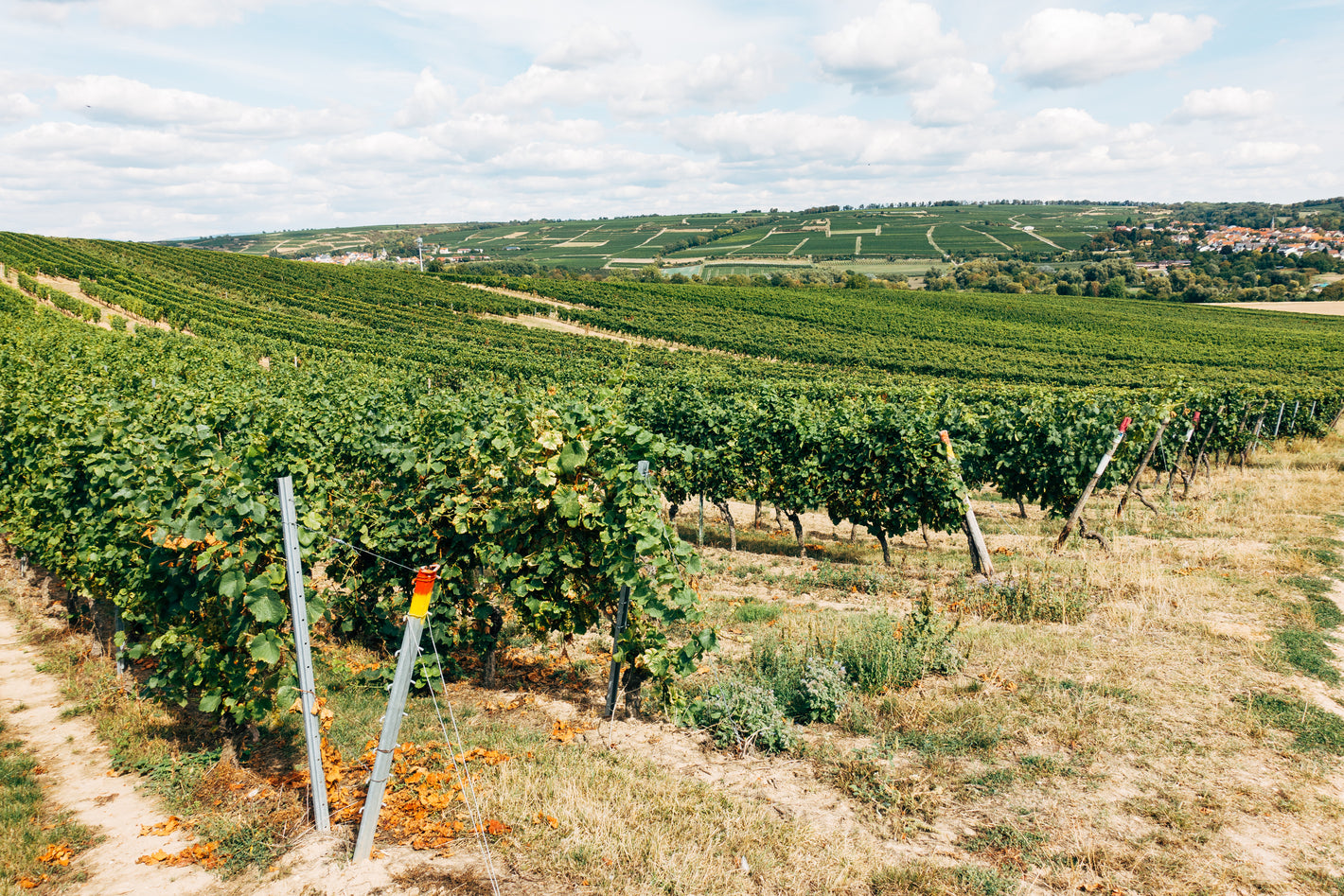
The vineyards around Fumane sit on the volcanic basalt and limestone hillsides of the Valpolicella Classico zone, at altitudes typically between 150 and 300 metres. The soils here are thin and calcareous, forcing roots deep and concentrating flavour in the process. The valley's orientation and altitude give meaningful diurnal temperature variation, which helps Oseleta retain the acidity and nervous energy that makes it so interesting as a single variety.
IGT Rosso Veronese is a catch-all designation for wines produced in the Verona province that fall outside the rules of the named DOCs — Valpolicella, Soave, Bardolino and their variants. It gives producers the freedom to vinify single varieties like Oseleta that have no formal home within those stricter classifications. In practice, some of the most exciting and idiosyncratic wines from the Veneto carry this label precisely because the DOC system has not caught up with what the growers are doing.
The 2019 growing season in Veneto was shaped by a warm, dry summer that built concentration steadily rather than through drama — no single catastrophic event, but a consistent heat that pushed ripeness without tipping into overripeness in most sites. Growers who managed canopy and yields carefully were rewarded; those who didn't found themselves with grapes that had raced ahead. Harvest conditions were largely favourable, and the resulting wines have real stuffing to them.
Across the board, 2019 produced wines with ripe, generous fruit and good structural depth. Amarone and Ripasso lovers will find bottles with the kind of fruit density that rewards patience — we'd give the bigger Amarones until 2030 and beyond, but the Soaves and lighter Valpolicella Classicos are drinking very well right now, showing that freshness the region can manage when summers don't go too far. A strong, reliable vintage rather than a legendary one — which sometimes makes it easier to find genuinely good bottles at sensible prices.
FAQs
What does Oseleta actually taste like?
Think dark cherry and dried herbs rather than ripe, plummy fruit — it is lean and mineral in character, with firm tannins and an iron-edged earthiness that makes it feel distinctive among Veronese reds. It has more in common with a mountain red than a sun-drenched one.
How does this differ from Valpolicella or Amarone?
Oseleta is a different grape entirely, though it grows in the same hills. Where Amarone is built on dried Corvina — rich, opulent, high in alcohol — this is a single-variety wine that was never appassimento-treated. It is structured and mineral rather than generous and warm, which makes it considerably more food-friendly and easier to drink across a full meal.
When should I drink this?
It is drinking well now and will continue to improve until around 2030-2032, then hold until roughly 2034. If you are opening a bottle tonight, give it an hour in a decanter first.
What food should I serve with it?
Slow-braised red meats are the natural match — beef brasato, lamb shoulder, or a rich pork ragu. Aged hard cheeses work very well too. Avoid anything too delicate; this wine wants something with substance on the plate.
Is it worth cellaring?
Yes, for another five to eight years. The structure is there to support further ageing, and the wine is still developing its secondary character. That said, it is not a wine to forget for twenty years — check it around 2030 and drink it before 2035.
Is La Giaretta widely known?
Not as widely as it deserves to be. It is a small family producer in Fumane who have done serious work in championing Oseleta as a standalone variety rather than a blending grape. Among those who pay attention to indigenous Italian varieties, the name is well respected — but it has none of the commercial profile of the big Amarone houses, which is part of the appeal.



What are you looking for tonight? Tell me the occasion, a grape, a region — or just try a suggestion below.
Your recommendations will appear here.
-
-
Speak to one of our Wine Gurus
Speak to a Wine GuruWith years of experience, our team can help you with all your wine buying and selling needs