
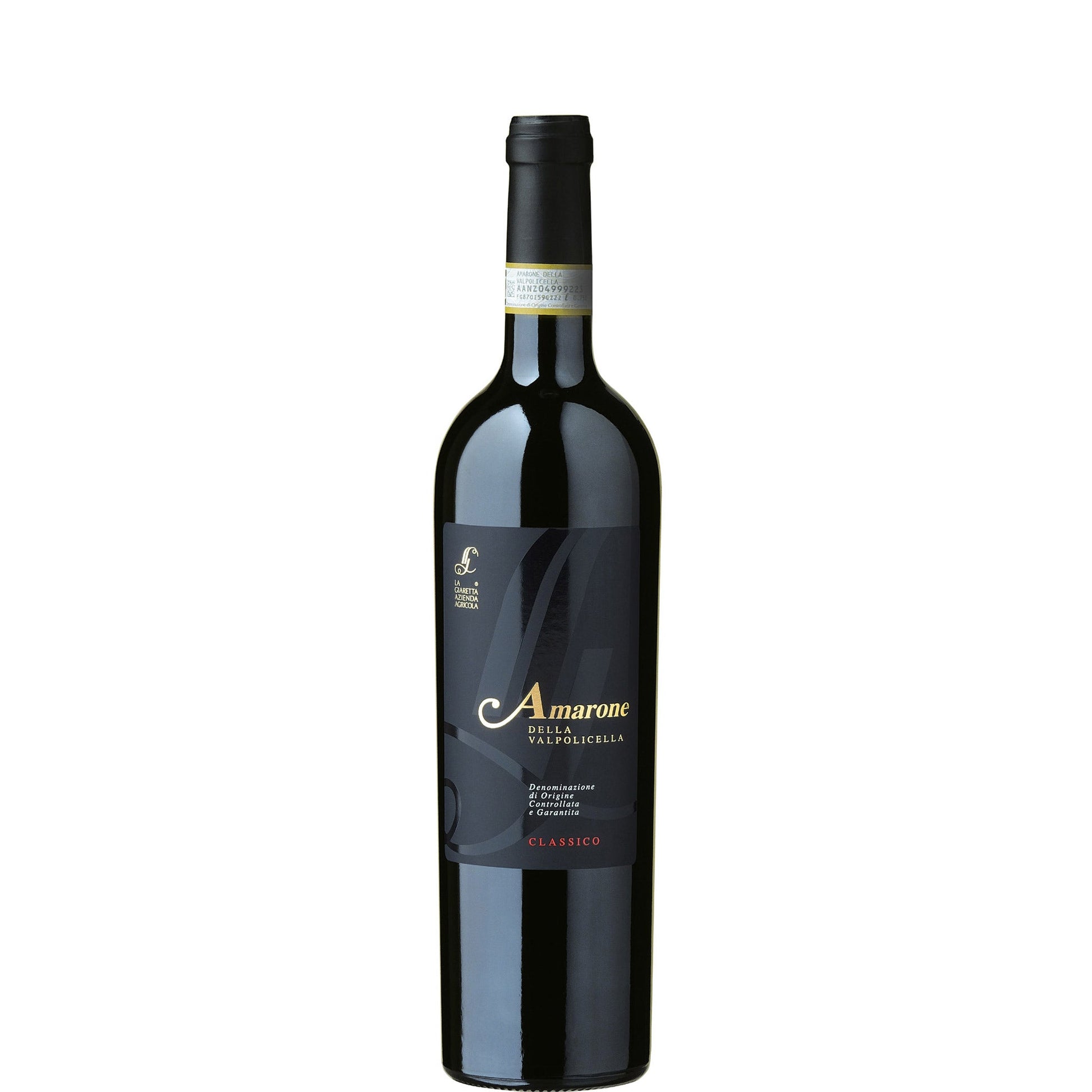
La Giaretta, Amarone della Valpolicella Classico, 2021
La Giaretta, Amarone della Valpolicella Classico, 2021
- 75cl
- 15%
- Red Still
- Corvina, Corvinone, Rondinella
Couldn't load pickup availability

Optimal drinking window: 2026 - 2038
Made from hand-harvested Corvina, Corvinone, and Rondinella grapes grown in the heart of the Valpolicella Classico zone, La Giaretta's Amarone della Valpolicella Classico is produced using the traditional appassimento method, where grapes are dried for several months to concentrate their flavours.
Great care is taken with the vines - the vineyards look a little bit more like gardens. The selection of grapes for the Amarone come from vines planted 30-40 years ago using the region’s old Pergola Veronese system. Owners Francesco and Francesca use only small oak barrels to age the wines
"It's pure Black Forest Gateaux in the mouth with edges of cedar and a wonderful whack of creamy oak on the finish. Fine tannins, great structure and a lush quality to it. Once you've tried this wine you will be hooked!"
Tom Harrow, Head Wine Guru
Its elegance and strong character make this wine a fantastic gift.
This 2021 is currently showing its primary fruit character - all that lush cherry and chocolate intensity from the appassimento process. Over the next 3-5 years, the oak will integrate further and secondary notes of leather, tobacco, and dried herbs will emerge. The wine should hit its peak drinking window around 2030-2035, when the fruit concentration balances perfectly with developed complexity. After 2038, the fruit may begin to fade, though well-stored bottles could continue drinking well for several years beyond.
Tasting Notes
AppearanceDeep garnet with ruby highlights, dense and almost opaque in the glass.
NoseIntense aromas of dried cherries and dark chocolate leap from the glass, followed by Christmas cake spices and a hint of cedar. There's a lovely lifted quality despite the concentration, with violet and dried herbs adding complexity.
PalateRich and velvety, with that signature Black Forest gateau character - all dark cherry liqueur and chocolate, but balanced by fine-grained tannins and fresh acidity. The oak is present but integrated, adding vanilla and spice rather than dominating the fruit.
FinishLong and warming, with creamy oak, bitter chocolate, and a final flourish of dried fruit.
Overall impressionThis is Amarone that manages to be both powerful and elegant, with the lush fruit perfectly framed by sophisticated oak work.
Food Pairings
In Veneto, Amarone is the wine for special occasions and rich winter dishes. Locals pair it with brasato al Amarone (beef braised in the wine itself), aged Gorgonzola, and the region's famous risotto all'Amarone. Game dishes like wild boar or venison are classic matches, as are mature hard cheeses like Parmigiano-Reggiano or Grana Padano. During the holidays, it's traditional to serve Amarone alongside panettone or other rich desserts, where the wine's concentrated fruit echoes the dried fruits in the cake.
We think this wine would go well with
Serve at 18-19°C to allow the complex aromatics to fully develop. Decant for at least two hours to let this young Amarone breathe and soften - the tannins will integrate beautifully with air exposure. Use large Burgundy glasses to concentrate the intense aromatics while providing enough surface area for the wine to open up. If you're serving it with food, open it even earlier in the day.
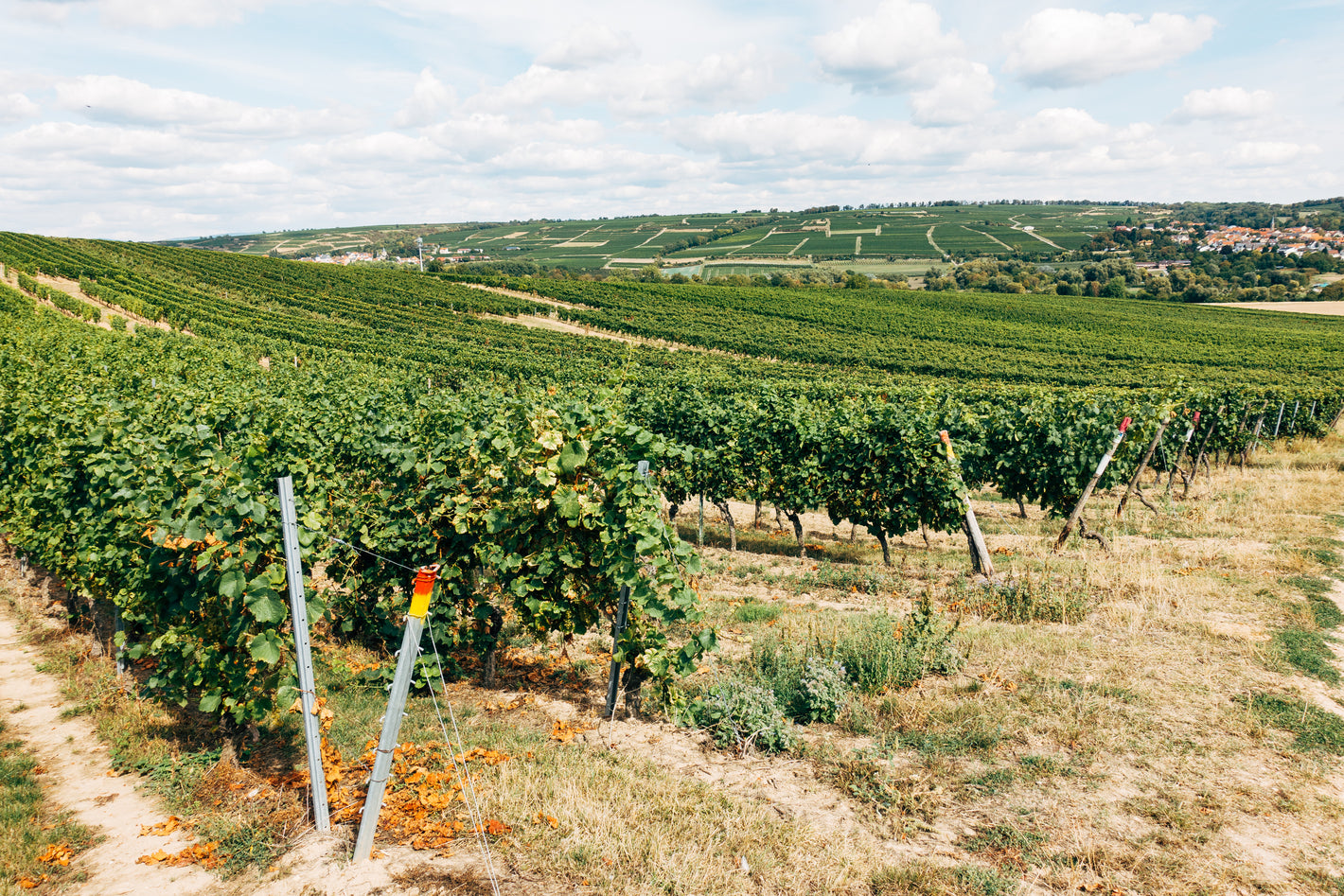
The vineyards sit in the historic Valpolicella Classico zone, where the foothills of the Alps meet the Venetian plain. The soils are predominantly calcareous clay with good drainage, crucial for the health of vines that must produce grapes suitable for the lengthy drying process. The altitude and cooling Alpine influence help maintain acidity even as the appassimento method concentrates sugars and flavours. This terroir combination of limestone-rich soils and continental climate creates the perfect conditions for the noble rot and slow drying that makes great Amarone possible.
Amarone della Valpolicella represents one of Italy's most distinctive winemaking traditions, where grapes are dried for 100-120 days after harvest to concentrate their essence. The Classico zone covers the original historic heart of Valpolicella, with stricter rules and generally superior sites compared to the broader appellation. Only Corvina, Corvinone, Rondinella, and small amounts of other local varieties may be used, with the blend creating wines of remarkable power and longevity. The appassimento process transforms what would be a light, quaffable red into something approaching Port-like intensity but with bone-dry finish.
The 2021 growing season in Veneto delivered exactly what nervous growers needed after a string of challenging years: textbook conditions that let the vines do their thing without drama. Spring arrived gently, summer stayed warm but not punishing, and crucially, September held dry and sunny through harvest. We find ourselves talking about a vintage where nature simply behaved, allowing winemakers to focus on craft rather than crisis management.
What emerged from those orderly conditions are wines with a lovely sense of balance—Amarone and Valpolicella showing both power and freshness, while Soave displays that mineral backbone we crave without the sometimes aggressive acidity of trickier years. The reds carry good concentration without feeling heavy, and there's an approachability to them that makes this vintage particularly rewarding. Most 2021 Veneto wines are drinking beautifully now, though the finest Amarones will reward patience until 2030 and beyond.
FAQs
What does this Amarone taste like?
We describe it as Black Forest gateau in liquid form - rich, concentrated cherry and chocolate flavours with cedar and creamy oak. It's lush and powerful but elegant, with fine tannins providing structure.
When should I drink this 2021 vintage?
It's drinking beautifully now but will reward patience. The wine should continue improving until around 2038, hitting its peak in the early 2030s when the fruit and oak are perfectly integrated.
What food pairs well with Amarone?
Rich, hearty dishes work best - think braised beef, game, aged hard cheeses like Parmigiano-Reggiano, or even dark chocolate desserts. The wine's intensity can handle bold flavours.
Should I decant this wine?
Absolutely. Give it at least two hours in a decanter to soften the tannins and allow the complex aromatics to develop. The wine will open up beautifully with air exposure.
How is Amarone made differently from regular wine?
The grapes are dried for several months after harvest using the traditional appassimento method, concentrating their flavours and sugars. This creates a wine with intense, almost Port-like richness but fermented completely dry.
Is this wine worth cellaring?
Yes, this Amarone has excellent aging potential and will continue improving for over a decade. If you have the patience, bottles stored properly will reward you with additional complexity through the 2030s.



What are you looking for tonight? Tell me the occasion, a grape, a region — or just try a suggestion below.
Your recommendations will appear here.
-
-
Speak to one of our Wine Gurus
Speak to a Wine GuruWith years of experience, our team can help you with all your wine buying and selling needs