

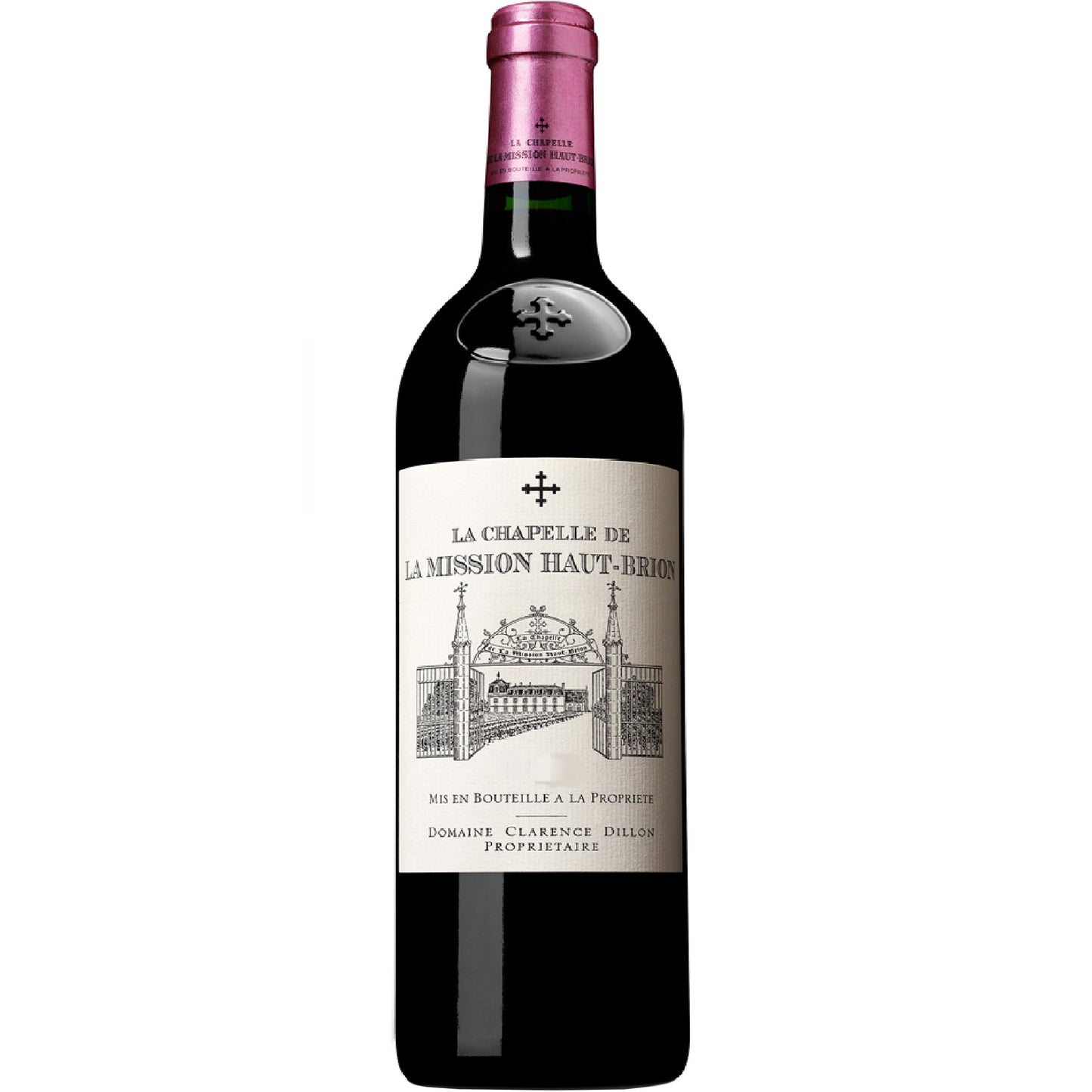
La Chapelle de la Mission Haut-Brion, 2020 - Magnum
La Chapelle de la Mission Haut-Brion, 2020 - Magnum
- 150cl
- 14.5%
- Red Still
- Cabernet Sauvignon, Merlot
Couldn't load pickup availability

Optimal drinking window: Now - 2042
We find La Chapelle de la Mission Haut-Brion slightly intimidating to classify. Calling it a 'second wine' feels like calling the Duke of Edinburgh a spare.
This 2020 magnum delivers the power and sophistication that makes Pessac-Léognan famous, with the blackcurrant intensity and mineral backbone that earned it 96 points from James Suckling.
Currently showing primary blackcurrant and cassis fruit with firm tannins that need time to integrate fully. From 2025-2030, the wine will begin its graceful evolution as the tannins soften and secondary complexity emerges. Expect cedar, tobacco, and leather notes to develop alongside the core fruit through the 2030s. The wine should reach its optimal drinking window from 2032-2040, when tertiary aromatics of graphite, forest floor, and subtle game will add layers of complexity. In magnum format, this evolution will be slower and more graceful, potentially extending the peak drinking period until 2042.
What the critics say:
"A powerful 2020 for a second wine with blackberry, black olive and blueberry aromas and flavors. Blackcurrants as well. It’s full-bodied yet racy and structured with a long and intense finish. Give it three or four years to soften. Better after 2026."
"Looking at the reds, the 2020 La Chapelle De La Mission Haut-Brion is flat-out stunning and unquestionably a great wine in its own right. Cassis, black raspberries, tobacco, and sandalwood are just some of its nuances, and it's medium to full-bodied, with incredible elegance, fine tannins, and a great finish. In general, 2020 isn't the best vintage for the second wines, but you wouldn't know that from tasting this beauty."
Tasting Notes
AppearanceDeep garnet with a concentrated purple core and subtle brick hints at the rim.
NoseImmediately striking with blackcurrant intensity, followed by black olive tapenade and cedar spice. Subtle sandalwood and tobacco leaf emerge with air, alongside graphite minerality that speaks to the gravelly terroir. There's a lovely cassis purity that marks this as serious Bordeaux.
PalateFull-bodied yet maintains surprising elegance, with concentrated blackberry and cassis fruit riding on firm but fine tannins. The mid-palate shows beautiful black raspberry intensity, whilst the signature Mission power builds gradually. Oak integration is seamless, adding structure without overwhelming the fruit.
FinishLong and intense with persistent dark fruit, mineral graphite, and a hint of dark chocolate that lingers beautifully.
Overall impressionThis transcends typical second wine expectations with genuine depth and aging potential.
Food Pairings
In Bordeaux, this style of wine traditionally accompanies the region's renowned lamb from Pauillac, slow-roasted with garlic and herbs. Locals would also pair it with entrecôte à la bordelaise, grilled ribeye with shallots and red wine reduction, or the classic côte de boeuf served at Sunday family gatherings. Game birds like pigeon or duck confit feature prominently, often with wild mushroom ragouts that complement the wine's earthy undertones. The region's famous cheese course might include aged Roquefort or a well-aged Comté, both of which work beautifully with the wine's tannic structure.
We think this wine would go well with
Serve at 17-18°C to allow the complex aromatics to fully express themselves. Decant for at least 90 minutes to soften the youthful tannins and let the fruit integrate with the oak. Use large Bordeaux glasses to concentrate the aromatics whilst providing adequate surface area for the wine to breathe. The magnum format will benefit from even longer decanting, potentially 2-3 hours for optimal enjoyment.
The vineyards straddle the towns of Talence and Pessac on the same exceptional gravel beds that define this corner of Bordeaux. These deep Günzian gravel deposits over clay provide excellent drainage whilst retaining enough moisture for the vines during dry spells. The proximity to the Garonne River moderates temperatures, and the gravelly soils radiate heat during the day, helping achieve full phenolic ripeness. This terroir consistently produces wines with remarkable concentration and the distinctive mineral backbone that marks great Pessac-Léognan.
Pessac-Léognan was carved out of the broader Graves appellation in 1987 to recognise its superior terroir and quality. Home to all the Graves classified growths, including both Haut-Brion châteaux, it's renowned for producing Bordeaux's most elegant and mineral-driven reds. The appellation rules permit the classic Bordeaux varieties, with Cabernet Sauvignon and Merlot dominating the blends. Unlike the Médoc's focus on power, Pessac-Léognan wines are prized for their finesse, aromatic complexity, and distinctive gravelly minerality that comes from the unique geology.
The 2020 Bordeaux vintage began with one of the wettest winters on record, followed by a scorching summer that nearly broke temperature records across the region. What could have been a disaster became salvation: those deep winter water reserves carried the vines through the heat, while the dry conditions from July onwards concentrated flavours beautifully. The harvest started early and moved quickly, with most châteaux picking under ideal September skies.
We find 2020 Bordeaux surprisingly charming for such a hot year - the wines show ripe, generous fruit without the baked character you might expect. The Merlot-based Right Bank wines are particularly successful, displaying plush damson and blackberry flavours with enough freshness to keep them lively. Cabernet Sauvignon on the Left Bank delivers power and concentration, though some properties struggled more than others with the heat. Most 2020s are drinking beautifully now - this isn't a vintage that demands decades of patience, and we rather like that about it.
FAQs
What does this wine taste like?
Powerful and structured with intense blackcurrant, cassis, and black olive flavours, supported by firm tannins and a distinctive mineral backbone from the gravelly Pessac-Léognan terroir.
When should I drink this wine?
Best from 2025 onwards when the tannins begin to soften, with peak drinking from 2032-2038. The magnum format will age more gracefully and last until at least 2042.
What food pairs well with this wine?
Classic with roasted lamb, grilled ribeye, or duck confit. The wine's structure also complements aged cheeses like Roquefort and game dishes with wild mushrooms.
Should I decant this wine?
Absolutely. Decant for at least 90 minutes to soften the youthful tannins, or 2-3 hours for the magnum format. Use large Bordeaux glasses for optimal aromatics.
How does this compare to the grand vin?
La Chapelle comes from the same exceptional vineyards as Mission Haut-Brion but sees less new oak and offers earlier accessibility whilst maintaining the estate's distinctive power and mineral complexity.
Is this wine worth cellaring?
Definitely. This transcends typical second wine expectations with genuine aging potential. Critics have awarded 95-96 points, and the magnum format will reward patient cellaring through the 2040s.
OUR GROWERS
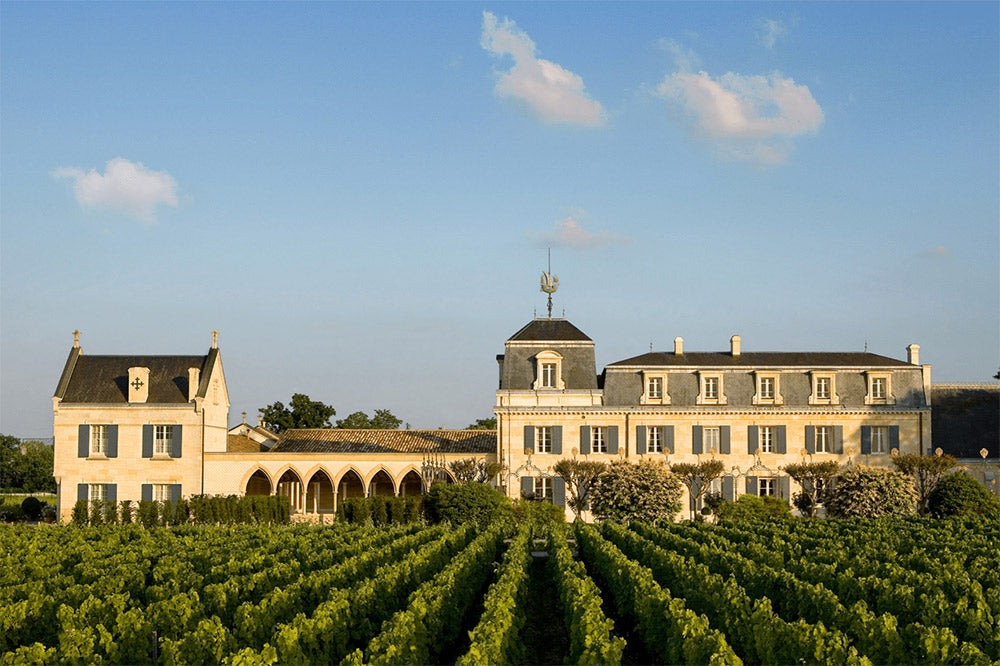
Château La Mission Haut-Brion
Explore related wines


What are you looking for tonight? Tell me the occasion, a grape, a region — or just try a suggestion below.
Your recommendations will appear here.
-
-
Speak to one of our Wine Gurus
Speak to a Wine GuruWith years of experience, our team can help you with all your wine buying and selling needs