

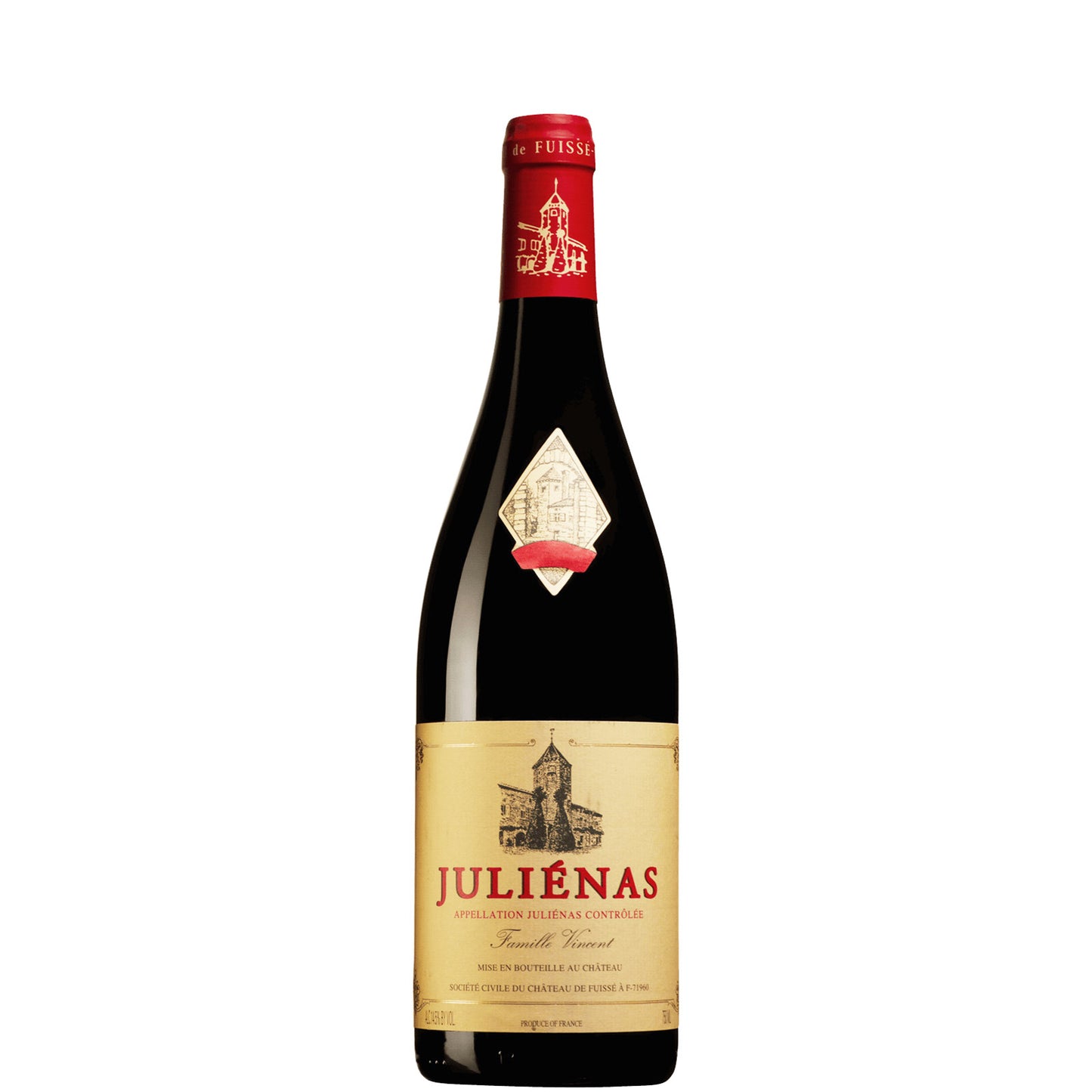
Juliénas, Château-Fuissé, 2018
Juliénas, Château-Fuissé, 2018
- 75cl
- 13.5%
- Red Still
- Gamay
Couldn't load pickup availability

Optimal drinking window: 2026 - 2030
The Juliénas Château-Fuissé 2018 is one of those confident Beaujolais crus that proves how good Gamay can be when it’s treated with respect. From old vines rooted in granite and schist, it brims with bright cherry and blackberry fruit, laced with a touch of spice and a whisper of earth. The palate is supple and refined, juicy yet grounded and with just enough structure to keep things serious.
The 2018 vintage brings a lovely warmth and generosity, making it a joy to drink now, though it’ll happily rest in the cellar for a few more years.
Château-Fuissé, famed for its white Burgundies from Pouilly-Fuissé, brings the same precision and quiet class to its reds. This Juliénas is a reminder that Beaujolais can be every bit as charming as its Burgundian cousins.
Right now in 2026, this is in a very good place — the primary fruit is vibrant and the structure is integrated rather than angular. Over the next year or two, expect the raspberry and redcurrant to deepen slightly toward darker cherry, with the floral lift giving way to something earthier and more savoury. By 2028-2029, you'll likely find a wine with more complexity and a rounder texture as the tannins fully knit together. Beyond 2030, the fruit may begin to fade faster than the structure does, so we'd be opening the last bottles by then rather than sitting on them.
Tasting Notes
AppearanceBright, clear ruby with a youthful violet rim and good depth of colour for Gamay.
NosePeony and fresh raspberry lead, followed by redcurrant and a faint stony mineral quality that speaks clearly to the granite soils. There's a subtle spice in the background — think white pepper rather than anything oaky — that lifts the whole thing nicely.
PalateBright and expressive from the first sip, with strawberry and redcurrant fruit that's precise rather than exuberant. The tannins are genuinely present — fine-grained and purposeful — giving the wine a structure you don't often find in Beaujolais, alongside a refreshing, food-friendly acidity.
FinishClean and persistent, with the fruit lingering and that mineral edge providing a satisfying, dry close.
Overall impressionA serious, site-expressive Juliénas that rewards the attention you give it.
Food Pairings
In Lyon and the surrounding Beaujolais country, this kind of wine is the default companion to the cooking of the bouchon — those small, traditional restaurants where the food is unapologetically rich and the wine is poured generously. Think quenelles de brochet, andouillette, or a proper poulet rôti with tarragon butter. Further into the countryside, it's the wine you'd open with a charcuterie board heavy on rosette de Lyon and jambon persillé. The tannic grip and acidity of Juliénas also make it a natural match for lamb — a simple rack with herbs from the garden is hard to fault.
We think this wine would go well with
Serve at 14-15°C — cool enough to keep the fruit lively, but not so cold that the tannins clench. A brief 20-30 minute decant will open the wine up and let that floral character breathe properly. A standard Burgundy-style bowl works well here, giving enough space for the nose to develop without losing the wine's freshness. Avoid serving it too warm, which can make the fruit feel jammy and the alcohol more apparent.
Juliénas sits in the northernmost corner of the Beaujolais crus, where the landscape shifts from rolling hills to something more rugged. The vineyards here are planted on granite and schist — ancient, lean soils that push the Gamay vine to work for its nutrients and produce grapes with concentration and a naturally bright acidity. Altitude varies across the appellation but generally sits between 250 and 450 metres, giving cool nights that preserve freshness and floral character. That combination of lean soils and diurnal temperature shift is what separates Juliénas from the softer, sandier crus to the south.
Juliénas was one of the original ten Beaujolais crus granted appellation status, receiving its AOC in 1938. It covers around 600 hectares across four communes and is exclusively red, made entirely from Gamay Noir à Jus Blanc. Compared to Fleurie or Brouilly, Juliénas tends toward more structure and longevity — there's a seriousness of fruit and a tannic grip that makes it the most Burgundian of the southern crus. It's often underrated precisely because it doesn't try to charm you immediately, which, of course, is exactly the point.
2018 was a generous year in Beaujolais — warm, ripe, and frankly rather easy to love. A dry, sunny summer with significant heat built concentration in the Gamay, and harvest arrived early with fruit in excellent condition. Yields were down in places, but what came off the vines had real density. The Crus particularly shone: Moulin-à-Vent and Morgon produced wines with more structure and grip than you might expect from such an opulent year, while Fleurie and Chiroubles leaned into the vintage's natural generosity without tipping into excess.
The wines have the kind of fruit weight that made them immediately appealing on release, but the better Crus have been quietly building rather than fading. If you bought well, there is no great rush — Morgon and Moulin-à-Vent from serious producers should hold comfortably until 2025 to 2028. Village wines and lighter Crus are in a sweet spot right now. Drink them.
FAQs
What does this wine taste like?
Bright and expressive, with raspberry, redcurrant, and peony on the nose, and a palate that's juicy but structured — more grip and seriousness than most Beaujolais, with a fine tannic backbone and a clean mineral finish.
When is the best time to drink this?
It's drinking very well right now in 2026 with all its freshness intact. We'd drink it until 2030. No need to rush, but equally no reason to wait years — this isn't a wine that needs a decade in the cellar to show its best.
What food should I pair it with?
Anything off the grill works brilliantly — lamb chops, chicken thighs, a simple bavette steak. It's also the natural companion to charcuterie and hard cheeses. If you want to go regional, try it with a Lyon-style roast chicken or a generous charcuterie board.
How is this different from other Beaujolais?
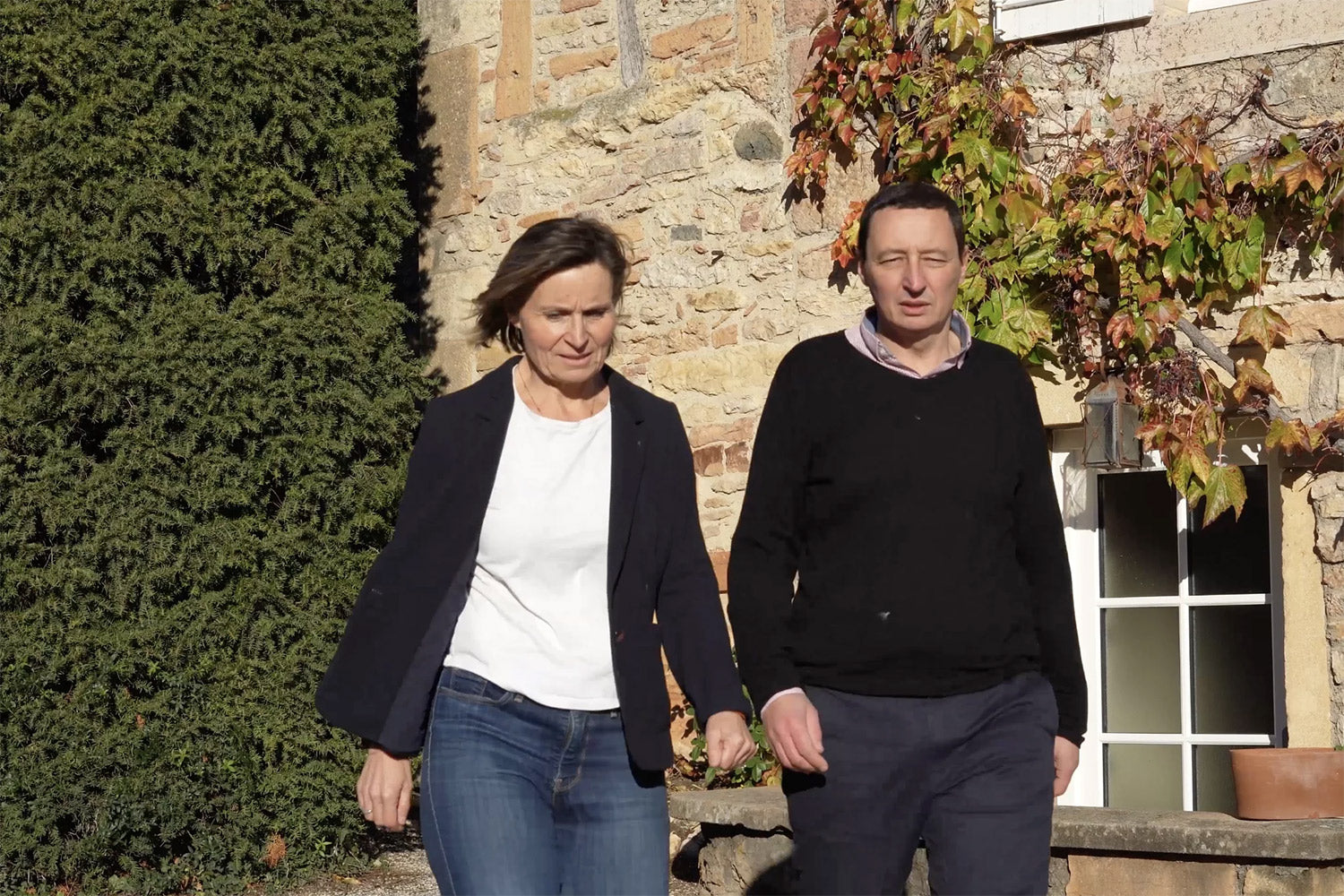
Juliénas is one of the ten Beaujolais crus and tends to be more structured and age-worthy than the lighter, softer crus like Fleurie or Brouilly. There's no carbonic maceration here — the Vincent family use partial de-stemming and barrel ageing, which gives the wine genuine tannic presence. Think of it as the most Burgundian of the Beaujolais crus.
How should I serve it?
Serve at around 14-15°C — cooler than most reds, which keeps the fruit fresh and the acidity lively. A short decant of 20-30 minutes is worth doing. Use a standard Burgundy bowl rather than a large Bordeaux glass.
Is Château-Fuissé known for Beaujolais?
They're primarily celebrated for their Pouilly-Fuissé, which is among the finest in the appellation — but the Vincent family bring exactly the same rigour to this Juliénas. It's a serious producer turning out serious Gamay, and that comes through in the glass.
Explore related wines


What are you looking for tonight? Tell me the occasion, a grape, a region — or just try a suggestion below.
Your recommendations will appear here.
-
-
Speak to one of our Wine Gurus
Speak to a Wine GuruWith years of experience, our team can help you with all your wine buying and selling needs