

JCP Maltus, Le Rêve Rosé Côtes de Provence, 2023 - Magnum
JCP Maltus, Le Rêve Rosé Côtes de Provence, 2023 - Magnum
- 150cl
- 13%
- Rosé Still
- Grenache, Syrah
Couldn't load pickup availability

Optimal drinking window: 2026 - 2028
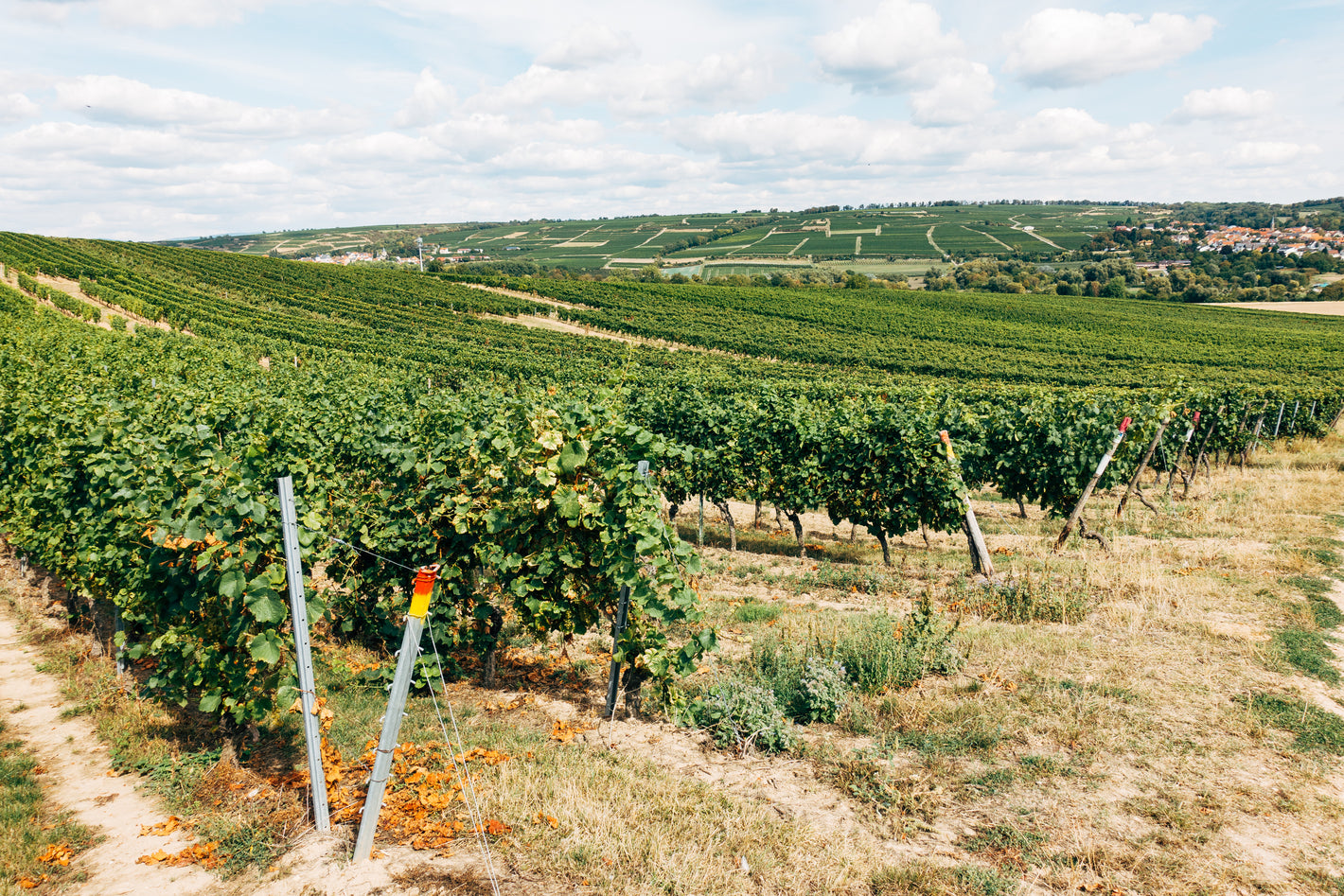
Le Rêve comes from the picturesque village of Flassans-sur-Issole in southeast France, where warm, sunny days and cool nights help develop vibrant, balanced fruit. Grown on clay-limestone soils, the wine picks up a lovely mineral edge that adds to its elegance.
Pale pink with a hint of rose gold, the nose is bright and expressive—think crushed strawberries, white flowers, red cherries, candied pear, and a touch of mint. The palate is crisp and fresh, with beautifully balanced fruit, a dry, refreshing finish, and impressive length. Elegant, refined, and perfect for relaxed sunny moments.
This 2023 is drinking beautifully now, with all its primary fruit characteristics in perfect harmony. Over the next year, the bright strawberry and cherry notes will integrate further with the mineral backbone, gaining a touch more complexity whilst retaining that essential freshness. By 2028, it will still be charming but the vibrant fruit will have softened, making way for more subtle secondary flavours. This is a wine to enjoy in its youth rather than cellar - its beauty lies in that pristine, immediate appeal that Maltus has crafted so skilfully.
What the critics say:
"I wrote up this wine’s 2022 (debut) vintage... and Jonathan kindly sent me a very early preview of his delightful 2023. I am certain this builds on the grace and beauty of last year’s wine... There is an invigorating ozone freshness here, making it so much more refreshing than the bigger, weightier wines that appear en vogue right now. There is admirable cadence on the palate alongside unbridled class and this mid-palate crams in more silky rhubarb and red cherries than any other wine in this article."
Tasting Notes
AppearancePale pink with a subtle rose gold shimmer that catches the light.
NoseBright and immediately appealing with crushed strawberries and white flowers leading the charge. Candied pear and red cherries follow, lifted by a distinctive hint of fresh mint that adds complexity. There's an ozone-like freshness that makes you want to dive straight in.
PalateCrisp and perfectly balanced, with silky rhubarb and red cherry fruit that has real depth and persistence. The mid-palate shows impressive weight without losing its refreshing character, whilst the mineral backbone from those clay-limestone soils adds structure and sophistication. Much more substantial than the typical Provence stereotype.
FinishDry and refreshing with impressive length that lingers with mineral precision.
Overall impressionThis is Provence rosé with serious intent, built for food and contemplation rather than just sunshine.
Food Pairings
In Provence, this would grace tables laden with bouillabaisse, the saffron-scented fish stew that demands a wine with both delicacy and structure. Locals would pair it with grilled sea bass stuffed with fennel, or perhaps a salade niçoise with proper anchovies and sun-warmed tomatoes. The wine's mineral backbone makes it perfect with goat's cheese from the nearby hills, whilst its fresh acidity cuts through the richness of tapenade spread on crusty bread. Even simple grilled vegetables with herbes de Provence would sing alongside this elegant rosé.
We think this wine would go well with
The vineyards sit in the picturesque village of Flassans-sur-Issole, where the Mediterranean climate is tempered by cooling night breezes that preserve acidity and freshness. Clay-limestone soils provide the backbone, lending mineral tension and structure to what could otherwise be simple summer refreshment. This combination of warm days and cool nights allows for extended hang time, developing complexity whilst maintaining the crisp elegance that defines great Provence rosé.
Côtes de Provence is the largest and most diverse rosé appellation in France, stretching from the coast inland across varied terroirs of limestone, schist, and clay. The rules favour traditional Provençal varieties like Grenache, Cinsault, and Syrah, with strict limits on extraction to preserve the pale colour and delicate style. While the appellation encompasses everything from bulk holiday wine to serious expressions, the best producers are elevating Provence rosé from poolside quaff to serious wine worthy of the dinner table.
The 2023 growing season in Provence delivered exactly what rosé producers dream about: a textbook Mediterranean year with enough drama to keep things interesting. Spring arrived with generous rainfall that replenished the soils after several dry years, giving the vines the hydration they needed for healthy canopy development. Summer brought the reliable sunshine and warm temperatures that define this corner of France, though without the punishing heat waves that can stress the vines and rob the grapes of their freshness.
What emerged from the cellars shows Provence at its most expressive. The rosés display that perfect balance of ripe red fruit and mineral precision that makes this region special, with Grenache and Cinsault delivering particularly vibrant results. The reds, often overlooked but increasingly impressive, show lovely concentration without heaviness. We're drinking the rosés now with enormous pleasure, and they'll hold their charm well until 2025. The reds are approachable already but will reward patience until 2028.
FAQs
What does this rosé taste like?
Fresh and elegant with crushed strawberries, red cherries, and a hint of mint, plus a mineral backbone that sets it apart from typical Provence rosé.
When should I drink this wine?
It's perfect now and will remain at its best until 2028, though we'd drink it sooner rather than later to enjoy that pristine fruit character.
What food pairs well with this rosé?
Excellent with grilled fish, salade niçoise, goat's cheese, or Mediterranean vegetables. Its structure means it can handle more substantial dishes than typical rosé.
How should I serve this wine?
Serve well-chilled at 8-10°C in medium white wine glasses. No need to decant - this is all about immediate pleasure and fresh fruit.
Is this worth buying over cheaper Provence rosé?
Absolutely. Jonathan Maltus brings serious winemaking to Provence, creating a rosé with real depth and minerality that elevates it far above poolside quaffing wine.
What makes this different from other Provence rosé?
The mineral backbone from clay-limestone soils and Maltus's perfectionist approach create much more structure and complexity than typical Provence rosé, whilst maintaining that essential elegance.



What are you looking for tonight? Tell me the occasion, a grape, a region — or just try a suggestion below.
Your recommendations will appear here.
-
-
Speak to one of our Wine Gurus
Speak to a Wine GuruWith years of experience, our team can help you with all your wine buying and selling needs