

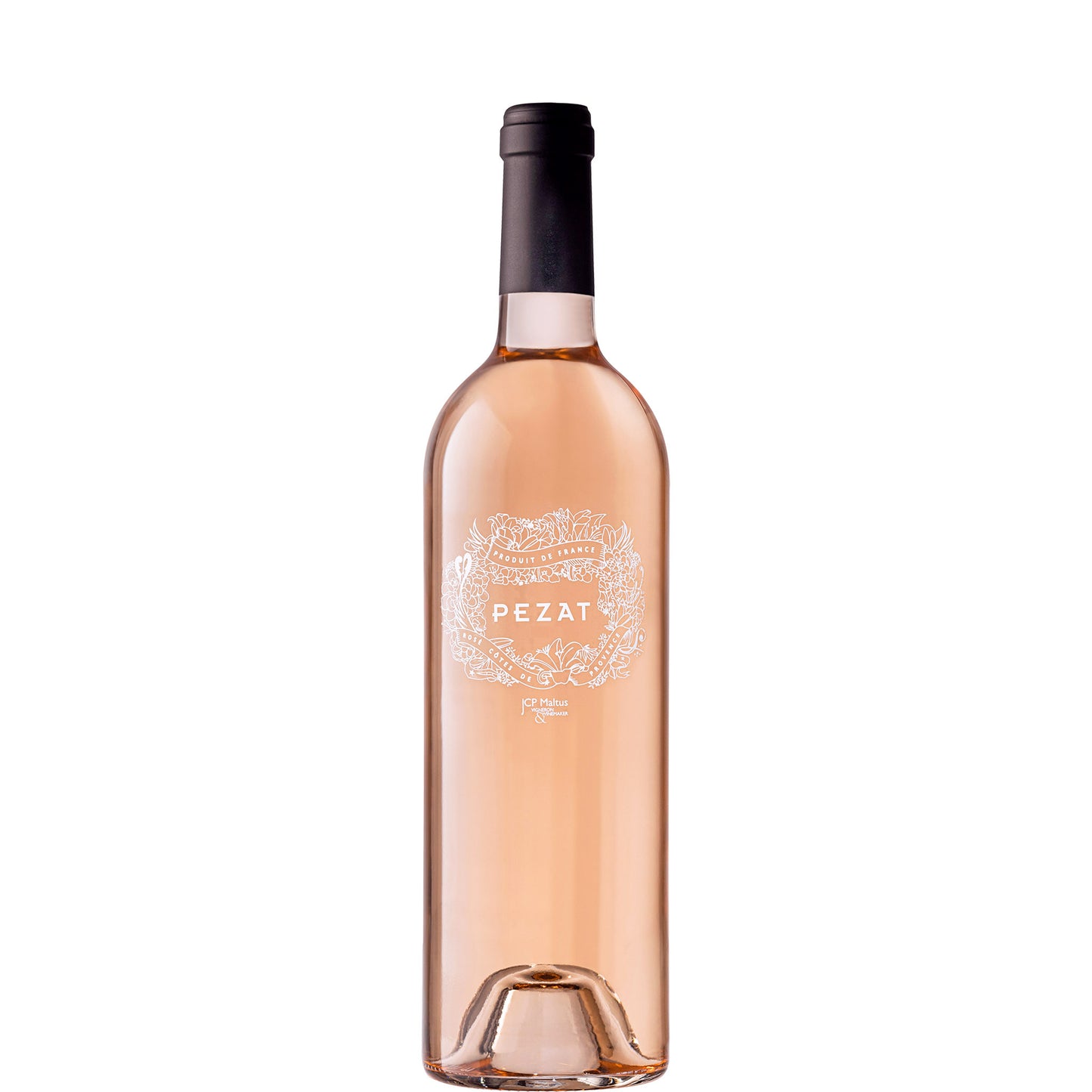
JCP Maltus, Château Teyssier Pezat Rosé, 2025
JCP Maltus, Château Teyssier Pezat Rosé, 2025
- 75cl
- 13%
- Rosé Still
- Grenache, Cinsault, Syrah
Couldn't load pickup availability

Optimal drinking window: 2026 - 2028
Pezat Rosé is Jonathan Maltus’ first French wine made outside Bordeaux, and for this one he has headed south to Provence. The 2025 is a classic regional blend of Grenache, Cinsault and Syrah, with Grenache bringing aromatic lift and roundness, Cinsault the juicy red-fruit character, and Syrah adding a little spice and depth.
It’s bright, fresh and properly dry, with strawberry and raspberry, a touch of redcurrant and summer herbs, and enough weight to make it more than just a poolside pour. There’s a lovely juicy quality to the fruit, balanced by crisp acidity and a clean, savoury finish. The sort of Provence rosé that works just as well with a plate of grilled prawns, salade niçoise or chicken from the barbecue as it does with a bowl of olives in the sunshine.
The 2025 Pezat Rosé is built for immediacy and that's precisely its charm. Right now, the fruit is vivid and the acidity is singing. There is no secondary complexity waiting in the wings here — this is a wine to enjoy in its primary, exuberant youth, not to tuck away and forget about.
Tasting Notes
AppearancePale salmon pink with brilliant clarity and a hint of copper at the rim.
NoseFresh strawberries and wild raspberries emerge first, followed by Mediterranean herbs and a suggestion of white pepper. There's a lovely floral lift that speaks to the careful extraction and cool fermentation.
PalateThe Grenache provides immediate appeal with its supple red fruit, whilst the Cinsault adds brightness and the Syrah contributes savoury spice. The texture is refreshing without being thin, with enough weight to handle food but light enough for afternoon sipping.
FinishClean and dry with lingering red berry fruit and a mineral edge that calls for another glass.
Overall impressionA textbook Provence rosé that delivers exactly what the style promises: freshness, elegance, and pure drinkability.
Food Pairings
In Provence, this rosé would naturally accompany the local bouillabaisse with its saffron-scented broth and fresh Mediterranean fish. Salade Niçoise with its anchovies, olives, and tomatoes makes a perfect match, as does grilled loup de mer with herbs de Provence. The locals might also pair it with tapenade on crusty bread, ratatouille, or simply grilled vegetables drizzled with good olive oil. The wine's dry character and bright acidity cut through the richness of olive oil whilst complementing the sun-warmed flavours of Provençal cuisine.
We think this wine would go well with
Serve well chilled at around 8-10°C — this is a wine where cold temperature is a genuine friend, not a mask. No decanting needed or wanted; just pull the cork and pour. A standard white wine or tulip glass works perfectly; there's no need for anything larger that would warm it too quickly.
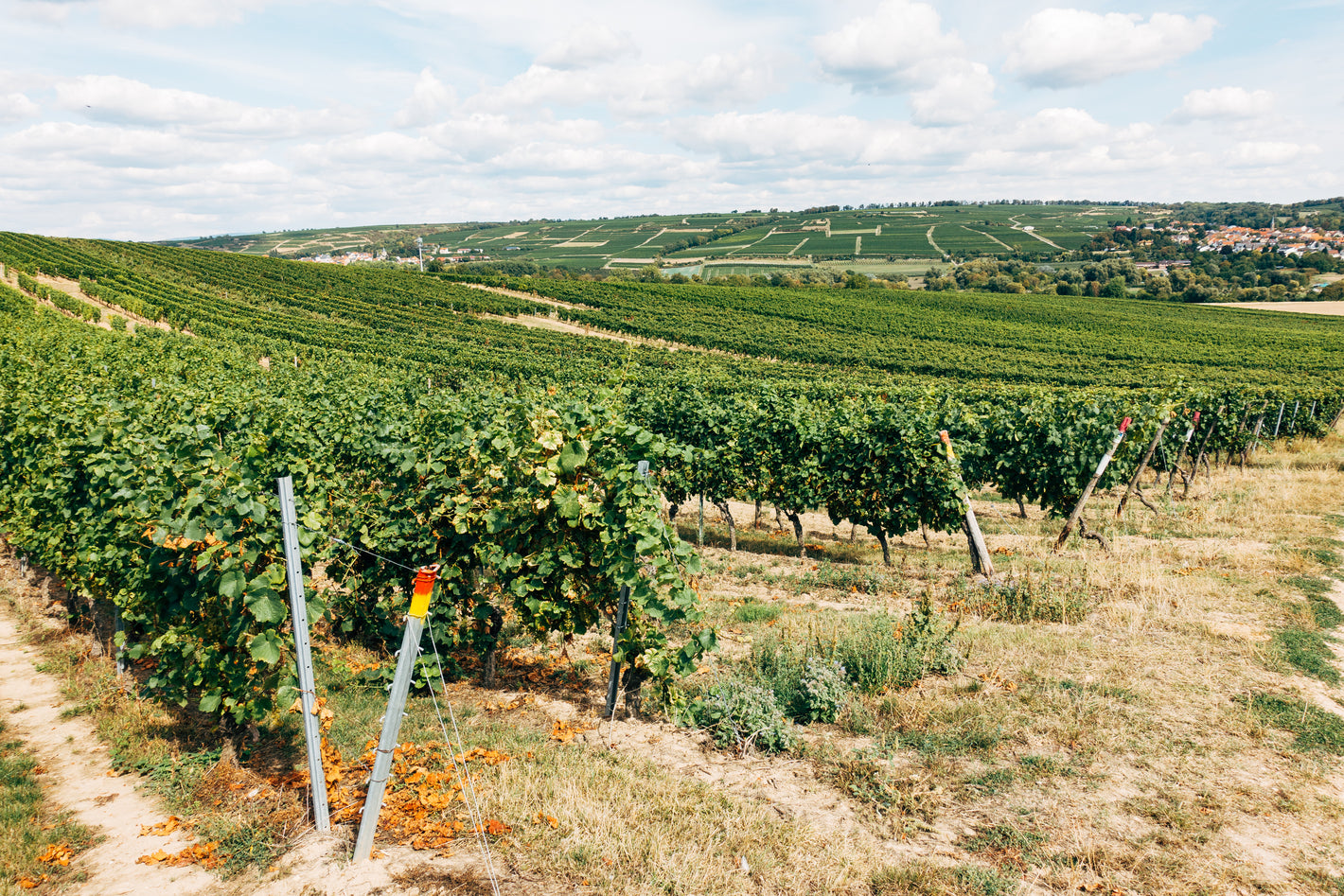
The Provence vineyards benefit from the Mediterranean climate with its hot, dry summers and mild winters. The combination of limestone soils and the cooling Mistral winds helps preserve acidity in the grapes whilst allowing for full phenolic ripeness. This terroir is particularly suited to Grenache, Cinsault, and Syrah, varieties that thrive in the warm, dry conditions whilst maintaining the freshness essential for quality rosé production.
Provence is France's largest rosé-producing region, setting the global standard for dry, elegant pink wines. The appellation rules favour the traditional Provençal varieties like Grenache, Cinsault, and Syrah, with strict limits on extraction to maintain the pale colour and fresh character. Unlike some New World rosés that can be sweet or overly fruity, Provence rosé is defined by its bone-dry finish and mineral precision. The region's reputation has elevated rosé from a simple summer sipper to a wine of genuine sophistication.
The 2025 vintage in Provence is, at the time of writing, still being assembled and assessed — the harvest only concluded in autumn 2024, and we're working with early reports rather than settled consensus. What we can say is that the season followed a now-familiar southern French pattern: a dry, warm summer with periodic stress on the vines, requiring careful canopy management and yield control to maintain freshness. Early indications point to wines with concentration and genuine depth of fruit, though the better producers worked hard to preserve the acidity that gives Provençal rosé its backbone rather than weight.
Across the appellation, the Grenache, Cinsault, and Mourvèdre-based rosés appear bright and precise, with the kind of dry, stony character that makes serious Provence worth seeking out. The reds, where yields were managed well, look promising — perhaps a step up on some of the leaner recent vintages. Most rosés are drinking beautifully now and will reward opening over the next two to three years; hold the best reds until 2027 or beyond.
FAQs
What does this rosé taste like?
Fresh and dry with bright red berry flavours, particularly strawberry and raspberry, finishing clean and mineral rather than sweet.
When should I drink this wine?
Now until 2028 whilst the fruit is vibrant - this is a wine for immediate pleasure rather than cellaring.
What food pairs well with Provence rosé?
Seafood, salads, grilled vegetables, and Mediterranean dishes with olive oil and herbs - anything light and summery.
How should I serve this rosé?
Well-chilled at 8-10°C in a white wine glass - the colder temperature preserves the fresh fruit and crisp finish.
Is this worth cellaring?
No, drink it young whilst the vibrant fruit is singing - rosé loses its charm with age rather than gaining complexity.
How does this compare to other rosés?
This follows the classic Provence style - bone dry, elegant, and mineral rather than the fruitier, sometimes sweeter styles from other regions.


What are you looking for tonight? Tell me the occasion, a grape, a region — or just try a suggestion below.
Your recommendations will appear here.
-
-
Speak to one of our Wine Gurus
Speak to a Wine GuruWith years of experience, our team can help you with all your wine buying and selling needs