

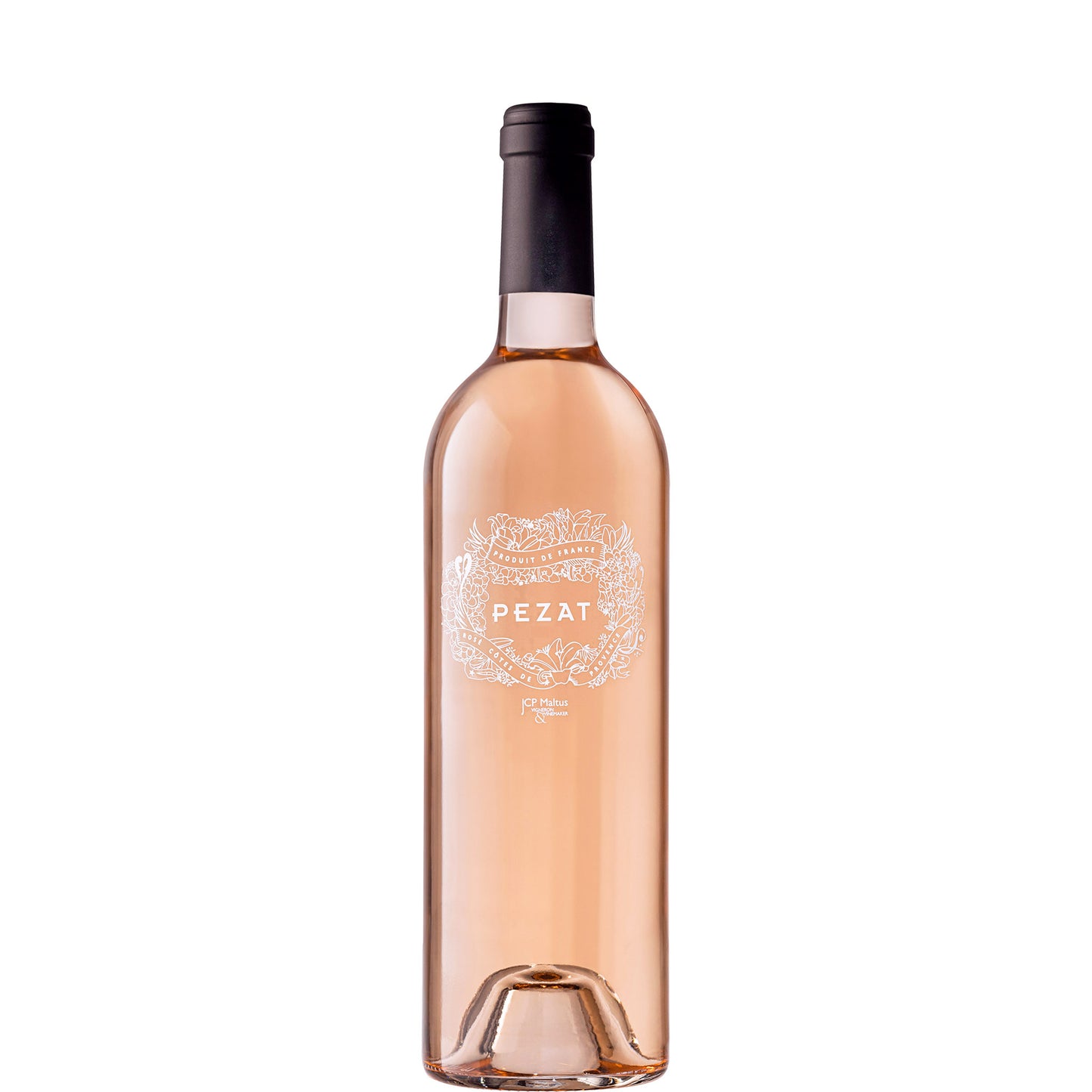
JCP Maltus, Château Teyssier Pezat Rosé, 2024
JCP Maltus, Château Teyssier Pezat Rosé, 2024
- 75cl
- 13%
- Rosé Still
- Grenache, Cinsault, Syrah
Couldn't load pickup availability

Optimal drinking window: 2026 - 2028
Jonathan Maltus' Pezat Rosé from Provence is the first French wine where he has ventured outside of the Bordeaux appellation. The selected grape varieties are typical of the region. The blend exploits the aromaticity and supple roundness of Grenache, the intense fruitiness of the Cinsault, and the complex fruity spiciness of the Syrah.
The result is a fresh, elegant wine with a superb red berry fragrance and a delicious dry finish - perfect for sipping on a sunny afternoon or pairing with light dishes like salads, seafood, or grilled chicken.
This is a wine designed for early consumption whilst the primary fruit flavours are at their most vibrant. Over the next year, the red berry aromas will remain bright and appealing. Beyond 2028, the fresh fruit will begin to fade and the wine will lose the crisp vitality that defines good Provence rosé. There's no benefit to extended ageing - drink it young and enjoy the exuberant fruit whilst it lasts.
Tasting Notes
AppearancePale salmon pink with brilliant clarity and a hint of copper at the rim.
NoseFresh strawberries and wild raspberries emerge first, followed by Mediterranean herbs and a suggestion of white pepper. There's a lovely floral lift that speaks to the careful extraction and cool fermentation.
PalateThe Grenache provides immediate appeal with its supple red fruit, whilst the Cinsault adds brightness and the Syrah contributes savoury spice. The texture is refreshing without being thin, with enough weight to handle food but light enough for afternoon sipping.
FinishClean and dry with lingering red berry fruit and a mineral edge that calls for another glass.
Overall impressionA textbook Provence rosé that delivers exactly what the style promises: freshness, elegance, and pure drinkability.
Food Pairings
In Provence, this rosé would naturally accompany the local bouillabaisse with its saffron-scented broth and fresh Mediterranean fish. Salade Niçoise with its anchovies, olives, and tomatoes makes a perfect match, as does grilled loup de mer with herbs de Provence. The locals might also pair it with tapenade on crusty bread, ratatouille, or simply grilled vegetables drizzled with good olive oil. The wine's dry character and bright acidity cut through the richness of olive oil whilst complementing the sun-warmed flavours of Provençal cuisine.
We think this wine would go well with
Serve well-chilled at 8-10°C to showcase the fresh fruit and maintain the crisp finish. No decanting required - this wine is all about immediate pleasure and bright aromatics that are best preserved in the bottle until serving. Use a standard white wine glass or a proper rosé glass if you have one, which will concentrate the delicate berry aromas whilst allowing the wine to stay cool.
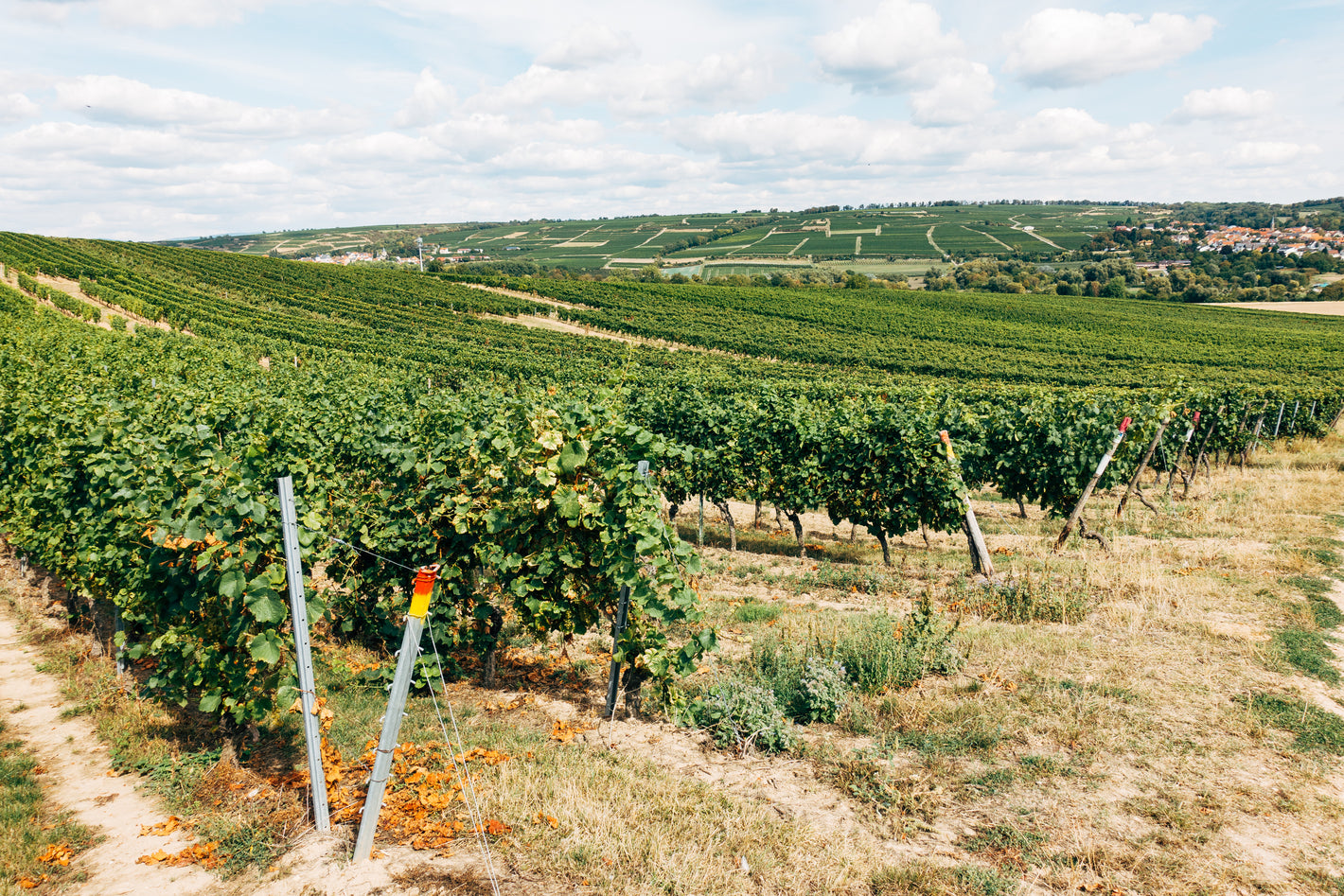
The Provence vineyards benefit from the Mediterranean climate with its hot, dry summers and mild winters. The combination of limestone soils and the cooling Mistral winds helps preserve acidity in the grapes whilst allowing for full phenolic ripeness. This terroir is particularly suited to Grenache, Cinsault, and Syrah, varieties that thrive in the warm, dry conditions whilst maintaining the freshness essential for quality rosé production.
Provence is France's largest rosé-producing region, setting the global standard for dry, elegant pink wines. The appellation rules favour the traditional Provençal varieties like Grenache, Cinsault, and Syrah, with strict limits on extraction to maintain the pale colour and fresh character. Unlike some New World rosés that can be sweet or overly fruity, Provence rosé is defined by its bone-dry finish and mineral precision. The region's reputation has elevated rosé from a simple summer sipper to a wine of genuine sophistication.
The 2024 growing season in Provence followed a familiar Mediterranean script with a few welcome plot twists. Spring arrived gently, giving the vines a steady start before summer settled into its rhythm of warm, dry days tempered by the Mistral's cooling influence. The key difference this year was the absence of extreme heat spikes that have plagued recent vintages, allowing the grapes to ripen at a more measured pace whilst retaining the bright acidity that makes Provence rosé so refreshing.
What emerged from the cellars shows all the hallmarks of classic Provence: Grenache with its strawberry brightness intact, Cinsault bringing delicate florals, and Syrah adding just enough structure without overwhelming the blend. The rosés we've tasted show that pale salmon colour we love, with flavours that dance rather than shout. Most 2024 Provence rosés are drinking beautifully right now and will continue to charm through next summer, though the better domaines have produced wines with enough backbone to reward patient drinkers into 2026.
FAQs
What does this rosé taste like?
Fresh and dry with bright red berry flavours, particularly strawberry and raspberry, finishing clean and mineral rather than sweet.
When should I drink this wine?
Now until 2028 whilst the fruit is vibrant - this is a wine for immediate pleasure rather than cellaring.
What food pairs well with Provence rosé?
Seafood, salads, grilled vegetables, and Mediterranean dishes with olive oil and herbs - anything light and summery.
How should I serve this rosé?
Well-chilled at 8-10°C in a white wine glass - the colder temperature preserves the fresh fruit and crisp finish.
Is this worth cellaring?
No, drink it young whilst the vibrant fruit is singing - rosé loses its charm with age rather than gaining complexity.
How does this compare to other rosés?
This follows the classic Provence style - bone dry, elegant, and mineral rather than the fruitier, sometimes sweeter styles from other regions.


What are you looking for tonight? Tell me the occasion, a grape, a region — or just try a suggestion below.
Your recommendations will appear here.
-
-
Speak to one of our Wine Gurus
Speak to a Wine GuruWith years of experience, our team can help you with all your wine buying and selling needs