
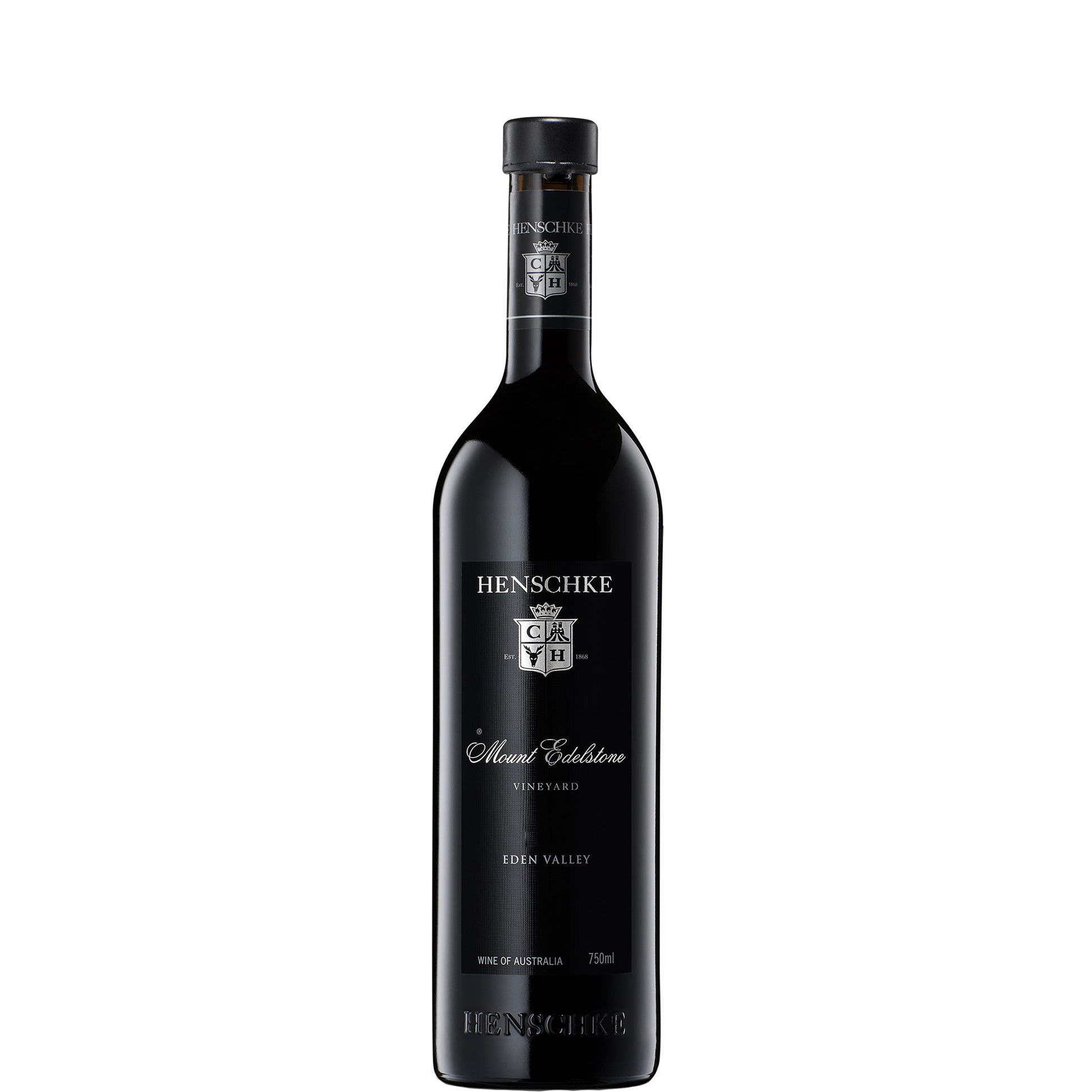
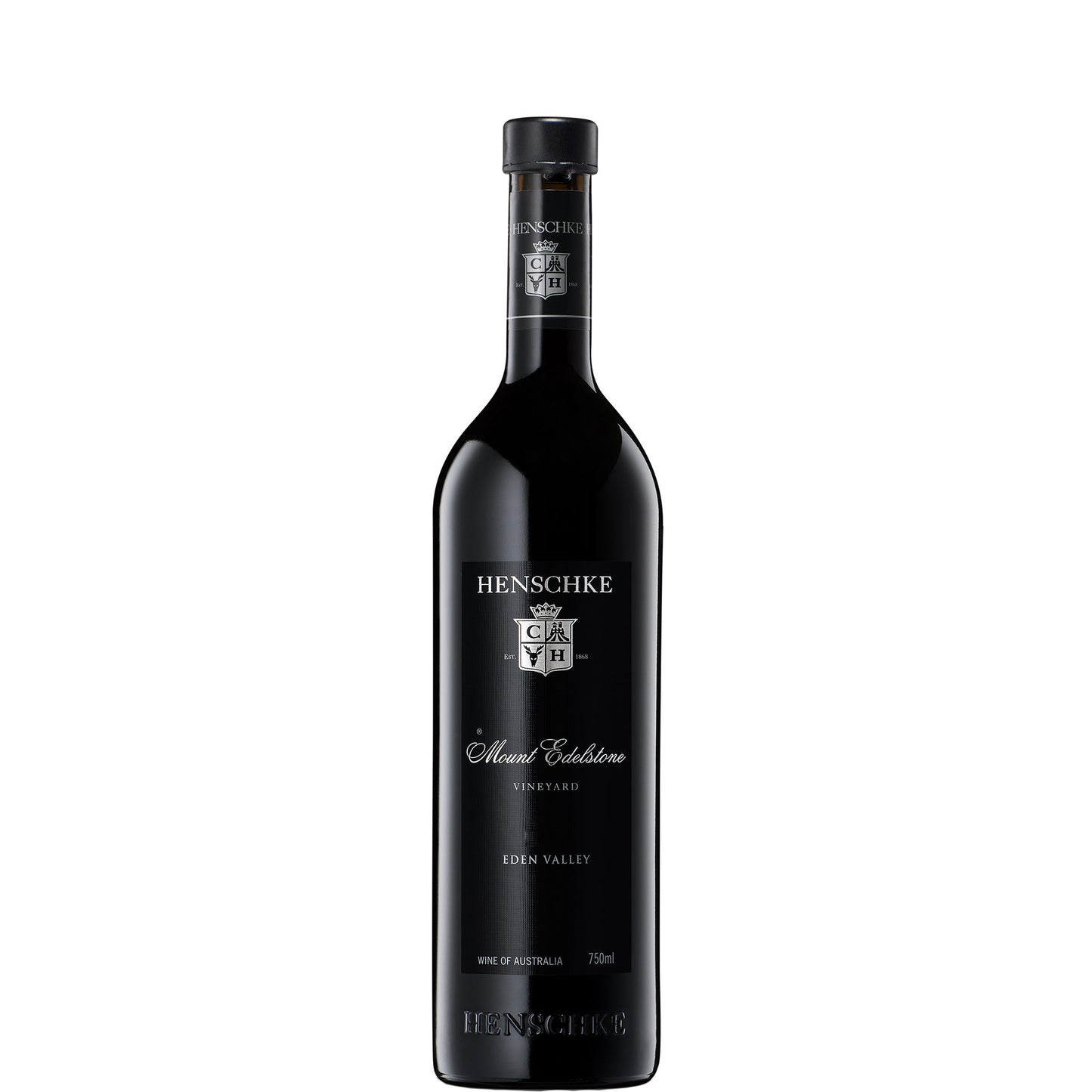
Henschke Mount Edelstone Shiraz, 2017
Henschke Mount Edelstone Shiraz, 2017
- 75cl
- 14.5%
- Red Still
- Shiraz
- Organic
- Biodynamic
Couldn't load pickup availability

Optimal drinking window: Now - 2042
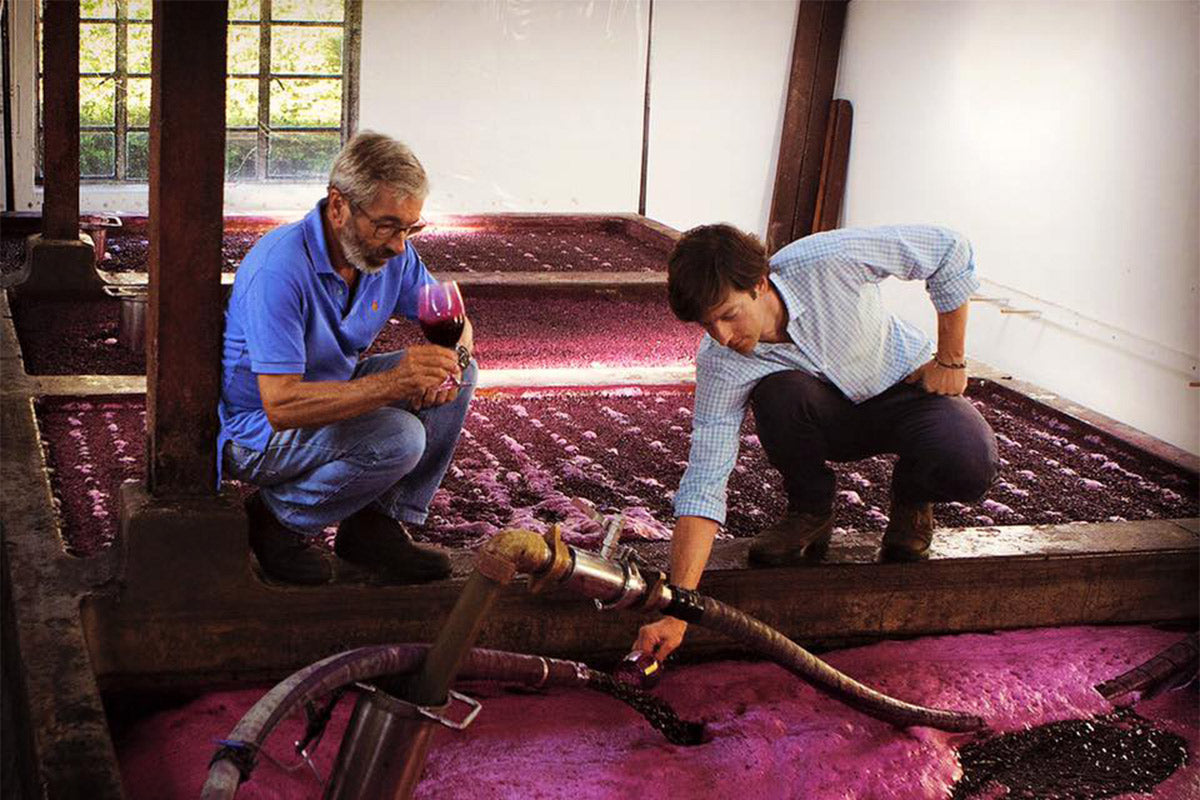
Henschke crafts some of the New World's greatest wines, with a vitality, energy and vibrancy you rarely see in Barossa. The Henschke wines are produced using biodynamic and organic methods, to preserve the quality of the vines and soil for the generations to come.
The beautiful and historic name Mount Edelstone is a translation from the German Edelstein meaning ‘gemstone’, a reference to small yellow opals once found in the area. The Mount Edelstone vineyard was planted in 1912 by Ronald Angas, a descendant of George Fife Angas who founded The South Australian Company and played a significant part in the formation and establishment of South Australia. Unusual for its time, the vineyard was planted solely to Shiraz.
Currently in its expressive youth, showing vibrant primary fruit alongside the vineyard's signature native herb characters. Over the next 5-7 years, we expect the plum and bramble flavours to integrate further whilst developing secondary notes of leather, tobacco, and dried flowers. The wine should reach its peak complexity around 2032-2037, when the graceful tannins will have fully resolved and the mineral backbone will shine through. With proper cellaring, it will maintain its distinctive character and drinking pleasure until 2042, though the vibrant fruit may gradually yield to more savoury, earthy tones.
What the critics say:
"Kaleidoscopic, this glorious vintage is terroir translucent, transporting you to the vineyard with its signature aromas of dried sage, Eucalyptus olida (aka Strawberry Gum), wild mint, wattleseed, nutmeg and tinder. Soaring and super-expressive, these scents bring compelling dimension and meld exquisitely on the sweet, juicy plum and bramble palate, with its cocoa nib and earthy hints. Graceful, willowy tannins and mineral acidity make for a long, fluid, markedly perfumed finish. Irresistible already!"
"Spicy, earthy and meaty with lots of dark fruit. Walnuts and mahogany, too. Full-bodied and juicy with lovely, decadent fruit. So juicy. Gorgeous shiraz. From biodynamically grown grapes. Drink or hold. Screw cap."
Tasting Notes
AppearanceDeep purple-ruby with vibrant clarity and a youthful rim.
NoseImmediately captivating with dried sage, eucalyptus, and wild mint creating a distinctly Australian herb garden. Sweet plum and bramble fruit provide the foundation, whilst nutmeg, wattleseed, and subtle tinder-like smokiness add complexity. The aromatics seem to lift and evolve continuously in the glass.
PalateSweet, juicy plum fruit leads, supported by cocoa nib richness and earthy undertones. The native herb characters from the nose translate beautifully to the palate, creating layers of intrigue. Graceful, willowy tannins provide structure without overwhelming, whilst mineral acidity keeps everything fresh and focused.
FinishLong, fluid, and markedly perfumed with lingering eucalyptus and spice notes.
Overall impressionA wine that perfectly captures its terroir whilst remaining utterly compelling to drink.
Food Pairings
In South Australia, this style of Shiraz traditionally accompanies the region's excellent lamb, particularly slow-roasted leg with native herbs and garlic. The wine's earthy complexity pairs beautifully with kangaroo or venison, whilst its spiced character complements the German-influenced cuisine still found in Barossa communities. Locals might serve it alongside a hearty beef and vegetable pasty, or with aged cheeses from the nearby Adelaide Hills, the wine's mineral backbone cutting through rich, creamy textures perfectly.
We think this wine would go well with
Serve at 16-17°C to allow the complex aromatics to express fully. Decanting for 30-45 minutes will help integrate the wine's components, though it's already showing beautifully. Use large Burgundy bowls rather than narrow Bordeaux glasses to capture the wine's distinctive herbal complexity. This wine rewards patience in the glass, evolving and opening over several hours.
Mount Edelstone sits on ancient red clay soils over limestone, providing excellent water retention and mineral complexity. The vineyard's elevation and aspect create a microclimate that's slightly cooler than the broader Barossa Valley floor, allowing for slower ripening and greater flavour concentration. These soils, combined with the site's natural amphitheatre shape, concentrate the native herb and eucalyptus characters that define this wine's unique personality.
Barossa Valley is Australia's most famous wine region, known primarily for powerful Shiraz from ancient vines. The valley's warm continental climate and diverse soils create ideal conditions for Shiraz, though styles vary dramatically from the valley floor to the cooler Eden Valley hills. Mount Edelstone represents the more elegant, terroir-driven style that's emerging alongside the region's traditional blockbuster approach, showing how single-vineyard expressions can capture the subtle complexities within this celebrated landscape.
The 2017 vintage in Eden Valley arrived after a winter that kept everyone guessing, followed by a growing season that swung between extremes before settling into something rather special. Spring brought enough rain to set the vines up nicely, but it was the long, dry autumn that really made the difference — giving winemakers the luxury of patience as they waited for that perfect balance between ripeness and freshness. The harvest stretched well into April for many producers, a leisurely pace that allowed flavours to develop without the usual rush.
What emerged from this patient vintage is a collection of wines with real backbone and staying power. The Rieslings show that trademark Eden Valley precision — lime-driven and mineral, with the kind of acidity that makes your mouth water — while the reds, particularly Shiraz, have a brooding intensity wrapped in silky tannins. We find ourselves reaching for these wines regularly now; they're drinking beautifully at seven years old, showing lovely development while retaining plenty of primary fruit. The best will reward cellaring until 2032, but honestly, they're far too tempting to leave alone for that long.
FAQs
What makes Mount Edelstone different from other Barossa Shiraz?
Mount Edelstone captures the native Australian landscape in the glass, with distinctive dried sage, eucalyptus, and wild herb characters that set it apart from more fruit-forward Barossa styles. It's more elegant and terroir-driven than many regional wines.
When should I drink this 2017 vintage?
It's gorgeous already and drinking beautifully now, but will reward patience. The wine will develop greater complexity over the next decade and remain at its peak until 2042.
What food pairs best with this wine?
Think roasted lamb with herbs, game meats like venison or kangaroo, or aged hard cheeses. The wine's native herb complexity makes it perfect with Australian cuisine that incorporates indigenous ingredients.
How should I serve this wine?
Serve at 16-17°C and consider decanting for 30-45 minutes. Use large bowl-shaped glasses to capture the distinctive aromatics, and give it time to open in the glass.
Is this wine worth cellaring?
Absolutely. This is built for the long haul and will develop beautiful secondary complexity over 15+ years. The graceful structure and mineral backbone suggest excellent aging potential.
What's the story behind the name Mount Edelstone?
Edelstone translates from German as 'gemstone', referencing the small yellow opals once found on this site. The vineyard was planted in 1912 and was unusual for being devoted entirely to Shiraz at a time when mixed plantings were the norm.
Explore related wines


What are you looking for tonight? Tell me the occasion, a grape, a region — or just try a suggestion below.
Your recommendations will appear here.
-
-
Speak to one of our Wine Gurus
Speak to a Wine GuruWith years of experience, our team can help you with all your wine buying and selling needs