

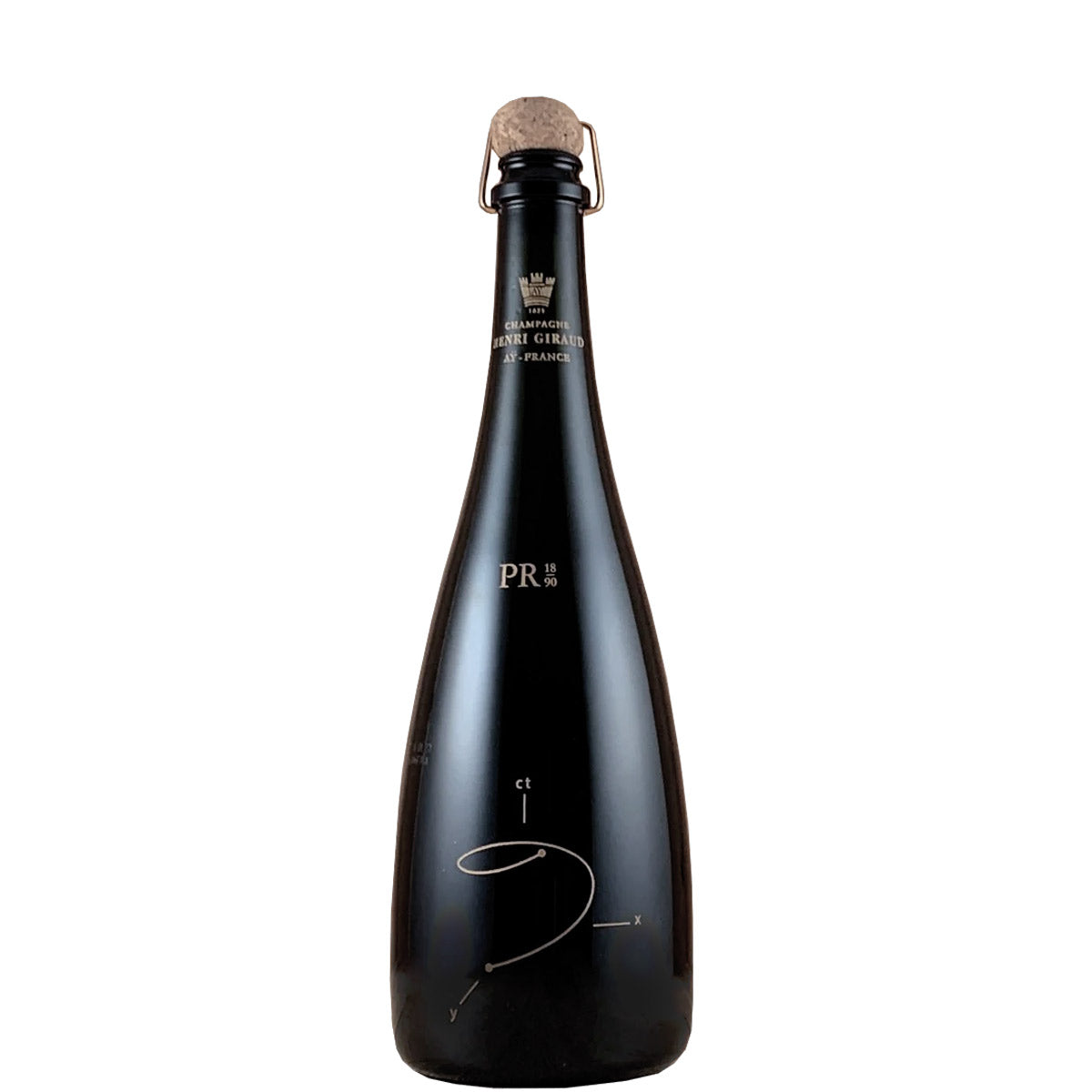
Henri Giraud PR 18-90, NV
Henri Giraud PR 18-90, NV
- 75cl
- 13.5%
- White Sparkling
- Pinot Noir, Chardonnay
Couldn't load pickup availability

Optimal drinking window: Now - 2035
Henri Giraud's PR 18‑90 is built around Pinot Noir grown on the village’s historic chalk slopes. The cuvée name refers to the reserve wine system used by the house, incorporating a perpetual reserve that began in 1990 and was refreshed with wines from the 2018 harvest.
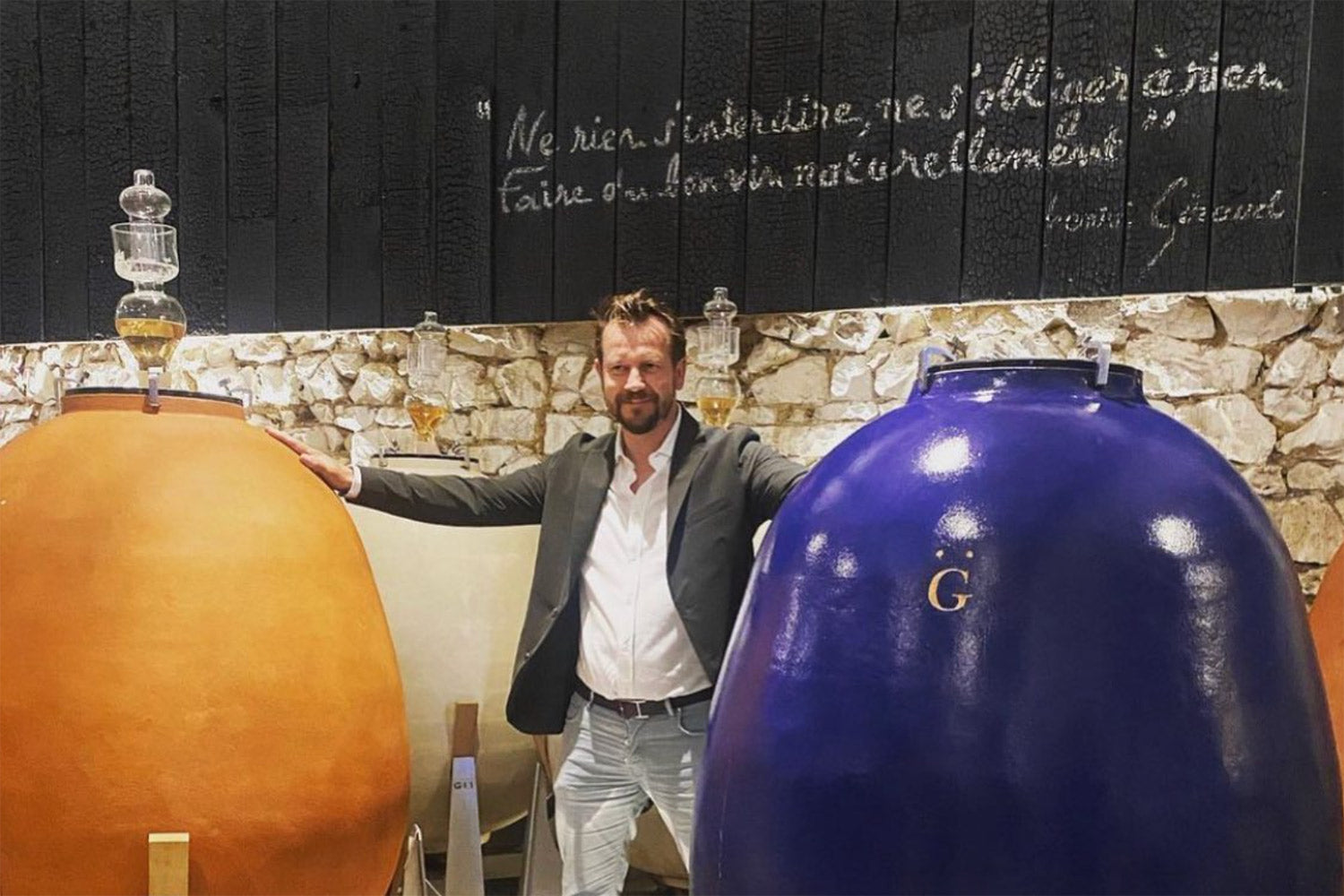
Henri Giraud spare no expense in their pursuit of perfection. No stone is left unturned in the winemaking process to achieve their goal, from the surgical efforts in the vineyard through to the extraordinary lengths they go to in the winery. In fact, for those barrels, they go so far as to even select individual trees for the staves. Just like vines, or indeed any other crop, the terroir impacts all aspects of the plant, or tree, in question – subtle changes in grain structure which influence flavour.
The perpetual reserve going back to 1990 means there is already considerable evolution built into this wine, and it is drinking beautifully right now. Over the next two to three years the primary fruit will soften further and the hazelnut and toasty character will become more pronounced. By 2028 to 2030 it will be at a particularly compelling point of maturity.
What the critics say:
"A vinous Champagne with so much depth and soft power. Hazelnuts, apricots, peach pits, lemons, pomelos and seashells. Round, creamy bubbles. Complex, but with wonderful drinkability. Converges with precision at the end. Very deep. 80% pinot noir and 20% chardonnay. Blend of 2 solera systems of perpetual reserve, started in 1990. Drink or hold."
Tasting Notes
AppearancePale gold with a fine, persistent bead and a faint bronze shimmer that hints at the reserve wine's age.
NoseThere is real presence here from the first pour: roasted hazelnuts, warm apricot, and a saline, almost oyster-shell quality that speaks directly to the chalk beneath Aÿ. Underneath, the oak-aged reserves add a faint spiced biscuit note without ever dominating.
PalateThe mousse is creamy and round but the wine underneath it is genuinely vinous, more like a great white Burgundy with bubbles than a conventional Champagne. Ripe citrus, peach pit, and pomelo keep things fresh, while the structure comes from the Pinot Noir backbone rather than acidity alone.
FinishLong, precise, and mineral, converging to a point of real clarity.
Overall impressionChampagne that makes you slow down and pay attention.
Food Pairings
In Aÿ and the villages around Épernay, a Champagne like this would find its way to the table with andouillette grillée or a plate of charcuterie from the Ardennes. The vinous weight makes it an easy companion to richer dishes than you might expect of a sparkling wine: a roast chicken with butter and tarragon, a gratin dauphinois, or a wedge of Chaource, the creamy cow's milk cheese made just over the border in the Aube. If you are keeping things celebratory, a lobster thermidor is the classic Champenois move.
We think this wine would go well with
Serve at 9 to 11°C, slightly warmer than a simpler non-vintage Champagne. The extra degrees give the reserve wine component room to open up and the texture to express itself properly. No decanting needed, though giving it ten minutes in the glass before drinking is not a bad idea. A larger tulip-shaped or white Burgundy glass will do more justice to the wine's depth than a conventional flute.
Aÿ sits on some of Champagne's most celebrated chalk slopes, where a thin layer of topsoil forces Pinot Noir vines deep into the bedrock in search of water and minerals. That struggle produces grapes of exceptional concentration and a characteristic mineral tension that no amount of winemaking can replicate. Giraud also selects specific oak trees for their barrel staves, recognising that the forest's own soil structure influences the wood's grain and, ultimately, the wine's texture. It is an extraordinary level of attention to the raw material.
Champagne is the northerly limit at which still wine could barely ripen, and that precariousness is precisely what gives the region its character. The appellation demands secondary fermentation in bottle, a minimum of fifteen months on lees for non-vintage wines, and disgorging before release. Aÿ is one of only seventeen villages to hold Grand Cru status, meaning its grapes are priced at 100% of the benchmark rate. It is Pinot Noir country above all else, and the village's chalk-driven wines are among the most vinous and structured in the entire region.
FAQs
What does the PR 18-90 taste like?
It is a vinous, full-bodied Champagne built around Pinot Noir from Aÿ Grand Cru. Expect roasted hazelnuts, apricot, peach, citrus, and a clean saline mineral quality, all held together by a creamy mousse and a long, precise finish. It drinks more like a serious white Burgundy than a conventional non-vintage fizz.
What does the name PR 18-90 mean?
PR stands for perpetual reserve. The 1990 refers to the year Giraud's solera-style reserve system was started, and 18 refers to the 2018 harvest wines that were blended in to refresh it. The result is a wine carrying more than three decades of reserve depth.
When should I drink this?
It is ready to drink now and very much at its best between 2026 and 2032. The complexity is already there, so there is no compelling reason to wait unless you want to.
What food goes well with it?
The weight of this wine means it works with richer dishes than most Champagnes. Lobster, roast chicken with cream sauces, gratin dishes, or a ripe washed-rind cheese are all excellent companions. It is also good enough to drink on its own without any food at all.
How should I serve it?
Serve at 9 to 11°C in a large tulip or white Burgundy glass rather than a flute. The extra bowl size lets the aromas develop properly. No decanting required, though a few minutes in the glass before you drink makes a real difference.
Is it worth the price?
Giraud is not a budget house and never pretends to be. The level of care in both vineyard and winery is exceptional, from hand-selecting individual oak trees for barrel staves to running one of Champagne's most meticulous perpetual reserve systems. At 96 points from James Suckling, this sits comfortably among the finest non-vintage Champagnes available, and the depth and precision back that up in the glass.
Explore related wines


What are you looking for tonight? Tell me the occasion, a grape, a region — or just try a suggestion below.
Your recommendations will appear here.
-
-
Speak to one of our Wine Gurus
Speak to a Wine GuruWith years of experience, our team can help you with all your wine buying and selling needs