
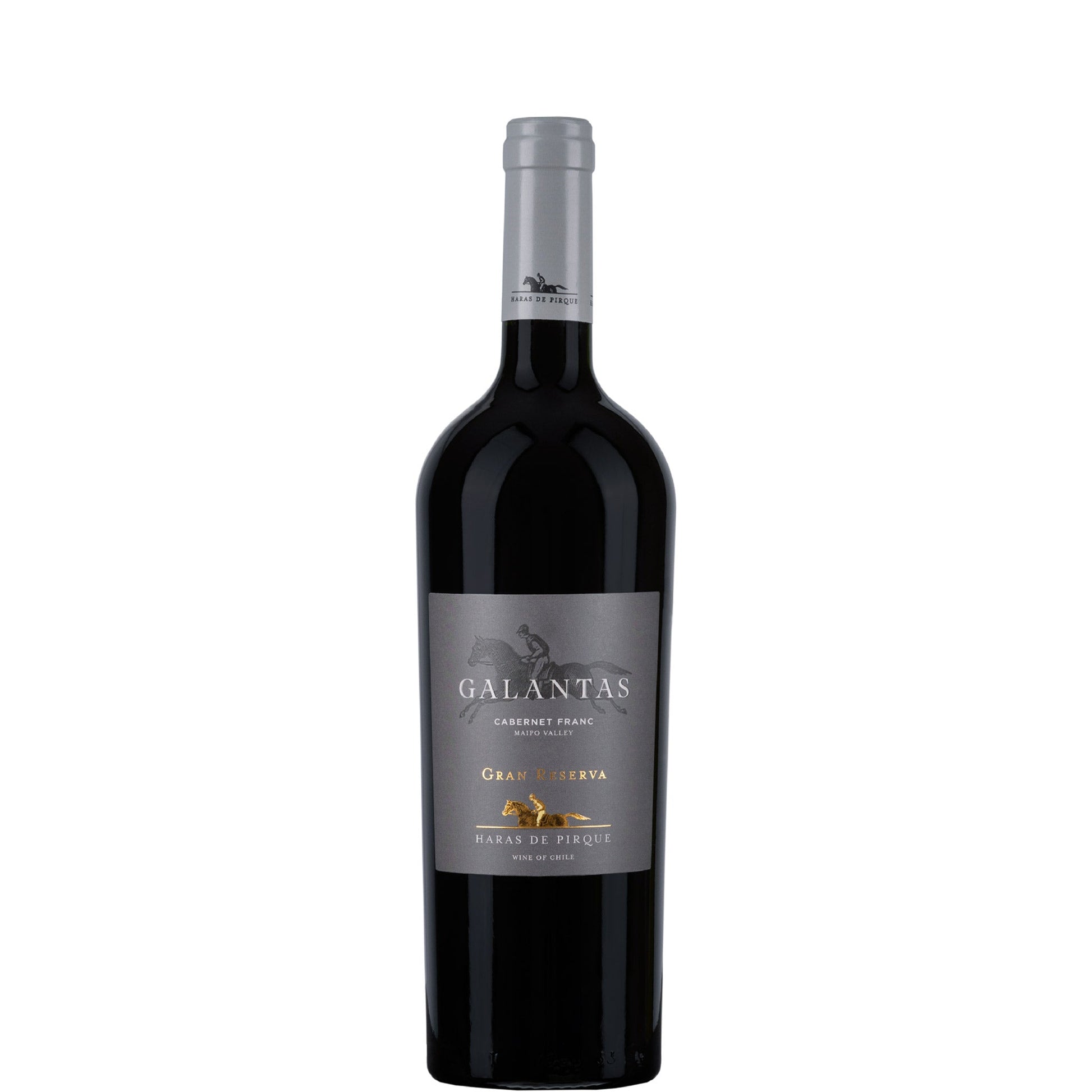
Haras de Pirque, Galantas Cabernet Franc, 2018
Haras de Pirque, Galantas Cabernet Franc, 2018
- 75cl
- 14.5%
- Red Still
- Cabernet Franc, Carménère
- Organic
Couldn't load pickup availability

Optimal drinking window: Now - 2030
About Haras de Pirque, Galantas Cabernet Franc, 2018
In the 1990s Marchese Piero Antinori discovered Haras de Pirque Estate, a property owned by the Matte family, and in 2001 he started a joint venture with them to create Albis, the winery’s flagship wine, and helped to enhanced the quality of the estate-grown fruit through sustainable and organic vineyard practices.
In 2017 the Antinori family acquired the whole property determined to fully invest in this exciting new journey.
This wine is drinking beautifully now. Over the next 2-3 years, we expect the peppery spice to integrate further while secondary notes of leather and tobacco begin to emerge alongside the fruit. The wine should reach its peak around 2028-2029, when the mountain terroir character will be most pronounced, before beginning a gentle decline after 2030 as the fresh fruit starts to fade.
What the critics say:
"Aromas of fresh blackcurrants and a peppery edge here, making for a striking combination with plenty of fragrance. The palate has a very juicy, supple and fleshy feel with long, fresh, red-berry and cherry flavors. From organically grown grapes. Drink now."
"The 2018 Cabernet Franc Gran Reserva Galantas from Pirque, Maipo Alto, is blended with 15% Carménère and was aged for 14 months in barrels. Garnet red in the glass, the pure and precise aromas feature blackcurrant and hints of mint, sour cherry and ash over an oaky and toasted layer. Lean and juicy in the mouth, the palate presents finely grained tannins enhanced by a mild freshness that keeps things flowing. Lingering with a smoked trace."
Tasting Notes
AppearanceDeep garnet red with purple highlights and good clarity.
NoseImmediately striking with fresh blackcurrant and red cherry aromas lifted by a distinctive peppery, herbaceous edge. There's a hint of mint and subtle oak spice, with smoky, ashy undertones adding complexity. The fragrance is pure and precise, showing the altitude and cool mountain influence.
PalateJuicy and supple with excellent fruit concentration – the blackcurrant and cherry flavours are generous but never heavy. The Carménère component adds flesh and spice, whilst fine-grained tannins provide structure without overwhelming. Fresh acidity keeps everything flowing, creating a wine that feels both ripe and vibrant.
FinishLong and persistent with a pleasant smoky trace and lingering red fruit.
Overall impressionA wine that perfectly captures Alto Maipo's ability to combine power with elegance.
Food Pairings
In Chile's Maipo region, this style of wine would traditionally accompany asado - grilled meats cooked over wood fires that echo the wine's smoky undertones. Locals would pair it with cordero al palo (spit-roasted lamb), empanadas de pino filled with beef and onions, or cazuela de cordero, a hearty lamb stew with vegetables. The wine's fresh acidity and supple tannins make it perfect for these rich, flavourful dishes that define Chilean mountain cuisine.
We think this wine would go well with
Serve at 16-17°C to preserve the fresh fruit character while allowing the structure to show. A brief 30-minute decant will help integrate the wine and release the aromatics, though it's perfectly approachable straight from the bottle. Use medium-sized Bordeaux glasses to concentrate the peppery aromatics while giving the wine room to breathe.
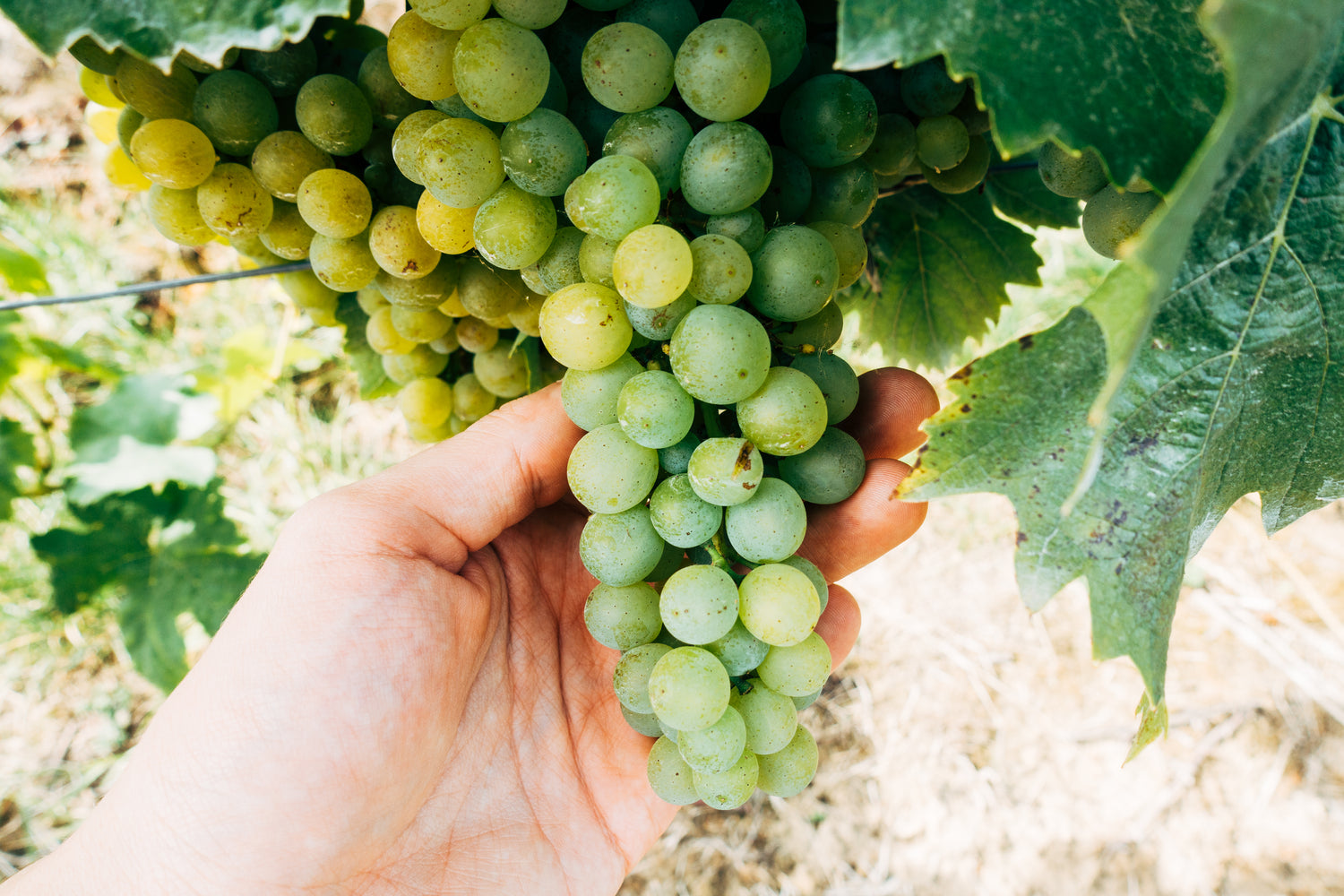
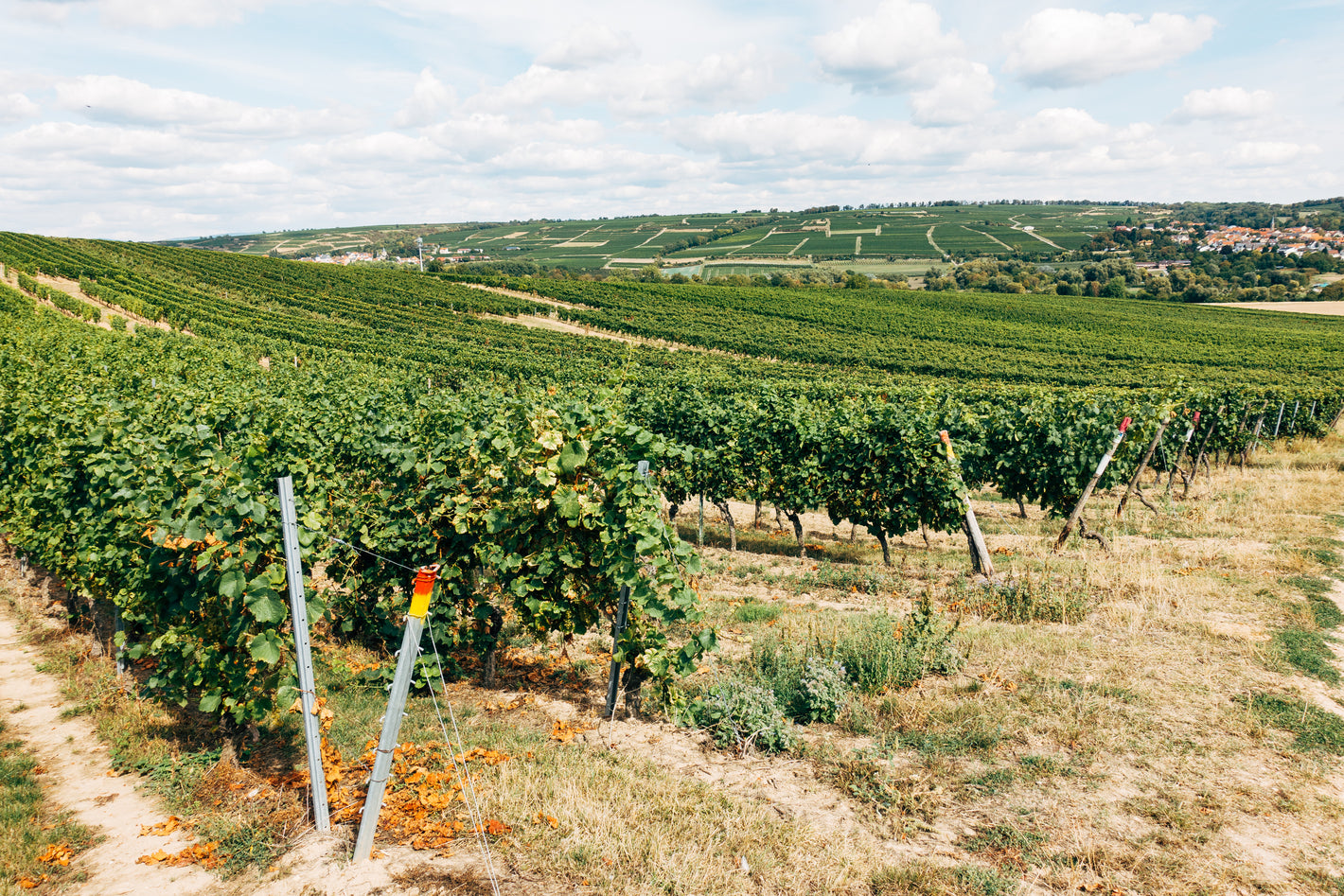
The vineyards sit in Maipo Alto at the foothills of the Andes, where cool mountain air and warm days create ideal conditions for Cabernet Franc. The soils are predominantly alluvial with good drainage, allowing the vines to develop deep root systems and concentrate flavours. The altitude and diurnal temperature variation preserve the fresh acidity and aromatic intensity that define this wine's character.
Maipo Valley is Chile's most prestigious wine region, particularly the Alto zone near the Andes where this wine originates. The area has earned recognition for producing Chile's finest Cabernet Sauvignon and increasingly impressive Cabernet Franc, with the mountain influence providing the structure and complexity that separate these wines from their coastal counterparts. The combination of gravelly soils and mountain terroir creates conditions similar to some of Bordeaux's best sites.
The 2018 vintage in Maipo Valley delivered one of those seasons that reminded everyone why this appellation built Chile's reputation in the first place. Spring arrived with enough rain to fill the underground reserves without waterlogging the vines, followed by a long, steady summer that let the grapes ripen at their own unhurried pace. We love vintages like this because they showcase terroir rather than dramatic rescue stories—the winemakers could focus on finesse rather than damage control.
What emerged from those gentle conditions were Cabernet Sauvignons with proper backbone and that distinctive Maipo cassis character, whilst the Carmenère showed more structure and less of the green pepper that can dominate in cooler years. The wines have a lovely density without heaviness—think concentrated fruit wrapped in fine tannins rather than the blockbuster style that defined earlier decades. Most are drinking beautifully now, though the best Cabernets will happily cellar until 2030 and beyond.
FAQs
What does this wine taste like?
Fresh and juicy with blackcurrant and cherry flavours, plus that distinctive peppery spice that makes Cabernet Franc so appealing, finished with a subtle smoky note.
When should I drink this wine?
It's drinking beautifully now and will continue to improve until 2030, with peak drinking around 2028-2029.
What food pairs well with this wine?
Grilled meats work perfectly, especially lamb or beef, but it's also lovely with hearty stews, empanadas, or even roasted vegetables with herbs.
Should I decant this wine?
A brief 30-minute decant helps, but it's perfectly enjoyable straight from the bottle - serve at 16-17°C for best results.
Is this wine worth cellaring?
Yes, it will reward 2-4 years of patience as the spice integrates and secondary complexity develops, though it's very appealing to drink now.
How does Chilean Cabernet Franc compare to French?
Chilean versions like this tend to be more fruit-forward and approachable young, with the mountain altitude providing structure similar to Loire Valley examples but with riper, more generous fruit.
OUR GROWERS
Haras de Pirque
Explore related wines


What are you looking for tonight? Tell me the occasion, a grape, a region — or just try a suggestion below.
Your recommendations will appear here.
-
-
Speak to one of our Wine Gurus
Speak to a Wine GuruWith years of experience, our team can help you with all your wine buying and selling needs