

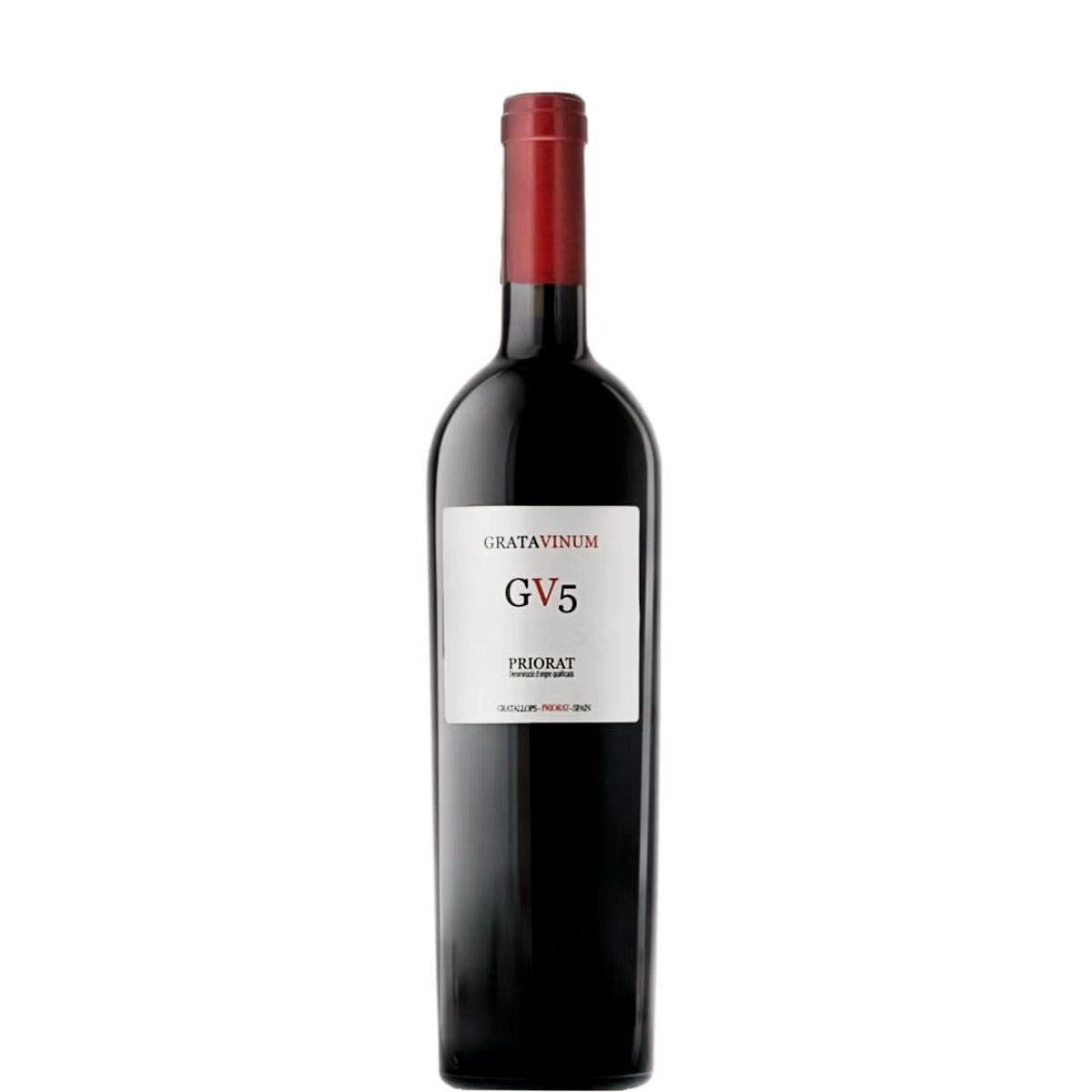
Gratavinum, GV5, 2010
Gratavinum, GV5, 2010
- 75cl
- 14%
- Red Still
- Carignan, Grenache
Couldn't load pickup availability

Optimal drinking window: Now - 2035
About Gratavinum, GV5, 2010
Gratavinum's GV5 2010 is a powerful, full-bodied and well-structured wine from the Priorat region of Spain, known for its concentration, complexity, and depth. This vintage was sourced from old vines grown on the region’s distinctive slate soils, known as "llicorella."
With velvety tannins and a balanced acidity, the GV5 provides freshness and elegance. The flavours are intense and concentrated, featuring a mix of dark fruit, earth, and mineral undertones, leading to a long, complex finish with lingering hints of spice and balsamic notes.
At sixteen years old, this wine has moved beyond its primary fruit phase and is entering its secondary development. The initial power has integrated beautifully with the mineral structure, and the oak has melded completely with the fruit. Over the next five to ten years, expect more tertiary complexity to emerge, with leather, tobacco, and forest floor notes joining the mix. The wine should hold its intensity and structure well until 2035, though it may begin to show more fragility in its final years.
What the critics say:
"Schisty berry aromas are very ripe and bit reduced, with a sense of cooked and raisiny fruit. A tannic palate is gritty and powerful. Warm, baked flavors of blackberry and cassis finish with hard tannins and oaky notes of coffee and toast along with Priorat's patented schist."
Tasting Notes
AppearanceDeep garnet with brick edges showing its sixteen years of evolution.
NoseIntense blackberry and cassis mingle with slate dust and cedar. There's a hint of reduction that opens to reveal balsamic notes, dried herbs, and a touch of coffee bean. The slate minerality becomes more pronounced with air.
PalateFull-bodied and powerful with gritty, slate-driven tannins that coat the mouth. Dark fruit concentration dominates initially, but the mineral backbone asserts itself mid-palate. Coffee and toast from oak aging weave through baked blackberry and cassis flavours.
FinishLong and complex with lingering spice, balsamic notes, and that distinctive Priorat slate signature.
Overall impressionA wine that perfectly captures Priorat's marriage of power and terroir expression.
Food Pairings
In Catalonia, this would be paired with hearty mountain fare like wild boar stew with chestnuts, or conejo con caracoles, the traditional rabbit and snail dish that's a Priorat speciality. The local custom is to serve these powerful reds alongside flame-grilled lamb seasoned with rosemary and thyme, or with the region's famous botifarra sausages. The wine's mineral intensity also complements escalivada, the smoky roasted vegetable dish that echoes the slate terroir in the glass.
We think this wine would go well with
Serve at 17-18°C to allow the complex aromatics to emerge fully. Decant for at least two hours to soften the gritty tannins and let the mineral character integrate with the fruit. Use large Bordeaux glasses to concentrate the intense aromatics. If you're serving it young, consider double-decanting to accelerate the opening process.
The vineyards are planted on Priorat's signature llicorella soils, a decomposed slate and quartzite mixture that forces vines to struggle for nutrients and water. This rocky foundation, combined with steep terraced slopes and a Mediterranean climate with cool nights, produces grapes of extraordinary concentration. The slate imparts a distinctive mineral backbone that defines great Priorat, while the poor soils naturally limit yields to intensely flavoured fruit.
Priorat DOCa is one of only two Spanish regions to hold the highest classification level. The appellation requires minimum alcohol levels of 13.75% and restricts yields to concentrate flavour. Unlike neighbouring Montsant, Priorat's llicorella slate soils are unique, creating wines of distinctive mineral intensity that can age for decades. The region's renaissance began in the 1980s when a handful of pioneering producers recognised the potential of these ancient, abandoned vineyard sites.
The 2010 vintage in Priorat arrived after a challenging growing season that demanded every ounce of the region's famed resilience. A cold, wet spring delayed budbreak and stretched the season well into October, creating the sort of vintage that separates the wheat from the chaff among Priorat's ambitious producers. Those who managed their vineyards with precision and patience were rewarded, whilst others struggled with the extended hang time and variable ripening across the region's steep, slate-strewn terraces.
What emerged from this testing year were wines with a distinctive character that we find utterly compelling. The Garnacha shows remarkable freshness and mineral backbone, whilst Cariñena displays an almost Burgundian finesse that's rare in this powerhouse region. The extended season allowed for slow, complete phenolic ripening without the sometimes overwhelming concentration that marks hotter years. These wines are drinking superbly now, having shed their initial austerity to reveal layers of dark fruit, herbs, and that unmistakable licorella minerality, and should continue rewarding cellaring until 2028.
FAQs
What does this wine taste like?
Powerful and mineral-driven with intense blackberry fruit, slate minerality, gritty tannins, and coffee-edged complexity from oak aging.
When should I drink this wine?
Drinking beautifully now after sixteen years of aging, but will continue to develop complexity until 2035.
What food pairs well with this wine?
Perfect with grilled red meats, game dishes, and hearty stews. The mineral character also complements roasted vegetables and aged cheeses.
Should I decant this wine?
Yes, decant for at least two hours to soften the tannins and allow the complex aromatics to emerge fully.
Is this wine worth cellaring?
Absolutely. While drinking well now, it has the structure and concentration to develop further complexity over the next decade.
What makes Priorat wines special?
The unique llicorella slate soils create wines of distinctive mineral intensity and aging potential, unlike anywhere else in Spain.

OUR GROWERS
Gratavinum


What are you looking for tonight? Tell me the occasion, a grape, a region — or just try a suggestion below.
Your recommendations will appear here.
-
-
Speak to one of our Wine Gurus
Speak to a Wine GuruWith years of experience, our team can help you with all your wine buying and selling needs