
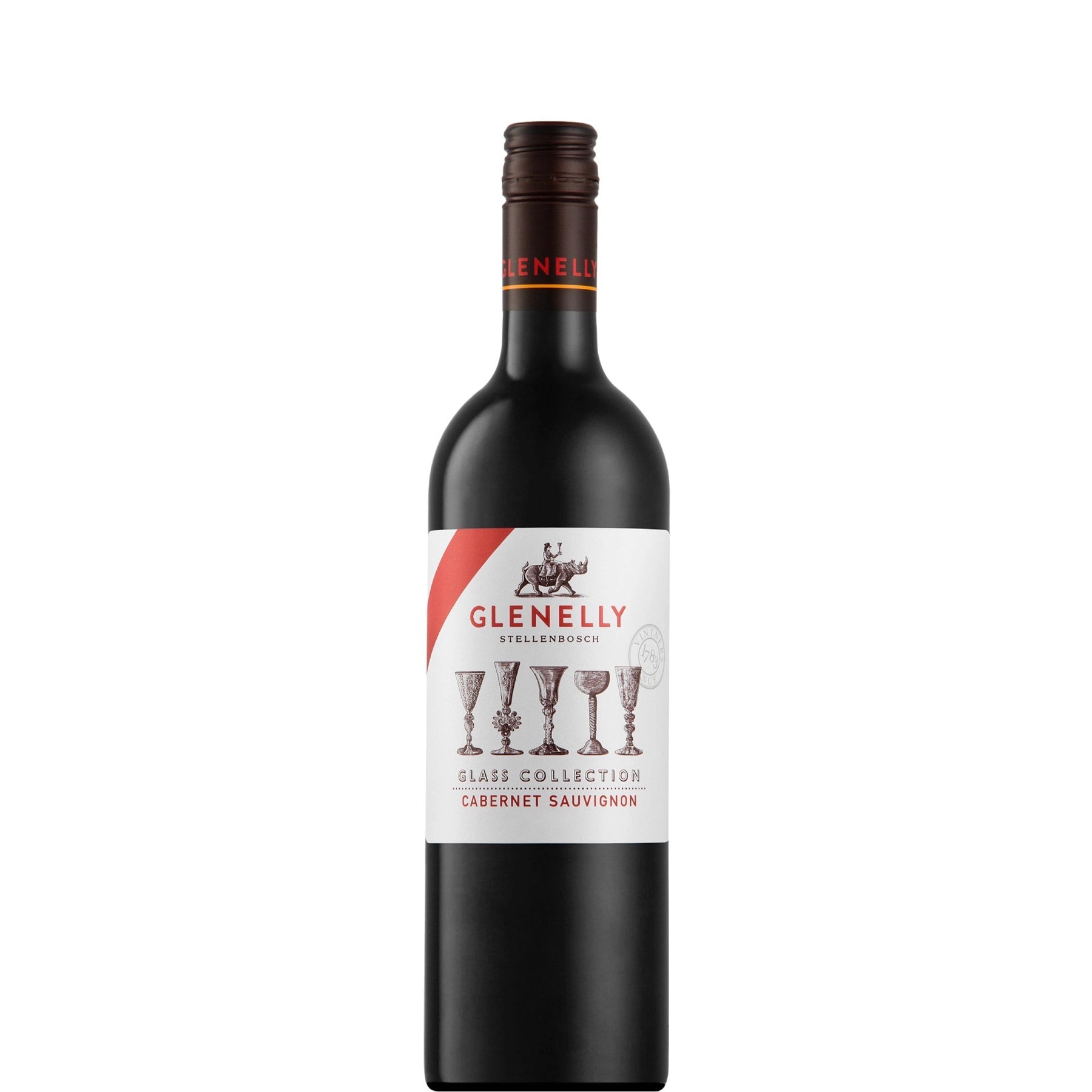
Glenelly, Glass Collection Cabernet Franc, 2019
Glenelly, Glass Collection Cabernet Franc, 2019
- 75cl
- 14.5%
- Red Still
- Cabernet Franc
Couldn't load pickup availability

Optimal drinking window: 2026 - 2032
About Glenelly, Glass Collection Cabernet Franc, 2019
Medium-bodied with silky tannins, the palate of Glenelly's Glass Collection Cabernet Franc gives flavours of dark plums and blueberries, enhanced by hints of herbs and cedar, due to 12 months of French oak aging.
This versatile Cabernet Franc pairs excellently with roasted vegetables and grilled meats.
This 2019 is drinking beautifully now, with its primary dark fruit well-integrated and the oak settling into harmony with the wine. Over the next 2-3 years, expect the herbal characteristics to become more pronounced while the fruit evolves from fresh plums to more complex dried fruit flavours. The wine should reach its peak around 2028-2030, when secondary development will add leather and tobacco complexity without losing its essential freshness.
What the critics say:
"Notes of ripe black fruit, chocolate, pine resin, green tobacco and spices. Medium-bodied with sandy, slightly chewy tannins and a velvety texture. Juicy and attractive black and blue-fruit character on the palate and a flavorful finish. Sustainable. Drink now."
Food Pairings
In the Western Cape, this style of wine pairs beautifully with bobotie, the region's signature spiced mince dish topped with savoury custard - the wine's herbal character complements the curry spices perfectly. Local braai favourites like lamb sosaties (kebabs) or grilled springbok work wonderfully, as does the traditional waterblommetjie stew with its earthy, gamey flavours. The wine's medium body and silky tannins also make it ideal with Cape Malay curries, where its fruit can stand up to the spice while its elegance won't clash with the complex aromatics.
We think this wine would go well with
Serve at 16-17°C to preserve the wine's elegance and herbal freshness. No need to decant - this wine is approachable and shows beautifully straight from the bottle, though 30 minutes of breathing will help it open up fully. Use large Bordeaux glasses to concentrate the aromatics while allowing the wine to breathe. If you do want to decant, 20-30 minutes is plenty for this medium-bodied style.
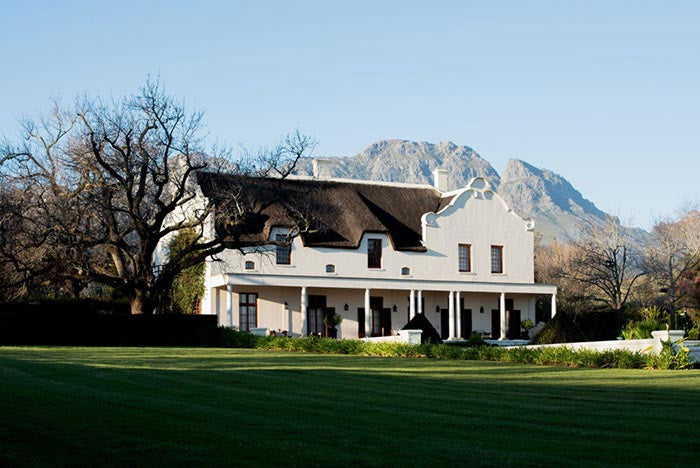
The vineyards sit on the lower slopes of the Simonsberg mountains in Stellenbosch, benefiting from well-drained granite and sandstone soils with good water retention. The elevation and mountain proximity provide cooling influences that preserve acidity and allow for extended ripening. These conditions are particularly suited to Cabernet Franc, allowing the variety to ripen fully while maintaining its characteristic herbal freshness and elegant structure.
Stellenbosch is South Africa's premier red wine region, renowned for its diverse soils and mountain-influenced climate. The appellation encompasses everything from valley floor vineyards to mountain slopes, with regulations governing yields and winemaking practices. Compared to neighbouring Paarl, Stellenbosch tends to produce more structured, age-worthy reds, while its proximity to False Bay provides crucial cooling influences that distinguish it from the warmer inland regions.
The 2019 growing season in Stellenbosch followed a familiar South African script: drought stress through summer, then perfectly timed late rains that arrived just as the vines needed them most. We find this vintage fascinating because it captures that sweet spot where water stress concentrated flavours without shutting down the vines entirely. The harvest stretched longer than usual, allowing winemakers to pick each block at proper ripeness rather than racing against the calendar.
What emerged were wines with real backbone and surprising freshness for such a warm vintage. The Cabernet Sauvignon shows dark fruit intensity but keeps its structure, while Chenin Blanc delivered both the mineral precision and honeyed weight that makes Stellenbosch examples so compelling. These wines are drinking beautifully now, showing their fruit while the tannins have softened just enough to let the character shine through. We expect the reds to hold well until 2030, though frankly, they're too good to leave alone that long.
FAQs
What does this Cabernet Franc taste like?
It offers dark plums and blueberries with distinctive herbal freshness - think tobacco leaf and bell pepper - plus cedar spice from French oak aging. The tannins are silky and approachable.
When should I drink this wine?
It's drinking beautifully now and will continue to develop complexity over the next 3-4 years. Best enjoyed between now and 2032.
What food pairs well with this wine?
Excellent with grilled lamb, roasted vegetables, or South African braai dishes. The herbal character also works well with spiced foods like bobotie or Cape Malay curries.
How should I serve this wine?
Serve at 16-17°C in large wine glasses. No need to decant, though 30 minutes of breathing will help it open up fully.
Is this wine worth cellaring?
While approachable now, it will reward 2-3 years of patience as the herbal characteristics develop and secondary complexity emerges. Not a long-term cellaring wine, but has good near-term aging potential.
How does South African Cabernet Franc compare to French?
South African versions tend to be more fruit-forward with softer tannins, while retaining the variety's characteristic herbal freshness. They're generally more approachable young than their Loire Valley counterparts.
Explore related wines


What are you looking for tonight? Tell me the occasion, a grape, a region — or just try a suggestion below.
Your recommendations will appear here.
-
-
Speak to one of our Wine Gurus
Speak to a Wine GuruWith years of experience, our team can help you with all your wine buying and selling needs