


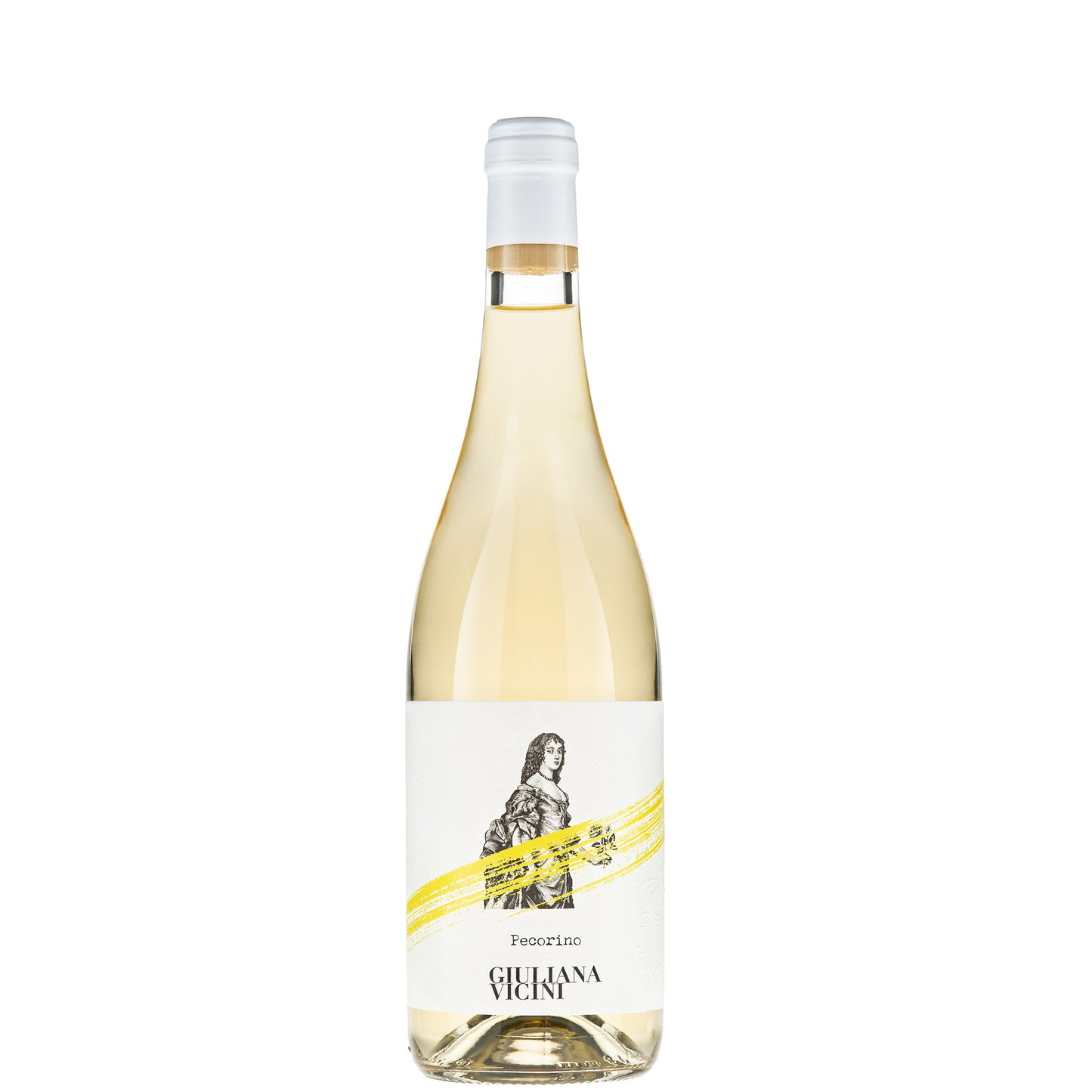
Giuliana Vicini, Pecorino, 2022
Giuliana Vicini, Pecorino, 2022
- 75cl
- 12.5%
- White Still
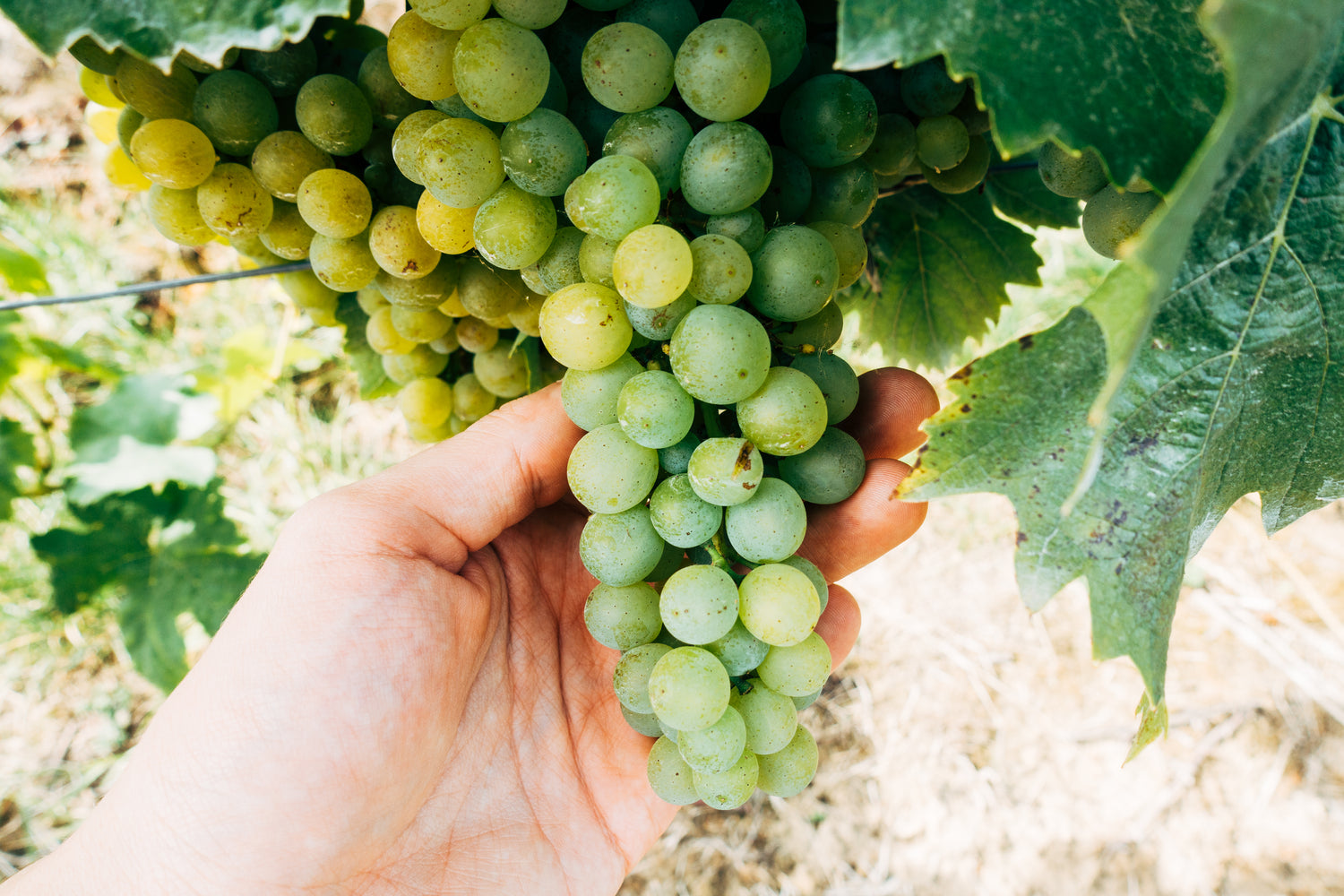
- Pecorino
- Organic
Couldn't load pickup availability

Optimal drinking window: Now - 2028
We're always sniffing out excellent value, under-the-radar wines from Italy that offer cracking value for the table, and this Pecorino is drop dead gorgeous. From organically-farmed grapes in Abruzzo, this is super fresh and vibrant, with lots of floral notes on the nose, including jasmine, and some lovely stone fruits on the palate.
This would match well with creamy pasta dishes & grilled fish. Classy winemaking here that shows why Italy is the best value wine destination in the world!
"...The 2022 Giuliana Vicini Pecorino from Abruzzo, halfway between Pescara and Ortona, is a crisp, fresh, lively white made from 100 per cent Pecorino. This indigenous grape has nothing to do with the cheese of that name other than the fact that some locals reckon it’s so-called thanks to it being a favourite snack of the sheep (pecora in Italian) that used to graze hereabouts. Produced by Chiara Ciavolich, whose family have tended vines here for over 500 years, it’s hand-picked, steel-fermented and bottled unfiltered and makes a tasty choice for those bored by Sauvignon Blanc."
Jonathan Ray for the Spectator Wine Club
This 2022 Pecorino is drinking beautifully now, showing all the fresh fruit and floral character that makes the variety so appealing. Over the next year or two, the primary fruit will integrate further whilst maintaining its essential vibrancy. The wine should hold its charm until 2028, though it's unlikely to develop significant secondary complexity given the style. We'd recommend enjoying it whilst the jasmine and stone fruit flavours remain at their most expressive.
Tasting Notes
AppearancePale gold with green highlights, crystal clear in the glass.
NoseImmediately floral with jasmine and white flowers leading. Stone fruits follow - peach and apricot - with a subtle herbal edge. There's a mineral quality that speaks to the coastal influence.
PalateFresh and vibrant with lovely stone fruit flavours matching the nose. The acidity is bright but not sharp, giving the wine energy without being aggressive. There's a pleasing texture here, not too light but certainly refreshing.
FinishClean and persistent with lingering florals and a hint of white pepper.
Overall impressionA charming Italian white that shows why Pecorino deserves wider recognition.
Food Pairings
Along the Abruzzo coast, this would naturally accompany brodetto, the local fish stew rich with tomatoes, garlic, and herbs. Inland, it pairs beautifully with the region's famous arrosticini - tiny lamb skewers grilled over vine cuttings. The wine's floral character complements dishes featuring wild herbs from the Apennine foothills, whilst its acidity cuts through creamy risottos made with local pecorino cheese. During spring, locals might enjoy it with wild asparagus and scrambled eggs, a simple combination that lets both wine and food shine.
We think this wine would go well with
Serve well chilled at 8-10°C to preserve its fresh, vibrant character. No need to decant - this wine is all about immediate pleasure and accessibility. Use a medium-sized white wine glass that allows the floral aromatics to concentrate. If serving with food, let it warm slightly in the glass to around 12°C, which will reveal more of the stone fruit character.
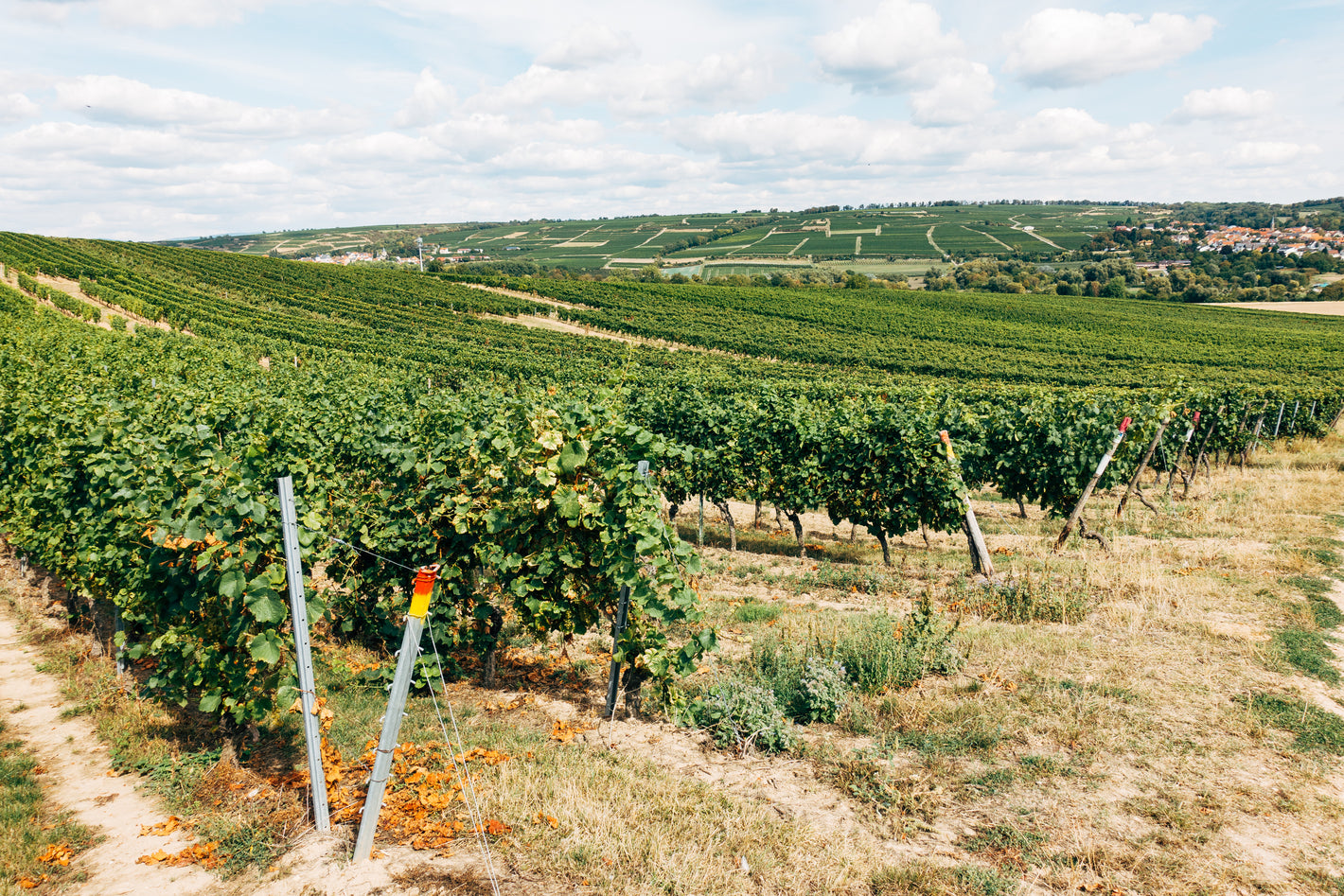
The vineyards sit in the hills between Pescara and Ortona, where the maritime influence of the Adriatic meets the continental climate inland. Pecorino thrives in these limestone-rich soils, which provide excellent drainage whilst retaining enough moisture for the vines. The moderate altitude and cooling sea breezes help preserve the grape's natural acidity and aromatic intensity.
Abruzzo's DOC system protects indigenous varieties like Pecorino, which was nearly extinct until passionate growers like the Ciavolich family revived it in recent decades. The region's regulations encourage traditional winemaking methods and respect for local terroir. Unlike the more famous appellations to the north and south, Abruzzo remains refreshingly focused on value and authenticity rather than prestige.
The 2022 vintage in Abruzzo arrived as a relief after several challenging years, though it demanded careful vineyard management throughout. A dry spring set the stage, followed by intense summer heat that stressed vines across the region's hillside sites. The saving grace came from cooler nights in the Apennine foothills, where many of the best producers farm, allowing grapes to retain freshness despite the challenging conditions. Harvest began earlier than usual, with smart winemakers picking in the cool dawn hours to preserve what acidity they could.
What emerged are wines with ripe, generous fruit but more restraint than you might expect from such a warm year. The Montepulciano d'Abruzzo shows beautiful density without the jammy heaviness that can plague hot vintages here, while Trebbiano d'Abruzzo delivers surprising mineral backbone alongside its characteristic stone fruit flavours. We find these wines drinking beautifully now, offering immediate pleasure with enough structure to reward patient cellaring for five to eight years. It's a vintage that showcases modern Abruzzo at its most accomplished.
FAQs
What does this Pecorino taste like?
Fresh and vibrant with jasmine flowers on the nose and lovely stone fruit flavours like white peach and apricot on the palate.
How is this different from Sauvignon Blanc?
Pecorino offers more floral character and stone fruit rather than the herbaceous or tropical notes typical of Sauvignon Blanc, with a rounder, more approachable texture.
What food works best with this wine?
Creamy pasta dishes, grilled fish, or anything with herbs - the wine's fresh acidity and floral character make it very food-friendly.
When should I drink this wine?
It's perfect right now and will remain at its best until 2028, though it's designed for immediate enjoyment rather than long cellaring.
Does this wine represent good value?
Absolutely - it's a fantastic introduction to Italian indigenous varieties, offering genuine character and quality winemaking at an accessible price.
What's the story behind Pecorino grapes?
The name comes from sheep (pecora) that used to graze in these vineyards - locals say they particularly enjoyed eating these grapes, though thankfully there are plenty left for winemaking.
OUR GROWERS
Giuliana Vicini


What are you looking for tonight? Tell me the occasion, a grape, a region — or just try a suggestion below.
Your recommendations will appear here.
-
-
Speak to one of our Wine Gurus
Speak to a Wine GuruWith years of experience, our team can help you with all your wine buying and selling needs