

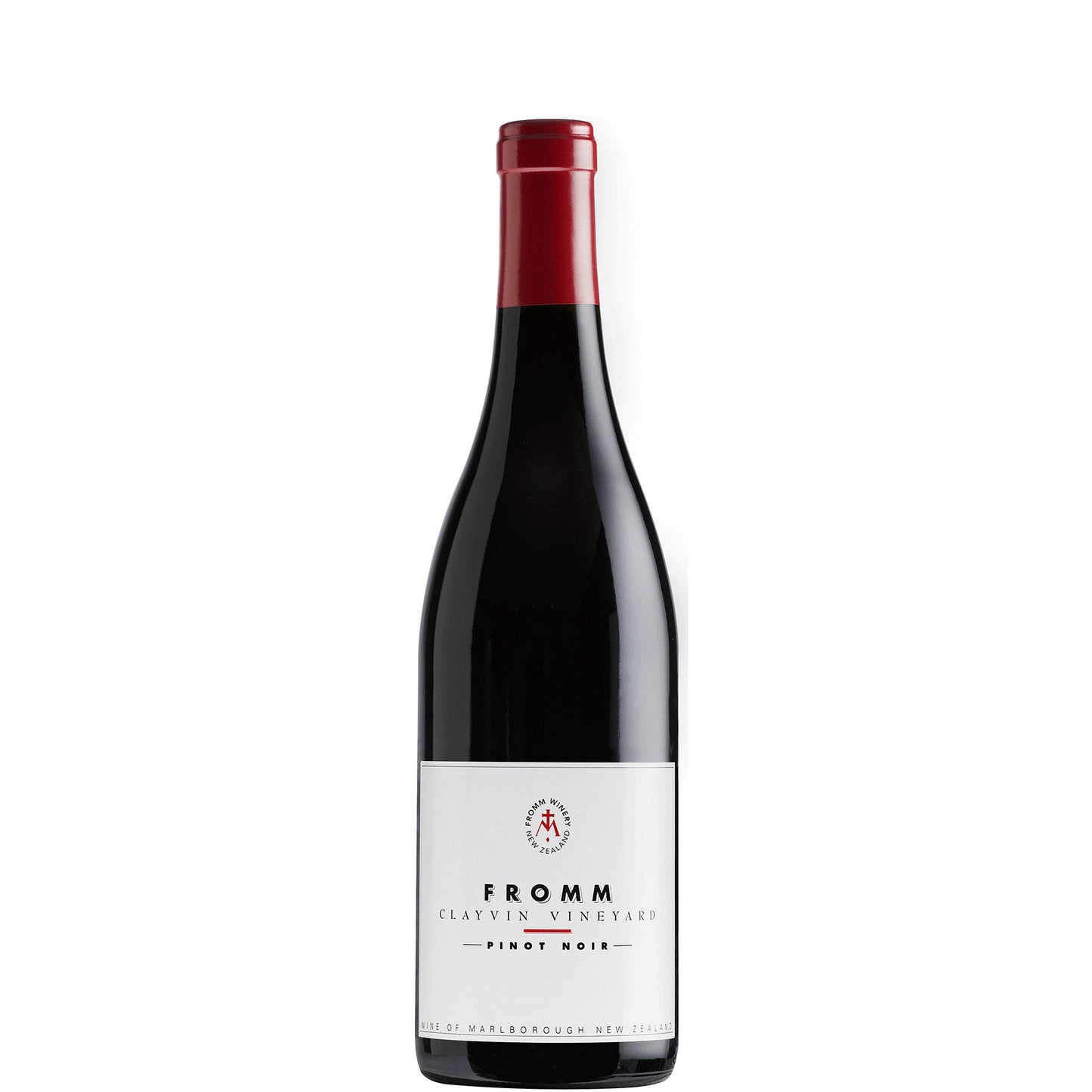
Fromm, Clayvin Vineyard Pinot Noir, 2021
Fromm, Clayvin Vineyard Pinot Noir, 2021
- 75cl
- 13.5%
- Red Still
- Pinot Noir
- Organic
Couldn't load pickup availability

Optimal drinking window: Now - 2035
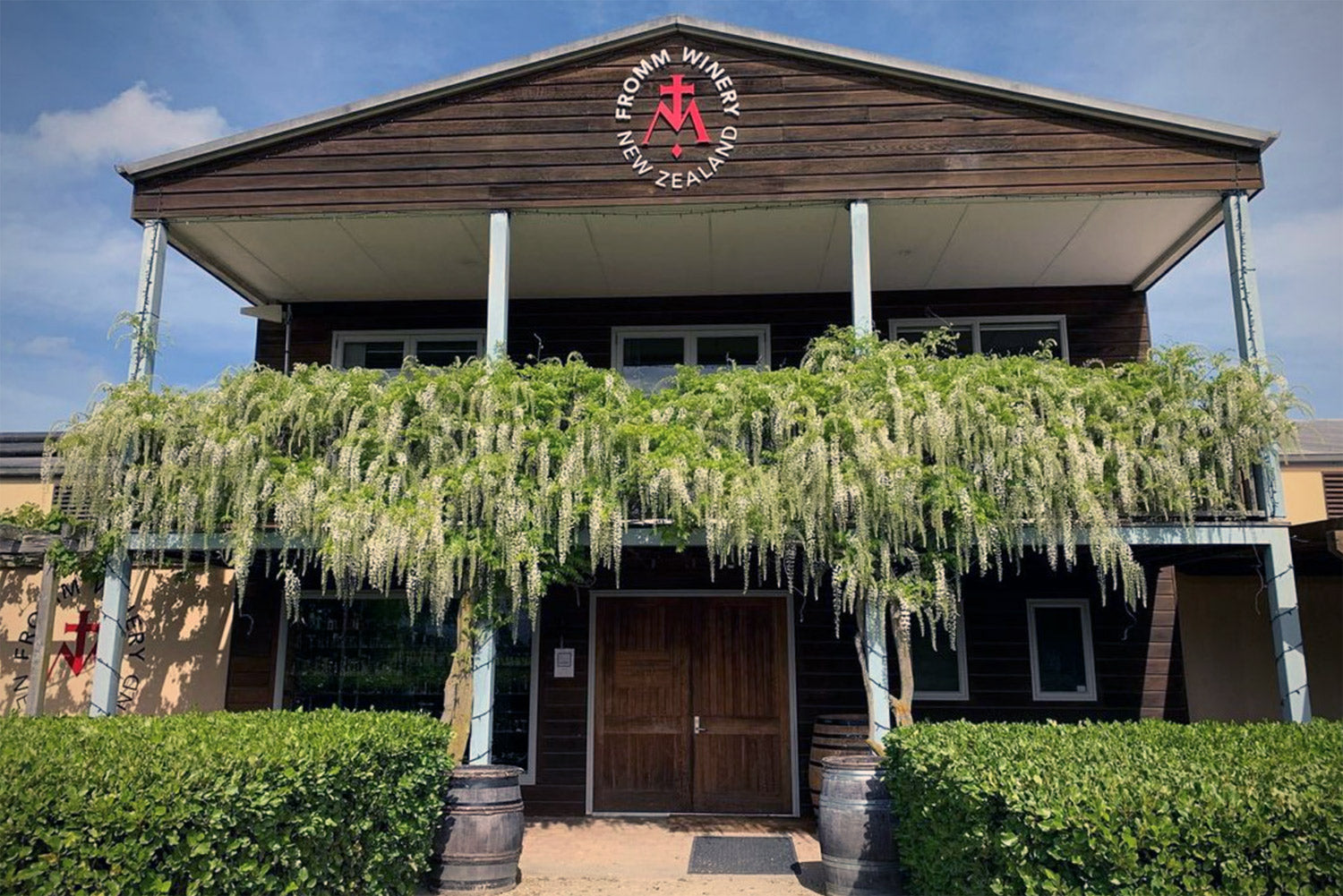
Based in the Southern Valleys in Marlborough, Fromm was established in the 90s, undergoing organic conversion in 2005, and has rapidly developed a cult reputation for its range of single vineyard reds & whites.
Winemaking is Burgundian, with little more than 3,000 cases produced annually. The vineyards are farmed by hand, grapes hand-picked, whilst in the winery they use wild yeasts, aging in Burgundian oak barrels, bottling with no fining or filtration and minimal sulphur. The resultant wines combine all the elegance, structure and suaveness of Burgundy yet with that signature plushness of NZ fruit, making them very attractive indeed.
Their Pinot is a team favourite, almost Corton-like in its power & intensity, with the structure for long-term cellaring. This is a really special Pinot and comes at half the price of what you would pay in Burgundy.
Currently in its tightly wound primary phase, this wine will need until 2028-2030 for the dense tannins to begin integrating with the fruit. Secondary complexity will emerge around 2032, when the ash and spice notes will marry with developing leather and forest floor characters. The wine should plateau between 2030-2035, showing full integration of fruit, structure, and tertiary development before beginning a graceful decline.
What the critics say:
"The 2021 Pinot Noir Clayvin Vineyard has incredible density and richness, offering spice and tea leaf alongside dark fruits. It is a serious style that was made from small bunches and tiny berries. There's a major abundance of tannins. No stems were used so it's all seeds and skins giving a mouthcoating richness rather than a firm, furry line from whole clusters. It is satisfying and dense with huge length. Far too young right now, it will provide drinking enjoyment over the long term. "
"Intense notes of ash, dried flowers, dried cherries, burnt lemons, espresso and dried spices. It’s structured and firm, with a medium body, tight-grained tannins and vibrant acidity. Tightly wound. From organically grown grapes. Better after 2024."
Tasting Notes
AppearanceDeep ruby with purple edges, showing the wine's youth and concentration.
NoseIntense ash and dried flowers lead, followed by dark cherries and burnt lemon zest. Espresso and dried spices emerge with time in the glass, showing classic Burgundian complexity despite its New Zealand origins.
PalateMedium-bodied but incredibly dense, with tight-grained tannins that coat the mouth rather than create furry lines. Dark fruits are wrapped in tea leaf and spice, with vibrant acidity keeping everything tightly wound. The structure suggests serious ageing potential.
FinishHuge length with satisfying density and persistent spice that lingers well after swallowing.
Overall impressionA serious, structured Pinot Noir that's far too young now but promises exceptional rewards for patient cellaring.
Food Pairings
In Marlborough, this style of Pinot Noir would traditionally accompany locally sourced lamb, particularly Canterbury lamb roasted with native herbs like horopito. The region's abundant seafood, including Cloudy Bay clams and green-lipped mussels, pairs beautifully with lighter Pinot styles, though this concentrated wine calls for heartier fare. Wild venison from the nearby mountains, grilled over manuka wood, would complement the wine's earthy, smoky character perfectly.
We think this wine would go well with
Serve at 16-17°C to allow the wine's structure to show properly. Decant for at least two hours to help soften the tight tannins, though even then this wine will benefit from several more years of bottle age. Use large Burgundy glasses to concentrate the complex aromatics and allow proper swirling to release the wine's restrained but intense character.
The Clayvin Vineyard sits in Marlborough's Southern Valleys, where the climate is cooler and more suited to Pinot Noir than the region's famous Sauvignon Blanc country. The 2021 vintage benefited from small bunches and tiny berries, concentrating flavours and tannins. The combination of Marlborough's intense sunlight and cool nights creates wines with both power and elegance.
Marlborough is New Zealand's largest wine region, famous worldwide for Sauvignon Blanc but increasingly respected for Pinot Noir from cooler sub-regions. The Southern Valleys offer more protection from maritime winds and cooler temperatures than the main Wairau Valley, allowing for slower ripening and more structured reds. Producers like Fromm are proving Marlborough can craft serious, age-worthy Pinot Noir that rivals Burgundy.
The 2021 growing season in Marlborough threw winemakers a proper curveball with an unusually cool, wet summer that had everyone fretting about ripeness and disease pressure. Rain persisted well into what should have been the dry months, forcing growers to work overtime in their vineyards with canopy management and careful fruit selection. When harvest finally arrived, it stretched later than usual, with many producers picking well into April under pressure to capture what ripeness they could.
What emerged was a vintage that surprised everyone who'd written it off as difficult. The Sauvignon Blancs show remarkable freshness and intensity—think citrus pith and fresh herbs rather than the tropical exuberance of warmer years—whilst the Pinots display a lovely restraint and genuine varietal character that we find rather compelling. These aren't blockbuster wines, but they're drinking beautifully now with a tension and minerality that makes them feel more European in style. Most will reward drinking until 2026, though the best Pinots could easily go longer.
FAQs
What does this wine taste like?
Dense and structured with dark cherries, ash, espresso, and tea leaf complexity, wrapped in serious tannins that need time to soften.
When should I drink this wine?
This is far too young now - wait until at least 2028 for the tannins to integrate, with peak drinking between 2032-2038.
What food should I pair with this?
Rich meats like roasted lamb, wild venison, or duck will complement the wine's power and structure perfectly.
Do I need to decant this wine?
Yes, decant for at least two hours to help soften the tight structure, though patience in the cellar will serve you better.
Is this wine worth cellaring?
Absolutely - this is built for long-term ageing and will reward patience with exceptional complexity and integration over the next decade.
How does this compare to Burgundy?
Made in Burgundian style with similar power to wines from Gevrey-Chambertin or Corton, but with New Zealand's signature fruit plushness at half the price.
Explore related wines


What are you looking for tonight? Tell me the occasion, a grape, a region — or just try a suggestion below.
Your recommendations will appear here.
-
-
Speak to one of our Wine Gurus
Speak to a Wine GuruWith years of experience, our team can help you with all your wine buying and selling needs