

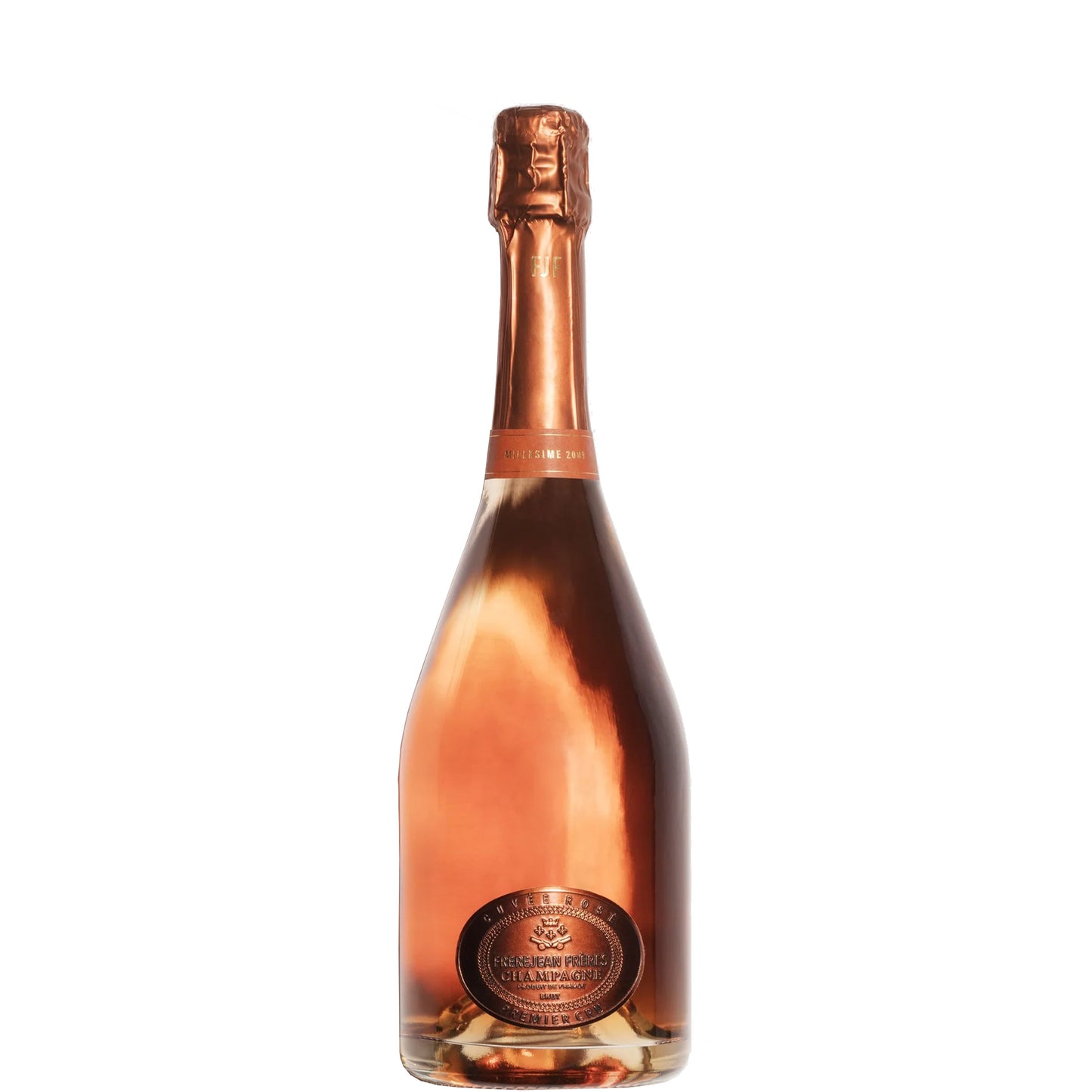
Frerejean Frères Rosé, NV
Frerejean Frères Rosé, NV
- 75cl
- 12.5%
- Rosé Sparkling
- Chardonnay, Pinot Noir
Couldn't load pickup availability

Optimal drinking window: 2026 - 2030
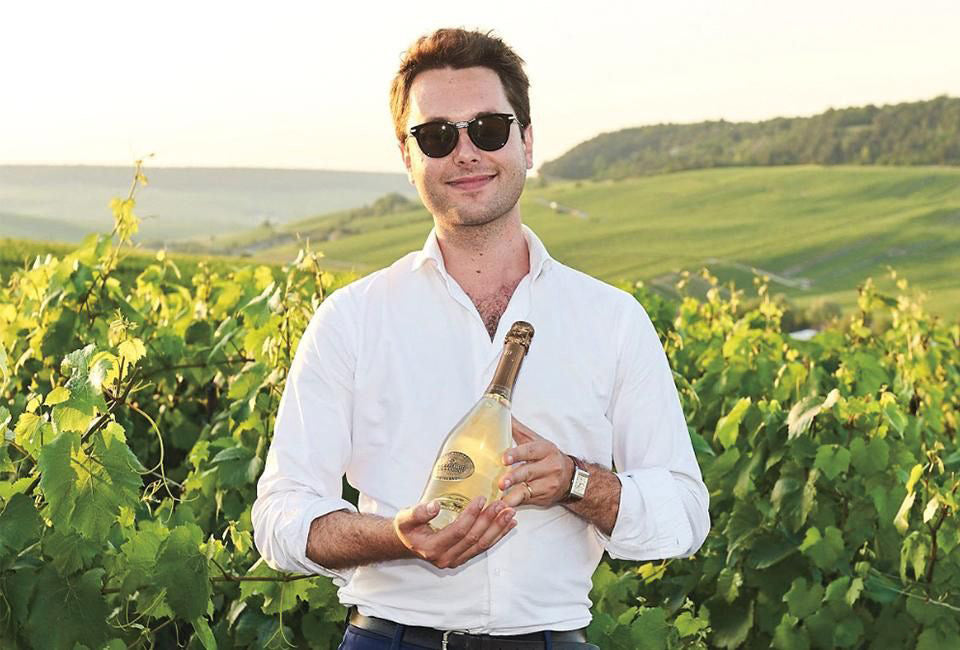
Frerejean Frères founders Guillaume, Richard and Rodolphe Frerejean-Taittinger, started out making champagne for friends and family, but word spread, and they went into business in 2005. The brothers take a fresh approach to champagne that respects traditional methods, but leaves room for innovation. Their champagne is now sold in hand-selected outlets the world over, but have stayed true to a small-scale approach.
The Frerejean Frères Rosé NV is the latest addition to the portfolio, bursting from the seams with red berries & raspberries, alongside lightly toasted notes of brioche and walnut, plus a gentle hint of dosage on the finish. Another triumph from one of our favourite champagne growers.
This NV rosé is designed for immediate enjoyment whilst its fruit remains vibrant and primary. Over the next 2-3 years, the red berry character will remain prominent whilst the brioche and nutty elements from lees contact will integrate more fully. The wine will reach its optimal drinking window within 12-18 months of release, after which the fresh fruit will gradually give way to more developed, honeyed notes. Beyond 2030, whilst still drinkable, it will lose the bright fruit character that makes it so appealing now.
What the critics say:
"A salmon-orange colored Champagne with aromas of dried cherries, spiced apples, cloves, biscuits and walnuts. Medium-bodied with silky bubbles. Creamy and flavorful with a pretty balance of ripe fruit and toasty elements. Lightly off-dry. 60% chardonnay and 40% pinot noir. Drink now."
"60% Chardonnay with 40% Pinot Noir, 14% vinified as red. Didier says that what he likes about blended rosé is being able to “work the color quite precisely.” And it’s clear from the deep pink hue that he likes color in his rosé. The nose is every bit as dramatic, with bright, juicy strawberry aromas of almost piercing intensity complemented by a wave of just-baked brioche. The palate mirrors the nose, adding a silky texture, a sliver of toast, and a little steeliness. It’s a wine of presence and compressed power, but also precision and length—and although dry, this is not as dry as the rest of the range. Cellared for three or four years, it will develop some more complex notes and could be served with duck, perhaps with a light blackberry and Port sauce, but describing it as “best served with a chocolate dessert” seems odd, and it was sabotaged for me at dinner by the stracciatella mint mousse with chocolate with which it was served."
Tasting Notes
AppearanceSalmon-pink with persistent, fine bubbles rising through the glass.
NoseRed berries and raspberries leap from the glass, followed by warm brioche and toasted walnut notes. There's a gentle spice element that adds complexity without overwhelming the fresh fruit character.
PalateMedium-bodied with silky bubbles that carry flavours of ripe strawberries and cherries. The creamy texture balances beautifully with the wine's natural acidity, whilst toasty elements from lees ageing provide depth and structure.
FinishClean and refreshing with a gentle hint of dosage sweetness and lingering red fruit.
Overall impressionAn accomplished rosé champagne that captures both the freshness of its fruit and the sophistication of its method.
Food Pairings
In Champagne, rosé is the traditional choice for game birds like partridge or duck, where the wine's red fruit complements the meat's richness whilst its bubbles cut through any sauce. Locals also pair it with jambon de Reims, the region's famous ham, and fresh strawberries from nearby Carpentras during late spring. The wine works beautifully with Chaource, a local soft cheese that echoes the champagne's creamy texture, or alongside simple preparations of river trout from the region's streams, where the bubbles and acidity enhance the fish's delicate flavour.
We think this wine would go well with
Serve well-chilled at 6-8°C in flutes or tulip glasses to concentrate the aromatics and showcase the persistent mousse. No decanting required - pour gently to preserve the bubbles and avoid excessive foam. Store bottles on their side in a cool, dark place, and chill for at least two hours before serving.
The Frerejean Frères vineyards benefit from Champagne's unique chalk-rich soils, which provide excellent drainage whilst retaining enough moisture to nourish the vines through summer heat. The cool continental climate with maritime influences ensures slow, even ripening, crucial for maintaining the acidity that gives champagne its backbone. These chalky soils impart the mineral precision that underpins the wine's red berry fruit, whilst the region's marginal climate preserves the freshness essential for quality sparkling wine.
Champagne remains the gold standard for sparkling wine, with strict regulations governing everything from grape varieties to riddling techniques. Only Chardonnay, Pinot Noir, and Pinot Meunier are permitted, and all wines must undergo secondary fermentation in bottle followed by extended lees ageing. The appellation's prestige stems not just from centuries of refinement, but from a climate and soil combination that produces sparkling wines of unmatched elegance and complexity. What sets Champagne apart from other sparkling wine regions is this marriage of terroir and technique that creates wines capable of both immediate pleasure and graceful evolution.
FAQs
What does this rosé champagne taste like?
We find bursts of red berries and raspberries, with gentle brioche and walnut notes from traditional lees ageing, finishing with a hint of sweetness.
When should I drink this champagne?
It's perfect now whilst the fruit is at its most vibrant, and will remain at its best until 2030.
What food pairs well with rosé champagne?
We love it with salmon, duck breast, or strawberries and cream - the bubbles and red fruit work beautifully with both rich and delicate flavours.
How should I serve this champagne?
Serve well-chilled at 6-8°C in champagne flutes or tulip glasses to preserve the bubbles and concentrate the aromatics.
Is this champagne worth cellaring?
This is designed for drinking now rather than laying down - enjoy it whilst the fresh red berry fruit is at its peak.
How is rosé champagne made?
This gets its colour either from brief skin contact with red grapes or by blending a small amount of still red wine with the white base wine before second fermentation.
Explore related wines


What are you looking for tonight? Tell me the occasion, a grape, a region — or just try a suggestion below.
Your recommendations will appear here.
-
-
Speak to one of our Wine Gurus
Speak to a Wine GuruWith years of experience, our team can help you with all your wine buying and selling needs