
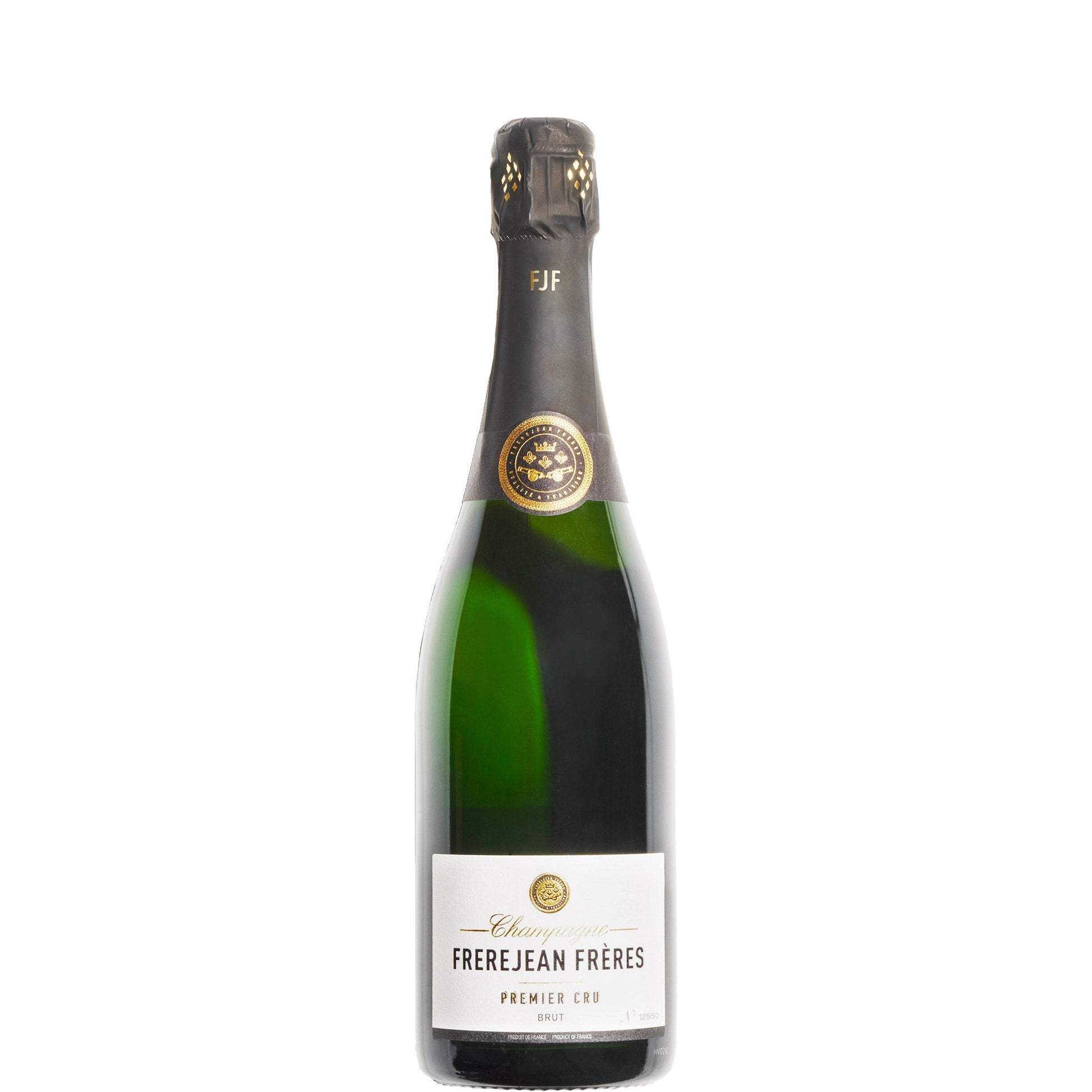
Frerejean Frères, Premier Cru Brut, Nv
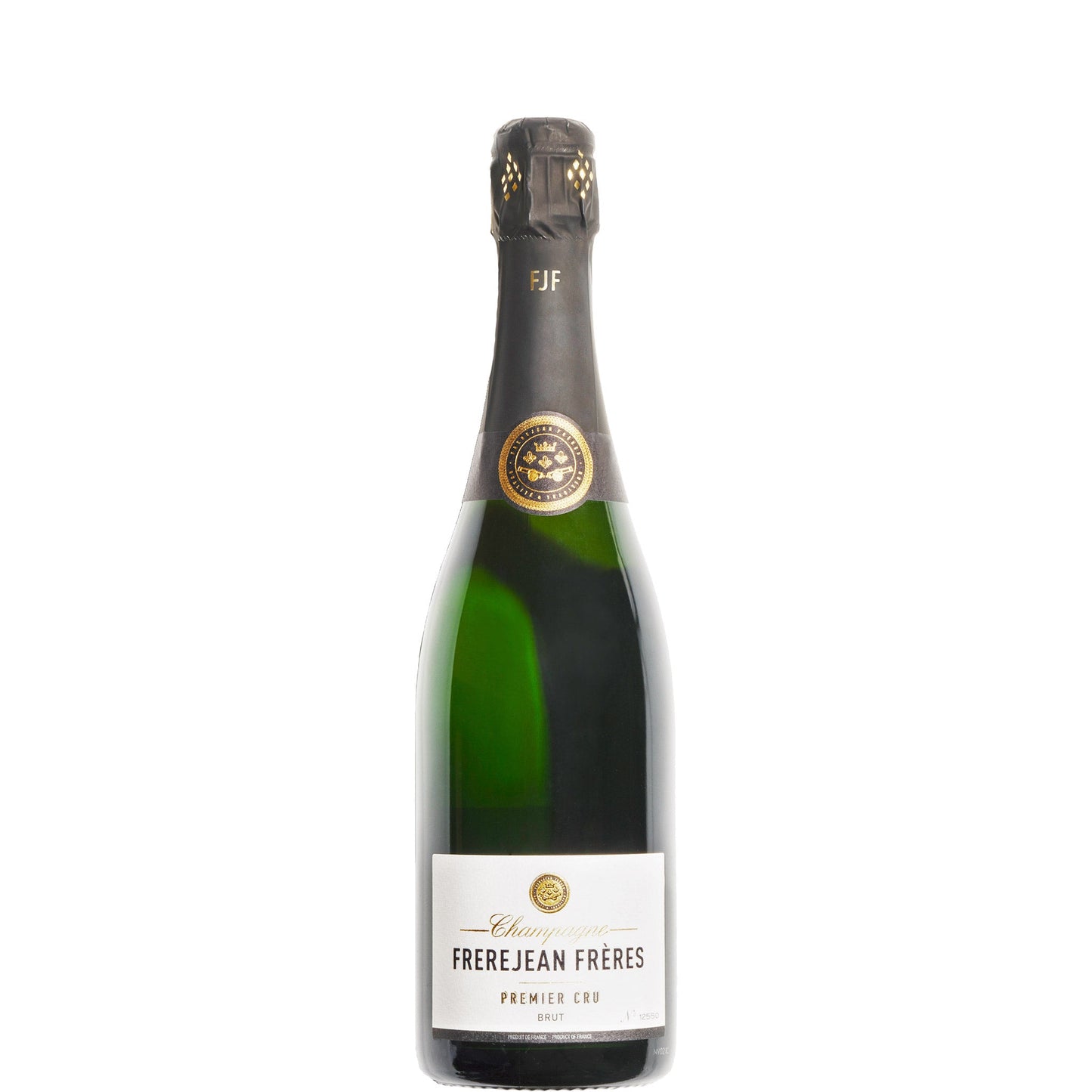
Frerejean Frères, Premier Cru Brut, Nv
- 75cl
- 12%
- White Sparkling
- Chardonnay, Pinot Noir
Couldn't load pickup availability

Optimal drinking window: 2026 - 2032
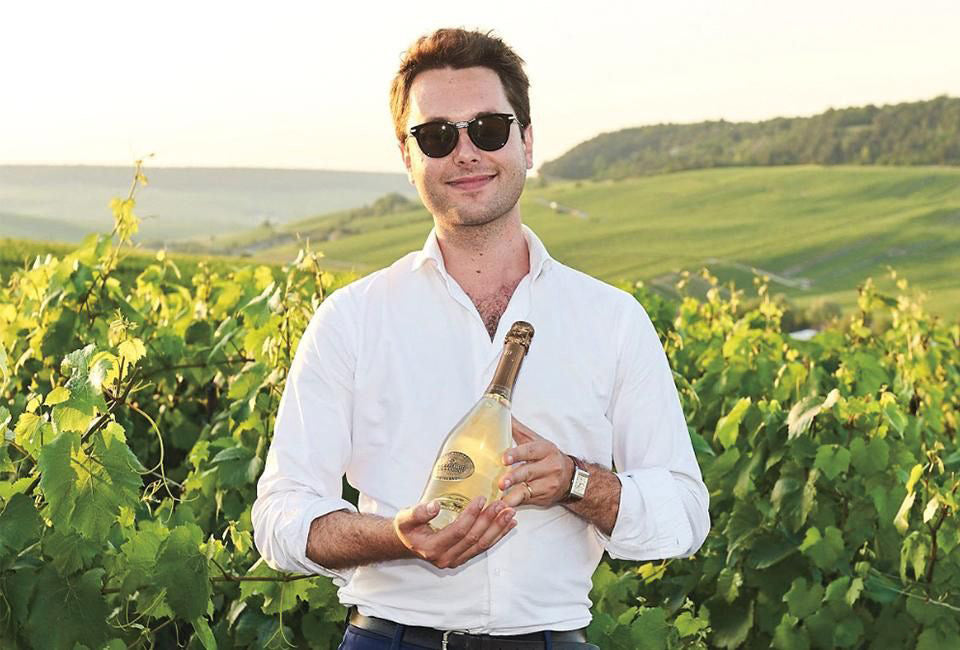
Frerejean Frères founders, Guillaume, Richard and Rodolphe Frerejean-Taittinger, started out making Champagne for friends and family, but word spread, and they went into business in 2005. The brothers take a fresh approach to Champagne, that respects traditional methods, but leaves room for innovation. Their Champagne is now sold in hand-selected outlets the world over, but have stayed true to a small-scale approach.
Their signature wine is a blend of Chardonnay and Pinot Noir aged for a minimum of five years, producing an elegant Champagne that embodies the richness of the Frerejean Frères terroir. Low dosage and late disgorgement mean that it’s both balanced and generous.
"A delightfully fresh nose – apples, almonds and crushed biscuits. The palate has a perfectly-judged mousse and the elegance of the fruit really shines. A great introduction into the art of Frerejean Frères."
Our note
This Champagne is drinking beautifully now, with the five-year minimum ageing having developed lovely brioche and honey complexity whilst retaining fresh fruit character. The extended lees contact and late disgorgement mean it's already reached a sweet spot of maturity. Over the next 4-6 years, we expect the fruit to integrate further whilst maintaining its elegant structure, though the low dosage means it won't develop the richer, more oxidative notes of higher-dosage styles. This is Champagne designed to be enjoyed rather than cellared indefinitely.
What the critics say:
"Slightly deeper color than the Extra Brut, with honeyed tarte tatin, peach, and crème pâtissière drifting over a soft umami hum. Creamy textured and rounded on the palate, with an elegant, soft mousse and touches of brioche, stem ginger, and toasted walnut carrying it through to a clean, tapering fresh finish."
"A 50/50 blend of chardonnay and pinot noir, this elegant fizz has been aged for five years with only a low dosage (sugar) added. Although initially only created for friends and family, it’s now sold internationally, however the house felt it important to stick to their small-scale ethos, leaving plenty of room for innovation. As such grapes are still selected by hand and minimal sulphites are added. Wonderfully aromatic, expect baked apples, honey and almonds on the nose, moving to pear and brioche on the palate. With fine, persistent bubbles, this would wake an excellent aperitif or try serving with charcuterie."
Tasting Notes
AppearancePale gold with fine, persistent bubbles forming an elegant mousse.
NoseWe find baked apples and honey leading, followed by crushed almonds and that distinctive brioche character that comes from extended lees ageing. There's a lovely aromatic intensity that speaks to the five-year minimum ageing. The low dosage allows the fruit to express itself clearly.
PalateFuller and more substantial than most non-vintage Champagnes, with the 50/50 Chardonnay-Pinot Noir blend creating beautiful balance. The Chardonnay brings elegance and minerality, whilst the Pinot Noir adds weight and structure. Pear and brioche flavours develop, supported by that perfectly judged mousse our taster Dylan mentioned.
FinishClean and persistent, with almonds and a touch of honey lingering.
Overall impressionAn elegant introduction to serious Champagne making that punches well above its weight.
Food Pairings
In Champagne, this style would traditionally accompany a plateau de fruits de mer, with fresh oysters from Belon or Marennes-Oléron showcasing the wine's minerality. The locals might also serve it with jambon de Reims and pain de campagne as an aperitif, or alongside the region's famous andouillette de Troyes for those with adventurous palates. Pâté de foie gras from neighbouring Alsace often appears at celebrations, the wine's acidity cutting through the richness beautifully. The bubbles and balanced dosage make it equally suitable with Maroilles cheese, a regional favourite that demands wine with both elegance and backbone.
We think this wine would go well with
Serve well-chilled at 6-8°C to showcase the elegant mousse and preserve the delicate aromatics. No decanting required, but do allow the wine a moment in the glass to open up after pouring. Use proper Champagne flutes or, better still, white wine glasses that allow the aromatics to develop. The extended lees ageing means this wine benefits from not being served ice-cold, as slightly warmer temperatures reveal the complexity earned from five years on its lees.
Frerejean Frères sources grapes from premier cru vineyards across Champagne, where chalky soils and a cool continental climate create the tension between ripeness and acidity that defines great Champagne. The chalk provides excellent drainage whilst retaining enough moisture to support slow, even ripening. This geological foundation, combined with careful hand-selection of grapes, allows the Chardonnay to develop its characteristic minerality whilst the Pinot Noir contributes structure and depth to their signature blend.
Champagne Premier Cru designation requires grapes sourced exclusively from villages rated 90-99% on the échelle des crus, the region's historic quality classification system. These villages sit just below the grand cru sites but often deliver exceptional value, offering the elegance and complexity of top-tier Champagne without the premium of the most famous names. The appellation's strict méthode champenoise requirements, including minimum ageing on lees, ensure consistent quality across all premier cru bottlings.
FAQs
What does this Champagne taste like?
Elegant and aromatic with baked apples, honey, and almonds on the nose, followed by pear and brioche flavours on the palate. The fine bubbles and balanced approach make it fuller than most non-vintage Champagnes.
When should I drink this wine?
It's drinking beautifully now and will remain at its best until around 2032. The extended ageing means it's already developed lovely complexity whilst retaining fresh fruit character.
What food pairs well with this Champagne?
Excellent as an aperitif, or try it with oysters, charcuterie, or light fish dishes. The balanced acidity and elegant mousse make it versatile with both canapés and more substantial fare.
How should I serve this Champagne?
Serve well-chilled at 6-8°C in proper Champagne flutes or white wine glasses. No decanting needed, but allow a moment in the glass for the aromatics to develop.
Is this worth cellaring?
This is designed for drinking rather than long-term cellaring. It's already beautifully mature and will drink well for another 4-6 years, but won't develop significantly more complexity with age.
What makes this different from other Champagnes?
The five-year minimum ageing, late disgorgement, and low dosage approach create more depth and elegance than typical non-vintage Champagne, whilst the premier cru fruit provides excellent quality foundations.
Explore related wines


What are you looking for tonight? Tell me the occasion, a grape, a region — or just try a suggestion below.
Your recommendations will appear here.
-
-
Speak to one of our Wine Gurus
Speak to a Wine GuruWith years of experience, our team can help you with all your wine buying and selling needs