
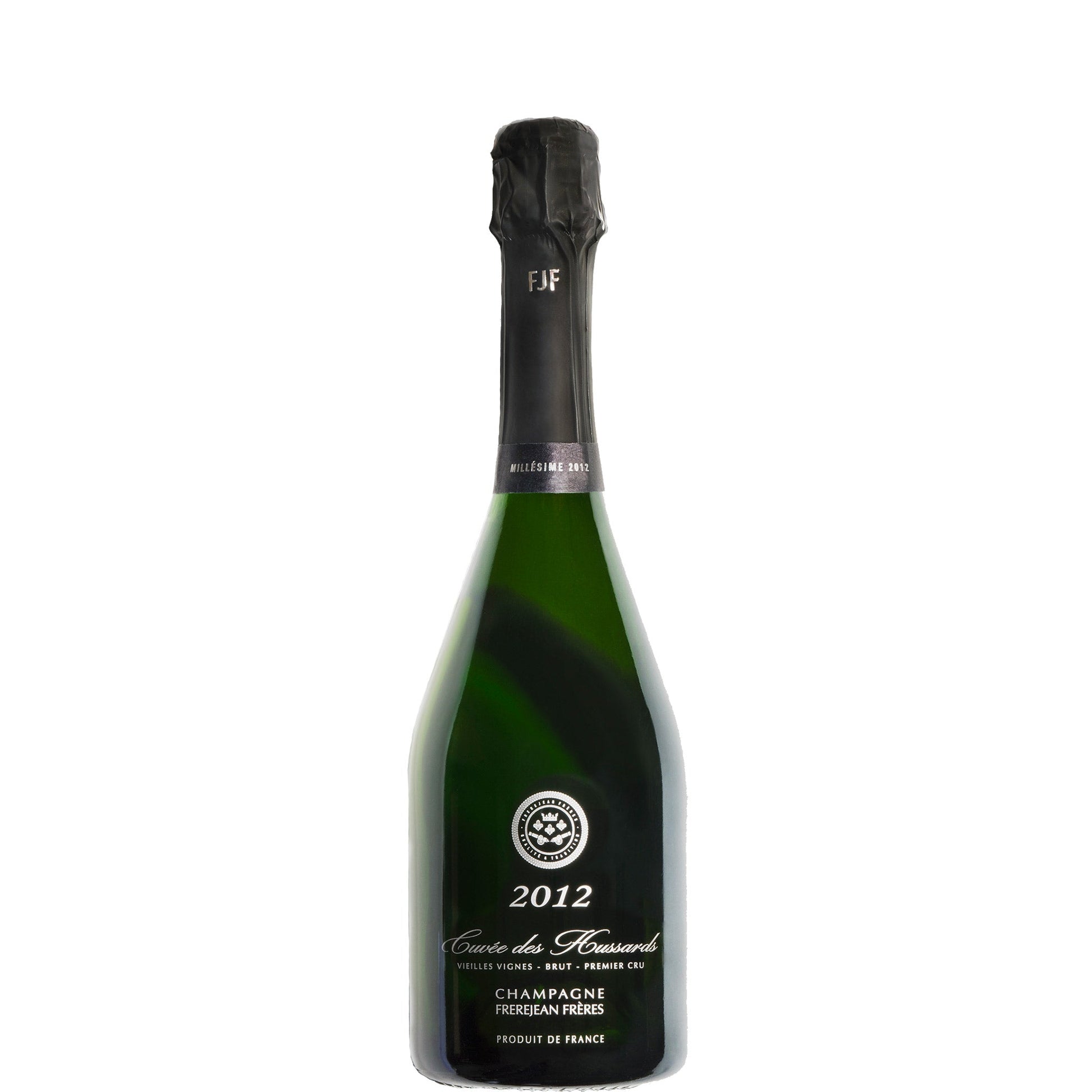
Frerejean Frères, Cuvée des Hussards, Blanc de Blancs Premier Cru Brut, 2012
Frerejean Frères, Cuvée des Hussards, Blanc de Blancs Premier Cru Brut, 2012
- 75cl
- 12.5%
- White Sparkling
- Chardonnay, Pinot Noir
Couldn't load pickup availability

Optimal drinking window: Now - 2035
About Frerejean Frères, Cuvée des Hussards, Blanc de Blancs Premier Cru Brut, 2012
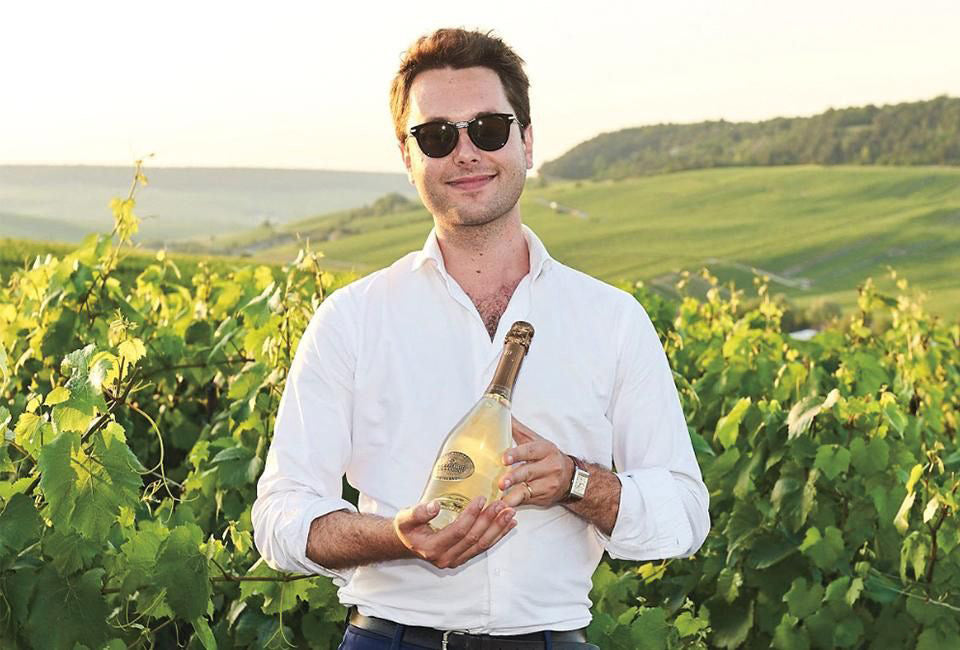
Frerejean Frères was founded by brothers Guillaume, Richard, and Rodolphe Frerejean-Taittinger, who began by making Champagne just for friends and family. By 2005, demand had grown—and so did the business.
They combine traditional Champagne methods with a modern mindset, keeping production small and focused while now exporting to select outlets around the world.
Their Cuvée des Hussards, named after Napoleon’s light cavalry (famous for sabrage), is bold and expressive. Made from old-vine Pinot Noir and Chardonnay grown on chalky soils, it’s a Champagne with real depth, elegance, and mineral finesse.
This 2012 is entering its optimal drinking window, having integrated its primary citrus fruit with developing secondary complexity. The marine minerality and toasted nut characters will continue to build over the next few years, whilst the mousse remains lively. We expect it to hold beautifully until 2035, with the fruit gradually giving way to more honeyed, brioche-like flavours. Beyond that point, whilst still drinkable, the freshness that defines great Blanc de Blancs will begin to fade. The wine's restrained style suggests it will age gracefully rather than dramatically, maintaining its elegance throughout its evolution.
What the critics say:
"Pale yellow colour with slightly greenish hue. Delightful nose reminiscent of lemon zest, green figs, greengage, Nashi pear, starfruit and a discreet hint of iodine marine air. On the palate well structured with crisp acidity, lively and fine mousseux, exquisite fruit flavour on the restrained side, distinct minerality. An excellent wine with depth and salivary character."
"Lush, plush and very luxurious with layered notes of dried apple, honey and soft spices. The palate is pure velvet and savoury, braced with toasted nut and the merest hint of smoke. Accomplished Winemaking! Platinum Award Winner"
"Much paler than the VV26, with lively, fine bubbles and an equally expressive but very different nose, notably spicy, with Jersey cream, too, but overlaid with pretty floral, peach, and lemon notes, followed by raspberry and blueberry. The palate is succulent, deep, almost compressed, yet silky and refined. Hard to convey, other than to say deeply textural and at the same time elegant. Given time in the glass, spices reemerge, including cinnamon, together with apple confit and umami seaweed. Wonderful interplay between development and complexity on the one hand, and freshness and energy on the other."
Tasting Notes
AppearancePale gold with fine, persistent mousse and a slight greenish hue that speaks to its freshness.
NoseImmediately appealing with lemon zest and green fig leading, followed by Nashi pear and starfruit. There's a distinctive marine quality, that hint of iodine that comes from Champagne's ancient seabed origins. The aromatics are precise rather than showy, building complexity in the glass.
PalateWell-structured with crisp acidity that frames the fruit without overwhelming it. The mousse is fine and lively, creating that salivary character that keeps you reaching for another sip. Exquisite fruit flavour on the restrained side, with distinct minerality providing backbone. There's dried apple richness balanced by toasted nuts and the merest whisper of smoke.
FinishLong and mineral-driven, with citrus zest persistence and that characteristic chalky dryness.
Overall impressionA Blanc de Blancs with both depth and elegance, showing excellent development at fourteen years old.
Food Pairings
In Champagne, locals would traditionally pair this style with their famous Chaource cheese, its creamy texture complementing the wine's mineral precision. Andouillette de Troyes, the region's distinctive sausage, provides a rich counterpoint to the Champagne's acidity. Fresh oysters from nearby Normandy are a classic match, the wine's marine minerality echoing the shellfish's briny character. During harvest season, this would accompany escargots de Champagne, snails cooked in the local style with herbs and garlic. The wine's restraint also suits the region's river trout, simply prepared with butter and herbs to let both wine and fish express their origins.
We think this wine would go well with
Serve well-chilled at 6-8°C in proper Champagne flutes or white wine glasses to concentrate the aromatics. No decanting needed, but do let it warm slightly in the glass to reveal its full complexity. Open just before serving to preserve the mousse, though this mature vintage will hold its fizz well once opened. Store any remaining wine in the refrigerator with a proper Champagne stopper and drink within 24 hours for best results.
The Frerejean brothers work Premier Cru vineyards planted on Champagne's signature chalky soils, the ancient seabed that gives the region its distinctive mineral character. These chalk substrates provide excellent drainage whilst retaining enough moisture for the vines during dry periods. The cool continental climate with Atlantic influences creates the slow ripening conditions essential for maintaining acidity in Chardonnay. This terroir combination of chalk, climate and careful viticulture produces wines with both richness and mineral tension.
Champagne Premier Cru designates vineyards rated between 90-99% on the region's échelle des crus, the historic scale that originally determined grape prices. These sites sit just below the seventeen Grand Cru villages but often produce wines of comparable quality. Premier Cru status reflects superior exposition, soil composition and microclimate, typically on mid-slope positions with optimal drainage. The designation allows producers like Frerejean Frères to command higher prices whilst offering exceptional value compared to their Grand Cru neighbours.
The 2012 vintage in Champagne reminds us why patience pays off in this corner of France. After a challenging growing season marked by wet conditions and disease pressure, producers who managed their vineyards carefully pulled off something rather special. The harvest came late, which allowed those who waited to gather fruit with surprising concentration and balance. What looked like a difficult year on paper became one of those vintages that catches you off guard.
We find 2012 Champagnes drinking superbly now, showing a mineral backbone that keeps everything honest while delivering fruit that's both ripe and refreshing. The Chardonnay particularly shines, bringing crystalline precision that makes your mouth water, whilst the Pinot Noir adds just enough weight without any heaviness. These aren't the most powerful Champagnes you'll encounter, but they're beautifully drinkable and will continue drinking well until 2030 for the best examples. Sometimes the tricky vintages teach us the most about what great winemaking can achieve.
FAQs
What does this Champagne taste like?
Pure and mineral-driven, with citrus zest, green fig and marine minerality. It's restrained rather than rich, with fine mousse and excellent balance between fruit and acidity.
When should I drink this 2012 vintage?
It's drinking beautifully now and will continue to develop until 2035. At fourteen years old, it's showing lovely secondary complexity whilst retaining its freshness.
What food pairs well with Blanc de Blancs?
Oysters and shellfish are classics, but it also works brilliantly with soft cheeses, simply prepared fish, or as an elegant aperitif. The mineral character makes it very food-friendly.
How should I serve this Champagne?
Serve well-chilled at 6-8°C in proper flutes or white wine glasses. Open just before serving and let it warm slightly in the glass to show its full complexity.
Is this worth cellaring?
Absolutely. This 2012 will continue developing beautifully until 2035, gaining honeyed complexity whilst maintaining its elegant structure. It's a Champagne built for patient drinkers.
What makes this different from other Champagnes?
Being 100% Chardonnay from Premier Cru vineyards gives it purity and mineral precision. The Frerejean brothers' small-production approach and focus on terroir expression creates something distinctive in a crowded market.
Explore related wines


What are you looking for tonight? Tell me the occasion, a grape, a region — or just try a suggestion below.
Your recommendations will appear here.
-
-
Speak to one of our Wine Gurus
Speak to a Wine GuruWith years of experience, our team can help you with all your wine buying and selling needs