

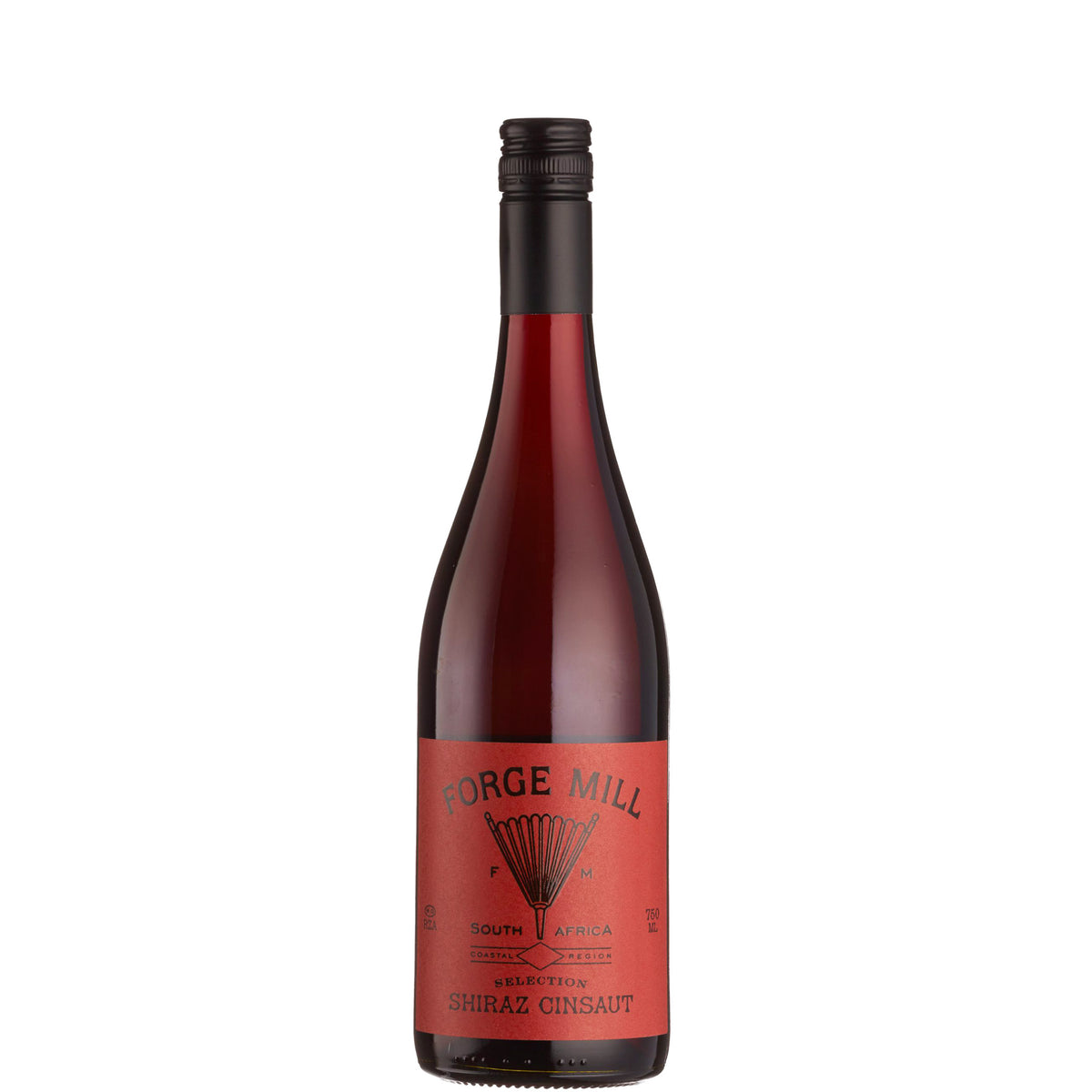
Forge Mill, Shiraz Cinsault Mourvèdre, 2022
Forge Mill, Shiraz Cinsault Mourvèdre, 2022
- 75cl
- 13.5%
- Red Still
- Shiraz, Cinsault, Mourvèdre
Couldn't load pickup availability

Optimal drinking window: 2026 - 2028
Forge Mill is a reliably crowd-pleasing label from South Africa's Western Cape, and this Shiraz, Cinsault and Mourvèdre blend is exactly what it sets out to be: unwooded, bright, and built for drinking, not deliberating over. The Rhône trio works particularly well in this climate — Shiraz gives the backbone and dark fruit, Cinsault keeps things light and fresh, and Mourvèdre adds a faint savouriness that stops it from being one-dimensional.
The vineyards are dry-farmed, which tends to keep yields in check and flavours focused. The result is a juicy, fruit-driven red that drinks well from the moment you open it. No need to decant, no need to wait. Pop it, pour it, and enjoy it now while that fruit is singing — ideally alongside something from the braai.
This is not a wine to cellar. At its best right now in 2026, the fruit is vivid and the tannins are at their softest and most appealing. By 2027 it will still drink well, but there's no secondary complexity waiting to emerge — what you have is what you get, and what you get is very enjoyable.
Tasting Notes
AppearanceBright, medium ruby with a lively, youthful rim.
NoseFresh dark cherry, red plum, and a gentle waft of black pepper from the Shiraz. Cinsault lifts it with a floral, almost strawberry edge that keeps the whole thing feeling vibrant rather than heavy.
PalateJuicy and medium-bodied, with soft tannins that make it instantly easy to drink. The fruit is generous — bramble, dark cherry, a little mulberry — and the Mourvèdre contributes a faint meaty, earthy quality that gives it just enough character to hold your attention.
FinishClean and smooth, with a gentle spice that fades pleasantly without lingering too long.
Overall impressionA no-fuss, genuinely enjoyable everyday red that delivers exactly what it promises.
Food Pairings
In the Western Cape, this kind of wine was made for the braai — South Africa's deeply social outdoor grilling culture. Think boerewors coiled over coals, lamb chops rubbed with coriander and cumin, or a slow-cooked sosatie skewer of marinated pork and dried apricot. It also sits happily alongside a Cape Malay curry, where the fruit in the wine plays off the warm spicing without being overwhelmed. Simpler occasions call for a good burger or a plate of cured meats — nothing fancy, just honest food and good company.
We think this wine would go well with
Serve cool, around 14-16°C — this is an unwooded, fruit-led red that benefits from a slight chill rather than full room temperature. No decanting needed; it's ready the moment it's poured. A standard Bordeaux-style glass works perfectly well, though a slightly wider bowl will let the fruit open up a little more if you want to get the best from it.
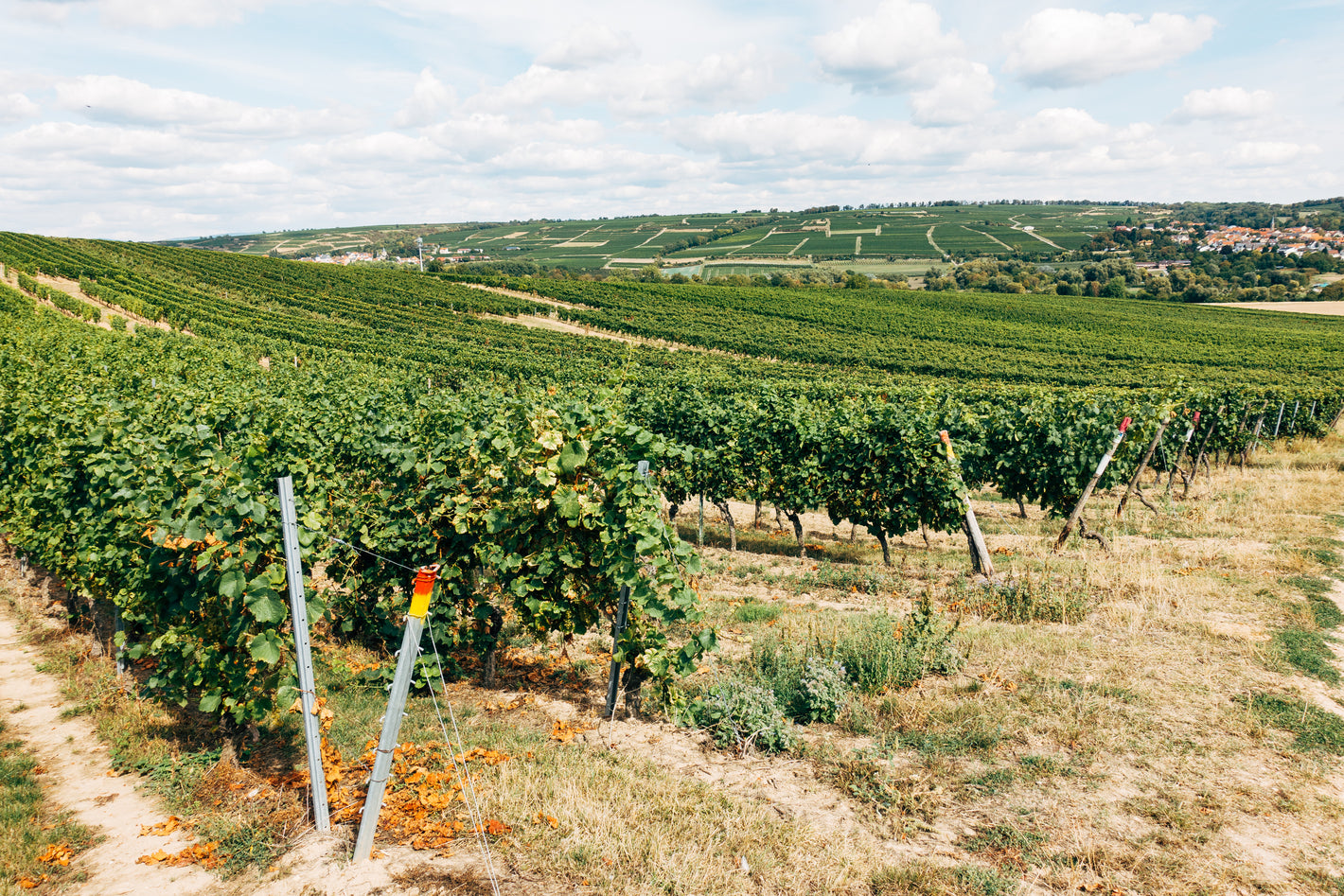
The Western Cape is a broad appellation drawing on vineyards across multiple sub-regions, from the coastal influence of Stellenbosch and Walker Bay to the hot, dry interior of the Swartland and Robertson. Dry farming is practised here, meaning no irrigation — vines push their roots deep in search of moisture, which generally results in lower yields and more concentrated fruit. The combination of warm days, cool nights, and well-drained soils suits Rhône varieties particularly well.
The Western Cape Wine of Origin designation covers a vast swathe of South Africa's wine-producing heartland and is used when fruit is sourced from multiple sub-regions within the cape. It sits above more specific appellations like Stellenbosch, Franschhoek, or Swartland in terms of geographic breadth, and while it doesn't carry the prestige of those tighter designations, it gives producers the flexibility to blend across areas and chase quality fruit wherever it grows. For everyday drinking wines, it's a sensible and honest label.
The 2022 Western Cape vintage feels like a return to form after several years of curveballs. We saw a relatively calm growing season without the dramatic weather swings that have kept winemakers on their toes lately, though water remained tight in many areas. The harvest stretched longer than usual, giving producers the luxury of picking when they wanted rather than when circumstances forced their hand.
What emerged from the cellars shows remarkable freshness and balance across the board. The Chenin Blanc has that mineral backbone we adore, while the reds from Stellenbosch and Paarl show excellent colour and structure without the jammy richness that can overwhelm in hotter years. Pinotage lovers will find particular joy here—the variety seems to have hit its stride with wines that are both characterful and food-friendly. Most 2022s are drinking beautifully now, though the better Cabernet blends will reward patience until 2026 and beyond.
FAQs
What does this wine taste like?
Juicy and fruit-forward, with dark cherry, bramble, and a gentle peppery spice from the Shiraz. The Cinsault keeps it fresh and light, while the Mourvèdre adds a faint savoury edge. Soft tannins and a smooth finish make it very easy drinking.
When should I drink this wine?
Now. It's at its best in 2026 and will remain enjoyable until around 2028, but there's no benefit to waiting. The fruit is the point, and it won't improve with age.
What food should I pair it with?
It's a natural match for grilled meats — lamb, beef, or boerewors straight off the braai. It also works well with burgers, charcuterie, or a mildly spiced curry. Anything too rich or heavy may overpower it, so keep things relatively simple.
Should I decant this wine?
No need. It's unwooded and ready to pour straight from the bottle. If anything, give it a slight chill to around 14-16°C and enjoy it immediately.
Is this wine worth cellaring?
No. This is an everyday drinking wine built for pleasure now, not patience. Drink it over the next year or two while the fruit is still lively.
What makes this blend interesting?
The combination of Shiraz, Cinsault, and Mourvèdre is a classic Rhône-inspired trio that South Africa does particularly well. Each variety plays a role: Shiraz provides body and dark fruit, Cinsault adds freshness and a floral lift, and Mourvèdre brings a savoury depth that keeps the wine from being one-note. The dry-farmed vineyards help concentrate those flavours without irrigation propping things up.

Explore related wines


What are you looking for tonight? Tell me the occasion, a grape, a region — or just try a suggestion below.
Your recommendations will appear here.
-
-
Speak to one of our Wine Gurus
Speak to a Wine GuruWith years of experience, our team can help you with all your wine buying and selling needs