

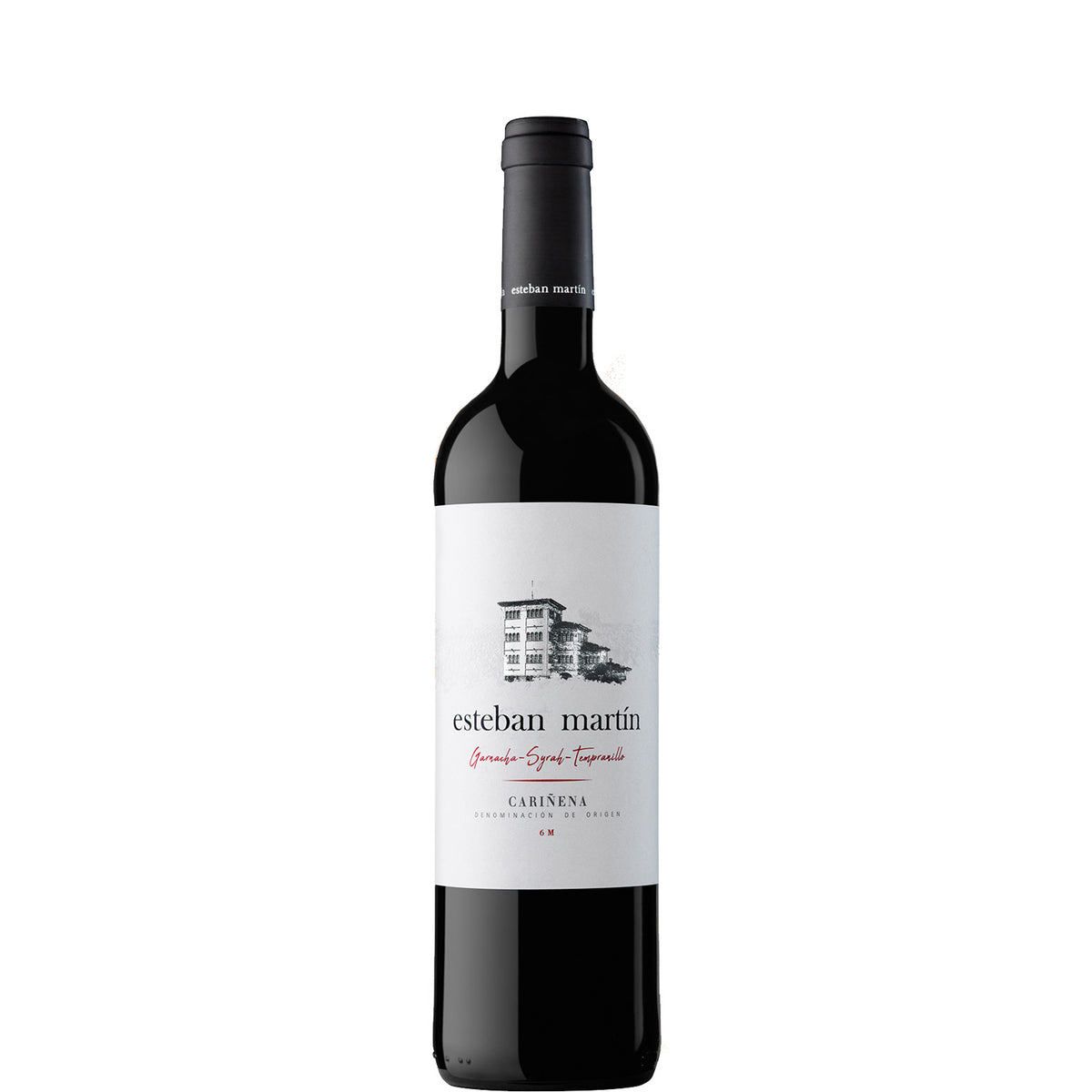
Esteban Martín, Oak 6, 2020
Esteban Martín, Oak 6, 2020
- 75cl
- 14.5%
- Red Still
- Garnacha, Tempranillo
Couldn't load pickup availability

Optimal drinking window: Now - 2030
Esteban Martín is one of the names quietly doing excellent work in Cariñena, in the heart of Aragón — a region better known for sturdy, sun-baked reds than for the kind of polished, oak-aged wines this producer has made his calling card. The Oak 6 spends, as the name suggests, six months in barrel, and the 2020 vintage carries that ageing with confidence: dark fruit at the centre, a warm vanilla and toasted wood frame around it, and enough structure to keep things interesting without tipping into heaviness.
This is a genuinely satisfying bottle from a producer who understands that Garnacha, in the right hands, can be both generous and serious.
The 2020 is already in a very comfortable drinking window — the six months in oak has done its work and the fruit and wood are well-aligned. Over the next two to three years the vanilla and spice notes will continue to knit into the dark fruit, adding a little more complexity on the nose. By around 2028 it should be at its most integrated, with any remaining oak edge smoothed away and the fruit perhaps beginning to show some dried-fruit character.
Tasting Notes
AppearanceDeep ruby with a warm garnet hue and very little fading at the rim.
NoseRipe blackberry and dark plum lead, followed by vanilla pod and a lift of toasted wood that feels well-integrated rather than imposed. There is a subtle dried herb quality underneath that speaks to the high-altitude Aragón origin.
PalateFull-bodied and warm, with plush tannins that carry the oak ageing comfortably. The dark fruit from the nose follows through, accompanied by a gentle spice and a round, smooth mid-palate that makes this very easy to approach now.
FinishLong and gently spiced, with the vanilla and dark fruit fading slowly and cleanly.
Overall impressionA well-made, generous red that delivers real pleasure without demanding patience.
Food Pairings
In Aragón, this style of wine sits naturally alongside ternasco — the region's celebrated milk-fed lamb, typically roasted simply with garlic and herbs and served in the wood-fired style traditional to the area. Cured meats are ubiquitous on local tables, and the Oak 6 handles longaniza de Aragón, the local spiced sausage, with ease. Migas aragonesas, the hearty breadcrumb dish fried with chorizo and bacon, is another natural partner. For something more substantial, a slow-braised wild boar or a simple lamb chop grilled over vine cuttings would be the kind of local combination that makes this wine make complete sense.
We think this wine would go well with
Serve at around 16-17°C — cool enough to keep the fruit lively, warm enough to let the oak integrate. A 30-minute decant will open the wine up nicely and soften any residual wood edges, though it is perfectly approachable straight from the bottle with a few minutes in the glass. Use a standard Bordeaux-style glass with a generous bowl to let the dark fruit express itself fully.
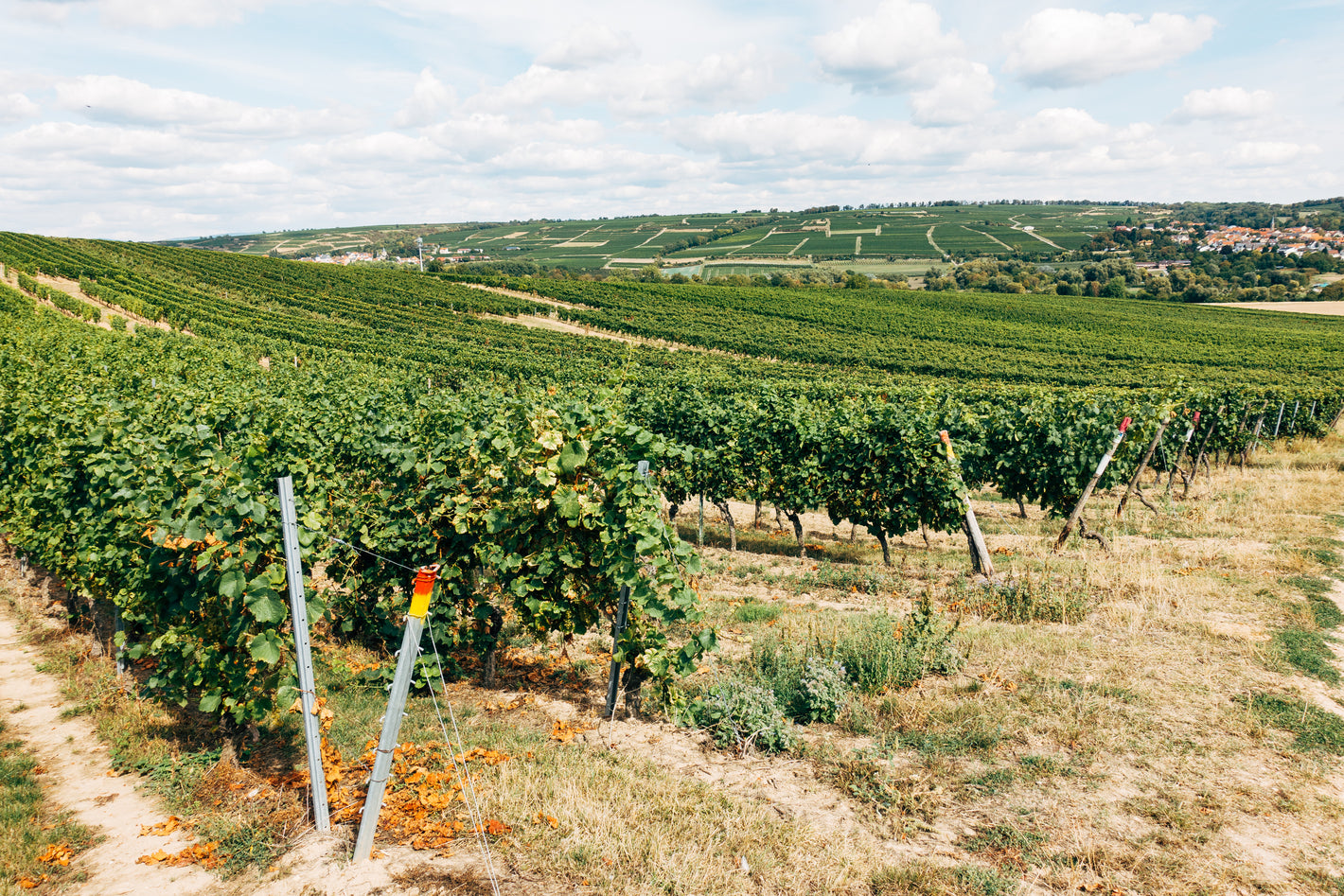
The Cariñena DO sits on a high plateau in central Aragón at between 400 and 700 metres altitude, where the significant day-to-night temperature swings during the growing season help preserve acidity and freshness in the grapes despite the intense summer heat. Soils are predominantly limestone and clay, with some sandy patches, and the Cierzo — a dry, cold northerly wind — plays an important role in keeping disease pressure low and concentrating flavours in the berries. These conditions suit Garnacha particularly well, allowing it to ripen fully while retaining the structure that makes oak ageing worthwhile.
Cariñena is one of Spain's oldest DOs, named after the town that also lent its name to the Carignan grape variety. The DO covers vineyards across nine municipalities in Aragón and permits a range of red, white, and rosé styles, though its reputation rests firmly on robust, fruit-driven reds built principally from Garnacha and Tempranillo. Minimum ageing requirements vary by category, with Crianza, Reserva, and Gran Reserva designations available. Compared to Rioja to the north, Cariñena wines tend to be broader and more full-bodied, with less emphasis on fine-grained tannin and more on sheer fruit presence.
Aragón in 2020 had the kind of growing season that keeps growers on their toes: a dry, warm year overall, with heat accumulation across the summer that pushed ripeness quickly and demanded careful canopy management, particularly in the lower-altitude vineyards of Cariñena and Campo de Borja. The saving grace was the diurnal range that the region's elevation and continental climate reliably provides, which helped preserve freshness and kept alcohol from running away entirely. Yields were modest, which concentrated what was there.
The wines that emerged tend to be ripe and structured, with Garnacha performing particularly well — showing the kind of generous, plush fruit that the variety delivers when heat is managed rather than simply endured. Carignan added grip and definition where it appeared. These aren't wines that need coaxing into life; most are drinking well now and will continue to do so until around 2026 to 2028 for the mid-tier bottles, with the more serious single-vineyard expressions happy to sit in the cellar a little longer.
FAQs
What does the Oak 6 taste like?
Rich and full-bodied, with dark plum, blackberry, vanilla, and toasted wood from six months in barrel. The tannins are smooth and the finish is long and gently spiced. It is a generous, warming red that is very easy to enjoy.
When should I drink this wine?
It is drinking well now and will continue to do so until around 2028 to 2030. There is no strong case for long cellaring — the pleasure is in the fruit and that is at its best in the near term.
What food should I pair it with?
Roast lamb is the classic match in Aragón, and it works brilliantly. Beyond that, think grilled meats, cured sausages, slow-braised beef, or even a well-seasoned hard cheese. The fruit and oak handle bold, savoury flavours with ease.
How should I serve it?
Around 16 to 17°C is the sweet spot. Decant it for 30 minutes if you can — it opens up and softens nicely. A standard large-bowled red wine glass will do the job perfectly.
Is the Oak 6 worth cellaring?
It will hold and even improve modestly until around 2028, but this is not a wine built for the long haul. Its appeal is in its approachable, fruit-forward character, and that is best enjoyed while it is still lively.
What grape varieties are used?
The wine is based on Garnacha and Tempranillo, the two dominant varieties of the Cariñena DO in Aragón. Garnacha provides the warm, generous fruit character while Tempranillo adds a little structure and spice.



What are you looking for tonight? Tell me the occasion, a grape, a region — or just try a suggestion below.
Your recommendations will appear here.

-
-
Speak to one of our Wine Gurus
Speak to a Wine GuruWith years of experience, our team can help you with all your wine buying and selling needs