

Esteban Martín, Oak 12, 2019
Esteban Martín, Oak 12, 2019
- 75cl
- 14.5%
- Red Still
- Grenache, Cabernet Sauvignon
- Vegetarian
- Vegan
Couldn't load pickup availability

Optimal drinking window: 2026 - 2028
Esteban Martín Oak 12 is a smooth, fruit-forward red with a bit of extra depth from oak ageing. It shows ripe blackberry and plum alongside notes of vanilla, sweet spice and a touch of toast. The palate is rounded and medium-bodied, with soft tannins and a warm, easy finish.
It’s a great match for grilled meats, barbecue, or slow-cooked dishes like beef stew. It also works well with hard cheeses, where the wine’s ripe fruit and gentle oak complement the savoury flavours nicely.
'Oak 12' refers to the wine being aged for around 12 months in oak barrels, which adds those subtle spice and vanilla notes while helping to soften and round out the structure.
This 2019 is drinking at its peak now, with the oak nicely integrated and the fruit still vibrant and primary. Over the next couple of years, the vanilla notes will continue to meld with the blackberry and plum flavours, creating even more harmony. By 2028, the wine will start to show some secondary development, with the primary fruit beginning to fade slightly. This isn't a wine built for long cellaring, so we'd recommend enjoying it within the next three years while the fruit remains generous and the oak stays balanced.
Tasting Notes
AppearanceDeep ruby red with purple highlights, showing good intensity.
NoseRipe blackberry and plum dominate, with vanilla and sweet baking spices from the oak. There's a touch of toast and a hint of Mediterranean herbs underneath. The fruit feels generous and inviting.
PalateMedium-bodied with soft, rounded tannins that coat the mouth pleasantly. The blackberry fruit carries through with added weight and texture from the oak ageing. Sweet spice builds towards the back palate, balanced by fresh acidity.
FinishWarm and satisfying, with the oak spices lingering alongside the dark fruit.
Overall impressionA well-crafted Spanish red that delivers both immediate pleasure and enough structure to reward short-term cellaring.
Food Pairings
In Aragón, this would be the natural partner for cordero asado, slow-roasted lamb with rosemary and garlic that's a regional speciality. The local chorizo de Cantimpalos, with its smoky paprika, matches beautifully with the wine's oak-spiced character. Migas aragonesas, the hearty fried breadcrumb dish often served with chorizo and peppers, creates a perfect rustic pairing. During winter, locals would reach for this style of wine alongside cocido aragonés, the region's chickpea and meat stew that needs a wine with both fruit and structure.
We think this wine would go well with
Serve at 16-17°C, slightly cooler than room temperature to keep the fruit fresh and the alcohol from dominating. No need to decant as the tannins are already soft and integrated. A standard red wine glass will work perfectly, allowing the vanilla oak aromatics to develop while concentrating the fruit character.
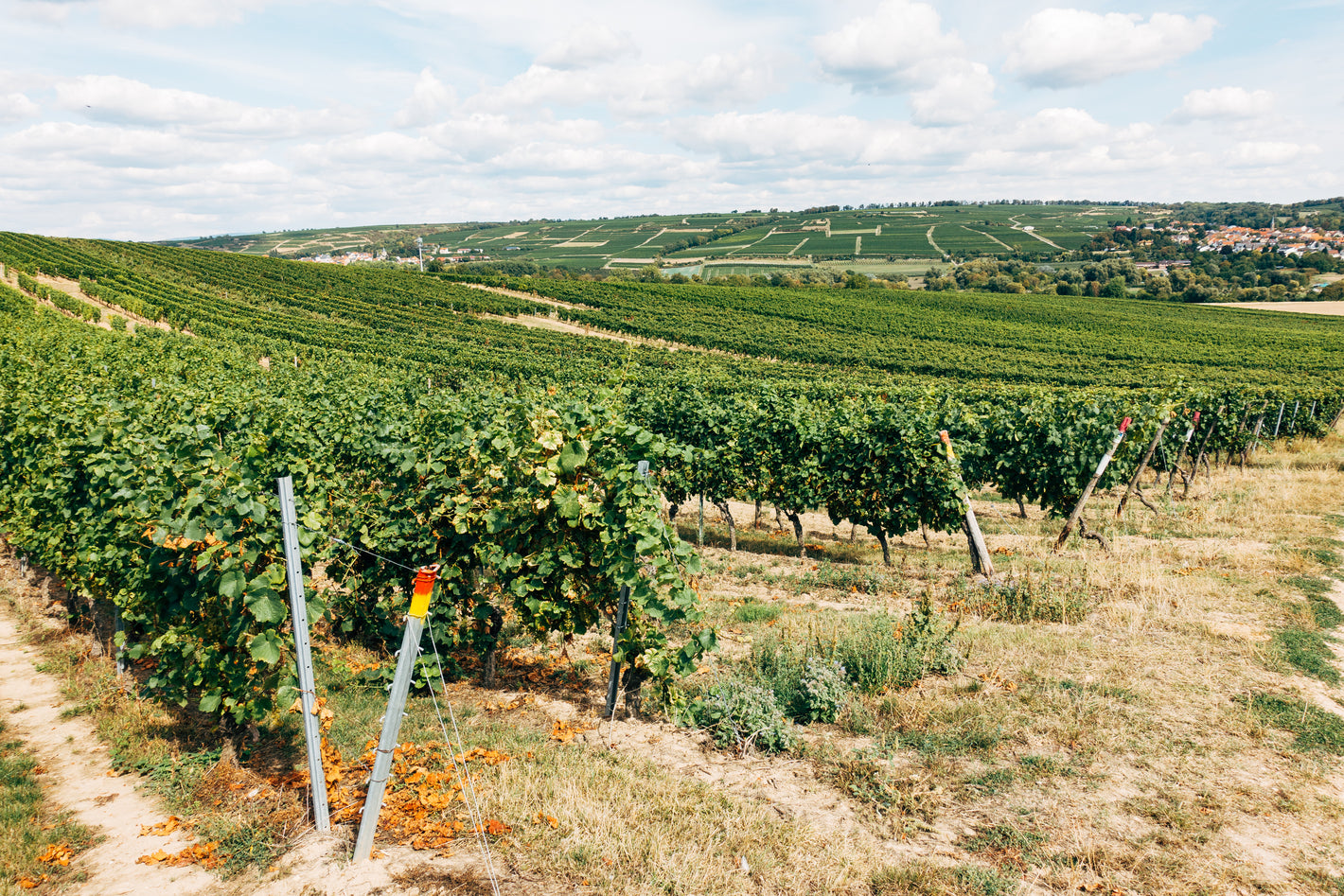
The vineyards sit at altitude in Aragón's Campo de Borja, where continental climate brings hot days and cool nights that preserve acidity while concentrating flavours. The soils are predominantly clay-limestone, providing good water retention during the dry summers. This combination of elevation, climate, and soil creates wines with both ripeness and freshness, allowing the fruit to develop complexity while maintaining balance.
Campo de Borja DO lies in Aragón, historically known for powerful Garnacha but increasingly respected for elegant blends. The appellation benefits from altitude and the moderating influence of the Moncayo mountains, creating wines with more finesse than many Spanish regions at similar latitudes. While Garnacha remains king here, producers like Esteban Martín are showing how Tempranillo-based blends can capture the region's warmth while maintaining drinkability.
The 2019 growing season in Aragón delivered exactly what the region's hearty varietals needed: a properly hot summer that stressed the vines just enough without frying them entirely. Spring arrived with decent rainfall to fill the soil reserves, then stepped aside for a long, dry stretch that forced roots deep and concentrated flavours. The harvest ran later than some recent years, giving grapes time to develop the kind of phenolic ripeness that separates decent Garnacha from the stuff that makes you sit up and pay attention.
What emerged from the cellars shows Aragón at its most compelling: Garnacha with real substance and spice, Tempranillo that's structured without being severe, and Cariñena that actually tastes like something other than tannin soup. The wines carry more flesh than the lean 2017s but avoid the sometimes jammy exuberance of 2018. Most are drinking beautifully now, offering that sweet spot where primary fruit meets the first whispers of development, though the best examples from higher altitude sites will reward patience until 2027 or beyond.
FAQs
What does this wine taste like?
Ripe and rounded, with blackberry and plum fruit enhanced by vanilla and spice from oak ageing. The tannins are soft and approachable.
When should I drink this wine?
It's drinking beautifully now and will continue to improve for the next 2-3 years before starting to fade.
What food pairs well with this wine?
Grilled meats, barbecue, beef stew, and hard cheeses all work brilliantly. The oak and fruit can handle rich, flavourful dishes.
Do I need to decant this wine?
No need to decant as the tannins are already soft. Just serve at 16-17°C in regular red wine glasses.
What does Oak 12 mean?
The wine was aged for approximately 12 months in oak barrels, which adds the vanilla and spice flavours while softening the structure.
Is this wine worth cellaring?
This is made for drinking rather than cellaring. Enjoy it within the next few years while the fruit remains vibrant.


OUR GROWERS
Esteban Martín


What are you looking for tonight? Tell me the occasion, a grape, a region — or just try a suggestion below.
Your recommendations will appear here.
-
-
Speak to one of our Wine Gurus
Speak to a Wine GuruWith years of experience, our team can help you with all your wine buying and selling needs