

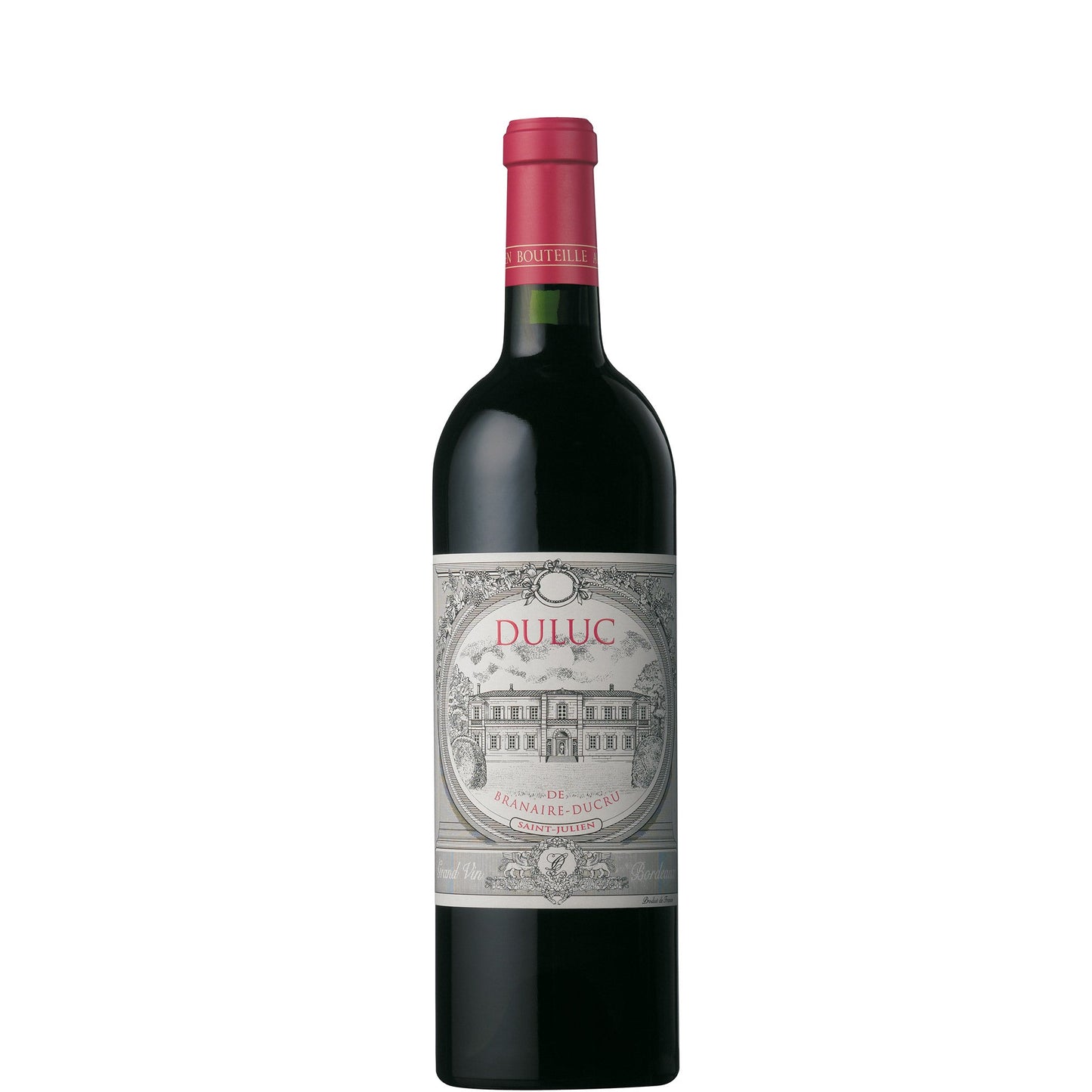
Duluc de Branaire-Ducru, 2018
Duluc de Branaire-Ducru, 2018
- 75cl
- 14%
- Red Still
- Cabernet Sauvignon, Cabernet Franc, Merlot, Petit Verdot
Couldn't load pickup availability

Optimal drinking window: Now - 2031
About Duluc de Branaire-Ducru, 2018
Duluc de Branaire-Ducru 2018 is the second wine of Château Branaire-Ducru, A cornerstone of Saint-Julien that crafts wines of depth and complexity.
It is enjoyable in its youth, offering a well-rounded and accessible expression of Saint-Julien. However, it will continue to develop and integrate over the next several years. Medium to full-bodied with a well-structured profile, the Duluc is ideal together with grilled beef tenderloin, rack of lamb, or aged Cheddar and Gruyère cheese.
Currently in its primary phase, the 2018 shows vibrant blackcurrant fruit with tannins that are approachable but still developing. Over the next 2-3 years, we expect the fruit to integrate further with the oak and tannins, creating more seamless harmony. Secondary complexity should emerge around 2029-2030, with leather, tobacco, and earthy notes joining the fruit. The wine will likely reach its peak in the early 2030s, when tertiary development will bring forest floor and gamey characteristics.
What the critics say:
"Gentle blackcurrant perfume on the nose, sweet and soft with a touch of medicinal herbs. Juicy and supple with lots of freshness and a nice bouncy palate but also density in the tannins which are slightly robust still. Excellent structure though, mouthfilling and so approachable with expansive and well defined black and bramble fruit alongside a depth of minty spice, liquorice, anise and clove. Very good typicity, easy to drink and enjoy, still on the youthful side."
Tasting Notes
AppearanceDeep ruby with hints of purple at the rim.
NoseGentle blackcurrant perfume leads, sweet and inviting with touches of medicinal herbs. There's a lift of minty freshness alongside deeper liquorice and anise aromatics. The nose shows youthful fruit but hints at the complexity developing beneath.
PalateJuicy and supple entry with excellent freshness and a bouncy, engaging texture. The tannins show density and slight robustness but remain approachable, providing structure without overwhelming the fruit. Expansive black and bramble fruit dominates, supported by minty spice, liquorice, and warming clove.
FinishWell-defined fruit carries through with lingering spice and a touch of graphite minerality.
Overall impressionA second wine that punches above its weight, showing excellent Saint-Julien character in an approachable package.
Food Pairings
In Saint-Julien, this would accompany the classic agneau de Pauillac, slow-roasted leg of lamb with garlic and herbs from the Médoc's salt marshes. Local bistros pair similar wines with entrecôte à la bordelaise, ribeye steaks cooked with shallots and red wine reduction. The wine's structure also complements confit de canard, duck leg preserved in its own fat and served with roasted potatoes. For cheese, the locals favour aged Roquefort or a well-matured Cantal, both of which echo the wine's combination of power and elegance.
We think this wine would go well with
Serve at 16-18°C to allow the fruit to shine whilst maintaining structure. Decanting for 45 minutes will help integrate the still-robust tannins and open up the aromatics. Use large Bordeaux glasses to concentrate the bouquet and provide room for the wine to breathe. If drinking young, consider opening an hour before serving to allow the wine to show its best.
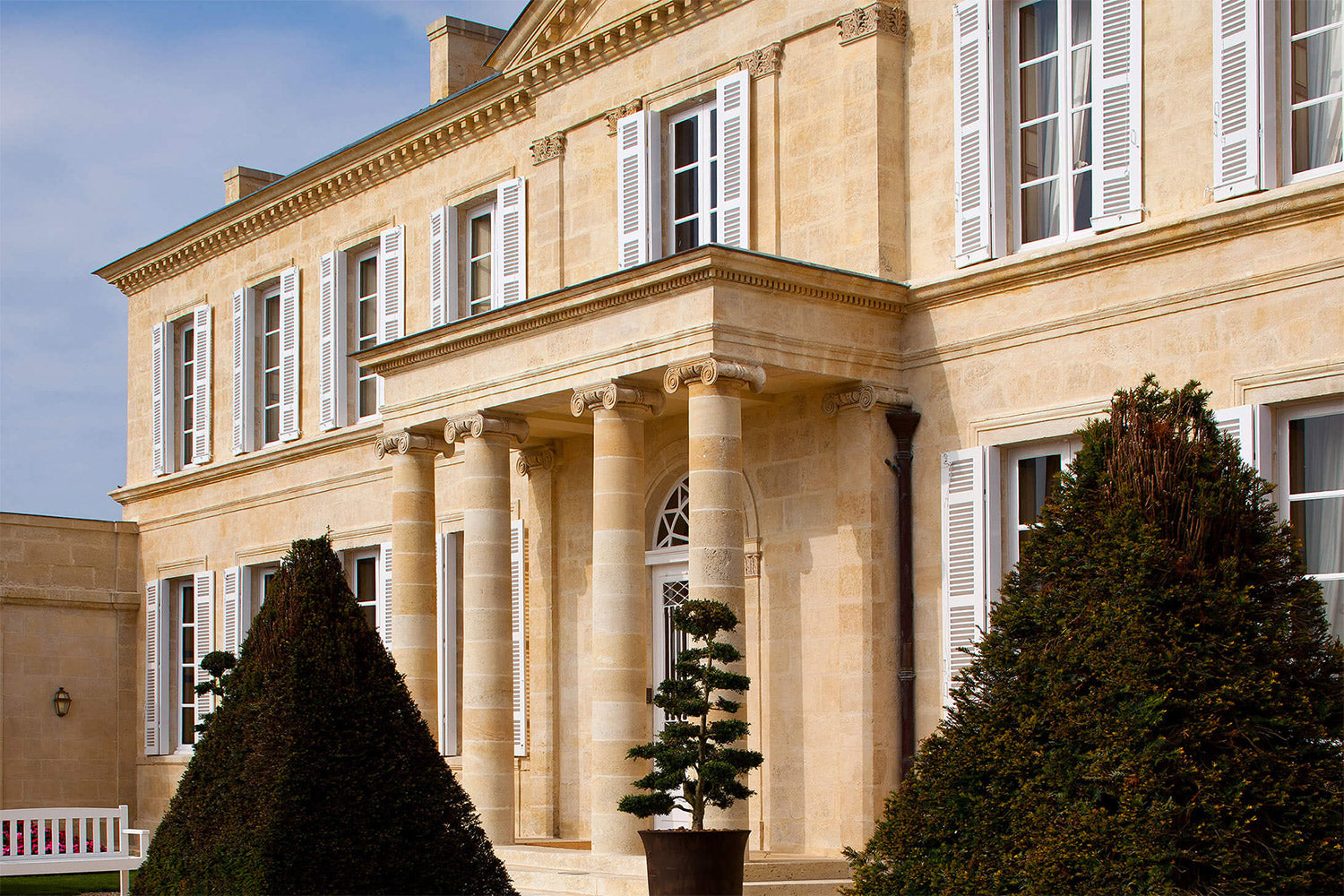
The 60-hectare vineyard sits on classic Left Bank terroir: deep gravel beds over clay subsoil that provide excellent drainage whilst retaining enough moisture for the vines. The proximity to the Gironde estuary moderates temperatures, extending the growing season and allowing for gradual ripening. This combination of warm, well-drained gravel and the maritime influence creates wines with both power and finesse, typical of Saint-Julien's distinctive character.
Saint-Julien is the smallest of the Médoc's great communes, but many consider it the most consistent. The appellation's gravelly soils produce wines that split the difference between Pauillac's power and Margaux's elegance. Unlike its neighbours, Saint-Julien has no Fifth Growth châteaux, testament to the consistently high quality across the commune. The maritime influence from the Gironde creates a more temperate climate than inland Bordeaux, resulting in wines with natural balance and grace.
The 2018 growing season in Bordeaux delivered exactly what vignerons pray for: a long, warm summer that ripened both Cabernet Sauvignon and Merlot to perfection without the punishing heat that can shut down the vines. After a wet spring that had everyone fretting about mildew, the weather gods smiled with consistent sunshine and just enough rain to keep the vines happy. The harvest stretched into October under glorious conditions, allowing producers to pick each parcel at optimal ripeness rather than racing against the clock.
What emerged from the cellars shows Bordeaux at its most seductive: wines with immediate charm that don't sacrifice depth or aging potential. The Left Bank Cabernets have that lovely cassis purity we adore, while Right Bank Merlots are plush and welcoming without being flabby. These aren't the austere, intellectual wines that demand decades of patience, but rather bottles that reward both early drinking and cellaring. Most are singing beautifully now, though the best will happily evolve until 2035 and beyond.
FAQs
What does this wine taste like?
Supple and juicy with blackcurrant and bramble fruit, minty spice, and liquorice depth. The tannins provide structure but remain approachable.
When should I drink this wine?
It's drinking beautifully now, with peak drinking likely in the early 2030s.
What food pairs well with this wine?
Grilled beef tenderloin, rack of lamb, or aged hard cheeses like Gruyère. The wine's structure can handle rich, savoury dishes.
Should I decant this wine?
Yes, decanting for 45 minutes will help soften the tannins and open up the aromatics, especially if drinking it young.
How does this compare to the grand vin?
Duluc offers the same Saint-Julien elegance as Branaire-Ducru but with more approachable tannins and earlier drinking pleasure.
Explore related wines


What are you looking for tonight? Tell me the occasion, a grape, a region — or just try a suggestion below.
Your recommendations will appear here.
-
-
Speak to one of our Wine Gurus
Speak to a Wine GuruWith years of experience, our team can help you with all your wine buying and selling needs