

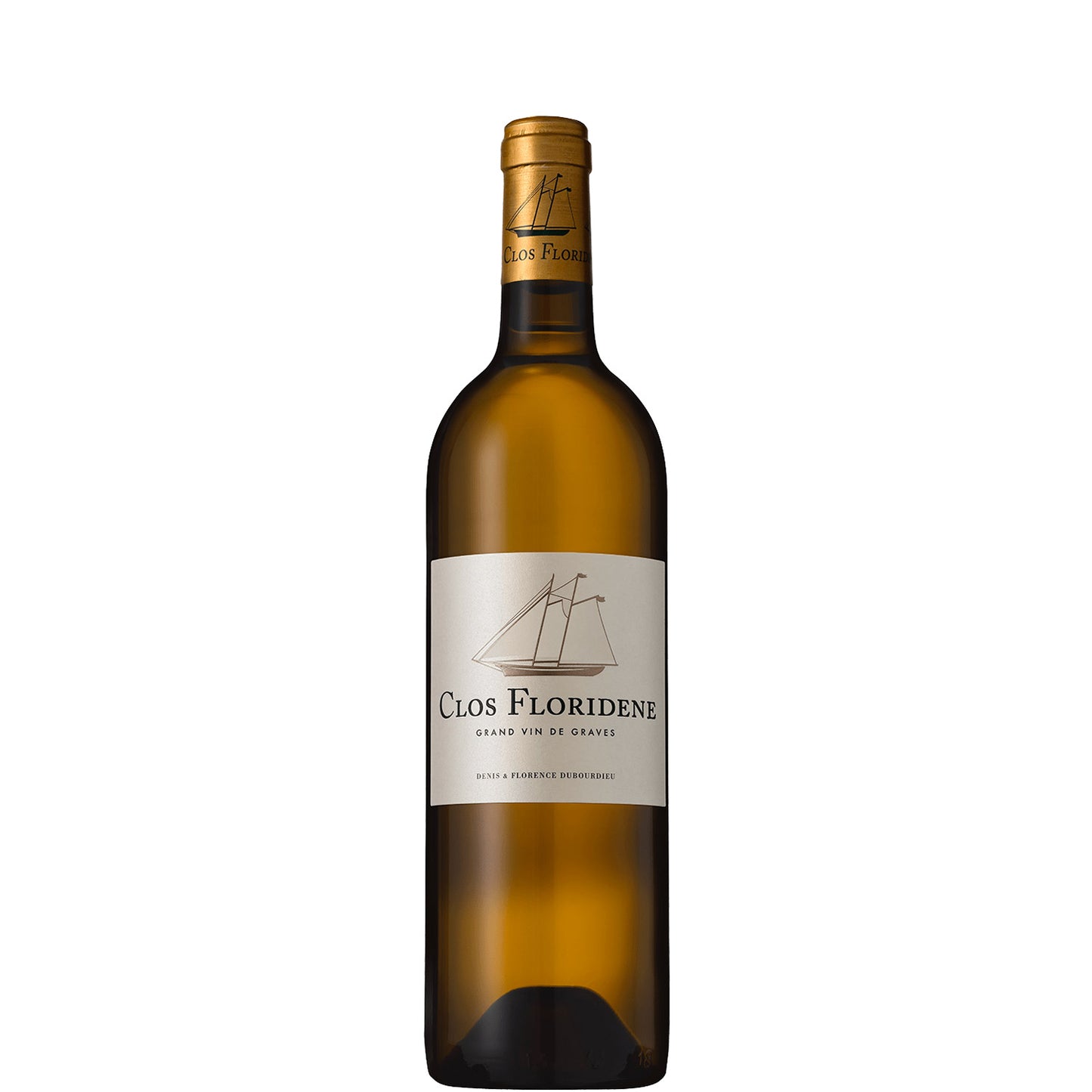
Dubourdieu, Clos Floridène Graves Blanc, 2020
Dubourdieu, Clos Floridène Graves Blanc, 2020
- 75cl
- 13.5%
- White Still
- Muscadelle, Sauvignon Blanc, Sémillon
Couldn't load pickup availability

Optimal drinking window: Now - 2032
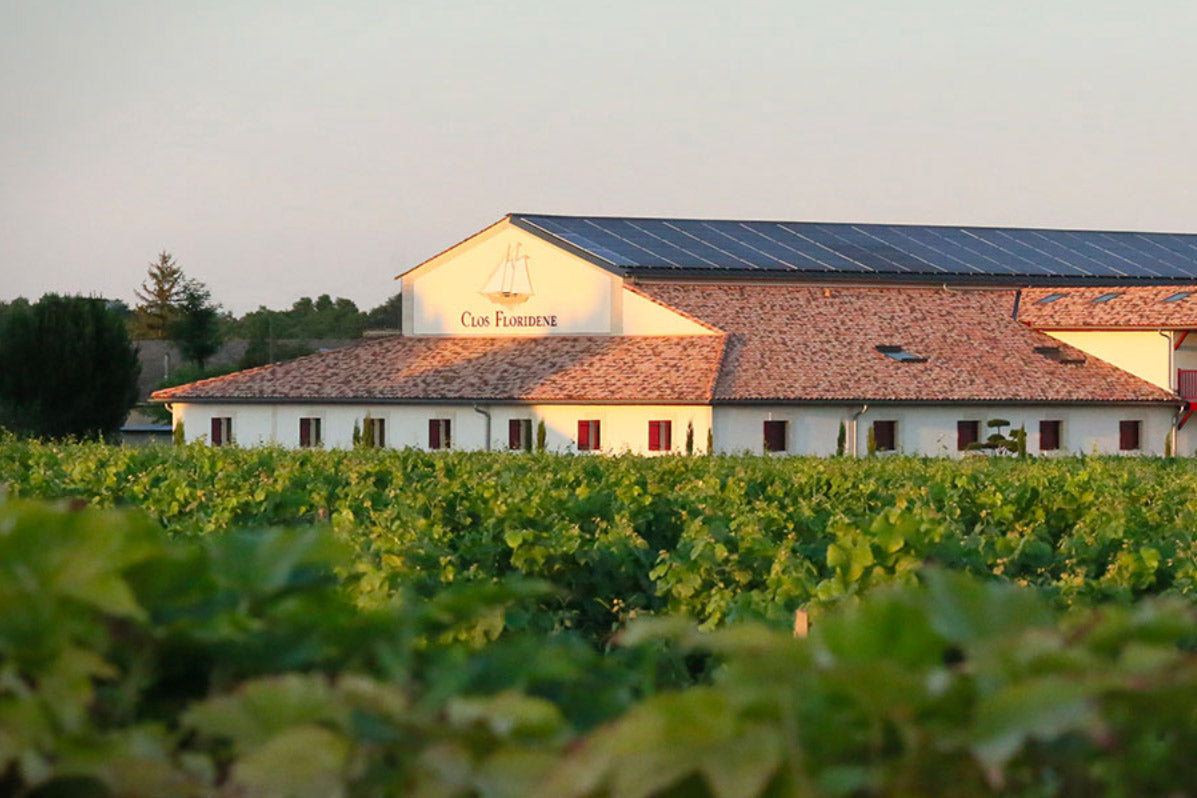
Clos Floridène vineyard, in Pujols sur Ciron, located in the Graves region, has been slowly developed since 1982 by Denis and Florence Dubourdieu, thanks to the successive purchases of plots located in the best terroirs. The name of the estate is derived from the two founders' first names.
Clos Floridène Blanc has the particularities of white wines produced on great calcareous soils: green-gold colour, intense aroma with fruity notes of white peach, lemon, grapefruit, toasted and grilled nuances. Powerful and fresh flavours of fruit at its best, with the density and structure of a great white wine.
Currently showing its youthful fruit character with bright citrus and fresh stone fruit to the fore. Over the next 2-3 years, the wine will integrate further, with the barrel influence melding seamlessly and secondary honeyed character beginning to emerge. The mineral backbone will become more pronounced, and the texture will gain weight whilst maintaining freshness.
What the critics say:
"Light yellow-green, silver reflections. Fine yellow apple fruit, a hint of mango and meadow herbs, with some orange zest underneath. Medium-bodied, white apple, freshly structured, mineral-citric finish, lingers, shows much finesse."
"The 2020 Clos Floridène Blanc is exquisite. Bright, creamy and perfumed, Clos Floridène is a winner. Gentle hints of apricot, spice, chamomile, spice and lemon confit all grace this impeccably balanced white from the Dubourdieu family."
"This has aromas of lemongrass, grapefruit, cream and fresh pears. Fresh and balanced with a light to medium body and zesty finish. Sauvignon blanc, semillon and muscadelle. Delicious now."
Tasting Notes
AppearancePale gold with green highlights and brilliant clarity.
NoseFresh grapefruit and lemon zest lead, followed by white peach and a hint of tropical mango. There's a subtle herbal quality from the Sauvignon Blanc, whilst gentle toasted nuances from barrel fermentation add complexity without overwhelming the fruit.
PalateMedium-bodied with excellent balance between richness and freshness. White apple and citrus dominate, supported by a creamy texture from lees contact. The mineral backbone provides structure and length, whilst the acidity keeps everything precise and focused.
FinishClean and mineral with lingering citrus zest and a subtle saline quality that speaks of the limestone soils.
Overall impressionA textbook example of modern Graves blanc that balances richness with elegance and shows genuine terroir character.
Food Pairings
In the Graves region, this style of white wine would traditionally accompany the local seafood from the nearby Atlantic coast. Think simply grilled sole or turbot with beurre blanc, fresh oysters from Arcachon Bay, or the region's famous lamprey eel preparations. The wine's mineral precision also pairs beautifully with local goat's cheese from the countryside around Sauternes, whilst its richness can handle more substantial dishes like chicken with tarragon or veal with cream sauce.
We think this wine would go well with
Serve well-chilled at 8-10°C in a medium-sized white wine glass that allows the aromatics to concentrate. No decanting required, but do allow the wine to warm slightly in the glass to reveal its full complexity. Open just before serving to preserve the fresh citrus character, though the wine will hold well for several hours once opened.
The vineyards sit on the classic Graves terroir of gravel over limestone subsoil, with the calcareous bedrock providing the mineral backbone that defines great Graves blanc. The well-draining gravel allows the vines to dig deep, whilst the limestone adds precision and tension to the wines. This combination of soils, along with the temperate maritime climate, creates ideal conditions for producing white wines with both richness and elegance.
Graves was Bordeaux's first recognised wine region, taking its name from the gravelly soils that define the terroir. Whilst red wines dominate production, the white wines from limestone-rich sites like Clos Floridène represent some of Bordeaux's finest expressions of Sauvignon Blanc and Sémillon. The appellation permits both varietal wines and blends, with the best producers like Dubourdieu showing how careful blending can create more complexity than any single variety alone.
The 2020 Bordeaux vintage began with one of the wettest winters on record, followed by a scorching summer that nearly broke temperature records across the region. What could have been a disaster became salvation: those deep winter water reserves carried the vines through the heat, while the dry conditions from July onwards concentrated flavours beautifully. The harvest started early and moved quickly, with most châteaux picking under ideal September skies.
We find 2020 Bordeaux surprisingly charming for such a hot year - the wines show ripe, generous fruit without the baked character you might expect. The Merlot-based Right Bank wines are particularly successful, displaying plush damson and blackberry flavours with enough freshness to keep them lively. Cabernet Sauvignon on the Left Bank delivers power and concentration, though some properties struggled more than others with the heat. Most 2020s are drinking beautifully now - this isn't a vintage that demands decades of patience, and we rather like that about it.
FAQs
What does this wine taste like?
Fresh and mineral-driven with bright citrus, white peach, and grapefruit flavours, plus a creamy texture from partial barrel fermentation.
When should I drink this wine?
Delicious now and will continue to develop complexity over the next 6 years, reaching peak drinking between 2027-2030.
What food pairs well with this wine?
Perfect with seafood, especially grilled fish, shellfish, or oysters. Also excellent with goat's cheese, chicken dishes, or light pasta with cream sauce.
How should I serve this wine?
Serve well-chilled at 8-10°C in a medium white wine glass. No need to decant, just open and pour.
Is this wine worth cellaring?
Yes, but this is more about evolution than improvement. The wine will gain complexity over 3-4 years but is designed for medium-term drinking rather than long-term cellaring.
What makes Graves white wine special?
The combination of gravel soils over limestone gives Graves whites their distinctive mineral character, whilst skilled blending of Sauvignon Blanc and Sémillon creates complexity you rarely find in single varietals.
Explore related wines


What are you looking for tonight? Tell me the occasion, a grape, a region — or just try a suggestion below.
Your recommendations will appear here.
-
-
Speak to one of our Wine Gurus
Speak to a Wine GuruWith years of experience, our team can help you with all your wine buying and selling needs