


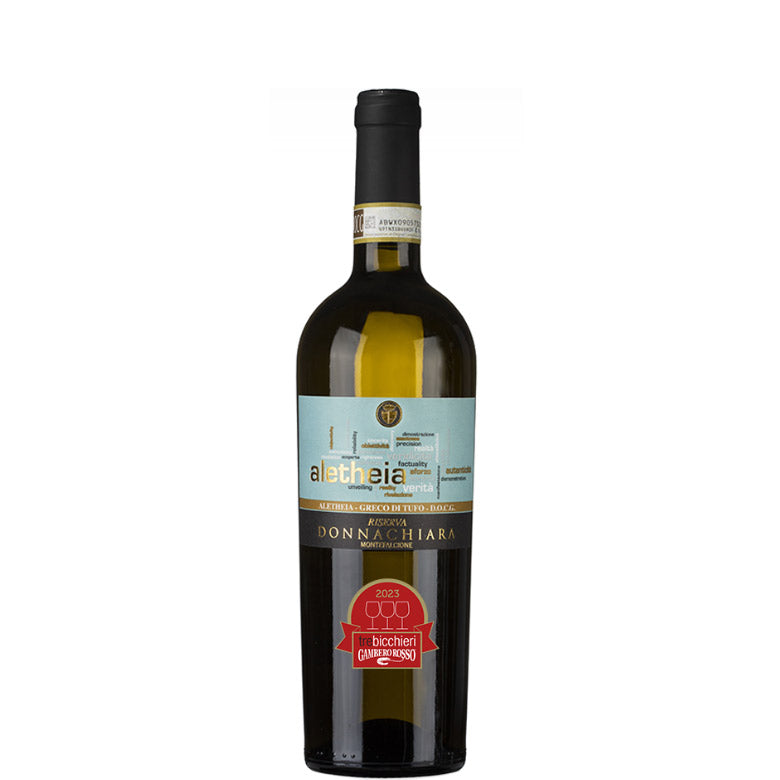
Donnachiara, Aletheia Greco di Tufo Riserva DOCG, 2021
Donnachiara, Aletheia Greco di Tufo Riserva DOCG, 2021
- 75cl
- 13%
- White Still
- Greco
Couldn't load pickup availability

Optimal drinking window: Now - 2027
Donnachiara produces Irpinia’s three DOCG wines, i.e. Fiano di Avellino, Taurasi and Greco di Tufo, as well as the traditional Aglianico and Falanghina wines.
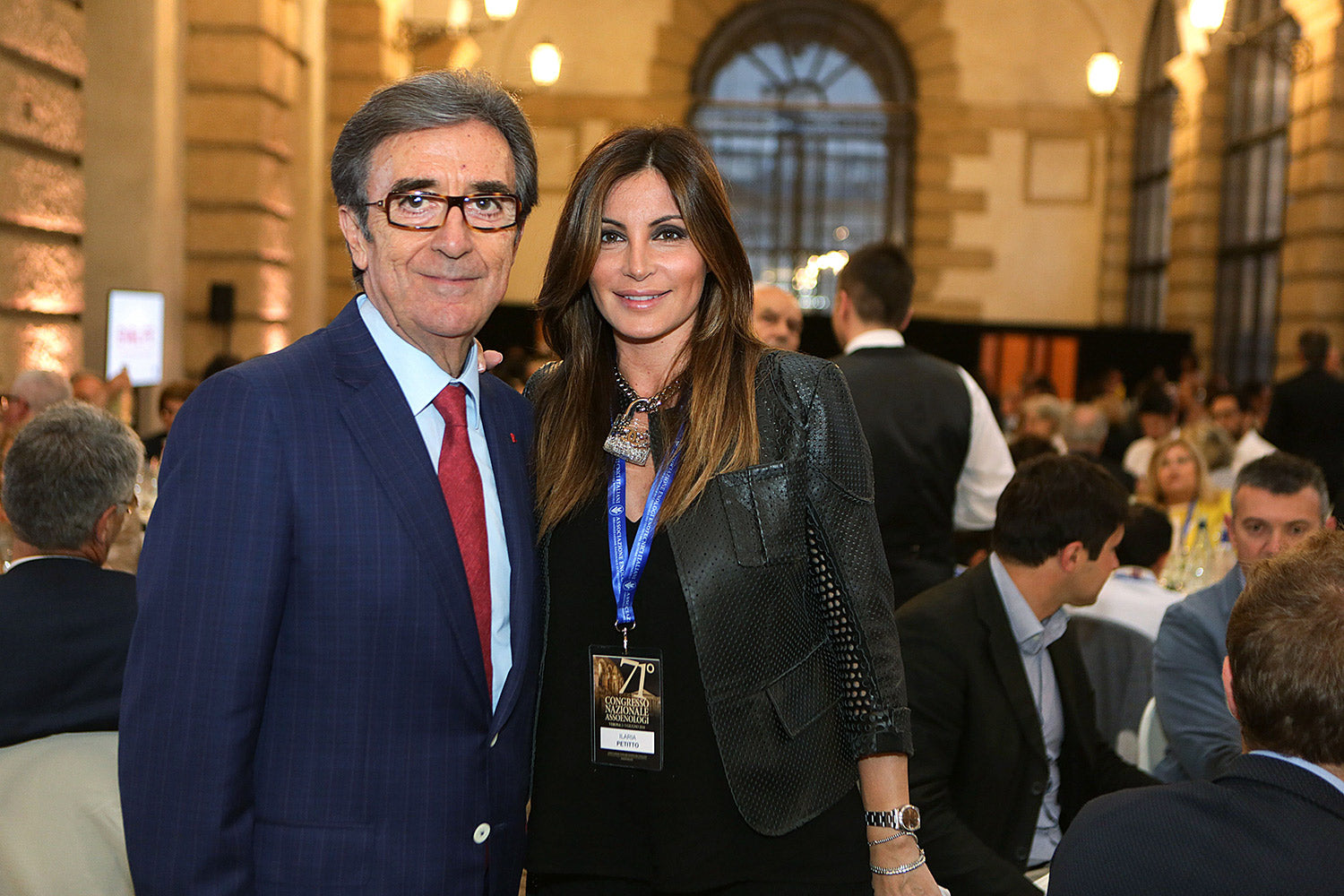
The estate is located in the province of Avellino, a stone’s throw away from Montefalcione, a town that was already powerful under the Etruscans and has a scythe (symbol of farm work) in the municipal coat of arms. Born in 2005, this modern winery boasts vineyards with ancient properties and almost all female management, including CEO Ilaria Petitto, who decided to dedicate herself to grape development. Ilaria is supported by her mother Chiara, the niece of Donna Chiara Mazzarelli Petitto, for whom this company is dedicated.
Currently showing its primary mineral and citrus character beautifully, with the honeyed complexity just beginning to emerge. Over the next two years, expect the ginger spice notes to become more pronounced whilst the citrus crunch softens into something more integrated. The wine should reach its peak around 2026, when the volcanic minerality will be perfectly balanced with secondary complexity. After 2027, the precision may begin to soften.
What the critics say:
"Wet stones, lemons, limes, mangosteens and apricot stones on the nose. Bright and focused with a medium body and tangy acidity. Pretty mineral and citrus crunchiness. Drink now."
"The 2021 Greco di Tufo Riserva Aletheia captivates with a honeyed blend of lime zest, ground ginger and crushed green apples. This is savory and intense, with a burst of zesty citrus and stimulating acidity that builds tension throughout. It finishes potent and staining, leaving a primary concentration and sweet spice to balance."
Tasting Notes
AppearancePale gold with brilliant clarity and a hint of green at the rim.
NoseHoneyed lime zest leads, followed by wet limestone and crushed green apples. There's a saline minerality underneath, like sea air over warm stone. Ground ginger and apricot stones add complexity without heaviness.
PalateBright and focused with electric acidity that builds from the first sip. The citrus crunchiness is balanced by subtle honeyed weight, while volcanic minerality runs through the core. Intensity builds rather than fades, creating genuine tension.
FinishLong and staining with primary citrus concentration and sweet spice that lingers.
Overall impressionA Greco di Tufo that captures both the grape's mineral precision and honeyed depth.
Food Pairings
In Campania, this would be the natural partner to crudo di ricciola with lemon and olive oil, where the wine's minerality complements the sea's salinity. Locally, they'd serve it with spaghetti alle vongole veraci, the volcanic minerality echoing the brininess of the clams. The traditional pairing is with buffalo mozzarella di bufala from the plains below, where the wine's acidity cuts through the rich, creamy texture whilst its mineral backbone supports the cheese's subtle complexity. During truffle season, it works beautifully with pasta dressed simply in butter and white truffles from the Irpinian hills.
We think this wine would go well with
Serve well-chilled at 8-10°C to preserve the wine's natural tension and mineral precision. No decanting needed, but do allow it to warm slightly in the glass to reveal its textural complexity. Use a medium-sized white wine glass rather than a large bowl, as this style benefits from focus rather than aeration. Open just before serving, as the wine's primary intensity is part of its charm.
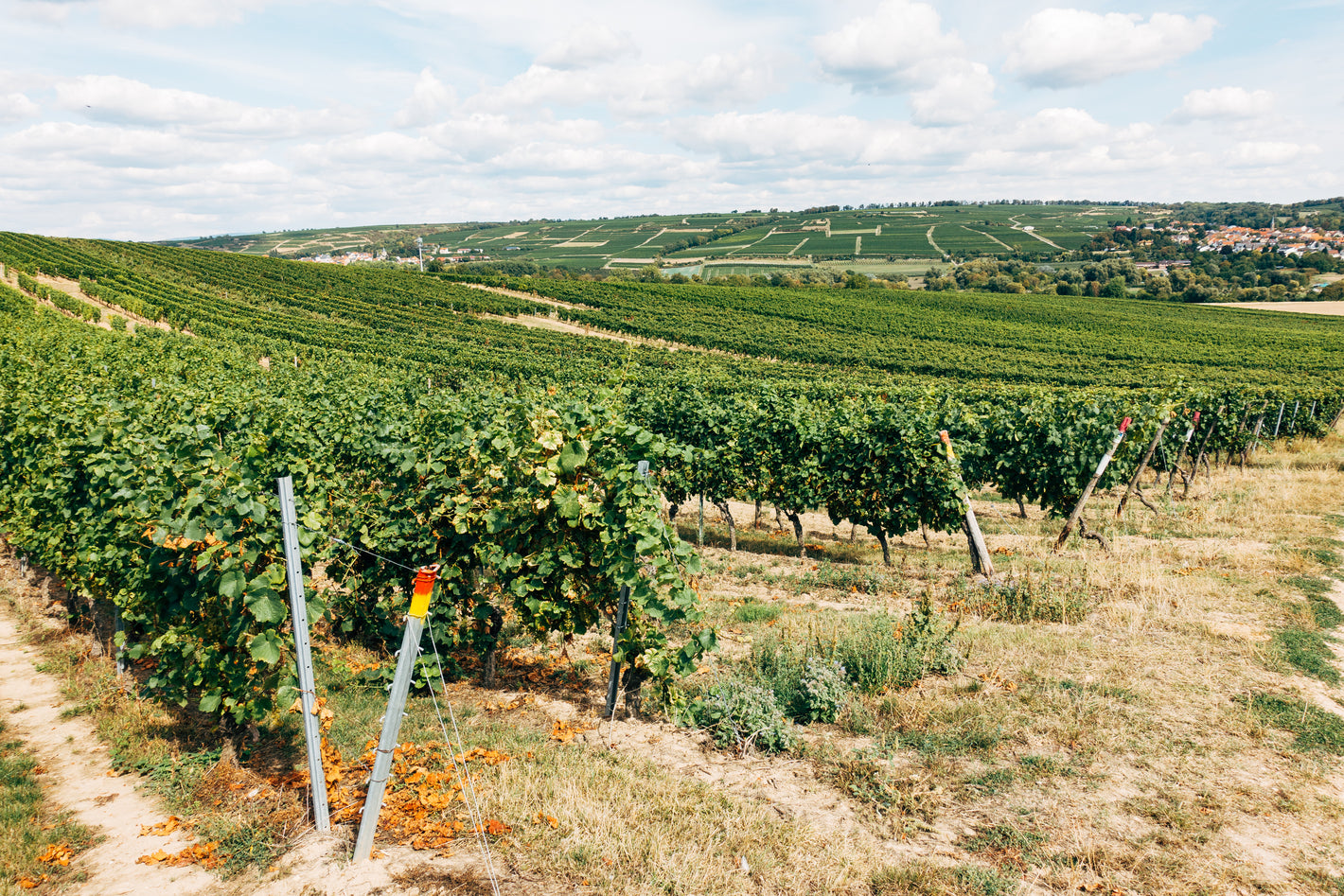
The vineyards sit in the hills around Montefalcione in Irpinia, where volcanic soils from ancient Vesuvian activity provide exceptional drainage and mineral complexity. The altitude and continental climate create significant diurnal temperature variation, preserving acidity whilst allowing full phenolic ripeness. These volcanic tuffs are particularly suited to Greco, allowing the variety's natural minerality to shine through whilst providing enough richness to support extended lees ageing.
Greco di Tufo DOCG covers specific hillside vineyards in Avellino province, where volcanic soils and altitude combine to produce Italy's most mineral-driven expression of the ancient Greco variety. The DOCG status, awarded in 2003, recognises this as one of Campania's three premier white wine zones alongside Fiano di Avellino. Riserva designation requires minimum 12 months ageing, allowing the wine's characteristic tension between citrus precision and honeyed complexity to fully integrate.
The 2021 vintage in Campania threw winemakers a proper curveball, starting with a cool, wet spring that delayed budbreak and kept everyone on edge about disease pressure. Summer brought the heat but in measured doses rather than the scorching extremes that sometimes batter the volcanic slopes around Vesuvius and the hills of Irpinia. The key was September — dry, sunny days with cool nights that let the grapes ripen slowly and hang longer than usual, particularly crucial for the late-ripening Aglianico that defines so much of Campania's reputation.
What emerged was a vintage of surprising freshness and precision, especially for the whites. Fiano showed brilliant acidity while retaining its characteristic richness, and Greco delivered that mineral backbone we love with more aromatic lift than usual. The reds tell an interesting story: Aglianico from both Taurasi and Vulture regions produced wines with structure and power, but wrapped in more approachable tannins than the region's reputation might suggest. Most 2021 Campanian wines are drinking beautifully now, though the serious Aglianico-based reds will reward patience until 2026 and beyond.
FAQs
What does this wine taste like?
Intensely mineral with wet stone character, bright citrus crunch, and zesty acidity that builds tension throughout. There's honeyed depth underneath with ginger spice complexity.
When should I drink this wine?
Beautiful now for its primary intensity, but will reward patience over the next 2-4 years as more complex honeyed and spiced notes emerge.
What food pairs best with this wine?
Seafood crudo, shellfish, buffalo mozzarella, or pasta with white truffles. The mineral intensity works beautifully with anything from the sea or simple, high-quality ingredients.
How should I serve this wine?
Well-chilled at 8-10°C in a medium white wine glass. No need to decant, but let it warm slightly in the glass to reveal its textural complexity.
Is this wine worth cellaring?
Absolutely worth keeping for 2-4 years. The volcanic terroir gives it excellent aging potential, and the Riserva treatment provides the structure to develop beautifully in bottle.


What are you looking for tonight? Tell me the occasion, a grape, a region — or just try a suggestion below.
Your recommendations will appear here.
-
-
Speak to one of our Wine Gurus
Speak to a Wine GuruWith years of experience, our team can help you with all your wine buying and selling needs