

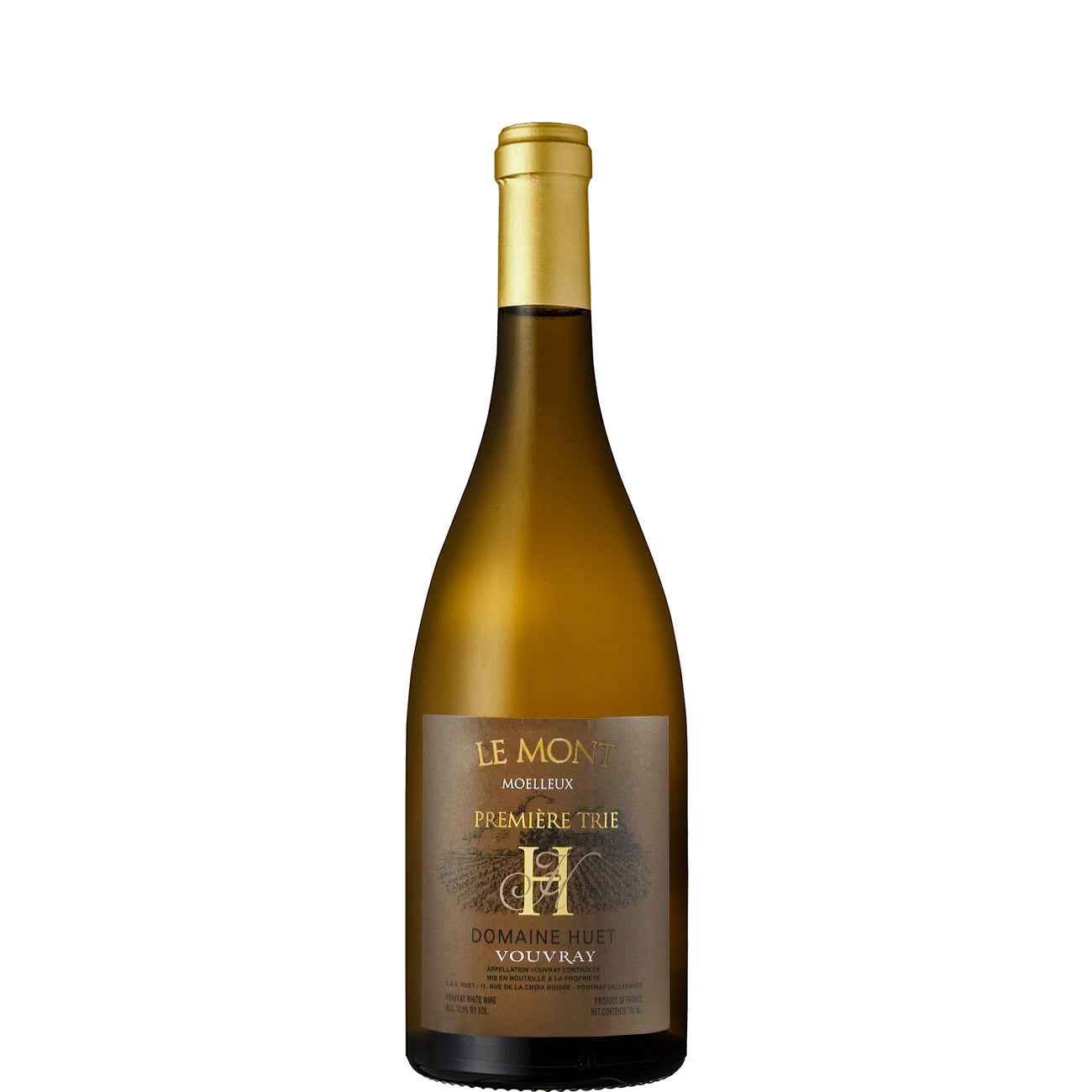
Domaine Huet, Le Mont Moelleux Première Trie Vouvray, 2018
Domaine Huet, Le Mont Moelleux Première Trie Vouvray, 2018
- 75cl
- 13.5%
- White Still
- Chenin Blanc
- Organic
- Biodynamic
Couldn't load pickup availability

Optimal drinking window: 2026 - 2050
This wine offers a rich and complex profile, a nose that combines overripe golden apples, apple kombucha, and subtle hints of doughy yeastiness, with aromas of brie, soft cheeses and dried apricots adding depth. On the palate, it is incredibly rich, almost syrupy, with a deep candied umaminess reminiscent of aged sake.
Gaston Huet is a superstar of Vouvray winemaking, and from dry to sweet styles, he coaxes magic from the Chenin Blanc grape. When young, their wines are thrilling and weighty, when mature they are wondrous. With proper cellaring, Domaine Huet's Vouvray wines can age gracefully for several decades, making this wine a long-term investment for any cellar.
As the Loire is so underrated compared with Bordeaux and Burgundy, prices are sensible, representing incredible value for money in the world of fine wine.
In 2026, this wine is rich and already compelling, but the acidity and botrytis structure are yet to fully integrate with the fruit. Over the next five to eight years, expect the primary citrus and apricot character to deepen into something more honeyed and complex, with dried fruit, beeswax, and toasted nut notes beginning to emerge. The real transformation — when Huet's Moelleux wines move from impressive to genuinely wondrous — tends to happen in the second decade, as the acidity and residual sugar find their equilibrium and the wine takes on that distinctive aged Chenin character somewhere between aged Sauternes and liquid amber. A plateau of peak drinking is likely somewhere between 2035 and 2050, but properly cellared examples from great vintages like 2018 have been known to reward patience for considerably longer. Don't be in a rush.
What the critics say:
"The 2018 Vouvray Le Mont Moelleux Première Trie is pure, deep and flinty on the concentrated nose, with very fine oak, toffee and potted ginger aromas. Lush, sweet and generous yet precise and crystalline on the palate, it features very fine tannins, lingering salinity and positive energy. This is a compact, persistent, tightly woven and stimulating Chenin from the Le Mont terroir that reveals firm, tensioned structure and a young finish with potential to improve and refine. Tasted in May 2019."
"Straw yellow. Soft and creamy on the nose. Pear and white-fruit notes. First impression is the sweetness, then the underlying acidity comes through providing tension and balance. Great length and persistence."
"The 2018 Moelleux 1ére Trie Le Mont is such an elegant wine. Tangerine oil, orange marmalade, burnt sugar, ginger and passion fruit are all pushed forward. The 2018 is both flamboyant and also light on its feet. Its impeccable balance and alluring personality are impossible to resist."
Tasting Notes
AppearanceDeep straw gold with a bright, luminous clarity that hints at the wine's concentration without telegraphing heaviness.
NoseOverripe golden apple and candied tangerine peel sit alongside dried apricot, potted ginger, and a whisper of brie-like creaminess that opens up with air. There is a flinty, almost sparky quality underneath — the tuffeau making its presence felt — along with a subtle doughy note that reads more like brioche than anything blowsy.
PalateLush and generous, with the sweetness arriving first before a seam of bright acidity pulls everything taut — think orange marmalade and burnt sugar balanced by something almost saline. The texture is rich, almost syrupy in the best sense, but the wine never loses its shape; there are fine tannins from the botrytis-affected skins that add grip and structure you rarely find in sweet wines at this price.
FinishLong, persistent, and energised, with lingering citrus oil and a mineral salinity that keeps you reaching for the glass.
Overall impressionA sweet wine of remarkable precision — flamboyant in personality but tightly coiled in structure, and nowhere near ready to show its best.
Food Pairings
In the Touraine, a wine like this would traditionally be brought out alongside Rillons de Tours — slow-cooked pork belly caramelised until sticky and rich, where the wine's acidity cuts clean through the fat. Roquefort or a strong aged goat's cheese from the Loire (a Selles-sur-Cher or Valençay) is a classic match, the salt and funk of the cheese playing beautifully against the wine's sweetness. Further into the meal, a simple tarte Tatin — apples cooked down in butter and brown sugar in a cast-iron pan — is almost too obvious a pairing, and entirely correct for that reason. Foie gras is the showier choice, and it works, but the locals know the pork and the cheese are where the real pleasure is.
We think this wine would go well with
Serve cool but not cold — around 10 to 12°C — any colder and the wine closes down and loses the aromatic complexity that makes it worth opening in the first place. At this stage of its life, a short decant of 20 to 30 minutes will help coax it open, though patience at the table works just as well. Use a wider-bowled white wine glass rather than a narrow flute; Chenin Blanc at this level deserves room to breathe and express itself.
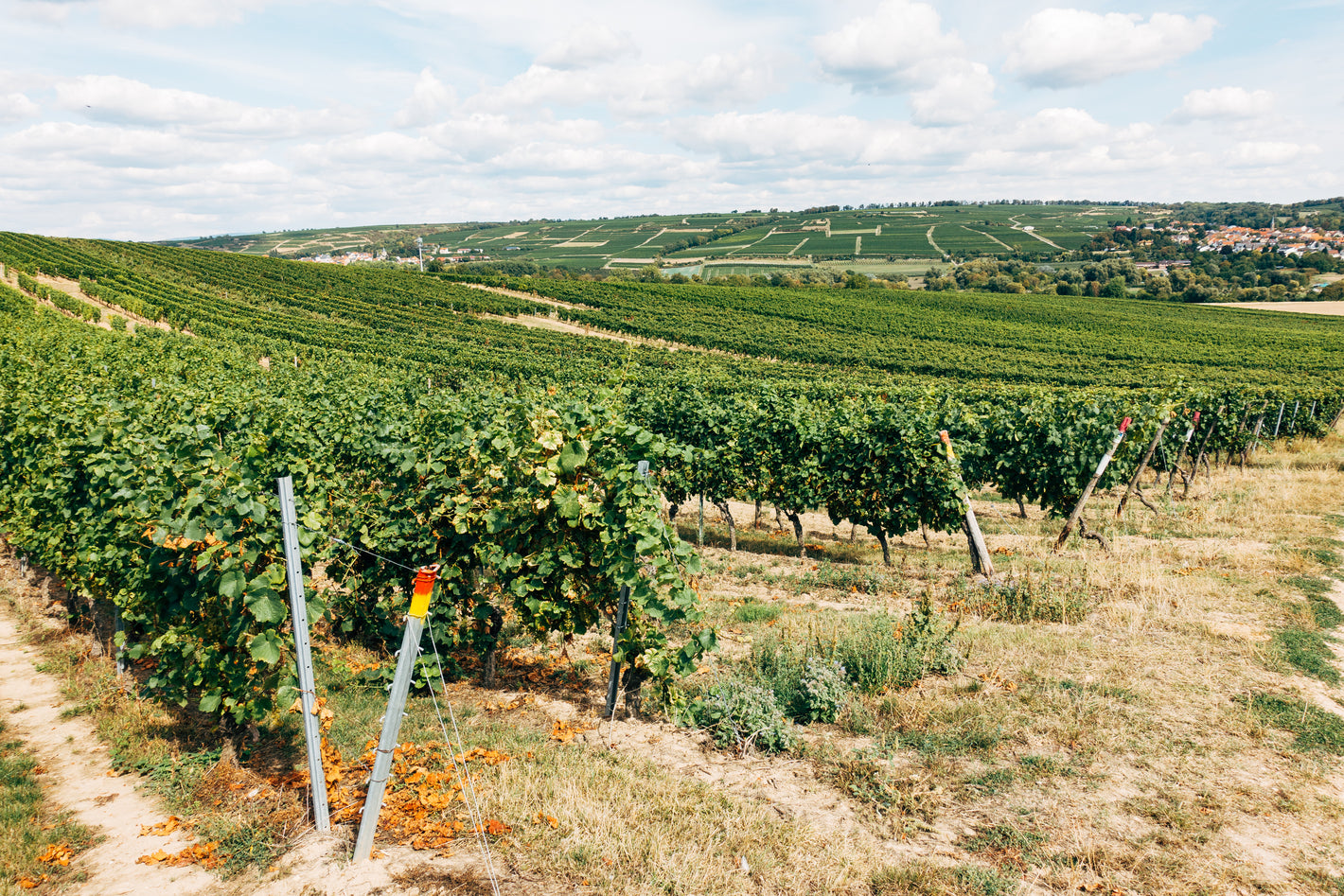
Le Mont is the warmest and most sheltered of Huet's three single vineyards, a south-facing slope of clay-rich tuffeau — the soft chalky limestone that defines the middle Loire — which gives the wines their distinctive combination of richness and saline mineral tension. The 2018 vintage delivered exceptional ripeness across the Loire, with warm, dry conditions that allowed botrytis to develop naturally and selectively in the Première Trie (first pass through the vines, picking only the most affected bunches). This concentration, caught on that tuffeau base, is what gives Le Mont Moelleux its particular character: weight that never feels heavy, sweetness that never feels cloying.
Vouvray is a small appellation on the north bank of the Loire, just east of Tours, producing exclusively Chenin Blanc across a range of styles from bone-dry (sec) to richly sweet (moelleux and liquoreux). It is arguably the most versatile and underappreciated appellation in France. Unlike Sauternes, which has the global reputation and the prices to match, Vouvray's finest sweet wines remain dramatically undervalued — partly because the Loire lacks the marketing muscle of Bordeaux, partly because Chenin Blanc has never quite had its cultural moment. That, for now, remains the buyer's advantage.
The 2018 Loire enjoyed one of those rare seasons that had vignerons grinning from Muscadet to Sancerre. A warm, dry summer provided textbook ripening conditions after a challenging start, with late spring frosts causing some anxiety in April. Once the vines settled into the growing season, consistent sunshine and crucially timed August rains kept the grapes healthy without diluting flavours, leading to an early harvest that began in late August for many domaines.
What emerged were wines with impressive concentration and freshness intact — no mean feat in such a warm year. Sauvignon Blanc from Sancerre and Pouilly-Fumé shows particular poise, with ripe citrus intensity balanced by that mineral backbone we love, while Chenin Blanc delivered both dry wines with excellent ageing potential and sweet Coteaux du Layon with gorgeous fruit-acid harmony. The reds surprised many: Chinon and Bourgueil produced Cabernet Francs with unusual depth and silky tannins. Most 2018 Loires are drinking superbly now, though the finest Sancerres and dry Chenins will reward patience until 2028.
FAQs
What does this wine taste like?
Rich, sweet, and layered — candied citrus, dried apricot, burnt sugar, and ginger, with a saline mineral edge and a bright acidity that stops the sweetness from ever feeling heavy. Think somewhere between orange marmalade and aged sake, with real structural grip underneath.
When should I drink this wine?
It is approachable now and already deeply pleasurable, but this wine is genuinely built for the long term. We would suggest holding until at least 2030 for the structure to settle, and ideally until 2035 or beyond for the full complexity to emerge. The best examples of Huet's Moelleux from great vintages can age gracefully for 40 to 50 years.
What food pairs well with this wine?
Strong aged cheeses — Roquefort, aged goat's cheese — are a classic match, as is foie gras. Closer to home, slow-cooked pork with caramelisation, or a simple apple tarte Tatin, will do the job beautifully. The acidity is bright enough to handle rich, fatty dishes that would overwhelm a flabbier sweet wine.
How should I serve this wine?
Serve at around 10 to 12°C — cool but not fridge-cold. Give it 20 to 30 minutes in a decanter or simply let it open in the glass. Use a wider-bowled white wine glass to give the aromas room to develop.
Is this wine worth cellaring?
Absolutely, and the Loire's comparative undervaluation relative to Bordeaux and Burgundy makes it one of the more compelling long-term cellaring propositions in fine wine. The 2018 vintage was exceptional across the Loire, and Huet's track record with Première Trie Moelleux from great years is remarkable. This is a wine that will repay patience many times over.
What makes Domaine Huet special?
Huet is simply the reference point for Vouvray. Biodynamic farming since 1990, three distinct single vineyards each expressing a different character, and a house style that prizes precision and longevity over easy approachability. Gaston Huet built something extraordinary, and the estate has maintained those standards across generations. Few producers anywhere in France can match the consistency and the quality ceiling.

Explore related wines


What are you looking for tonight? Tell me the occasion, a grape, a region — or just try a suggestion below.
Your recommendations will appear here.
-
-
Speak to one of our Wine Gurus
Speak to a Wine GuruWith years of experience, our team can help you with all your wine buying and selling needs