

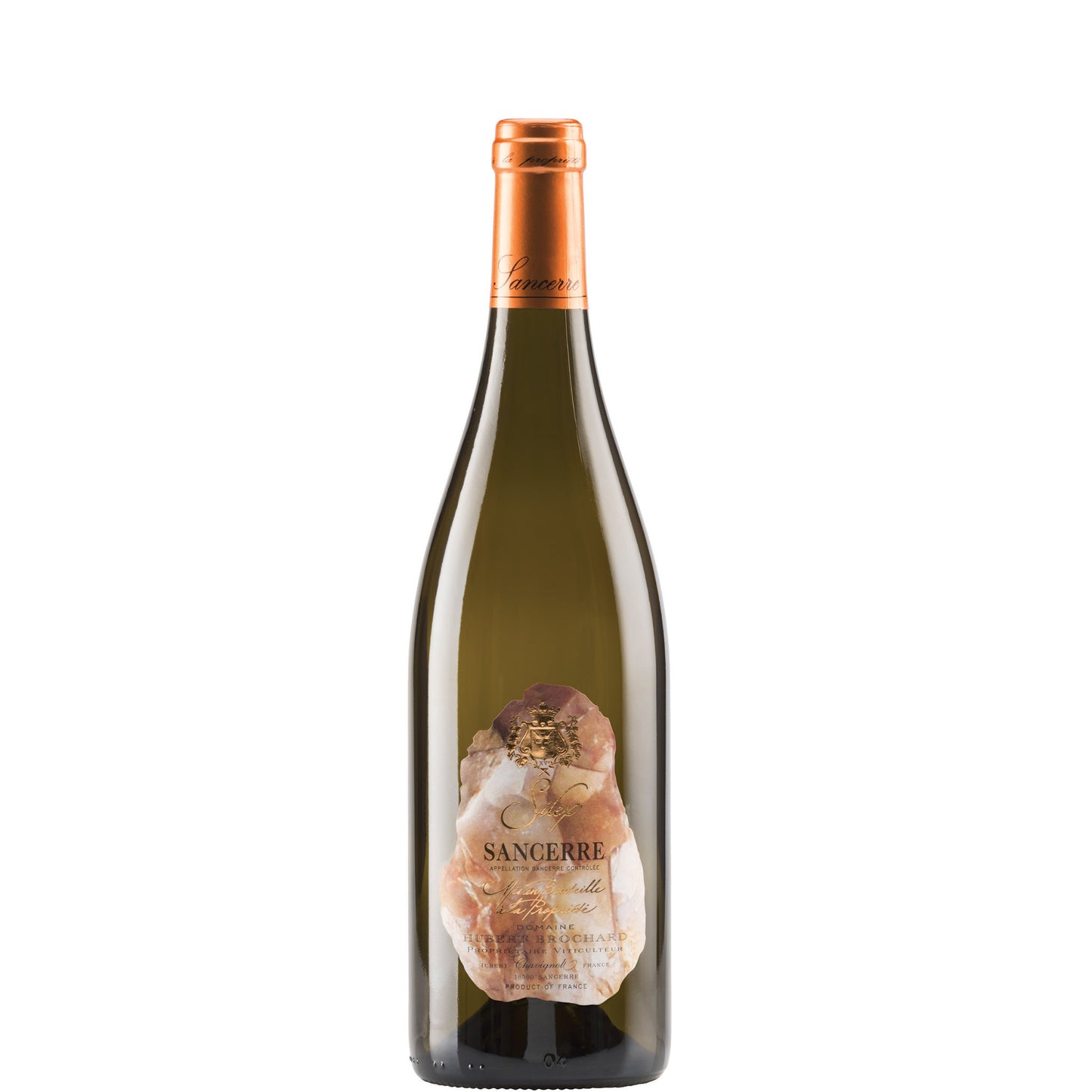
Domaine Hubert Brochard, Sancerre Terroir De Silex, 2023
Domaine Hubert Brochard, Sancerre Terroir De Silex, 2023
- 75cl
- 13.5%
- White Still
- Sauvignon Blanc
Couldn't load pickup availability

Optimal drinking window: Now - 2030
Domaine Hubert Brochard Sancerre Terroir De Silex is a wonderful Sauvignon Blanc with bright, rich fruit aromas of gooseberry and nettle that are matched on the palate by a clean, balancing acidity and by a dry, chalky and gently smokey minerality on the finish.
Grown in Sancerre's famous silex (flint) soil that is also rich in limestone deposits, Domaine Hubert Brochard's Terroir De Silex has all of the mineral qualities you might expect balanced by lovely bright fruit.
At three years old, this 2023 is showing beautifully now with its primary gooseberry fruit still bright and the mineral elements well-integrated. The amphora and lees ageing have already contributed their textural complexity, so this wine is drinking in its sweet spot. Over the next two to three years, expect the fruit to become more honeyed whilst the mineral backbone remains firm, creating a wine with more weight but equal precision. Unlike age-worthy whites, this style is built for medium-term pleasure rather than long cellaring, and whilst it will hold well, it won't dramatically improve beyond 2030.
What the critics say:
"Firm, powerful and focused, the 2023 Silex offers brightness, precision and light body, but there's power here. You have to like acidity to like this, but I do. It was aged on lees and in amphora. "
Tasting Notes
AppearancePale gold with a brilliant, crystalline clarity.
NoseGooseberry and nettle lead, followed by wet stones and a hint of gunflint smoke. There's a lovely tension between the bright fruit and the mineral undertones, with subtle lees-aged complexity adding depth without weight. The amphora ageing contributes a textural element rather than overt flavour.
PalateFirm and focused with considerable power beneath its light body, exactly as Rebecca Gibb noted. The acidity is the star here, clean and driving, carrying bright gooseberry fruit and chalky minerality in perfect balance. The silex soils show their hand with a distinctive smoky, flinty character that builds through the mid-palate.
FinishLong and dry with persistent chalk and gentle smoke, leaving your mouth refreshed and ready for the next sip.
Overall impressionThis is Sancerre that knows exactly what it wants to be: mineral, precise, and unapologetically structured.
Food Pairings
In the Loire Valley, this would naturally accompany the local chèvre, particularly the famous Crottin de Chavignol, where the wine's acidity cuts through the goat cheese's creamy tang whilst its minerality complements the cheese's earthy undertones. River fish like pike-perch or salmon from the Loire would be served simply grilled with herbs, letting the wine's precision match the delicate fish. Classic pairings include escargots de Bourgogne, where the mineral wine balances the garlic and parsley butter, or a simple salade de chèvre chaud with walnuts from the nearby Périgord. The locals would never dream of overwhelming this wine's elegance with heavy sauces.
We think this wine would go well with
Serve well-chilled at 8-10°C to preserve that crucial acidity and mineral precision. No decanting needed, but do let it warm slightly in the glass to allow the more subtle aromatics to emerge. A classic white Burgundy glass works perfectly, concentrating the delicate aromatics whilst providing enough room for the wine to breathe. Open just before serving as this style is built for immediacy rather than lengthy aeration.
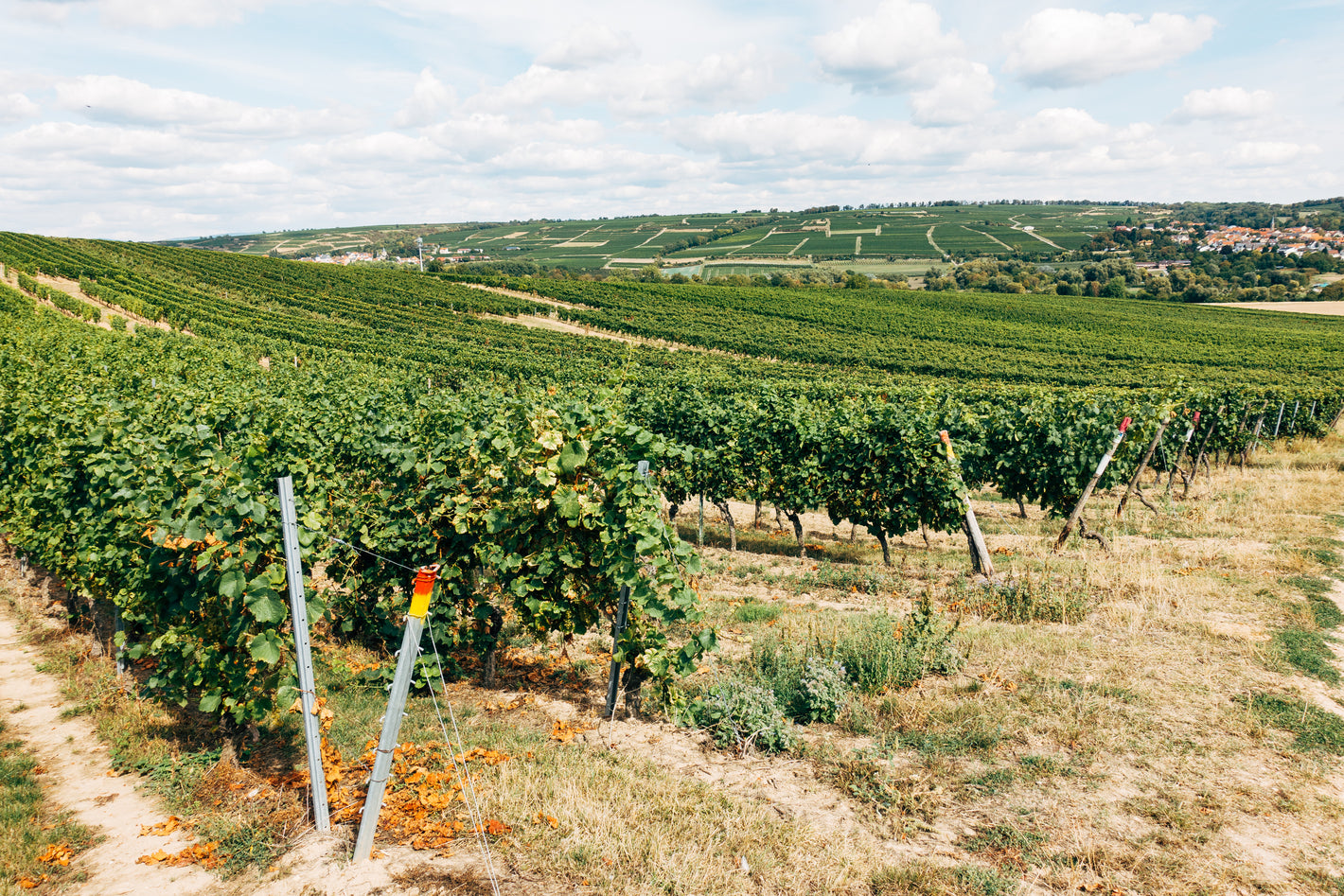
The Terroir de Silex vineyards grow on Sancerre's famous flint soils, rich with limestone deposits that give this wine its distinctive mineral backbone. Silex means flint in French, and these ancient soils impart a characteristic smoky, chalky quality that defines the most mineral-driven expressions of Loire Sauvignon Blanc. The combination of flint and limestone creates perfect drainage while retaining just enough moisture to keep vines healthy through hot summers. This terroir produces wines with remarkable precision and a stony minerality that cuts through the grape's natural exuberance.
Sancerre sits on the Loire's left bank, facing Pouilly-Fumé across the river in what might be the world's greatest face-off between Sauvignon Blanc expressions. The appellation covers 2,800 hectares across three distinct soil types: silex (flint), terres blanches (limestone-clay), and caillottes (stony limestone). Sancerre's reputation rests on its ability to tame Sauvignon Blanc's wilder instincts whilst preserving its energy, creating wines that are taut, mineral, and built for the table. Unlike its New World cousins, Sancerre rarely sees oak, letting terroir and technique speak instead of winemaker intervention.
The 2023 Loire vintage feels like the region caught a break after several years of climate extremes. Spring arrived gently, without the brutal frosts that have haunted growers in recent seasons, and summer brought the kind of balanced warmth that lets vines ripen steadily rather than sprint to the finish line. We love how this steady rhythm shows in the wines — there's a naturalness to the ripening that translates into vibrant, focused flavours across the board.
What landed in our cellars has that classic Loire precision we're always hunting for, but with more flesh on the bones than some of the leaner years. The Sauvignon Blancs from Sancerre and Pouilly-Fumé crackle with mineral energy while actually filling your mouth, and the Chenin Blancs from the middle Loire show beautiful balance between their natural acidity and ripe fruit character. Most of these wines are singing right now — the whites especially have hit that sweet spot where youth and drinkability overlap perfectly. The reds will reward a bit more patience, but honestly, we're already dipping into our allocations because they're so bloody delicious.
FAQs
What does this wine taste like?
Bright gooseberry and nettle with a distinctive smoky, chalky minerality from the flint soils, balanced by clean, driving acidity.
When should I drink this wine?
It's drinking beautifully now and will continue to evolve gracefully over the next three to four years, reaching peak integration around 2028-2030.
What food pairs best with this wine?
Classic matches include goat cheese, simply prepared river fish, or escargots, but the clean acidity makes it brilliant with oysters or sushi too.
How should I serve this wine?
Serve well-chilled at 8-10°C in a white Burgundy glass, no decanting needed, and open just before serving.
Is this wine worth cellaring?
This is built for medium-term drinking rather than long ageing, so enjoy it over the next few years whilst the fruit and mineral elements are in perfect balance.
How does this compare to other Sancerre?
The silex terroir makes this more mineral and structured than wines from Sancerre's limestone-clay soils, with distinctive smoky, flinty character that's the hallmark of great flint-soil Sauvignon Blanc.
Explore related wines


What are you looking for tonight? Tell me the occasion, a grape, a region — or just try a suggestion below.
Your recommendations will appear here.
-
-
Speak to one of our Wine Gurus
Speak to a Wine GuruWith years of experience, our team can help you with all your wine buying and selling needs