

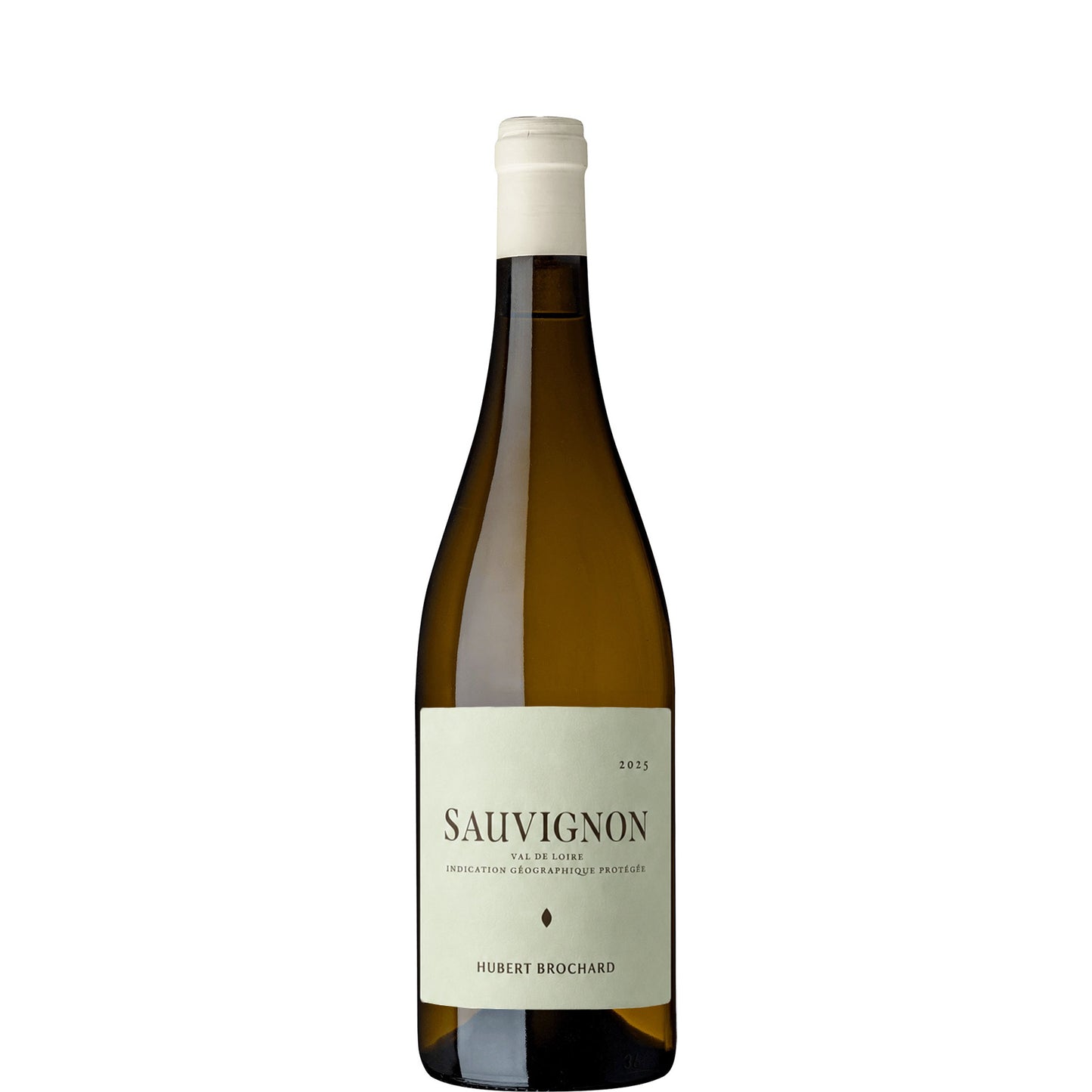
Domaine Hubert Brochard, IGP Sauvignon Blanc, 2024
Domaine Hubert Brochard, IGP Sauvignon Blanc, 2024
- 75cl
- 12%
- White Still
- Sauvignon Blanc
Couldn't load pickup availability

Optimal drinking window: Now - 2028
Domaine Hubert Brochard is a name that belongs to the heart of Sancerre country, and this IGP Sauvignon Blanc is their everyday expression — the wine you reach for on a Tuesday without ceremony but with no loss of pleasure. Sourced from vineyards in the greater Loire, it's uncluttered and honest: bright green apple, white grapefruit, a herbal lift, and the kind of clean, mouthwatering finish that makes you want another glass before you've finished the first.
At the IGP level, Brochard keeps things light and focused — no oak, no fuss, just the grape doing what it does best in this part of France. Drink it young and cold, ideally with something simple and good to eat alongside it.
This wine is firmly in its primary phase and is designed to be drunk now. The green fruit and citrus freshness are at their most vivid in 2026, and there is nothing to be gained from waiting. By 2027 it will still be perfectly agreeable, but the bright lift that makes it so appealing will have softened. By 2028 the fruit will be fading and the wine will feel flat. Buy it, chill it, drink it.
Tasting Notes
AppearancePale straw with a faint green tinge and good clarity.
NoseFreshly cut grass and white grapefruit lead, with green apple and a subtle nettle edge. It's clean and immediate — the kind of nose that smells like a summer afternoon in the Loire without trying too hard.
PalateLight to medium body, with lively acidity that keeps everything taut. Citrus pith and green apple sit at the centre, with a faint mineral quality on the mid-palate that nods to its Loire origins. Refreshingly dry, with no residual sweetness to soften the edges.
FinishClean and brisk, with a lingering citrus bite and a whisper of herb.
Overall impressionUnpretentious, accurate, and exactly what you want from an everyday Loire Sauvignon Blanc.
Food Pairings
In the Loire Valley, this style of Sauvignon Blanc is the natural companion to the local goat's cheeses — Crottin de Chavignol in particular, which is practically grown next door to Brochard's cellars. Locals would also reach for it alongside a plate of rillettes de Tours, smeared thickly on crusty bread, or a simple pike perch (sandre) from the river, cooked in butter with capers. Asparagus is a seasonal staple in this part of France, and the wine's herbal edge cuts right through its grassy sweetness. A plate of river crayfish with a light cream sauce would be another natural fit.
We think this wine would go well with
Serve well-chilled at around 8-10°C — this is not a wine that benefits from warming up in the glass. No need to decant; just pop and pour. A standard white wine glass works perfectly well, though a slightly narrower tulip shape will concentrate the aromatic freshness if you want to give it a little more attention.
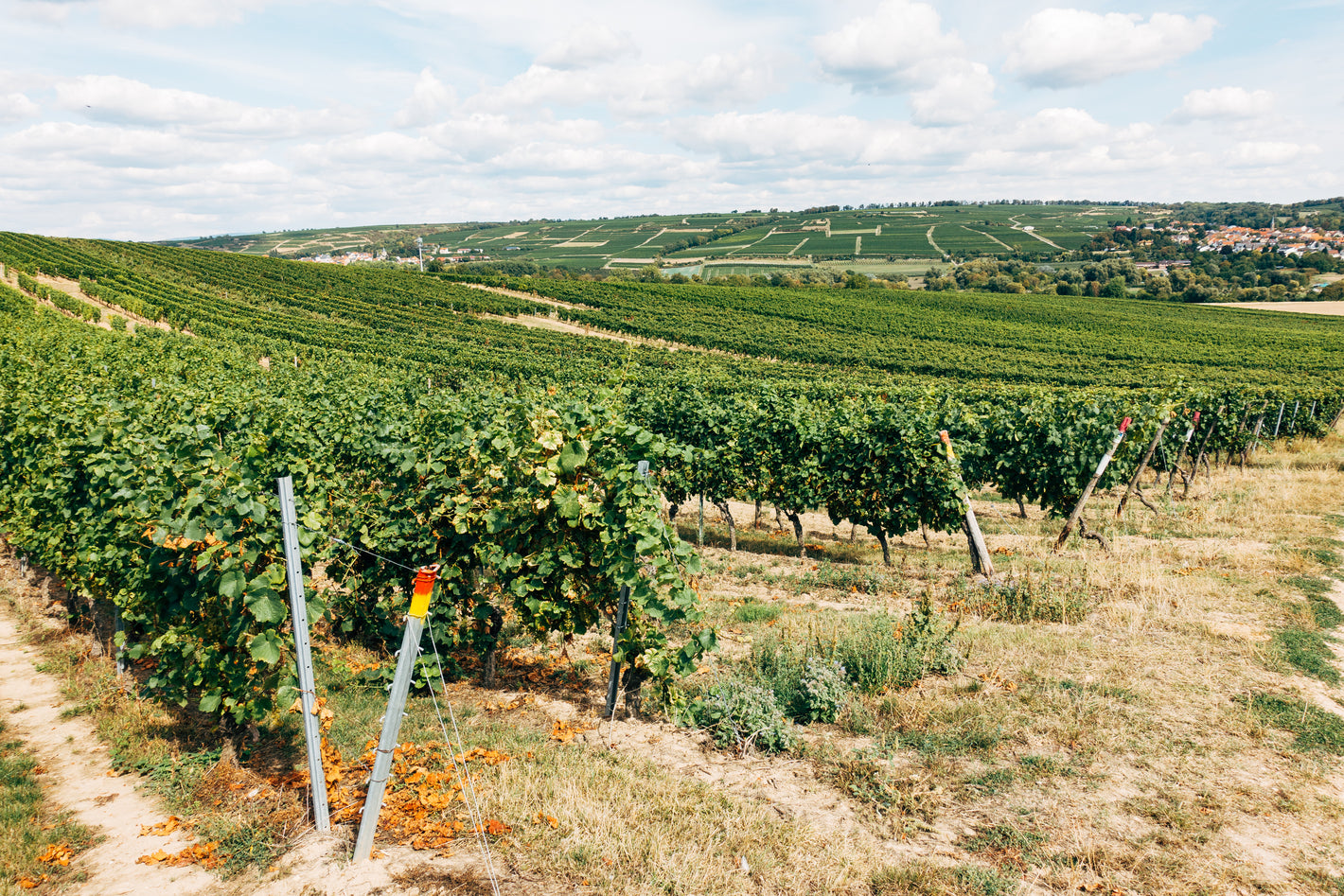
The IGP vineyards draw from the broader Loire Valley, where the soils shift between sandy loams, clays, and the occasional limestone outcrop depending on the plot. The continental climate of this part of the Loire — cold winters, warm summers, and significant diurnal swings — preserves the natural acidity that defines Sauvignon Blanc from this latitude. These are not the famous flint-and-chalk soils of Sancerre itself, but they share the same cool-climate character that gives Loire Sauvignon its freshness and precision.
IGP Val de Loire (Indication Géographique Protégée) is the category that sits below the named appellations of the Loire Valley — Sancerre, Pouilly-Fumé, Muscadet, and so on. It allows producers to work with a wider range of vineyard sources across the valley while still reflecting the region's identity. The rules are less restrictive than AOC, which means more flexibility in yields and sourcing, but the best IGP bottlings from established producers like Brochard punch well above their classification.
We're still learning what 2024 gave us in the Loire, but the early signs are promising. The growing season brought its share of drama — a challenging spring that kept vignerons on their toes, followed by a summer that delivered just enough sunshine without tipping into the punishing heat that can flatten the region's trademark freshness. Harvest timing varied considerably across the valley's sprawling length, with producers picking earlier than usual in some appellations while others waited for that final push of ripeness.
What we're tasting shows wines with lovely energy and balance, particularly from Sancerre and Pouilly-Fumé where the Sauvignon Blanc has that mineral backbone we adore without the green aggression of cooler years. The Chenin Blanc from Vouvray and the Coteaux du Layon seems to have found its sweet spot between richness and acidity, while early tastings of Chinon suggest the Cabernet Franc has real potential for structured, age-worthy reds. Most 2024s are drinking beautifully now with their youthful vibrancy intact, though we suspect the better examples will reward patience over the next three to five years.
FAQs
What does this wine taste like?
Fresh and direct — green apple, white grapefruit, a herbal lift, and clean citrus acidity. It's not trying to be Sancerre, but it shares the same straightforward, thirst-quenching character that makes Loire Sauvignon Blanc so hard to resist.
When should I drink this wine?
Now. This is a young, fresh white built for immediate drinking. The 2024 vintage is at its best through 2027, but there's no reason to wait — open it cold and enjoy it soon.
What food works well with this wine?
It was practically made to go with goat's cheese, particularly something like Crottin de Chavignol. Beyond that, think fresh fish, shellfish, green salads, asparagus, or light pasta dishes with herbs and lemon. It's a generous, flexible food wine as long as you're not asking it to stand up to bold red meat or heavy sauces.
How should I serve it?
Serve cold at around 8-10°C, straight from the fridge. No decanting needed — just pour and drink. A standard white wine glass is all you need.
Is this worth cellaring?
No, and that's not a criticism — it's just not what this wine is for. The appeal is entirely in the freshness and fruit, and both will fade over time. Drink it within the next year or two for the best experience.
How does this differ from Brochard's Sancerre?
The IGP sits a step below Sancerre in terms of appellation rules and vineyard sourcing, which means the grapes can come from a wider area of the Loire rather than the tightly defined Sancerre commune. The result is a lighter, simpler expression — less of the flinty, mineral depth you get from Sancerre's famous soils, but the same clean, citrus-driven house style at a significantly friendlier price.
Explore related wines


What are you looking for tonight? Tell me the occasion, a grape, a region — or just try a suggestion below.
Your recommendations will appear here.
-
-
Speak to one of our Wine Gurus
Speak to a Wine GuruWith years of experience, our team can help you with all your wine buying and selling needs