
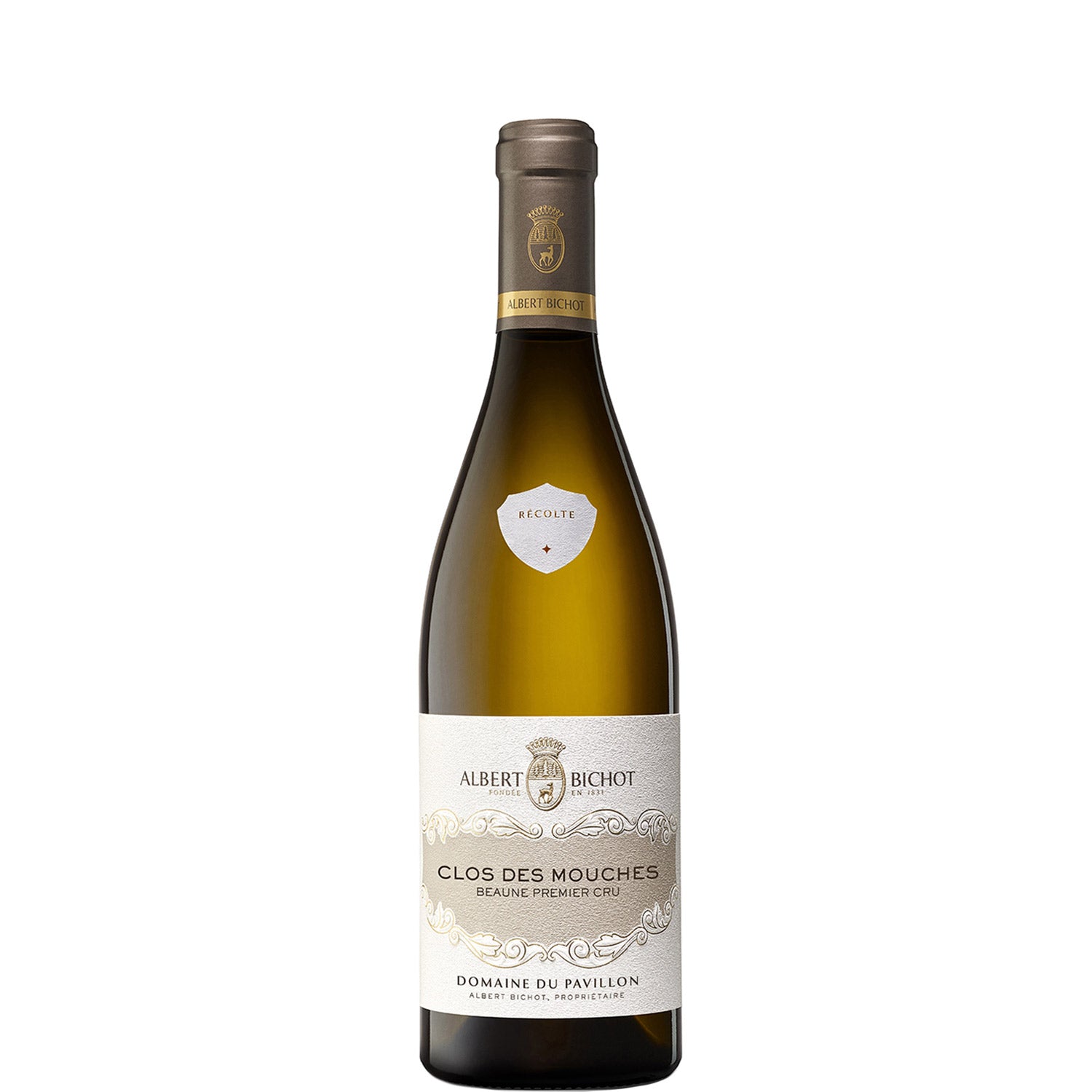
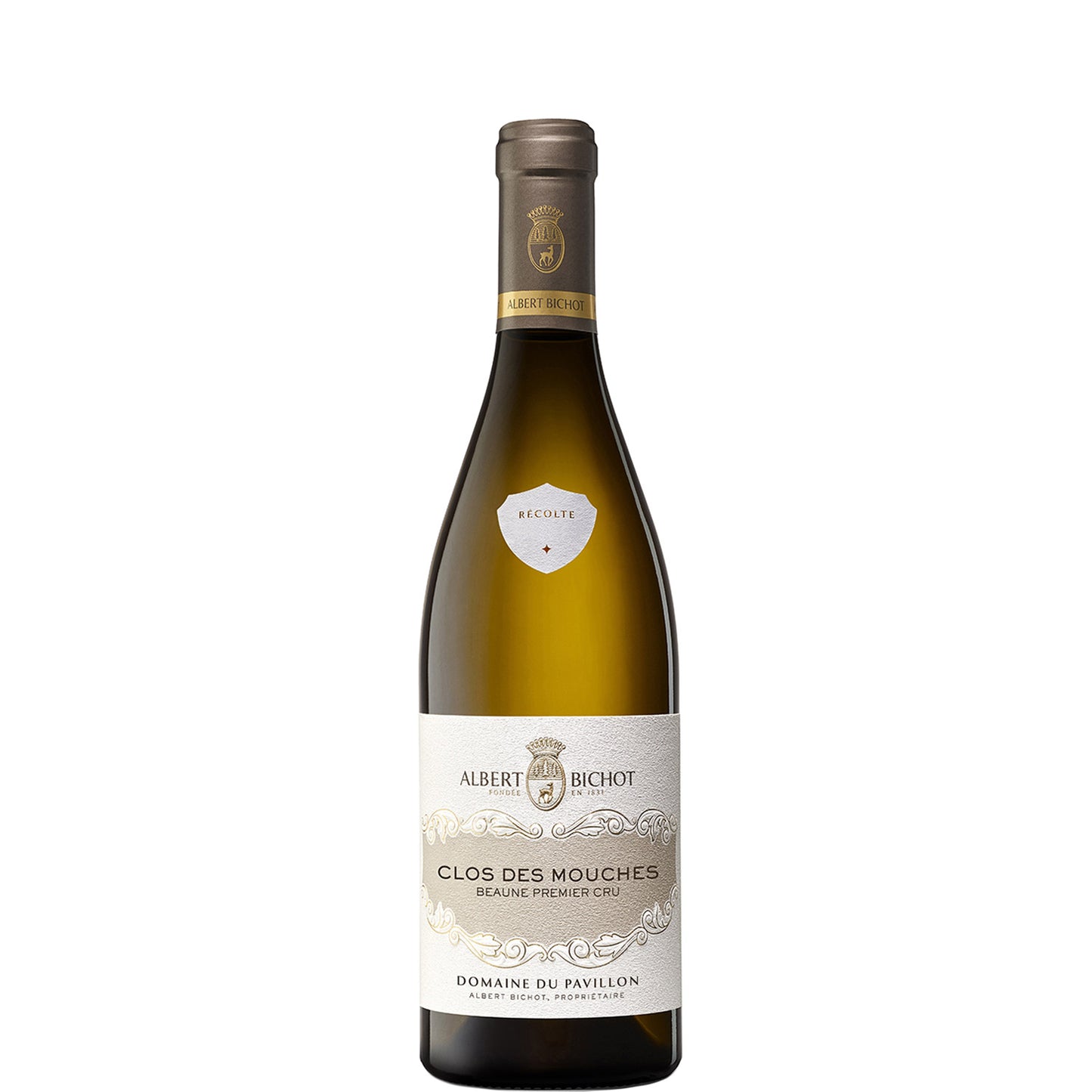
Beaune Premier Cru 'Clos des Mouches' Blanc, Domaine du Pavillon, 2020
Beaune Premier Cru 'Clos des Mouches' Blanc, Domaine du Pavillon, 2020
- 75cl
- 13%
- White Still
- Chardonnay
- Organic
Couldn't load pickup availability

Optimal drinking window: 2026 - 2055
"Initially smoky nose, pear syrup, salty butter, metallic and stone notes, and white flowers. Fine, but intense attack that fans out, smoky and salty with a core of supple, sweet fruit. Concentrated and rich but bristling with citrussy acidity. This is very compact currently and needs a bit of time to relax in to itself but is all there for future drinking pleasure."
Tom Harrow, Wine Guru (on release in 2021)
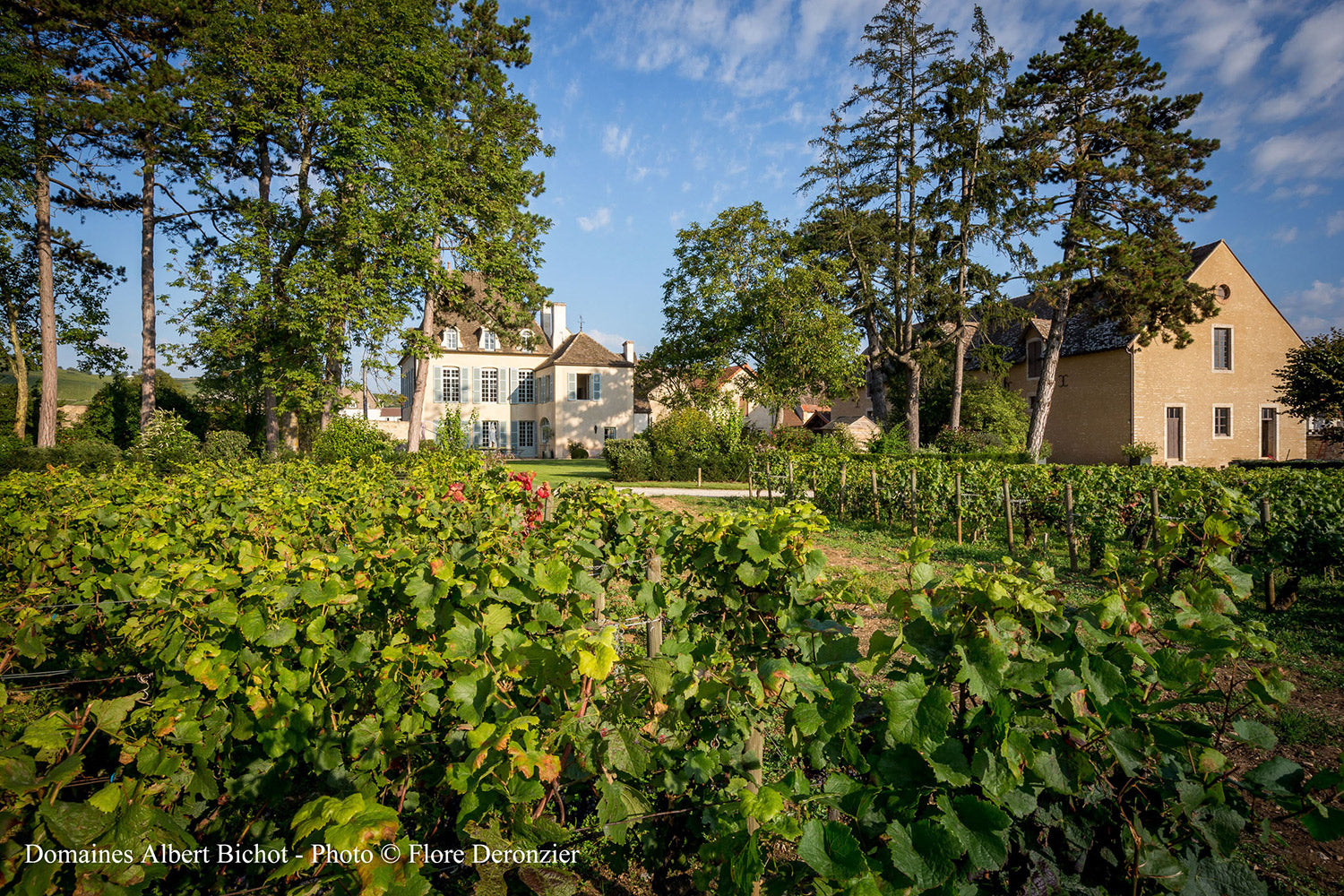
Maison Albert Bichot has been passed down for 6 generations since 1831 and today it manages individual Domaines rather than housing all sites under one property.
This wine is currently in its tight, adolescent phase where the fruit and minerality haven't quite found their harmony. Over the next two years, expect the smokiness to integrate and the fruit to become more expressive while retaining that characteristic freshness. Between 2026 and 2040, it should hit its stride with secondary honeyed complexity emerging alongside the core minerality. It will hold at peak until around 2045, then begin a graceful decline while maintaining its essential character until 2055.
What the critics say:
"Smoke and chalk are subtle but unmistakeable on the nose, as well as a subtle creaminess. The midpalate is pristine, with beautifully delineated Mirabelle fruit, overtones of corn husk. Wonderful freshness always marks this elevated site and here the freshness makes the wine, gives it contour and poise. Lovely, resonant and long."
Tasting Notes
AppearancePale gold with brilliant clarity and good viscosity.
NoseInitially smoky with chalk dust and white flowers, then pear syrup and salty butter emerging. There's a metallic, mineral thread running through everything that speaks to the limestone soils. The smokiness isn't from oak but from the site itself.
PalateFine but intense attack that fans out across the palate with concentrated fruit at the core. The texture is rich and supple, but there's a bristling citrus acidity that keeps everything in line. Currently very compact and needs time to unfurl.
FinishLong and salty with mineral persistence that goes on and on.
Overall impressionA serious white Burgundy that's all potential right now, waiting for time to work its magic.
Food Pairings
In Burgundy, they'd pair this with the local classics: escargots de Bourgogne swimming in garlic butter, coq au vin blanc made with the same Chardonnay, or the regional favourite of pike quenelles in a rich cream sauce. The wine's mineral backbone and acidity make it perfect for the region's penchant for rich, butter-laden dishes, while the concentration can handle the earthiness of wild mushrooms from the Côte d'Or forests. A simple roast chicken with herbs would let the wine's terroir sing.
We think this wine would go well with
Serve at 12-14°C, slightly warmer than most whites to let the complexity show. No need to decant, but do give it time to open in the glass. Use a proper Burgundy glass with a generous bowl to concentrate the aromatics. If you're opening it young, let it breathe for 30 minutes before serving.
Clos des Mouches sits at the top of the slope at 300 metres altitude on the border between Beaune and Pommard, in soils much better suited to white grapes than red. The limestone-rich earth with good drainage gives the wines their characteristic mineral backbone, while the elevation provides the freshness and tension that defines this site. The combination creates wines with both power and elegance, built for the long haul.
Beaune Premier Cru represents some of Burgundy's most reliable and food-friendly wines, with Clos des Mouches standing out as exceptional for whites. Unlike the more famous white Burgundy appellations further south, Beaune's premier crus offer excellent value while maintaining the structure and complexity that makes Côte d'Or whites so compelling. The appellation rules require stricter yields and higher minimum alcohol than village-level Beaune.
We'll be honest: 2020 in Burgundy was a vintage that kept everyone on their toes. A warm, dry spring brought early budbreak, then summer turned properly scorching with temperatures hitting 40°C in August. The saving grace came from perfectly timed August rains that rescued the vines from serious drought stress, followed by ideal September weather that allowed for unhurried picking. Yields were mercifully normal after several years of frost-ravaged harvests, and crucially, the heat never tipped into the jammy territory that can plague warmer vintages here.
What emerged were wines with surprising freshness despite the heat, showing ripe fruit balanced by good acidity and lovely mineral precision. The reds have more immediate charm than the structured 2019s, with silky tannins and generous Pinot Noir character, whilst the whites display beautiful richness without losing that crystalline Burgundian tension we adore. This isn't a legendary vintage like 2005 or 2010, but it's thoroughly delicious and more approachable in youth than many Burgundy vintages. The village wines are drinking beautifully now, Premier Crus are just hitting their stride, and the Grands Crus will reward patience for another five to ten years.
FAQs
What does this wine taste like?
Smoky and mineral-driven with concentrated pear fruit, salty butter richness, and bright citrus acidity. It's powerful but elegant, with a distinctive chalky character from the limestone soils.
When should I drink this wine?
It's still very tight and needs at least two more years to show its best. Drink between 2028 and 2045 for peak enjoyment, though it's built to last even longer.
What food pairs well with this wine?
Classic Burgundian dishes like escargots, coq au vin blanc, or roast chicken work beautifully. The wine's richness and acidity also make it excellent with lobster or other rich seafood dishes.
How should I serve this wine?
Serve slightly cool at 12-14°C in a proper Burgundy glass. Let it breathe for 30 minutes if drinking young, and don't be afraid to let it warm up a bit in the glass.
Is this wine worth cellaring?
Absolutely. This is built for the long haul and will reward patience. It will develop beautiful secondary complexity over the next 20 years while maintaining its core minerality and freshness.
How does this compare to other white Burgundies?
Clos des Mouches produces some of the most distinctive whites in Beaune, with more power and minerality than most. It offers excellent value compared to more famous appellations while delivering genuine premier cru complexity and ageability.
Explore related wines


What are you looking for tonight? Tell me the occasion, a grape, a region — or just try a suggestion below.
Your recommendations will appear here.
-
-
Speak to one of our Wine Gurus
Speak to a Wine GuruWith years of experience, our team can help you with all your wine buying and selling needs