

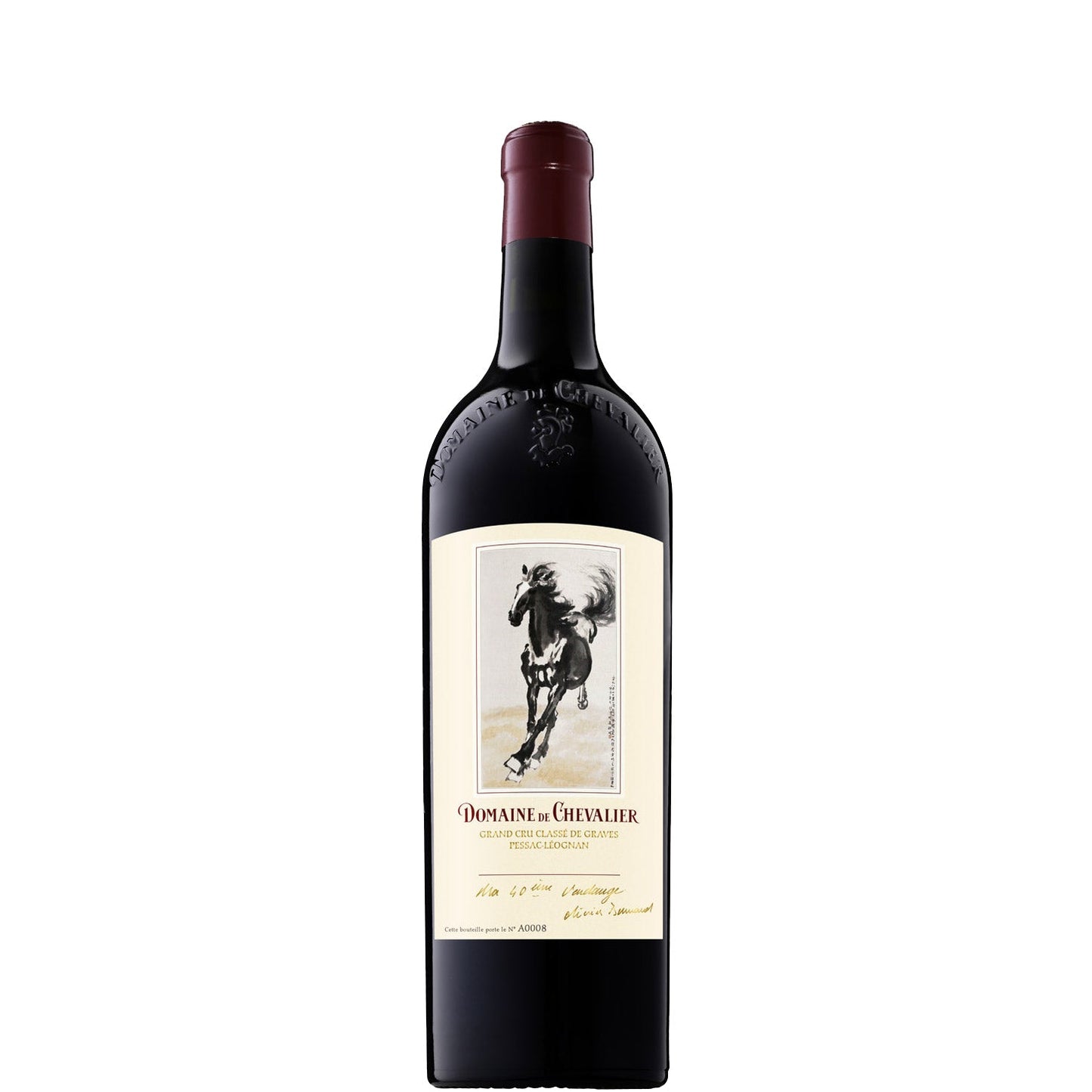
Domaine De Chevalier Rouge, 2021
Domaine De Chevalier Rouge, 2021
- 75cl
- 13.5%
- Red Still
- Cabernet Sauvignon, Merlot, Petit Verdot, Cabernet Franc
Couldn't load pickup availability

Optimal drinking window: 2026 - 2046
Domaine de Chevalier is located in a clearing in the middle of a forest that protects the vines from extremes of temperature. In fact, Chevalier is a sort of secret garden, far from the limelight. This is something of a paradox for such an excellent wine, among the greatest in Bordeaux.
The 2021 shows the vintage's combination of concentration and freshness beautifully. Cabernet Sauvignon leads the blend with its signature cassis and cedar, while Merlot adds flesh and early charm.
Currently in its primary phase with tightly wound fruit and structure dominating, though the quality is unmistakable. From 2027-2032, expect the dark chocolate and walnut complexity to integrate with the berry fruit as tannins soften. The wine should hit its stride around 2030-2040, when forest floor and mineral complexity will be at their peak whilst maintaining fruit freshness. After 2040, expect gradual development of tertiary leather and tobacco characters, with the wine remaining beautifully balanced until 2046.
What the critics say:
"This is very impressive for the vintage, with a vertical depth and structure of extremely polished tannins. It’s full and precise, with berries, dark chocolate, bark, iodine and walnuts throughout. Extremely well done. Best after 2027."
"The 2021 Domaine de Chevalier reveals a deep, complex bouquet with aromas of blackberries and blueberries mingled with spices, cigar wrapper and coniferous forest floor, followed by a medium to full-bodied, sweet and concentrated palate animated by bright acids and framed by fine, powdery tannins. It's an impressive effort that will reward a bit of bottle age. It's a blend of 60% Cabernet Sauvignon, 25% Merlot, 10% Petit Verdot and 5% Cabernet Franc."
"A blend of 60% Cabernet Sauvignon, 25% Merlot, 10% Petit Verdot, and 5% Cabernet Franc, the 2021 Domaine de Chevalier Rouge has a medium to deep garnet-purple color. It needs some patient swirling and shaking to wake up notes of crushed blackcurrants, kirsch, and juicy plums, followed by nuances of violets, mossy tree bark, and wild sage. The medium-bodied palate has a wonderfully fine-grained texture and great tension supporting the tightly wound red and black fruit layers, finishing long and perfumed."
Tasting Notes
AppearanceDeep garnet-purple with impressive density and a youthful rim.
NoseInitially tight, requiring patience to reveal layers of blackcurrant, dark chocolate, and forest floor. Swirling brings out cigar wrapper, wild sage, and that distinctive iodine minerality that marks great Graves. The forest influence shows in subtle coniferous touches.
PalateMedium to full-bodied with exceptional texture and fine-grained tannins that coat the mouth like powdered silk. The fruit is tightly wound but precise, showing kirsch and plum concentration supported by bright acidity. Dark chocolate and walnut complexity builds through the mid-palate with impressive tension.
FinishLong and perfumed with violets, bark, and mineral persistence that lingers beautifully.
Overall impressionA wine that combines power with remarkable elegance, built for patient cellaring but showing exceptional quality even now.
Food Pairings
In Bordeaux, this would traditionally accompany entrecôte à la bordelaise, where local beef meets bone marrow and shallots in red wine reduction. The forest setting of Chevalier makes it perfect with game from the Landes, particularly wild boar or venison with juniper and forest mushrooms. Local agneau de Pauillac with herbs de Provence would showcase the wine's herbal complexity, while the classic pairing remains côte de bœuf with cèpes, celebrating both the terroir and the wine's earthy minerality.
We think this wine would go well with
Serve at 17-18°C to allow the complex aromatics to unfold properly. Decant for at least 90 minutes to soften those polished but firm tannins and let the forest floor complexity emerge. Use large Bordeaux glasses to concentrate the perfumed finish and iodine minerality. If drinking young, consider double-decanting to accelerate development without losing the wine's inherent elegance.
The vineyard sits in a natural clearing surrounded by pine forest, creating a protective microclimate that moderates temperature extremes. The soils are classic Graves gravel over clay and limestone, providing excellent drainage whilst retaining enough moisture for consistent ripening. This forest setting is almost unique in Bordeaux, creating cooler nights and protection from harsh winds. The combination of gravelly soils and forest protection allows for extended hang time and elegant tannin development.
Pessac-Léognan was carved out of the northern Graves in 1987 to recognise its superior terroir and proximity to Bordeaux city. The appellation includes all the great red and white wine châteaux of the Graves classification, with gravelly soils that excel with Cabernet Sauvignon and Sauvignon Blanc. Unlike the Médoc, properties here often make both colours, with the whites achieving particular distinction. The urban encroachment and resulting higher land values mean every hectare must perform at the highest level.
The 2021 growing season in Bordeaux delivered one of those vintages that separates the wheat from the chaff. Spring frost in April walloped many vineyards, particularly on the Right Bank, slashing potential yields before the season properly began. A sodden start gave way to a blistering summer that pushed ripening forward, then September rains arrived just as harvest decisions loomed. The producers who survived the frost and timed their picking with surgical precision crafted wines of real character, whilst others found themselves wrestling with dilution or struggling with reduced volumes.
What emerged from this gauntlet is a vintage of surprising charm, though decidedly not a blockbuster year. The Merlot-based Right Bank wines show particular finesse where frost damage was minimal, with a silky texture that makes them uncommonly approachable young. Left Bank Cabernet Sauvignon fared better through the challenging weather, producing wines with good structure but less of the power you might expect from recent years. We find ourselves reaching for these 2021s now rather than cellaring them for decades—they're drinking beautifully with a few years on them and should hit their stride over the next decade.
FAQs
What does this wine taste like?
We find dark berries, chocolate, and walnuts supported by fine tannins and bright acidity, with a distinctive iodine minerality that marks great Pessac-Léognan.
When should I drink this wine?
Though impressive now, patience will be rewarded from 2027 onwards, with peak drinking from 2030-2040 and graceful ageing until 2045.
What food pairs well with this wine?
Classic Bordeaux pairings work beautifully: côte de bœuf with cèpes, game from the Landes, or simply entrecôte with bone marrow and red wine reduction.
Should I decant this wine?
Absolutely - give it at least 90 minutes to soften those polished tannins and allow the complex aromatics to emerge, particularly the forest floor and mineral characters.
Is this wine worth cellaring?
Very much so - this is built for patience, with the structure and concentration to develop beautifully over two decades, reaching its peak around 2030-2040.
How does this compare to other Bordeaux wines?
Domaine de Chevalier offers a more elegant, mineral-driven style than the power-focused Médoc, with unique forest influences and the complexity that comes from this exceptional terroir.
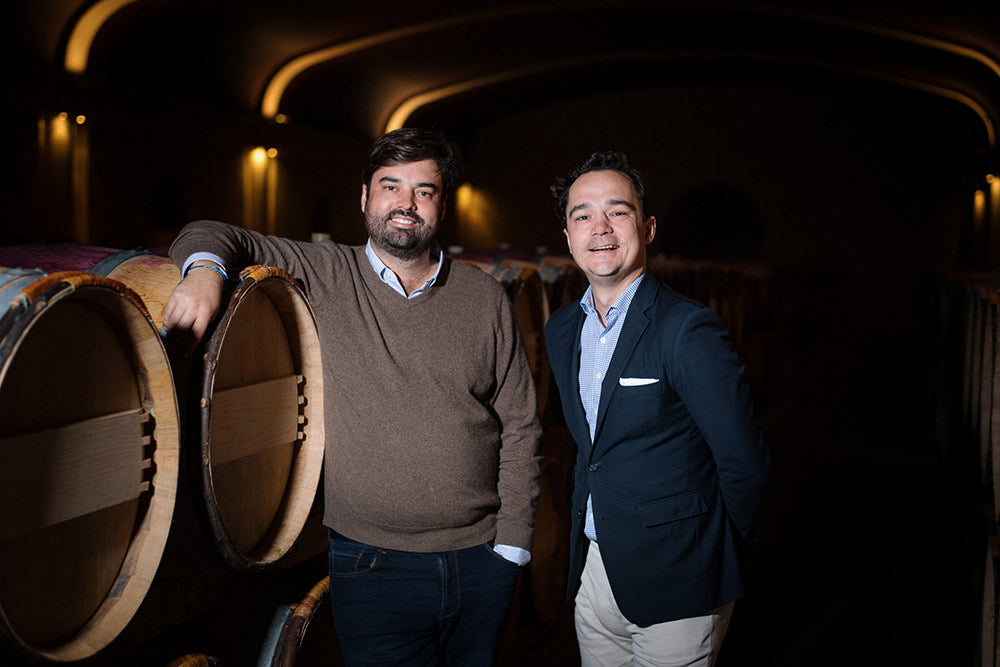
OUR GROWERS
Domaine De Chevalier
Explore related wines


What are you looking for tonight? Tell me the occasion, a grape, a region — or just try a suggestion below.
Your recommendations will appear here.
-
-
Speak to one of our Wine Gurus
Speak to a Wine GuruWith years of experience, our team can help you with all your wine buying and selling needs