

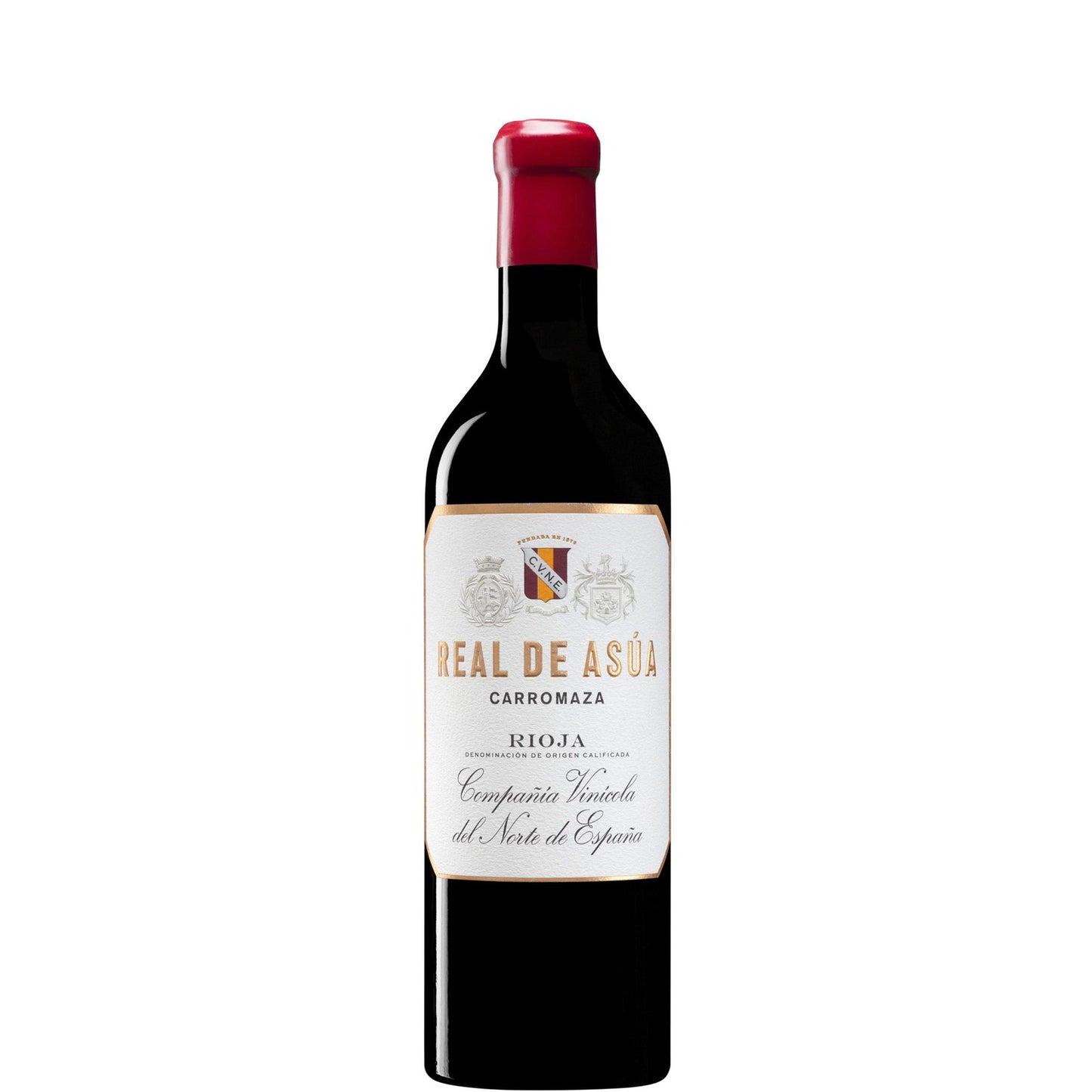
CVNE, Real De Asua Rioja, 2019
CVNE, Real De Asua Rioja, 2019
- 75cl
- 13.5%
- Red Still
- Tempranillo
Couldn't load pickup availability

Optimal drinking window: Now - 2036
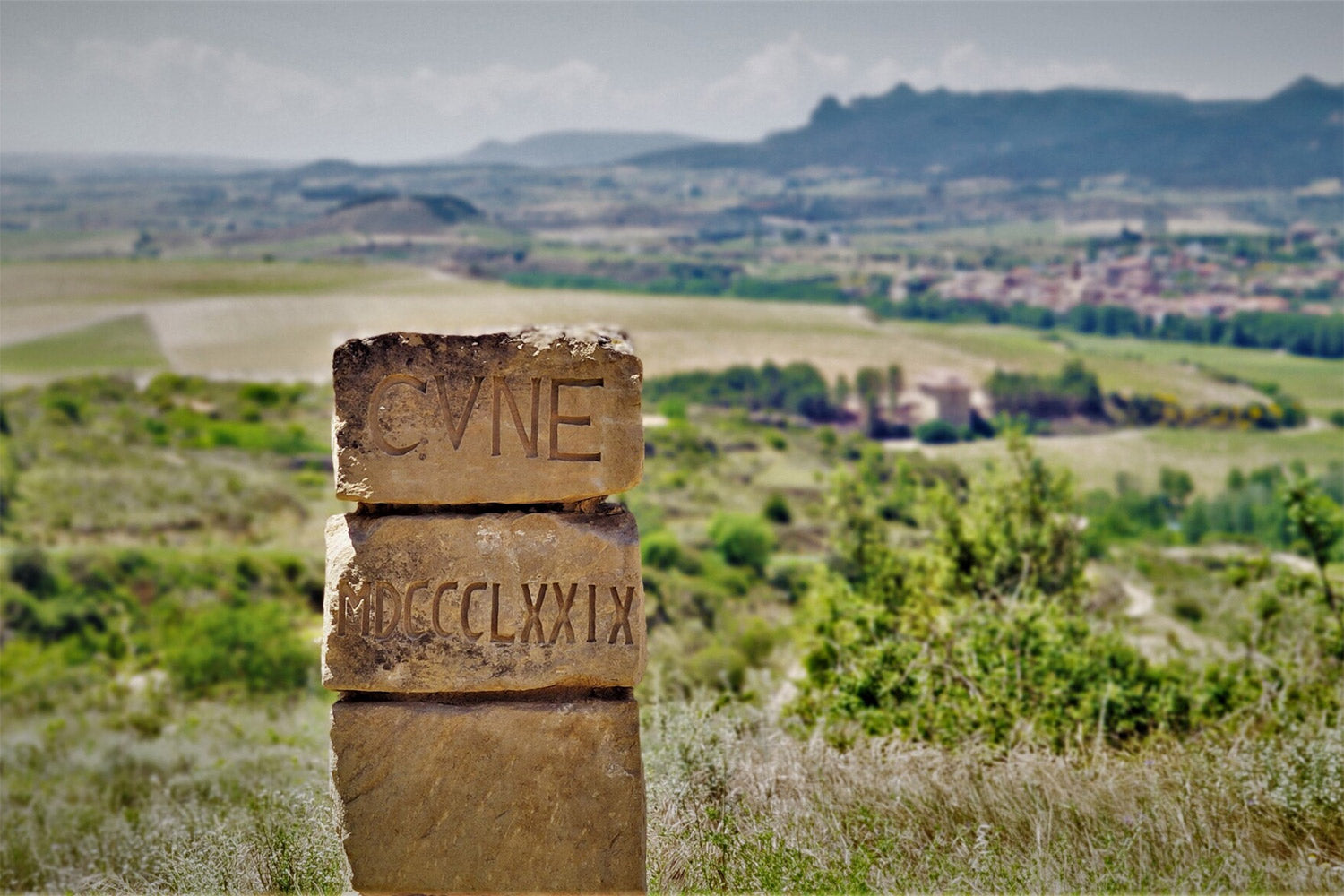
CVNE Real de Asúa s a brilliant modern Rioja from one of the region’s most respected and historic producers—but with a contemporary twist. Made in honour of the Real de Asúa brothers who founded CVNE back in 1879, this wine brings heritage and craftsmanship into sharp, stylish focus.
Sourced from a single vineyard in Villalba, one of the cooler spots in Rioja Alta, this 100% Tempranillo is all about purity, precision, and poise.
Right now, in 2026, Real de Asúa 2019 is in an excellent early window — the fruit is vivid, the tannins are integrating, and the wine has enough freshness to drink with genuine pleasure. Over the next three to five years, the primary cherry and floral character will deepen and begin to give way to more complex secondary notes: dried herbs, leather, and earthy subtlety. The Carromaza vineyard's sandy soils and the 2019 vintage's natural freshness suggest this will age gracefully rather than dramatically, reaching its plateau somewhere around 2030-2035. Drinking it beyond 2036 would be an act of faith rather than necessity.
What the critics say:
"A full-bodied, ripe and delicious red with firm, lightly chewy tannins. Lots of cherries, dried flowers, coconut and rosemary. Lavender and white roses, too. Firm and very well structured. Tight and fresh at the end. First year with single vineyard on the label. 100% tempranillo. Try this after 2025."
"The modern 2019 Real de Asúa has been produced since 2018 with grapes from a paraje in the village of Villalba called Carromaza (now mentioned on the label) on sandy, south-facing soils that were harvested between the 8th and 9th of October. 2019 was a low-yielding year with loose and small bunches that ripened thoroughly delivering wines that are balanced and have aging potential. It's 14.5% alcohol and has mellow acidity and good freshness and balance. It fermented in small oak vats with indigenous yeasts followed by malolactic in new French oak barrels and then matured in new and second use French barriques for 12 months. The wine is very impressive, showy, clean and harmonious, without any noticeable oak, juicy, harmonious, young, fresh and elegant. It has concentration, power and finesse. It has a new label and bottle and a much more modern image but with the essence form the past. The wine has improved a lot, and it has grip and very fine tannins. Very impressive. It has the naked essence of Rioja without the layers and layers of oak, now from a single vineyard where they want freshness and a lush but floral and delicate profile you have to drink effortlessly. Superb."
Tasting Notes
AppearanceDeep, clear ruby with a bright, youthful rim.
NoseVivid wild cherry and dried rose petals lead, with rosemary, lavender, and a whisper of coconut from the French oak — but it's the floral lift that stays with you. There's a purity here that feels genuinely single-vineyard rather than blended into anonymity.
PalateFull-bodied but composed, with juicy cherry fruit, fine-grained tannins, and enough freshness to keep everything in motion. The oak has been absorbed entirely — 12 months in French barriques and you wouldn't know it. Power and elegance in the same glass.
FinishLong, clean, and mineral, with the tannins firming up elegantly at the very end.
Overall impressionModern Rioja at its most self-assured — no oak shorthand, no convention for its own sake, just Tempranillo from a single great vineyard doing exactly what it should.
Food Pairings
In Rioja, this style of wine is built for the table — specifically the slow, sociable kind of eating the region does best. A Sunday cochinillo asado (roast suckling pig) or cordero al chilindrón, lamb braised with peppers and tomato, would be a natural match for the wine's cherry fruit and fine tannins. Grilled chuletillas de cordero — the tiny lamb cutlets cooked over vine cuttings that are practically the region's culinary signature — would be superb. Older Manchego or Roncal cheese would work beautifully at the end of a meal, too, drawing out the wine's more floral, dried-herb character.
We think this wine would go well with
Serve at around 16-17°C — cool enough to keep the freshness alive, warm enough to let the aromatics open up. Decant for 45 minutes to an hour; the wine is still young and benefits from the air, though it's not so tight that it needs punishing. A large Burgundy-style bowl will reward you here, giving the floral notes room to breathe.
The Carromaza paraje in Villalba sits in one of the cooler pockets of Rioja Alta, with sandy, south-facing soils that naturally limit yields and encourage small, loose bunches with concentrated but delicate flavour. Sandy soils tend to produce wines of lift and finesse rather than weight and extraction — they preserve aromatic detail and give tannins a finer grain. The 2019 vintage delivered exactly that: low yields, thorough ripeness, and wines with genuine freshness and ageing potential baked in.
Rioja is Spain's most famous wine region, divided into three sub-zones — Rioja Alta, Rioja Alavesa, and Rioja Oriental — each with distinct soils and climates. Rioja Alta, where CVNE is based, is the coolest and highest of the three, producing wines of greater freshness and longevity than the warmer eastern reaches. The DO Calificada (DOCa) classification, one of only two in Spain, reflects the region's historic prestige, though it's the move towards single-vineyard wines like this one that is reshaping how serious Rioja is understood internationally.
The 2019 vintage in Rioja delivered what many producers had been hoping for after a string of challenging years. The growing season brought well-timed rainfall in spring followed by warm, dry conditions through summer and harvest, allowing grapes to ripen steadily without the stress that marked some recent vintages. Harvest began in late September under ideal conditions, with producers able to pick at optimal ripeness levels across both Tempranillo and the supporting cast of Garnacha and Graciano.
What emerged were wines with immediate charm but serious underlying structure – Tempranillo showing rich, dark fruit with firm tannins that promise good ageing potential, while Garnacha contributed its typical spicy warmth without the overripeness that sometimes mars warmer years. The quality is consistently high across all price levels, from young wines through to the gran reservas that will define this vintage's reputation. Most 2019 Riojas are drinking beautifully now, particularly the joven and crianza bottlings, whilst the reservas and gran reservas should reward patience until 2030 and beyond.
FAQs
What does CVNE Real de Asúa 2019 taste like?
Think vivid wild cherry, dried rose petals, lavender, and rosemary — floral and precise rather than rich and oakey. The tannins are fine and well-integrated, the finish long and fresh. It's a Rioja that leads with elegance, not weight.
When should I drink this wine?
It's drinking very well now and will continue to until around 2035. The fruit is generous and accessible, though another three to five years in the cellar will add complexity and depth without losing the wine's inherent freshness.
Is it worth cellaring?
Yes, with conviction. The 2019 vintage delivered naturally low yields and thorough ripeness, and the sandy Carromaza vineyard gives the wine a structure built for medium-term ageing. It won't transform dramatically, but it will deepen and reward patience until at least 2033-2035.
What food should I serve with this?
Roast lamb is the classic match — specifically chuletillas de cordero, the grilled lamb cutlets of the Rioja region. Slow-braised dishes with peppers and tomato work brilliantly too. If you're going cheese, reach for an aged Manchego or Roncal.
How should I serve it?
At around 16-17°C, decanted for 45 minutes to an hour. The wine is still young enough to benefit from air, and a large-bowled glass will help the floral aromatics express themselves properly.
What makes this different from standard Rioja?
This is a single-vineyard wine from Carromaza in Villalba — a specific paraje rather than a blended regional wine. There's no age-designation oak regime driving the style here; instead, the focus is entirely on what that one vineyard in a cool corner of Rioja Alta can produce. It's Rioja stripped back to its essence, with 97-point critical recognition to match.
OUR GROWERS
CVNE
Explore related wines


What are you looking for tonight? Tell me the occasion, a grape, a region — or just try a suggestion below.
Your recommendations will appear here.
-
-
Speak to one of our Wine Gurus
Speak to a Wine GuruWith years of experience, our team can help you with all your wine buying and selling needs