

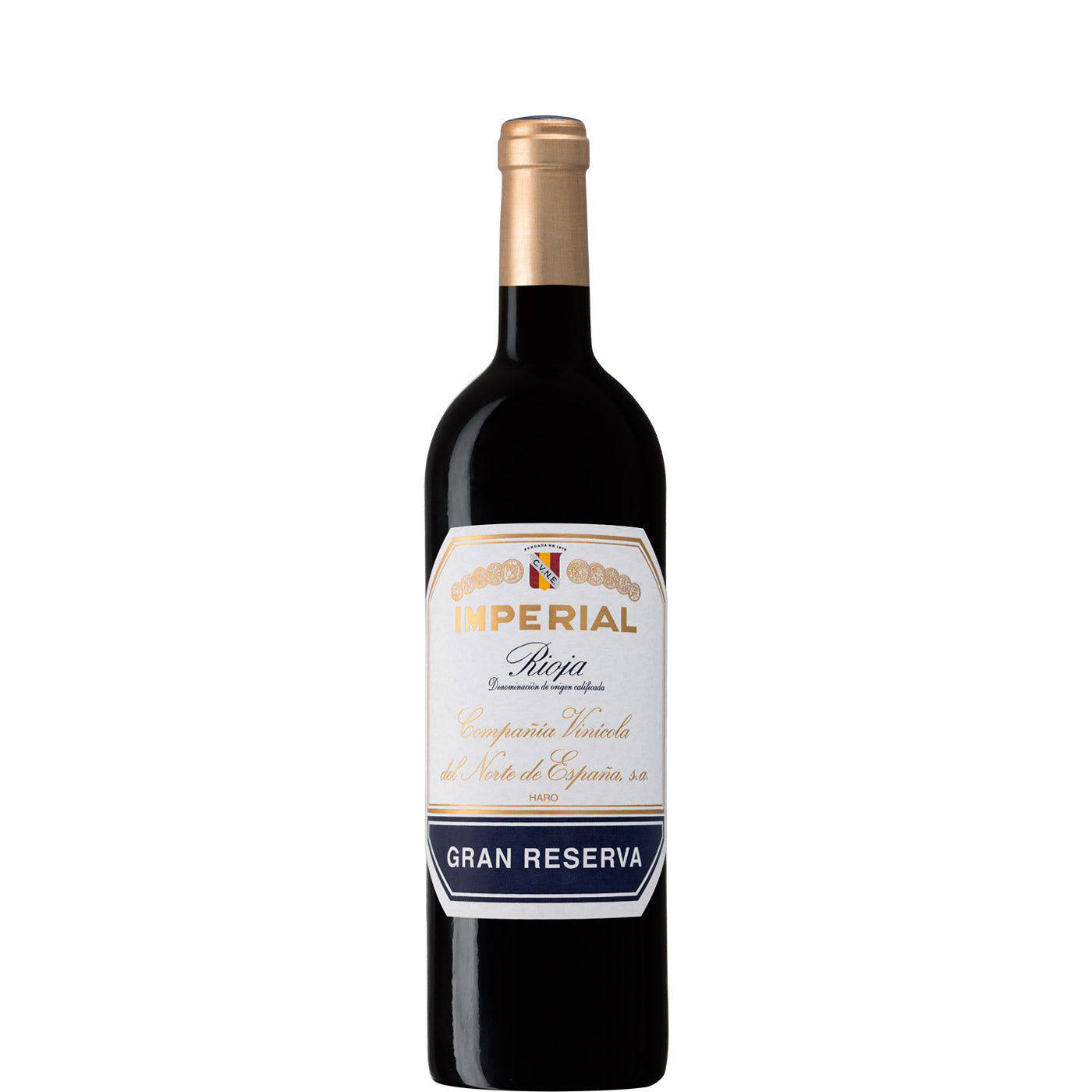
CVNE, Imperial Gran Reserva, 2016
CVNE, Imperial Gran Reserva, 2016
- 75cl
- 14.5%
- Red Still
- Tempranillo, Graciano y Mazuelo
Couldn't load pickup availability

Optimal drinking window: Now - 2045
On the nose, the 2016 Imperial Gran Reserva presents aromas of black and red fruits, complemented by notes of forest floor, cloves, roasted coffee, cigar leaf, chocolate, caramel, and balsamic nuances. The palate is deep and elegant, with warm tannins well balanced by acidity, leading to a long and complex finish.
Crafted from the finest vineyards of Rioja Alta, this wine undergoes a meticulous selection process - from the vineyards to the cellar, to the barrels, resulting in a Gran Reserva with superb aging potential. The cooler growing season has yielded a wine with vibrant acidity and integrated tannins, balancing both power and grace, perfect for drinking now or cellaring for years to come.
Right now the wine is in an interesting in-between phase — the primary fruit is still vivid, but the secondary complexity of cedar, dried spice, and earth is already emerging. Over the next three to five years the tannins will continue to integrate and the graphite minerality will become more pronounced, pushing this into its real prime around 2027 to 2032. At its plateau, expect the dark fruit to have shifted towards dried fig and leather, with the oak fully absorbed into the wine's structure. It should hold comfortably until 2040, and in the best conditions — a proper cellar, minimal movement — likely well beyond that.
What the critics say:
"Polished and structured with firm, very fine tannins. Lots going on here, with layers of black fruit, dried spices, graphite, coconut and cracked pepper. Full-bodied and so intense. Keeps going. Long. The tannins are so fine and so numerous. One of the greatest modern Gran Reservas. 85% Tempranillo, 10% Graciano and 5% Mazuelo. Try in 2025."
"The classical 2016 Imperial Gran Reserva was produced with a blend of 85% Tempranillo, 10% Graciano and 5% Mazuelo from grapes that were picked between October 10 and 25 with good ripeness, delivering a wine with 14.5% alcohol after fermenting in small oak vats followed by malolactic in concrete and two years in barrel and three in bottle. I was quite surprised, because the wine was quite closed and needed energetic swirling and time in the glass to reveal its true colours. It has more stuffing and finesse than the reserva. 2016 was a very good vintage, with freshness and balance to develop nicely in bottle. The tannins are very fine, and the wine is tasty and long. 50,000 bottles produced. It was bottled in July 2019."
Tasting Notes
AppearanceDeep ruby, concentrated and clear, with a rim that is just beginning to take on the faintest garnet warmth.
NoseThis needs air — give it time and it opens into dark plum, cracked black pepper, graphite, and a curl of cigar leaf. Behind that, roasted coffee, dried clove, and a balsamic depth that speaks to seven years of careful ageing. It is not immediately giving, which is precisely the point.
PalateFull-bodied but precise, with tannins that are both numerous and extraordinarily fine — you feel the grip but never the roughness. The acidity of the 2016 vintage keeps everything lifted and focused, cutting through the dark fruit and spice with real energy. Layers keep appearing: coconut from the oak, dried herbs, a dark chocolatey core.
FinishLong, savoury, and persistent, with pepper and graphite trailing well after the wine has gone.
Overall impressionOne of the finest modern expressions of Imperial we have tasted — structured for the long haul, but rewarding enough right now.
Food Pairings
In Haro and across Rioja Alta, this would traditionally be opened alongside a whole roast lamb — lechazo — slow-cooked in a wood-fired oven until the fat has rendered and the skin is crackling. Chuletillas al sarmiento, small lamb cutlets grilled over vine cuttings, is another classic pairing that matches the wine's smoky, spiced character. Aged Manchego or Idiazabal cheese, with their lanolin richness, would also work handsomely. At a longer table, this is the wine you bring out for cocido madrileño or a slow-braised oxtail stew — dishes with depth, fat, and time built into them.
We think this wine would go well with
Serve at 17 to 18°C — any warmer and the alcohol begins to dominate. Decanting is strongly recommended: pour it out at least ninety minutes before serving, ideally two hours, as the wine is still quite closed and rewards every extra minute it gets to breathe. A large-bowled Bordeaux or Burgundy glass gives the aromatics the room they need to open up properly.
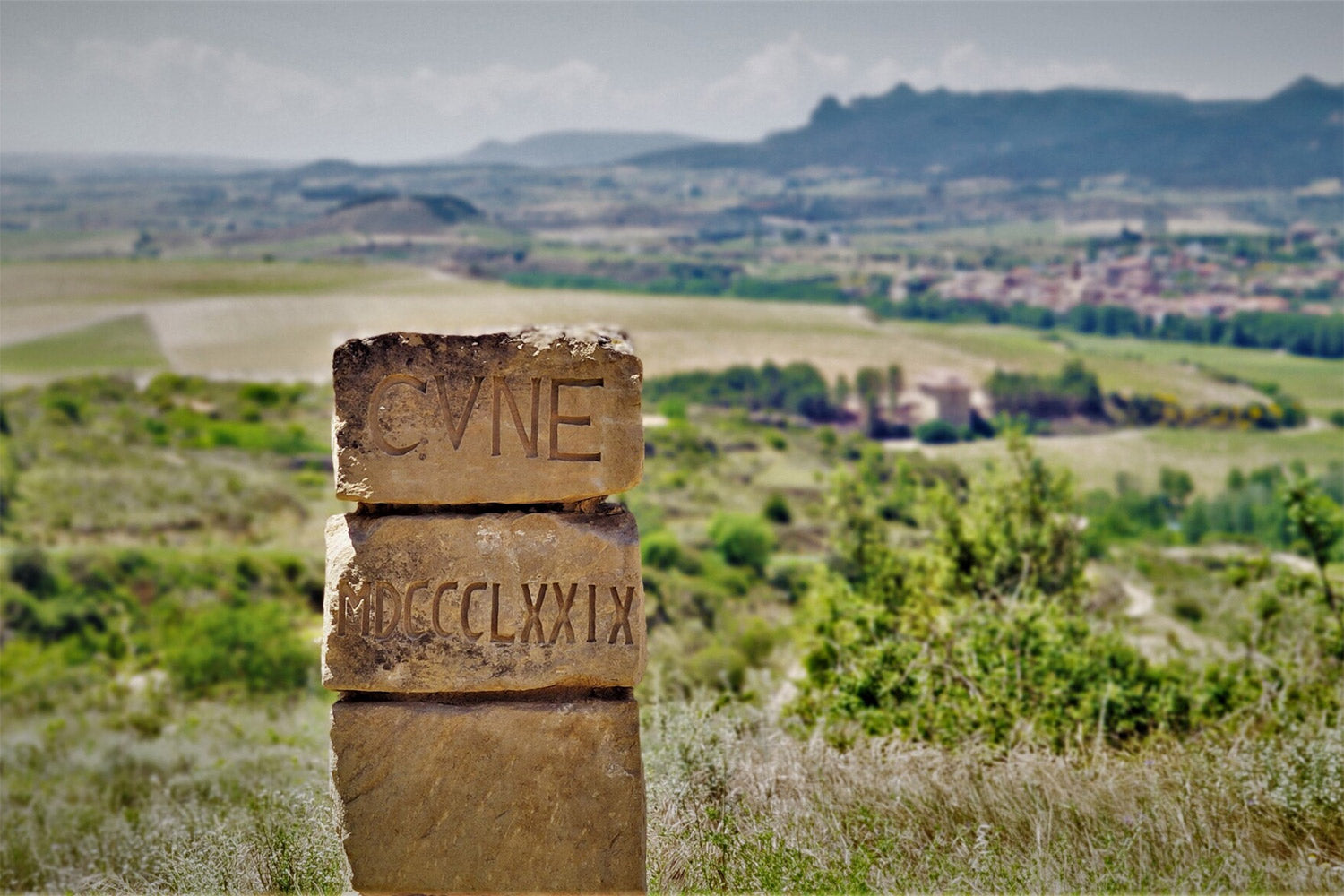
The Imperial vineyards are drawn from Rioja Alta's best plots, where the soils are predominantly clay-limestone with iron-rich deposits that encourage slow, even ripening. Altitude sits broadly between 400 and 500 metres, giving cool nights that preserve acidity and lengthen the growing season. The 2016 vintage delivered an unusually cool, long harvest — grapes picked between 10 and 25 October — which is written clearly in the wine's structure and freshness.
Rioja is Spain's most regulated and storied red wine appellation, split into three sub-zones: Alta, Alavesa, and Oriental. Rioja Alta, the westernmost, is coolest and most Atlantic-influenced, producing wines with sharper acidity and greater ageing potential than those from the warmer Oriental. Gran Reserva is the appellation's top tier, requiring a minimum of five years' ageing — at least two in oak and two in bottle — and is only produced in the best vintages. It is a designation that demands patience and rewards it.
We think 2016 in Rioja is one of those vintages that flew under the radar whilst everyone was obsessing over Bordeaux's brilliant year. The growing season started promisingly with a mild winter and early budbreak, but then May delivered a proper frost wallop that had growers reaching for the smudge pots. Summer turned scorching hot and bone dry, with temperatures regularly hitting 40°C in July and August, before September rains arrived just in time to plump up the grapes without diluting them.
What emerged was a vintage of real concentration and power, particularly for Tempranillo, which seemed to shrug off the heat stress better than anyone expected. The wines have this lovely tension between ripe, generous fruit and firm, age-worthy structure that reminds us why we fell in love with traditional Rioja in the first place. Quality varies more than in the uniformly excellent 2010 or 2001, but the best producers made wines with serious backbone and decades ahead of them. The Reservas and Gran Reservas are drinking beautifully now if you fancy immediate gratification, though we'd argue they'll reward another five to ten years in the cellar.
FAQs
What does CVNE Imperial Gran Reserva 2016 taste like?
Dark plum, cracked pepper, graphite, and roasted coffee, with an undercurrent of dried clove and cigar leaf. The tannins are dense but extraordinarily fine, and the 2016 vintage's natural freshness keeps everything focused and alive. It needs air — but it rewards the wait.
When should I drink this wine?
It is approachable now with a good two hours of decanting, but it is genuinely built for the medium to long term. We think it hits its stride around 2027 to 2032, and should hold its peak until 2040 or beyond in good cellaring conditions.
Should I decant it?
Absolutely, and generously. The wine is still relatively closed and benefits enormously from air — allow at least ninety minutes, ideally two hours. A large-bowled glass will do the rest of the work.
What food should I serve with it?
Think roast lamb, grilled lamb cutlets, slow-braised oxtail, or anything with depth and fat. Aged sheep's milk cheeses such as Manchego or Idiazabal also work very well. This is not a wine for delicate food.
Is this wine worth cellaring?
Very much so. James Suckling called it one of the greatest modern Gran Reservas, and at 98 points he was not being generous for the sake of it. If you have the patience and the cellar space, putting a few bottles away until 2030 and beyond will be well rewarded.
How is Imperial Gran Reserva different from a standard Rioja Reserva?
Gran Reserva represents the top tier of the Rioja classification, made only in the best vintages and aged for a minimum of five years before release — at least two in oak and two in bottle. Imperial Gran Reserva goes further, drawing from CVNE's finest vineyard selections and spending a full two years in barrel and three in bottle before leaving the winery. The result is a wine with considerably more structure, complexity, and ageing potential than a Reserva.
Explore related wines


What are you looking for tonight? Tell me the occasion, a grape, a region — or just try a suggestion below.
Your recommendations will appear here.
-
-
Speak to one of our Wine Gurus
Speak to a Wine GuruWith years of experience, our team can help you with all your wine buying and selling needs