

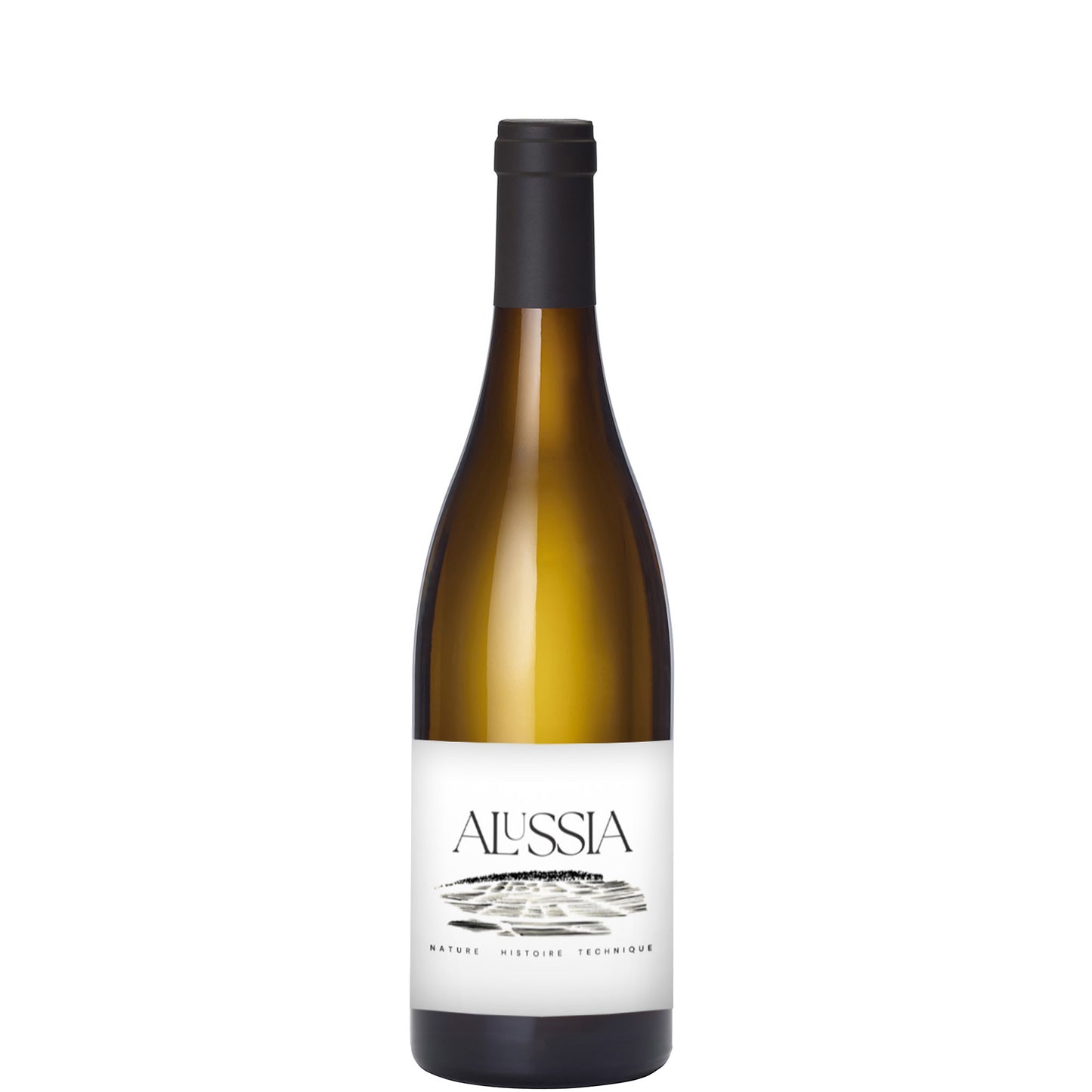
Coteaux Bourguignons blanc 'En Bollery', Domaine d'Alussia, 2023
Coteaux Bourguignons blanc 'En Bollery', Domaine d'Alussia, 2023
- 75cl
- 14%
- White Still
- Chardonnay
- Organic
- Biodynamic
Couldn't load pickup availability

Optimal drinking window: 2026 - 2032
An address on a new trajectory and definitely a name to watch - we are excited to introduce Domaine d'Alussia for the first time to Honest Grapes club members.
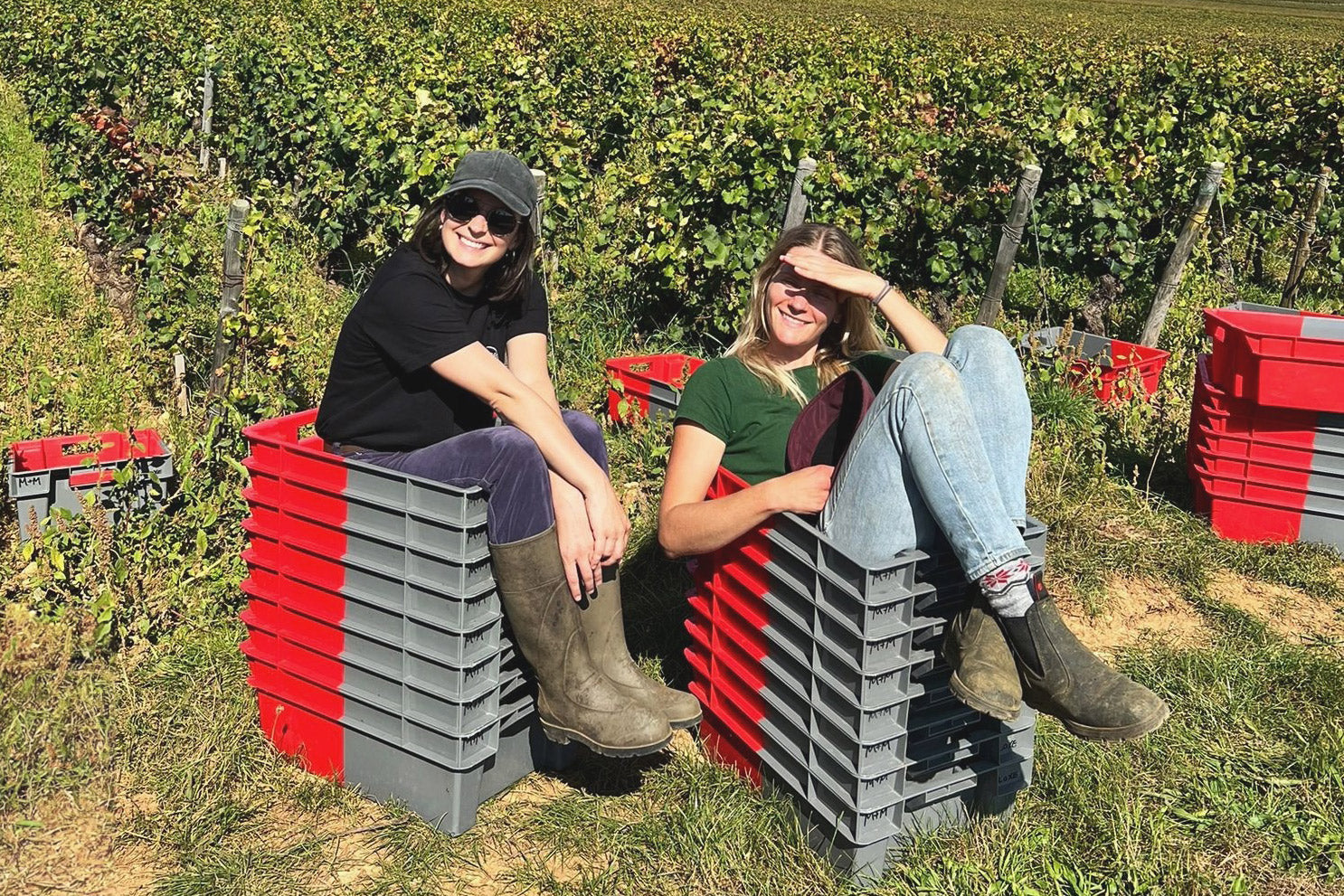
Winemaker Alexandra Wilson joined the domaine in August 2024, bringing valuable experience from her time with Benjamin Leroux and, before that, fellow Australian winemaker Jane Eyre. The team also benefits from the expertise of Bernard Zito, a renowned consultant and specialist in organic and biodynamic viticulture, aptly described by Winehog's Steen Öhman as “The Swiss Army knife of the Burgundy wine world.”
The domaine combines its own vineyards with contracts from trusted growers, offering a diverse range of wines. Notable holdings include a vineyard in Aloxe-Corton near the winery and three Premier Cru sites: Savigny-lès-Beaune, Pommard, and a prized 0.3-hectare plot in Puligny-Montrachet ‘Les Referts'. The Coteaux Bourguignons blanc 'En Bollery' is from a plot by Clos Vougeot, and was aged in steel and new oak and sandstone.
Currently showing primary fruit character with fresh citrus and orchard notes well-integrated with the oak regime. Over the next two years, expect the wine to develop more honeyed complexity whilst retaining its mineral backbone, with the steel and sandstone ageing components adding textural interest. By 2028-2030, secondary characters will emerge with subtle nutty and brioche notes from the oak, creating a more complex but still fresh profile. The wine should remain at its peak until 2032, after which the fruit may begin to fade whilst the mineral elements persist.
Tasting Notes
AppearancePale gold with green highlights, showing the wine's youth and freshness.
NoseCrisp green apple and lemon zest lead, followed by white flowers and a touch of vanilla from the oak ageing. There's an underlying mineral note that speaks to the limestone soils near Clos Vougeot. The sandstone ageing adds a subtle textural complexity to the aromatics.
PalateMedium-bodied with bright acidity carrying citrus and orchard fruits across the palate. The steel and oak ageing creates a lovely balance between freshness and creaminess, whilst the sandstone component adds an intriguing mineral backbone. The fruit remains pure and focused throughout.
FinishClean and persistent with lingering citrus and a chalky mineral note that recalls its prestigious vineyard location.
Overall impressionA precise, well-crafted white that punches above its appellation weight.
Food Pairings
In Burgundy, this style of white wine would traditionally accompany escargots de Bourgogne, the region's famous snails in garlic and parsley butter, where the wine's acidity cuts through the richness. Locals would also pair it with jambon persillé, the local pressed ham terrine studded with herbs, or coq au vin blanc made with the same wine. During autumn, it would grace tables alongside pumpkin soup or roasted chicken with tarragon. The wine's mineral character makes it perfect with the local Chaource cheese, a soft-ripened cheese from nearby Champagne that's beloved in Burgundian households.
We think this wine would go well with
Serve well-chilled at 10-12°C to showcase the wine's crisp acidity and mineral precision. No decanting needed for this style, though opening 15 minutes before serving allows the oak integration to show at its best. Use a medium-sized white wine glass with a slightly tapered bowl to concentrate the delicate aromatics whilst allowing the wine to breathe gently. The wine benefits from being served in good glassware that doesn't overwhelm its subtle complexity.
The 'En Bollery' vineyard sits near the legendary Clos Vougeot, benefiting from the same limestone-rich soils that define this part of the Côte d'Or. The proximity to this grand cru site means similar drainage and mineral composition, with the vineyard's slightly lower elevation providing a touch more warmth for full ripening. This terroir combination delivers both the mineral precision expected from Burgundian limestone and the generous fruit character that makes Coteaux Bourguignons so appealing.
Coteaux Bourguignons is Burgundy's regional appellation, created in 2011 to replace Bourgogne Grand Ordinaire. It allows for blending across the region and includes grape varieties beyond the classic Pinot Noir and Chardonnay, though many producers stick to traditional varieties. The appellation covers the entire Burgundy region, giving winemakers flexibility to source from different areas and create wines that capture the essence of Burgundian style without the restrictions of village-specific rules. It's where many innovative producers experiment whilst maintaining Burgundy's fundamental character.
The 2023 growing season in Burgundy unfolded like a cautionary tale about climate change, then pulled off a last-minute redemption that left everyone rather stunned. After a warm, early spring pushed budbreak ahead of schedule, the vines endured a thoroughly miserable summer of persistent rain and cool temperatures that had growers muttering darkly about rot and dilution. Just when things looked dire, September arrived with glorious sunshine and dry winds that concentrated the fruit and saved the harvest—though not without some frantic sorting in the cellars.
What emerged from this meteorological rollercoaster are wines that wear their vintage on their sleeve: Pinot Noirs with bright, singing acidity and red fruit that feels almost crystalline in its purity, whilst the Chardonnays show remarkable tension and mineral drive. The reds are drinking beautifully now if you fancy immediate pleasure, but we suspect the better villages and premiers crus will reward patience over the next decade. It's not a powerhouse vintage, but there's something genuinely charming about these wines—they remind us why we fell for Burgundy in the first place.
FAQs
What does this wine taste like?
Fresh and mineral-driven with citrus fruits, white flowers, and a creamy texture from careful oak ageing. The proximity to Clos Vougeot gives it serious Burgundian character.
When should I drink this wine?
Perfect to drink now through 2032. It's showing beautifully in its youth but will develop more complexity over the next few years.
What food pairs well with this wine?
Classic with roast chicken, fish in cream sauces, or soft cheeses. The mineral character makes it excellent with oysters or other shellfish.
How should I serve this wine?
Serve well-chilled at 10-12°C in proper white wine glasses. No need to decant, just open and pour.
Is this wine worth cellaring?
It will reward short-term cellaring until 2032, developing honeyed complexity whilst keeping its freshness. Not built for decades but will evolve nicely over 5-6 years.
What makes this wine special?
The vineyard location near Clos Vougeot gives it serious pedigree, whilst the innovative ageing in steel, oak, and sandstone creates unique complexity for a regional Burgundy.
Explore related wines


What are you looking for tonight? Tell me the occasion, a grape, a region — or just try a suggestion below.
Your recommendations will appear here.
-
-
Speak to one of our Wine Gurus
Speak to a Wine GuruWith years of experience, our team can help you with all your wine buying and selling needs