

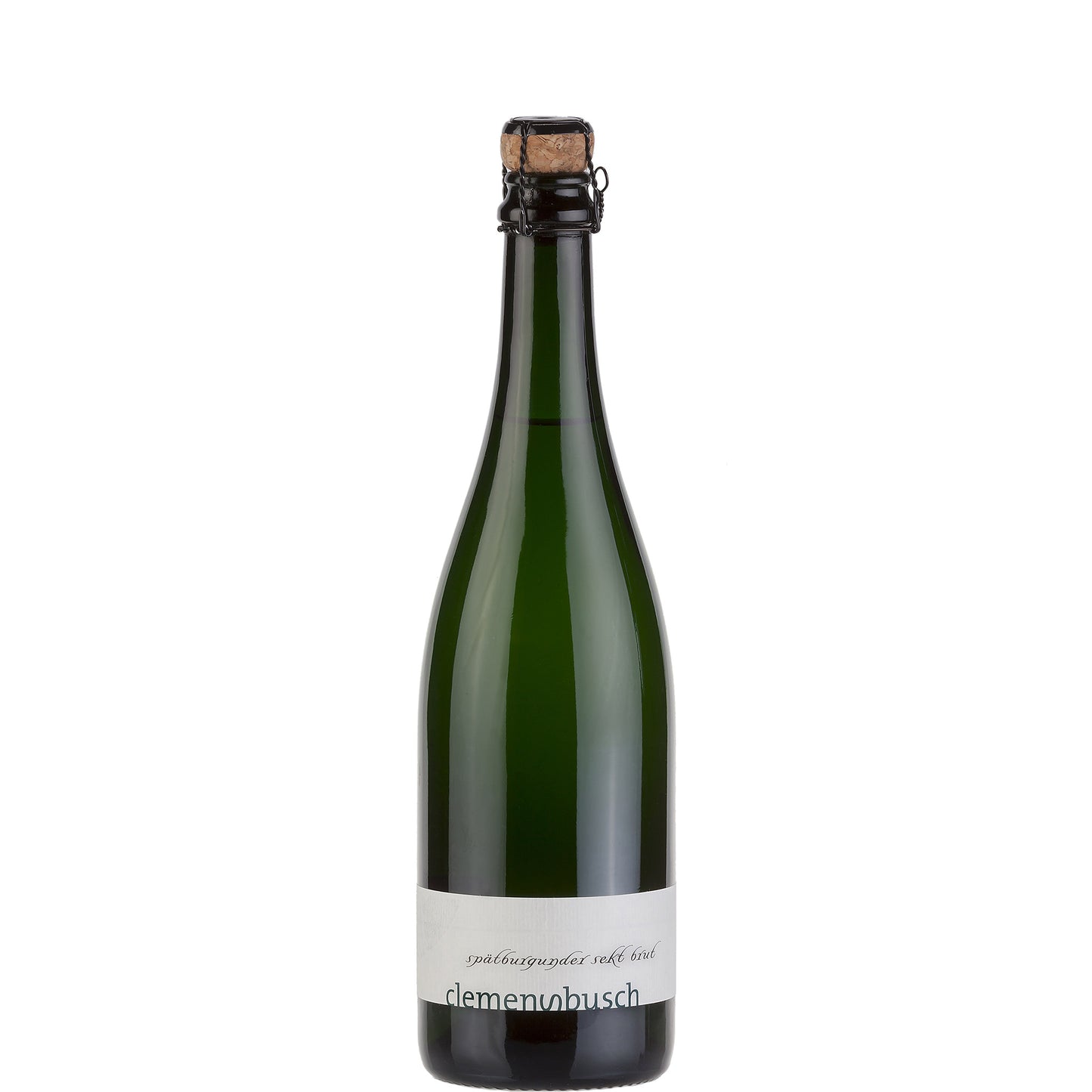
Clemens Busch, Spätburgunder Sekt Blanc De Noir Brut, 2018
Clemens Busch, Spätburgunder Sekt Blanc De Noir Brut, 2018
- 75cl
- 12.5%
- White Sparkling
- Pinot Noir
- Organic
- Biodynamic
- Vegetarian
- Vegan
Couldn't load pickup availability

Optimal drinking window: 2026 - 2030
This is a Blanc de Noir sparkling wine made from Spätburgunder (Pinot Noir). Though it’s crafted from dark-skinned grapes, it’s vinified without extracting colour from the skins, giving it a pale hue while keeping all the depth and character of Pinot.
Made using the traditional method (think Méthode Champenoise), it undergoes a second fermentation in the bottle for a refined, creamy sparkle. It’s elegant, layered, and full of delicate fruit - complex, but effortlessly drinkable.
This Sekt is approaching its optimal drinking window with the primary fruit now beautifully integrated with the secondary complexity from lees ageing. The mousse has reached perfect integration whilst retaining its liveliness. Over the next two to three years, expect the mineral elements to become even more pronounced whilst the fruit maintains its freshness. Beyond 2030, the wine will remain pleasant but may begin to lose its characteristic vibrancy and precision.
Tasting Notes
AppearancePale gold with persistent fine bubbles and excellent clarity.
NoseDelicate aromas of green apple and white peach emerge first, followed by subtle brioche and mineral slate. There's a lovely lifted quality that speaks to the wine's freshness and the precision of its making.
PalateCrisp and focused with excellent mousse integration, showing red apple, citrus zest, and a distinctive mineral backbone from the slate soils. The traditional method fermentation adds textural complexity without overwhelming the fruit's purity.
FinishClean and mineral-driven with lingering citrus and a signature slate-like precision.
Overall impressionA sparkling wine that proves German Sekt can compete with the world's finest bubbles.
Food Pairings
In the Mosel Valley, this would traditionally accompany freshwater fish from the river itself, perhaps trout or pike prepared simply with herbs and butter. Local charcuterie, particularly the region's distinctive Leberwurst, makes an excellent match, as do the area's famous potato dishes like Himmel un Ääd. The wine's mineral precision also complements the tangy local cheeses and seasonal asparagus that grows abundantly in the valley's gentler slopes.
We think this wine would go well with
Serve well-chilled at 6-8°C in proper flutes or white wine glasses to showcase the fine mousse and aromatic complexity. No decanting required - this is all about freshness and precision. The bubbles are delicate, so pour gently and avoid vigorous chilling that might dull the aromatics.
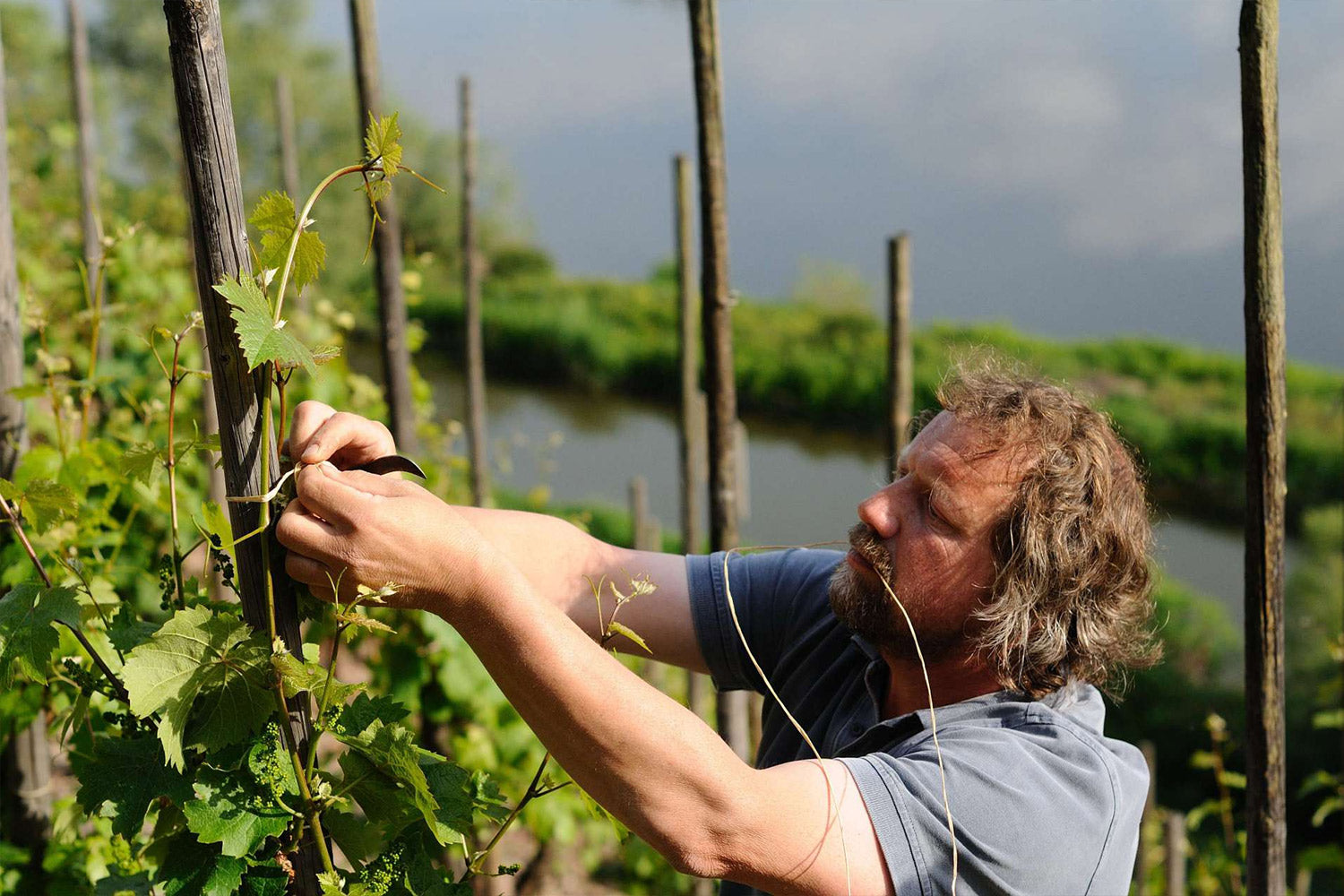
The vineyards cling to steep south-facing slopes above the Mosel River, planted on the region's distinctive blue slate soils. This slate fractured rock retains heat during the day and releases it slowly at night, creating ideal ripening conditions. The mineral-rich soils impart a signature tension and precision to the wines, whilst the river's moderating influence extends the growing season and preserves crucial acidity.
The Mosel is Germany's most celebrated wine region, famous for its precipitous slate vineyards and ethereal Rieslings. Whilst Riesling dominates, pioneering producers like Busch have proven that Spätburgunder can thrive on these mineral soils. The region's cool climate and extreme slopes create wines of remarkable finesse and longevity, quite different from the richer styles found in Baden or Württemberg.
The 2018 Mosel vintage was shaped by a relentlessly dry, hot summer that had growers nervously watching their vines through the longest drought in decades. The parched conditions concentrated flavours wonderfully but also meant careful canopy management became absolutely critical. Harvest came early and fast, with many estates picking their Kabinett fruit in September rather than the usual October marathon.
What emerged were Rieslings with surprising power wrapped in that unmistakable Mosel delicacy - think intense citrus and stone fruit flavours but with the mineral backbone intact. The best wines manage to be both ripe and racy, though some producers struggled with the balance and ended up with wines that feel a touch heavy for the region. We're drinking these with real pleasure now, as they've developed lovely honeyed textures whilst keeping their freshness, and they should continue rewarding cellaring until 2030.
FAQs
What does this sparkling wine taste like?
Crisp and mineral-driven with green apple, citrus, and a distinctive slate-like precision from the Mosel's famous soils.
How is this different from Champagne?
Made using the same traditional method but with a uniquely German character - more mineral, less creamy, with the signature precision that comes from slate terroir.
What food pairs well with this Sekt?
Excellent with seafood, particularly shellfish and river fish, as well as light charcuterie and fresh cheeses.
When should I drink this wine?
Perfect to drink now whilst it retains its fresh precision, and will hold beautifully until 2030.
How should I serve this sparkling wine?
Serve well-chilled at 6-8°C in flutes or white wine glasses, and pour gently to preserve the delicate mousse.
Is this wine worth cellaring?
It's already beautifully mature - drink over the next few years to enjoy its peak freshness and mineral precision.
Explore related wines


What are you looking for tonight? Tell me the occasion, a grape, a region — or just try a suggestion below.
Your recommendations will appear here.
-
-
Speak to one of our Wine Gurus
Speak to a Wine GuruWith years of experience, our team can help you with all your wine buying and selling needs