
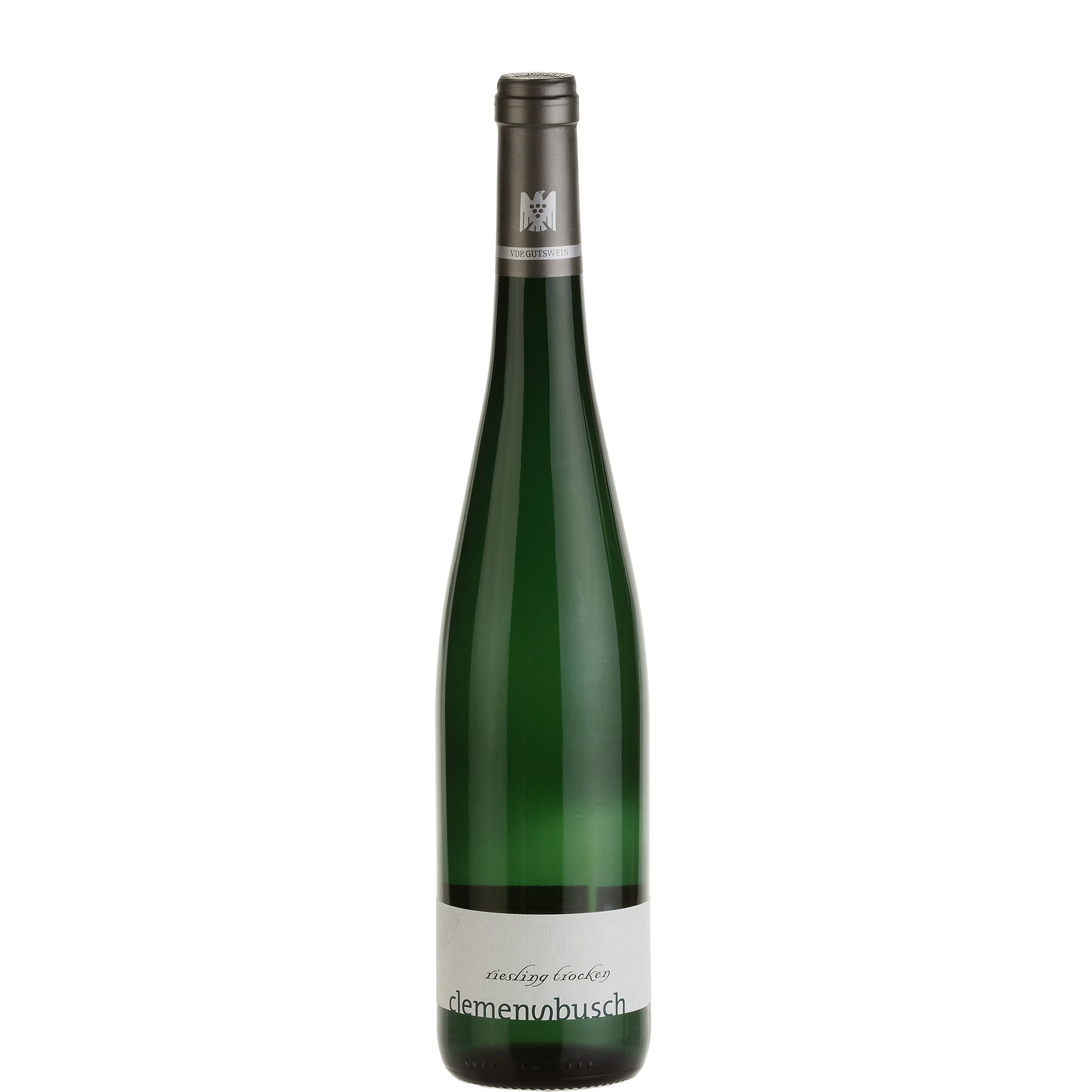
Clemens Busch, Riesling Trocken, 2022
Clemens Busch, Riesling Trocken, 2022
- 75cl
- 10.5%
- White Still
- Riesling
- Organic
- Biodynamic
- Vegetarian
- Vegan
Couldn't load pickup availability

Optimal drinking window: Now - 2033
About Clemens Busch, Riesling Trocken, 2022
The charming and self-effacing couple of Clemens and his wife Rita have gained a cult following over the past three decades for their laser-sharp, richly textured and terroir defined wines. Riesling is the king of grapes, the Mosel its most illustrious terrain and so produces its ultimate expression. Nowhere in the world is the identification of vine, winemaker and produce more precisely defined, and nowhere have we found Rieslings to compare with these.
In the sweet versus dry debate, it’s worth noting that Clemens only uses natural yeasts, preferring each wine to find its perfect balance in each vintage.
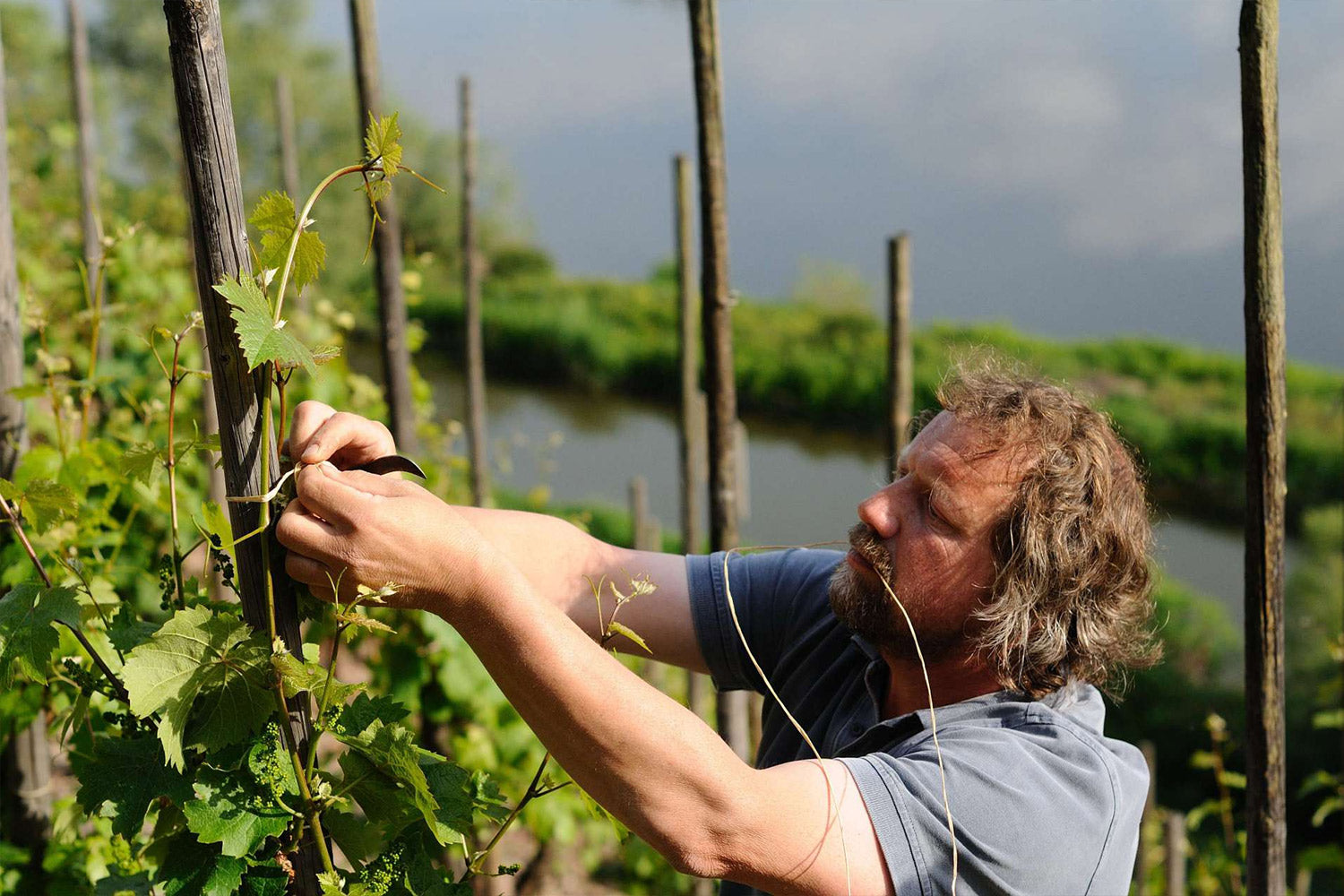
They have been members of Respekt, a group of winemakers who work biodynamically, since 2015. Clemens has long been a pioneer in organic viticulture, abandoning herbicides as early as 1976. In the early 80s his philosophy became more clearly defined as he met other Mosel producers interested in following these methods. At this time, he also started to experiment with lower sulphur levels and although he has made wines with zero sulphur, he thinks the combination of Riesling and the Lower Mosel climate calls for small additions to achieve the best results.
"The wines are exquisite, and each of the various Marienburg parcels is different: they shimmer aromatically, are alluring and profound, intense yet streamlined. Truly one of the Mosel’s best."
—Anne Krebiehl MW, Vinous (April, 2023)
This 2022 is currently in its adolescent phase, with the tartness still integrating and aromatics just beginning to emerge. By 2027, the primary fruit will have settled into harmony with the mineral backbone, revealing the wine's true character. The peak drinking window runs from 2028-2033, when secondary complexity will develop whilst maintaining freshness.
What the critics say:
"The 2022er Riesling Trocken comes from fruit picked on at least 30-year-old vines from various sectors in Pünderich. It offers a still subtly backward nose made of fresh herbs, a hint of pear, ginger, aniseed herbs, citrusy elements, white flowers, and fine spices. The wine is superbly playful and subtly creamy on the palate where a touch of tartness still needs to integrate. The finish is beautifully airy, hugely focused, and remarkably persistent. This is a stunning dry Riesling in the making and one which easily transcends the usual standards of a “simple Estate wine.”"
Tasting Notes
AppearancePale gold with brilliant clarity and a slight green tinge at the rim.
NoseStill backward but already showing fresh herb complexity with ginger spice, aniseed, and white flowers. Citrus elements dance around a mineral core whilst fine spices emerge with air. The aromatics shimmer and evolve in the glass, hinting at the depth to come.
PalateSuperbly playful entry with subtle creaminess that belies the wine's mineral precision. A touch of tartness still needs integration but the underlying fruit has remarkable focus and intensity. The slate minerality drives through the mid-palate with laser-like precision.
FinishBeautifully airy and hugely focused with remarkable persistence that seems to go on forever.
Overall impressionA stunning dry Riesling in the making that easily transcends typical estate wine standards.
Food Pairings
In the Mosel valley, this would accompany Sauerbraten (marinated roast beef) with its sweet-sour gravy that echoes Riesling's fruit-acid balance. Local Döppekuchen, a hearty potato and meat casserole, provides the perfect earthy counterpoint to the wine's minerality. River fish like trout or pike, simply prepared with herbs, highlight the wine's delicate aromatics without overwhelming its precision. The region's famous Streuselkuchen (crumb cake) with coffee makes an unexpectedly brilliant match for the wine's spicy, floral character.
We think this wine would go well with
Serve well-chilled at 8-10°C in large-bowled Riesling glasses to concentrate the aromatics. No decanting needed, but allow the wine to warm slightly in the glass to reveal its full complexity. Open at least 30 minutes before serving to let the initially tight aromatics unfold, and consider a slight swirl to release those herbal and spice notes.
The Marienburg vineyard in Pünderich sits on the Mosel's characteristic blue Devon slate, which radiates heat during the day and retains warmth through cool nights. This steep, south-facing slope provides optimal sun exposure whilst the river's proximity creates the humidity that allows noble rot to develop naturally. The ancient slate soils impart that distinctive mineral backbone that makes Mosel Riesling so distinctive, whilst the 30-year-old vines have roots deep enough to access the complex mineral layers below.
The Mosel is Germany's most northerly major wine region, where Riesling achieves its most ethereal expression on impossibly steep slate slopes. The region's cool climate and extended growing season allow grapes to ripen slowly whilst retaining brilliant acidity. Pünderich sits in the Middle Mosel, where the river's dramatic bends create perfect microclimates for world-class Riesling. Unlike the Rheingau's more structured style or Pfalz's riper approach, Mosel Rieslings are prized for their delicate balance of fruit, acidity, and mineral precision.
The 2022 vintage in the Mosel delivered one of those seasons that remind us why Riesling and these slate slopes were made for each other. After a challenging spring with late frosts threatening some vineyards, the summer brought sustained warmth without the punishing heat waves that can shut down ripening in other regions. The steep, river-facing sites that define the Mosel's greatest vineyards caught every available ray while the cooling influence of the river kept things civilised, allowing the grapes to ripen slowly and steadily through a long, dry autumn.
What emerged from the cellars shows classic Mosel character with a modern polish. The Rieslings display that thrilling interplay between ripe stone fruit and laser-sharp acidity that makes your mouth water, while the dry wines have a backbone that suggests they'll reward patience. We find the Kabinetts and Spätleses particularly compelling this year, showing immediate charm but with enough structure to develop beautifully over the next decade. The finest wines are drinking superbly now if you can't resist, though we suspect the real magic will unfold from 2025 onwards.
FAQs
What does this wine taste like?
Fresh and mineral-driven with herbs, ginger spice, and citrusy backbone. The texture is creamy yet precise, with a long, focused finish that showcases classic Mosel character.
When should I drink this wine?
Best from 2027 onwards when the tartness integrates. Peak drinking is 2028-2032, though it will remain excellent until 2034.
What food pairs well with this Riesling?
Brilliant with river fish, roasted pork, or spiced Asian dishes. The minerality works beautifully with shellfish, whilst the acidity cuts through richer German classics like Sauerbraten.
How should I serve this wine?
Serve well-chilled at 8-10°C in large Riesling glasses. Open 30 minutes before serving to let the aromatics develop, and let it warm slightly in the glass.
Is this wine worth cellaring?
Absolutely. This estate wine punches well above its weight and will reward 5-8 years of patience with increased complexity and integration.
How does this compare to sweeter Rieslings?
This trocken (dry) style shows Riesling's mineral precision without residual sugar, letting the slate terroir shine through. It's more food-friendly than sweeter styles whilst maintaining Riesling's characteristic aromatics.



What are you looking for tonight? Tell me the occasion, a grape, a region — or just try a suggestion below.
Your recommendations will appear here.
-
-
Speak to one of our Wine Gurus
Speak to a Wine GuruWith years of experience, our team can help you with all your wine buying and selling needs