

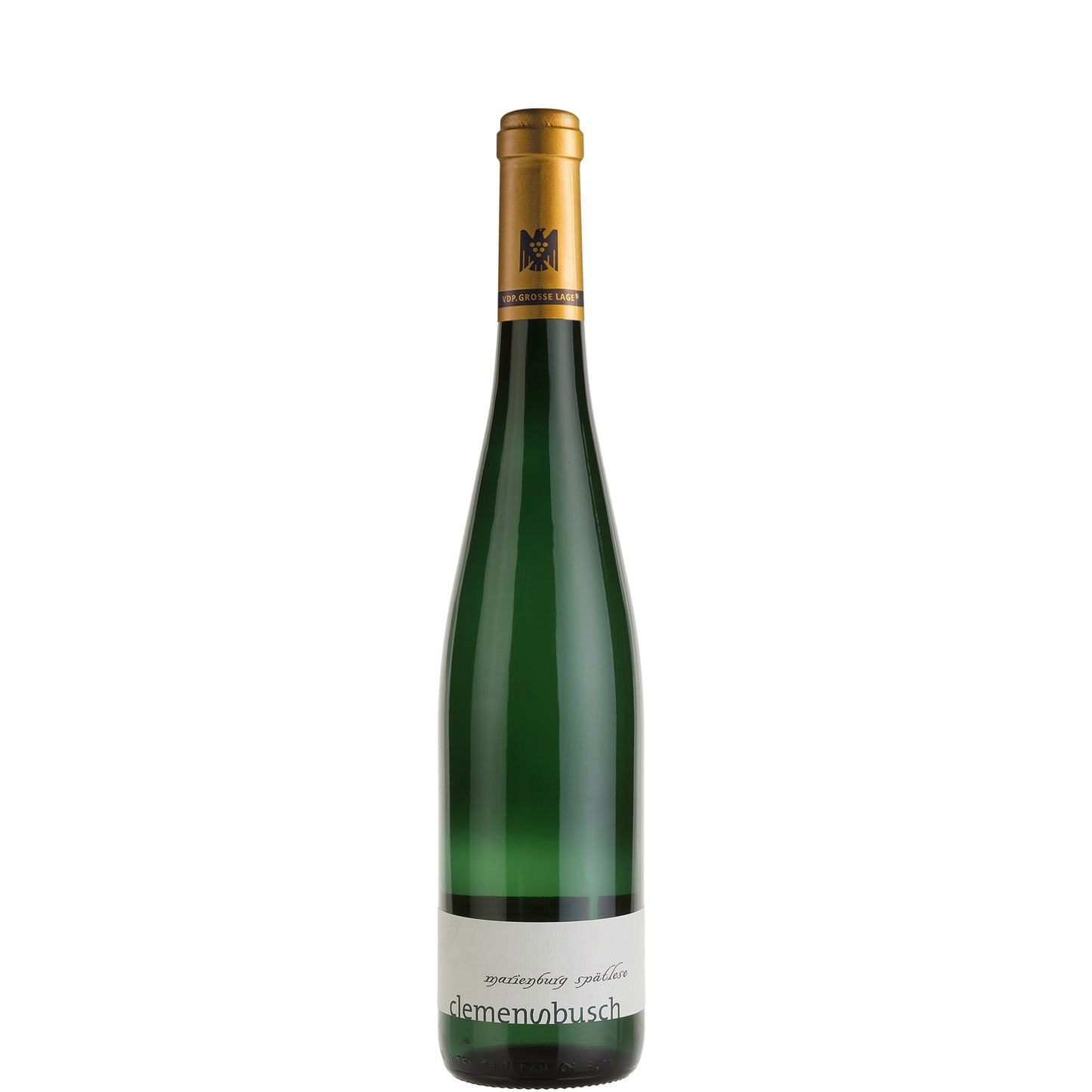
Clemens Busch, Marienburg Riesling Spätlese Goldkapsel, 2023
Clemens Busch, Marienburg Riesling Spätlese Goldkapsel, 2023
- 75cl
- 7.5%
- Dessert
- Riesling
- Organic
- Biodynamic
- Vegetarian
- Vegan
Couldn't load pickup availability

Optimal drinking window: 2026 - 2055
The Clemens Busch Marienburg Riesling Spätlese Goldkapsel is one of the estate’s most expressive sweet wines, drawn from carefully selected grapes grown on the steep slate slopes of the famed Marienburg vineyard in Pünderich; it’s lusciously sweet yet balanced by vibrant acidity, giving it lift and freshness.
The 'Goldkapsel' designation signals a special selection from the Spätlese harvest - often made from riper, more concentrated grapes, yielding greater depth, complexity, and intensity.
The term Spätlese literally means “late harvest” in German, referring to grapes picked later in the season when they’ve developed more sugar and flavour concentration. Unlike Auslese or higher Prädikat levels, Spätlese wines can range from delicately off-dry to fully sweet, always with a fine interplay of sweetness and acidity.
Currently showing its youthful exuberance with primary peach and citrus flavours dancing against the slate backdrop, this wine will develop remarkable complexity over the coming decades. By 2030, expect the fruit to integrate more fully with the mineral elements, developing honeyed richness whilst retaining that signature weightlessness. The wine should reach its plateau around 2035-2045, when tertiary aromatics of petrol and lanolin will emerge alongside the fruit. Even in its final decades, the acidity should preserve freshness well into the 2050s, making this a true cellar treasure.
What the critics say:
"Very exotic but also very delicate and precise, this is a great riesling Spatlese. Stunning concentration and vibrancy on the medium-bodied palate. Extremely long, finely nuanced slatey finish. From biodynamically grown grapes with Respekt certification. Drink or hold."
"The 2023 Pundericher Marienburg Spätlese Goldkapsel was mode without botrytis, with grapes from Falkenlay and Fahrlay within the Marienburg that were too advanced in ripeness for the GG. Supple peach and vivid lemon are set against slate on the nose. It fizzes away, spraying sweetness, clarity and stoniness. There is no weight, just exquisite lightness, ease and elegance. It dances, pirouettes, tip-toes and ruffles its tutu. This is simply wonderful and so zesty. Despite all of its playfulness, it should be taken seriously. The 2023 will shine for decades. (Sweet)"
Tasting Notes
AppearancePale gold with brilliant clarity and a hint of green at the rim.
NoseExotic yet delicate, with ripe peach and bright lemon zest lifted by slate minerality. There's a precision here that speaks to the vineyard's unique terroir, with no hint of the botrytis that often marks sweeter styles. The aromatics dance between fruit and stone with remarkable elegance.
PalateMedium-bodied yet feels weightless, with sweetness that fizzes and sprays across the palate rather than weighing it down. The interplay between luscious fruit and vibrant acidity creates extraordinary balance, whilst the slate backbone provides structure and length. Despite the sweetness, there's a sense of playfulness and lightness that makes this utterly compelling.
FinishExtremely long and finely nuanced, with that distinctive slatey minerality carrying the fruit flavours to a precise, clean conclusion.
Overall impressionThis pirouettes between power and grace, demanding to be taken seriously despite its playful charm.
Food Pairings
In the Mosel valley, sweet Rieslings like this traditionally accompany rich liver pâtés and terrines, where the wine's acidity cuts through the richness whilst the sweetness complements the savoury depth. Local cooks also pair these wines with Sauerbraten, the region's famous marinated roast beef, where the wine's fruit balances the dish's sweet-sour gravy. For dessert, nothing beats the classic pairing with fresh fruit tarts, particularly those featuring local apples or pears, where the wine's natural elegance enhances rather than competes with the delicate pastry.
We think this wine would go well with
Serve well-chilled at 8-10°C to preserve the wine's remarkable freshness and acidity balance. No need to decant — pour directly from the bottle to maintain that effervescent quality the critics noted. Use smaller bowled Riesling glasses or white Burgundy glasses to concentrate the delicate aromatics whilst allowing the wine's precision to shine. The wine's elegance makes it perfect for contemplative sipping rather than casual drinking.
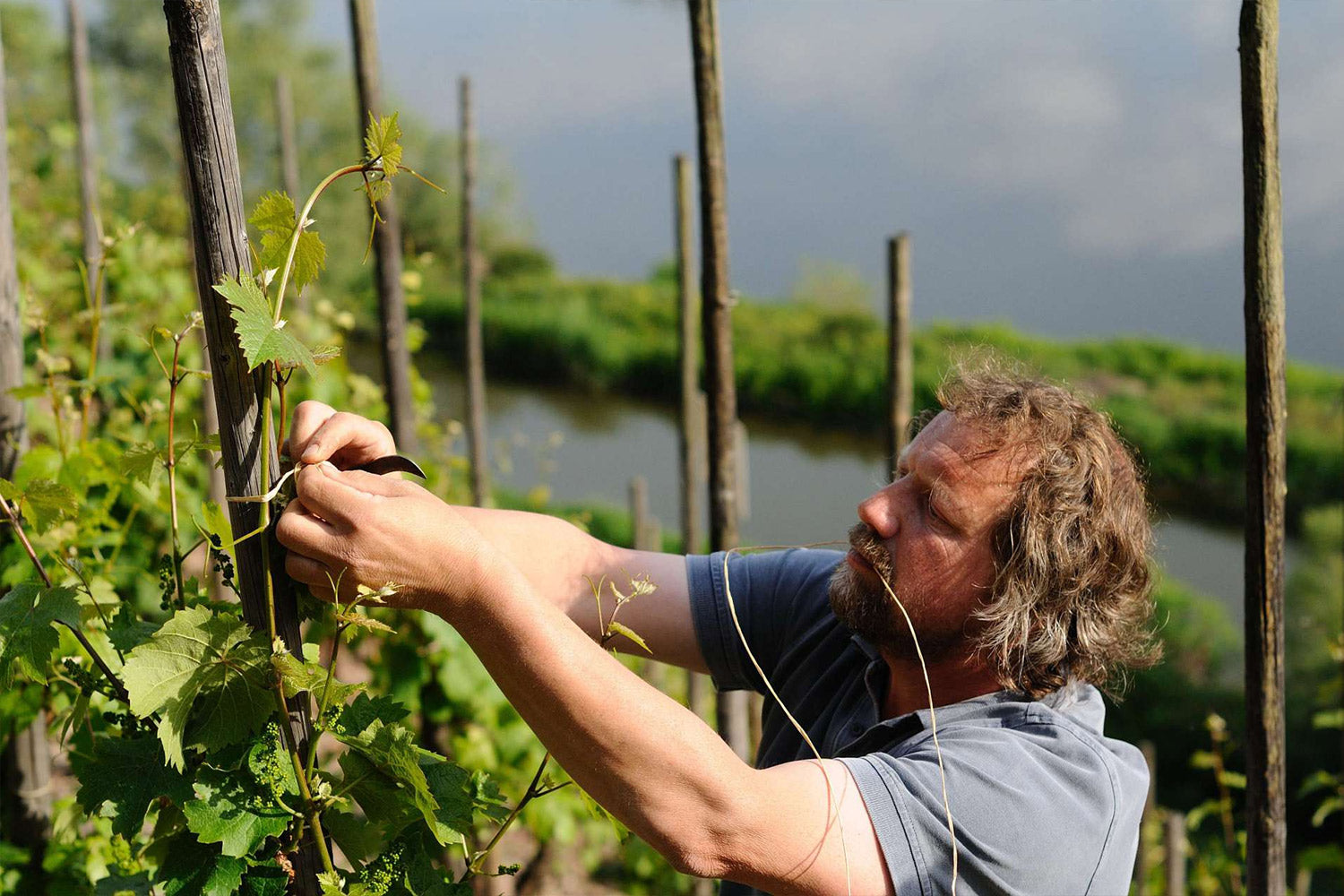
The Marienburg vineyard sits on steep slate slopes above the Mosel River at Pünderich, with the specific parcels Falkenlay and Fahrlay providing the fruit for this wine. The blue-grey slate soils retain heat during the day and release it slowly at night, extending the ripening season and contributing that distinctive mineral backbone. The precipitous gradients and river proximity create a unique microclimate that allows for extended hang time whilst preserving acidity.
Mosel represents the pinnacle of German Riesling, where the slate soils and extreme vineyard gradients create wines of unmatched elegance and longevity. The region's classification system includes Spätlese as part of the Prädikatswein hierarchy, indicating late-harvested grapes with natural sugar concentration. Unlike the more powerful Rheingau or Pfalz styles, Mosel Rieslings are defined by their weightless precision and ability to balance sweetness with razor-sharp acidity.
The 2023 Mosel vintage turned out rather better than anyone expected after a tricky start. Spring brought late frosts that had growers lighting candles in their vineyards like some medieval ritual, followed by a wet summer that made everyone nervous about rot and dilution. But September saved the day with crisp, sunny weather that let the Riesling ripen slowly and completely, building the sort of crystalline precision that makes the Mosel special.
What we've tasted so far shows wines with lovely tension – that tightrope walk between ripe fruit and snappy acidity that great Mosel Riesling does better than anywhere else. The quality is surprisingly consistent across the region, from the steep slate slopes of Bernkastel to the iron-rich soils around Ürziger Würzgarten. These wines are drinking beautifully now if you fancy them young and zippy, but the better bottlings have the structure to develop for a decade or more in your cellar.
FAQs
What does this wine taste like?
Exotic and weightless, with ripe peach and bright lemon balanced against distinctive slate minerality, sweet but never heavy thanks to vibrant acidity.
When should I drink this wine?
Gorgeous now for its youthful precision, but will reward patience and develop remarkable complexity over the next 30 years.
What food pairs well with this wine?
Perfect with rich pâtés, foie gras, spicy Asian cuisine, or fruit-based desserts where its sweetness and acidity provide beautiful contrast.
How should I serve this wine?
Serve well-chilled at 8-10°C in smaller bowled glasses to concentrate the delicate aromatics and preserve the wine's remarkable freshness.
Is this wine worth cellaring?
Absolutely — this is built for decades of evolution, with the potential to develop extraordinary complexity whilst retaining its signature elegance until 2055.
What makes Goldkapsel special?
The Goldkapsel designation indicates a special selection from the Spätlese harvest, made from the ripest, most concentrated grapes that were too advanced for dry wine production.


What are you looking for tonight? Tell me the occasion, a grape, a region — or just try a suggestion below.
Your recommendations will appear here.
-
-
Speak to one of our Wine Gurus
Speak to a Wine GuruWith years of experience, our team can help you with all your wine buying and selling needs