

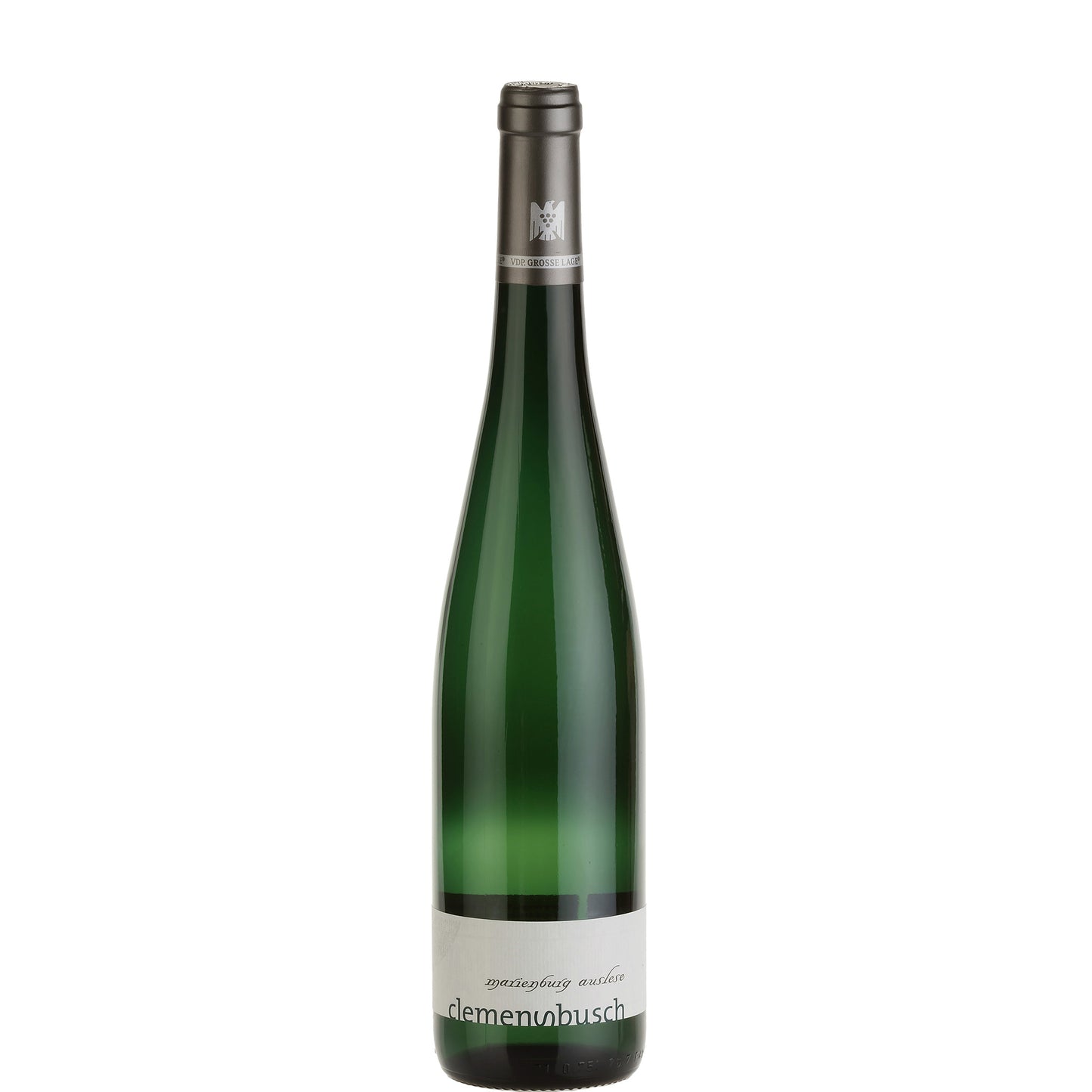
Clemens Busch, Marienburg Auslese Riesling, 2023
Clemens Busch, Marienburg Auslese Riesling, 2023
- 75cl
- 7.5%
- Dessert
- Riesling
- Organic
- Biodynamic
- Vegetarian
- Vegan
Couldn't load pickup availability

Optimal drinking window: 2026 - 2060
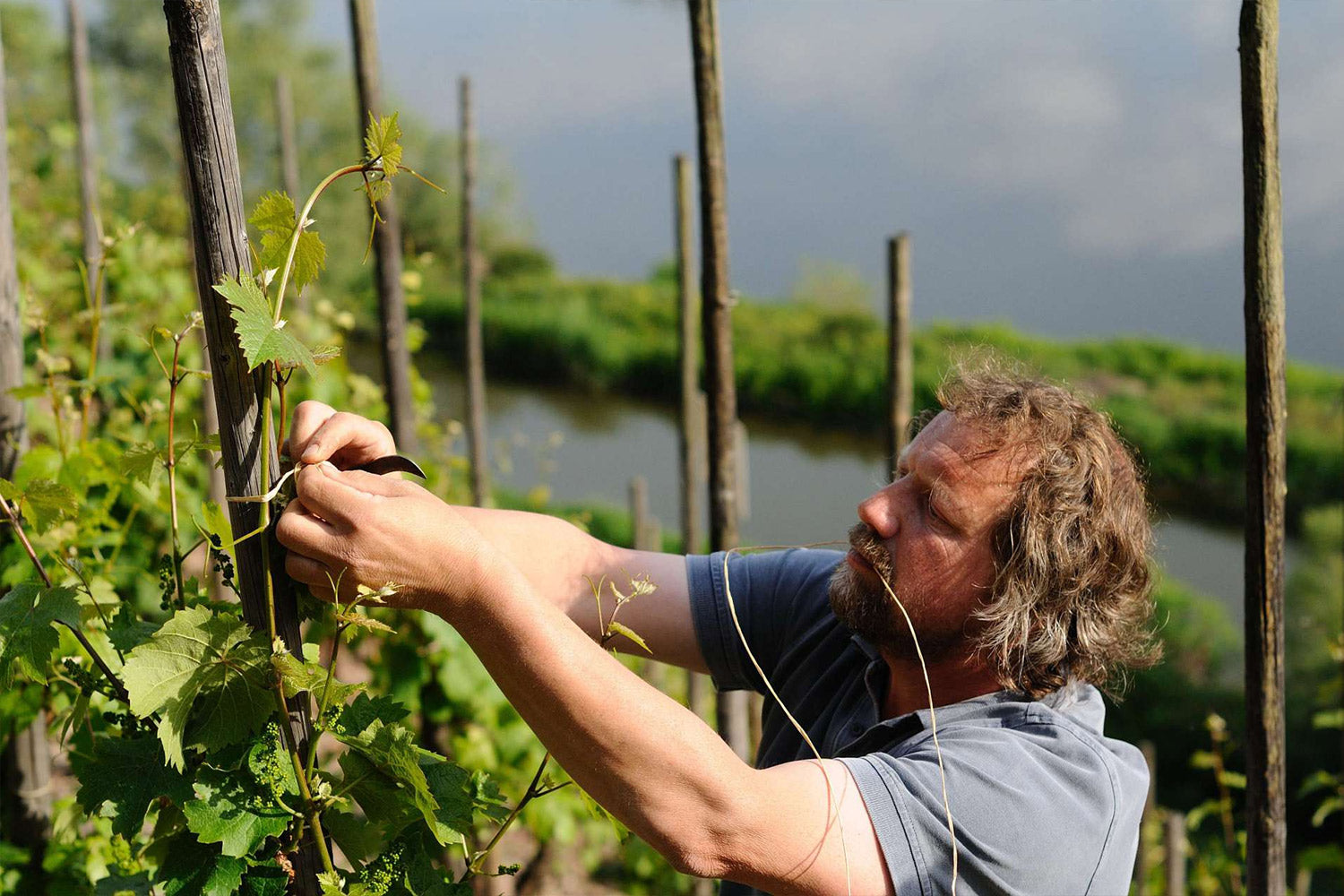
The Marienburg vineyard sits in the Mosel, with steep, south-facing slopes that maximise sunlight in a cool climate. Its blue and grey slate soils store heat and reflect it back to the vines, allowing grapes to ripen slowly while preserving the region’s signature acidity and mineral tension.
An Auslese is made from individually selected, very ripe bunches, often with a touch of noble botrytis. This careful hand-harvesting concentrates flavour and sweetness, while Mosel’s cool conditions keep the wine fresh and precise — resulting in a sweet Riesling that is rich yet beautifully balanced, with vivid fruit, lift and crystalline clarity.
This Auslese is drinking beautifully now, showing primary fruit intensity and exotic aromatics that make it irresistibly approachable. Over the next 5-7 years, the tropical fruit will integrate with developing honey and petrol notes, while the slate minerality becomes more pronounced. The wine should reach its plateau around 2032-2038, developing extraordinary complexity with dried fruit, spice, and that classic aged Riesling character of honeyed minerals. Well-stored bottles will remain vibrant until at least 2043, possibly longer.
What the critics say:
"A very compact Mosel Auslese with deep succulence and finely nuanced exotic fruit aromas. But that’s the rational and analytical response. The other side of the brain frolics in the sensuousness of this dangerously juicy wine, and the wonderful freshness in the super-elegant finish keeps pulling you back for more. From biodynamically grown grapes with Respekt certification. Drink or hold."
"The Riesling 2023 Marienburg Auslese, as it is referred to on the central part of the label, is a fully sweet wine with a gorgeously aromatic and complex nose of honeyed yellow peach, pineapple, licorice, spices, candied grapefruit, mango, acacia, lavender, and yellow plum. The wine develops a superbly creamy, rich, mouth-coating side on the palate, with an almost viscous and unctuous side and plenty of honeyed and yellow fruits, as well as some exotic presence (mainly mango and guava). Yet the finish is pure, refined, and vibrating. This is a splendid Auslese."
Tasting Notes
AppearancePale gold with brilliant clarity and a hint of green at the rim.
NoseExotic and immediately captivating, with honeyed peach, ripe mango, and candied grapefruit dancing alongside lavender, acacia blossom, and a whisper of liquorice. The aromatics build in the glass, revealing pineapple and yellow plum with delicate spice.
PalateRich and mouth-coating yet never heavy, with luscious tropical fruit balanced by the Mosel's signature slate minerality. The texture is almost creamy, with layers of honeyed stone fruit, guava, and exotic spices, but that trademark Riesling acidity keeps everything fresh and precise.
FinishLong, pure, and vibrating with mineral energy that cuts through the sweetness and leaves you wanting more.
Overall impressionA dangerously seductive Auslese that manages to be both sensuously rich and elegantly refined.
Food Pairings
In the Mosel valley, sweet Rieslings like this traditionally accompany rich pâtés, especially duck or goose liver, where the wine's acidity cuts through the richness. Local desserts like Riesling-poached pears, apple strudel with vanilla sauce, or the region's famous Döppekuchen (a hearty potato and meat casserole) make excellent matches. The wine also pairs beautifully with aged German cheeses, particularly creamy Cambozola or nutty aged Gouda, where the sweetness complements the cheese's saltiness.
We think this wine would go well with
Serve well-chilled at 8-10°C in a traditional Riesling glass with a narrow bowl that concentrates the aromatics. No decanting required — pour directly from the bottle to preserve the wine's delicate effervescence and purity. The wine will warm slightly in the glass, revealing more aromatic complexity as it approaches 12°C.
Marienburg's steep, south-facing slopes maximise sunlight exposure in the Mosel's cool climate, while the vineyard's distinctive blue and grey slate soils store heat during the day and reflect it back to the vines at night. This unique geology allows grapes to ripen slowly while preserving acidity, creating the mineral backbone that defines great Mosel Riesling. The combination of slate drainage and cool temperatures produces wines with both concentration and elegance.
The Mosel valley produces Germany's most elegant and mineral-driven Rieslings, with vineyards planted on impossibly steep slate slopes along the river's meandering course. The region's cool climate and unique blue-grey slate soils create wines of exceptional finesse, with lower alcohol and higher acidity than their Rheingau or Pfalz counterparts. Auslese represents the fourth level of the Prädikatswein system, made from very ripe, hand-selected bunches that often carry a touch of noble rot, resulting in naturally sweet wines that balance richness with piercing acidity.
The 2023 Mosel vintage turned out rather better than anyone expected after a tricky start. Spring brought late frosts that had growers lighting candles in their vineyards like some medieval ritual, followed by a wet summer that made everyone nervous about rot and dilution. But September saved the day with crisp, sunny weather that let the Riesling ripen slowly and completely, building the sort of crystalline precision that makes the Mosel special.
What we've tasted so far shows wines with lovely tension – that tightrope walk between ripe fruit and snappy acidity that great Mosel Riesling does better than anywhere else. The quality is surprisingly consistent across the region, from the steep slate slopes of Bernkastel to the iron-rich soils around Ürziger Würzgarten. These wines are drinking beautifully now if you fancy them young and zippy, but the better bottlings have the structure to develop for a decade or more in your cellar.
FAQs
What does this Auslese taste like?
Lusciously sweet with honeyed peach, mango, and tropical fruit flavours, balanced by crystalline acidity and mineral precision from the Mosel's slate soils.
When should I drink this wine?
Gorgeous now for its exotic fruit intensity, but will reward patience and develop remarkable complexity over the next 15-20 years.
What food pairs well with sweet Riesling?
Try it with foie gras, aged cheeses, spicy Asian cuisine, or fruit-based desserts — the acidity cuts through richness whilst the sweetness balances heat and salt.
How should I serve this wine?
Serve well-chilled at 8-10°C in a narrow Riesling glass to concentrate the aromatics, and let it warm slightly for maximum complexity.
Is this wine worth cellaring?
Absolutely — whilst delicious now, this Auslese will develop extraordinary honeyed complexity and mineral depth over the next two decades.
What makes Mosel Riesling special?
The region's steep slate slopes and cool climate create wines of exceptional elegance, with lower alcohol, higher acidity, and distinctive mineral character that's impossible to replicate elsewhere.


What are you looking for tonight? Tell me the occasion, a grape, a region — or just try a suggestion below.
Your recommendations will appear here.
-
-
Speak to one of our Wine Gurus
Speak to a Wine GuruWith years of experience, our team can help you with all your wine buying and selling needs