

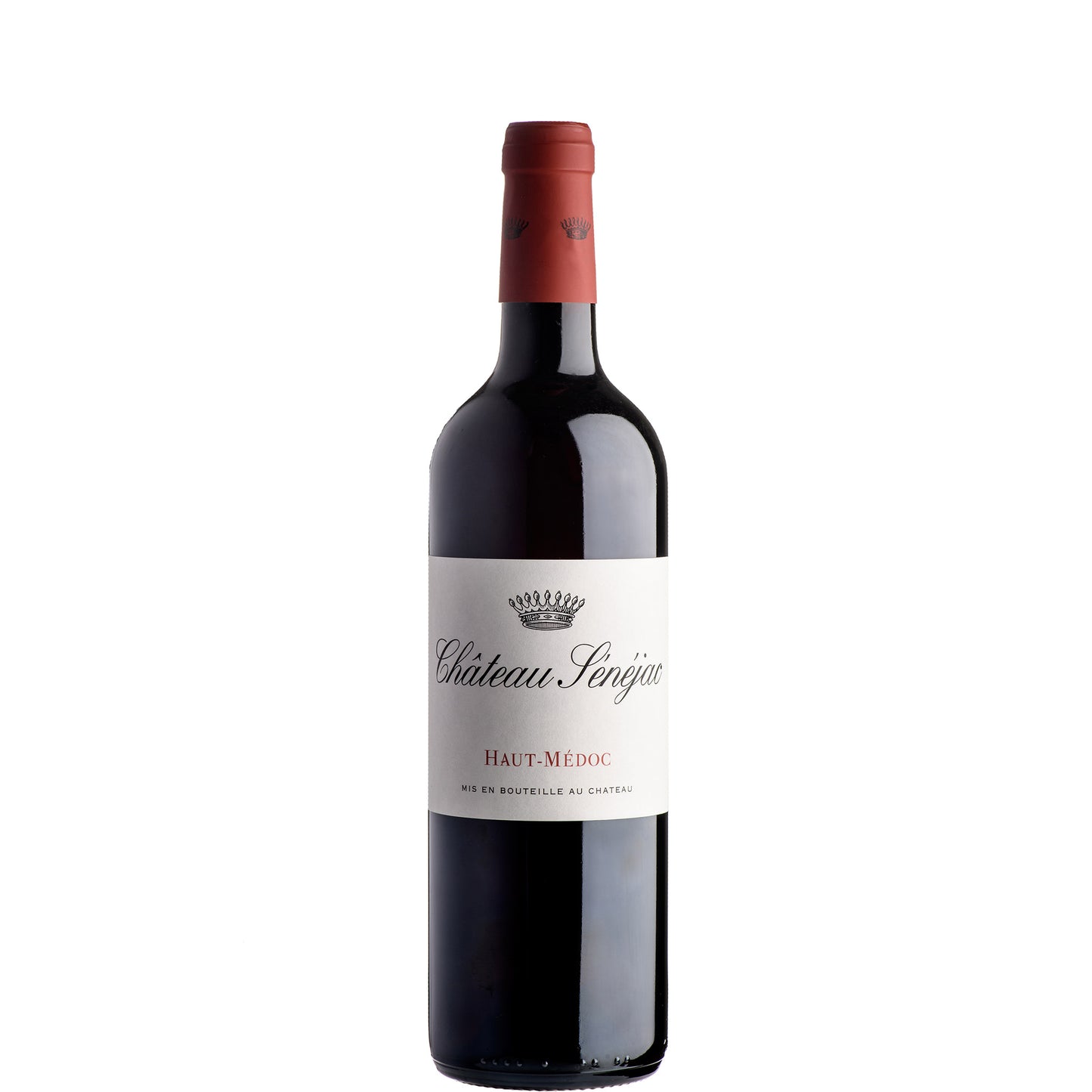
Château Sénéjac, 2022
Château Sénéjac, 2022
- 75cl
- 14%
- Red Still
- Cabernet Sauvignon, Merlot
Couldn't load pickup availability

Optimal drinking window: 2026 - 2040
The wines of Sénéjac are characterised by a deep colour, almost black in their young years. The very expressive nose exhales scents of black fruits and spices. In the mouth, Sénéjac presents a lot of fullness and intensity while remaining suave and civilised thanks to the smoothness of its tannins.
The wine of Sénéjac is a charming wine to drink young for its fullness and its fruit, or better still to let age slowly to find the race of its soil.
Cases of 6 are presented in their original wooden cases.
Currently showing vibrant primary fruit with the tannins already well-integrated, this 2022 will benefit from three years in bottle to allow the various components to marry fully. Between 2029 and 2035, expect the cassis to deepen whilst secondary notes of cedar, tobacco, and earth emerge from the minerality. The wine should plateau around 2032-2035, maintaining its elegance whilst gaining complexity, before beginning a gentle decline after 2040 though remaining pleasurable for several years beyond.
What the critics say:
"Vibrant, scented and delineated, showing expressive blue fruit, hibiscus, cassis, minerals and spices. The medium- to full-bodied palate is evenly packed with fresh and fine tannins. Graceful, velvety yet al dente. Spot-on balance with a lengthy but tightly wound finish. Already attractive, but wait three years if you want a more complete Bordeaux. This has the potential to develop for at least another eight to ten years."
"A lovely vintage of Senejac, plummy dark fruits, luscious cocoa bean and espresso, edges of rosemary and sage, good stuff. Eric Boissenot consultant, Bignon-Cordier family owners."
Tasting Notes
AppearanceAlmost opaque purple-black core with a vibrant crimson rim.
NoseImmediately expressive with deep blackcurrant and cassis leading, followed by espresso bean and dark cocoa. Subtle spicing emerges with air, alongside hints of cedar and crushed herbs. There's a mineral backbone running through everything, giving lift to the rich fruit.
PalateMedium to full-bodied with impressive density yet surprising grace. The tannins are fine-grained and velvety, providing structure without overwhelming the generous plum and blackberry fruit. Espresso and cocoa notes weave through the mid-palate, whilst a thread of minerality keeps everything focused and fresh.
FinishLong and tightly wound, with dark fruit, spice, and mineral notes persisting beautifully.
Overall impressionA wine that marries Bordeaux structure with immediate charm, built to age but generous enough to enjoy now.
Food Pairings
In the Médoc, this would traditionally accompany agneau de Pauillac - the local salt-marsh lamb whose mineral-tinged meat matches the wine's terroir perfectly. Entrecôte bordelaise with shallot and bone marrow makes another classic pairing, as does the regional specialty of lamproie à la bordelaise - lamprey eel braised in red wine. The local habit of serving aged hard cheeses from nearby Périgord, particularly a well-ripened Roquefort, would complement the wine's structure beautifully.
We think this wine would go well with
Serve at 17-18°C to allow the fruit and structure to show at their best. Decant for at least an hour if drinking now, though the wine's supple tannins mean it's approachable without decanting for those who prefer immediate gratification. Use generous Bordeaux glasses to concentrate the aromatics whilst providing enough surface area for the wine to breathe in the glass.
Sénéjac's vineyards sit on classic Médoc gravel over clay subsoils, providing excellent drainage whilst retaining enough moisture for the vines during dry periods. The gravelly outcrops radiate heat during the day and reflect it back at night, helping to ripen the Cabernet Sauvignon fully. This combination of drainage and heat retention creates wines with both concentration and elegance, expressing what the French call 'la race du terroir' - the nobility of place.
Haut-Médoc covers the southern half of the Médoc peninsula, encompassing diverse terroirs from gravel ridges to clay plateaux. Unlike the famous commune appellations (Pauillac, Saint-Julien, Margaux), Haut-Médoc allows winemakers to source from various parcels across this broader area. The appellation requires a minimum 50% Cabernet Sauvignon or Merlot, encouraging structured, age-worthy wines that often represent exceptional value compared to their more famous neighbours.
The 2022 growing season in Bordeaux threw everything at the vines: a warm, dry spring that brought flowering forward, followed by scorching summer heat that had many producers genuinely worried about their fruit. By August, some vineyards were showing real stress, with leaf burn and shrivelling grapes becoming common sights across the Left Bank. The saving grace came in September when temperatures dropped and gentle rains arrived just when the vines needed them most, allowing the late-ripening Cabernet Sauvignon to finish properly whilst preserving freshness.
What emerged from this rollercoaster was a vintage of surprising quality, though yields were predictably low. The reds show concentrated fruit with ripe tannins that avoid the harsh edge that excessive heat can bring - that September reprieve really mattered. Merlot fared particularly well, ripening before the worst of the summer stress, whilst Cabernet Sauvignon varies more depending on terroir and how well individual estates managed the heat. We're finding the wines drink beautifully now with immediate charm, though the better examples will certainly reward patience over the next decade.
FAQs
What does this wine taste like?
Rich and expressive with deep cassis and plum fruit, espresso richness, herbal spice, and supple yet structured tannins with mineral backbone.
When should I drink this wine?
Charming now for its fruit and fullness, but we'd suggest waiting until 2029 for the wine to reach its full potential, then drinking through to 2038.
What food pairs well with this wine?
Classic matches include roast lamb, grilled steak, or aged hard cheeses. The wine's structure can handle rich, savoury dishes whilst its elegance won't overwhelm more delicate preparations.
Should I decant this wine?
Yes, decant for at least an hour if drinking now to help integrate the components, though the supple tannins mean it's approachable without decanting if preferred.
Is this wine worth cellaring?
Absolutely. This has the structure and balance to develop beautifully over the next decade, gaining complexity whilst maintaining its graceful character.
How does this compare to famous Bordeaux communes?
Haut-Médoc offers similar quality and structure to the famous Left Bank appellations but often at better value, with Sénéjac showing the elegance and ageability that make great Bordeaux so compelling.
OUR GROWERS
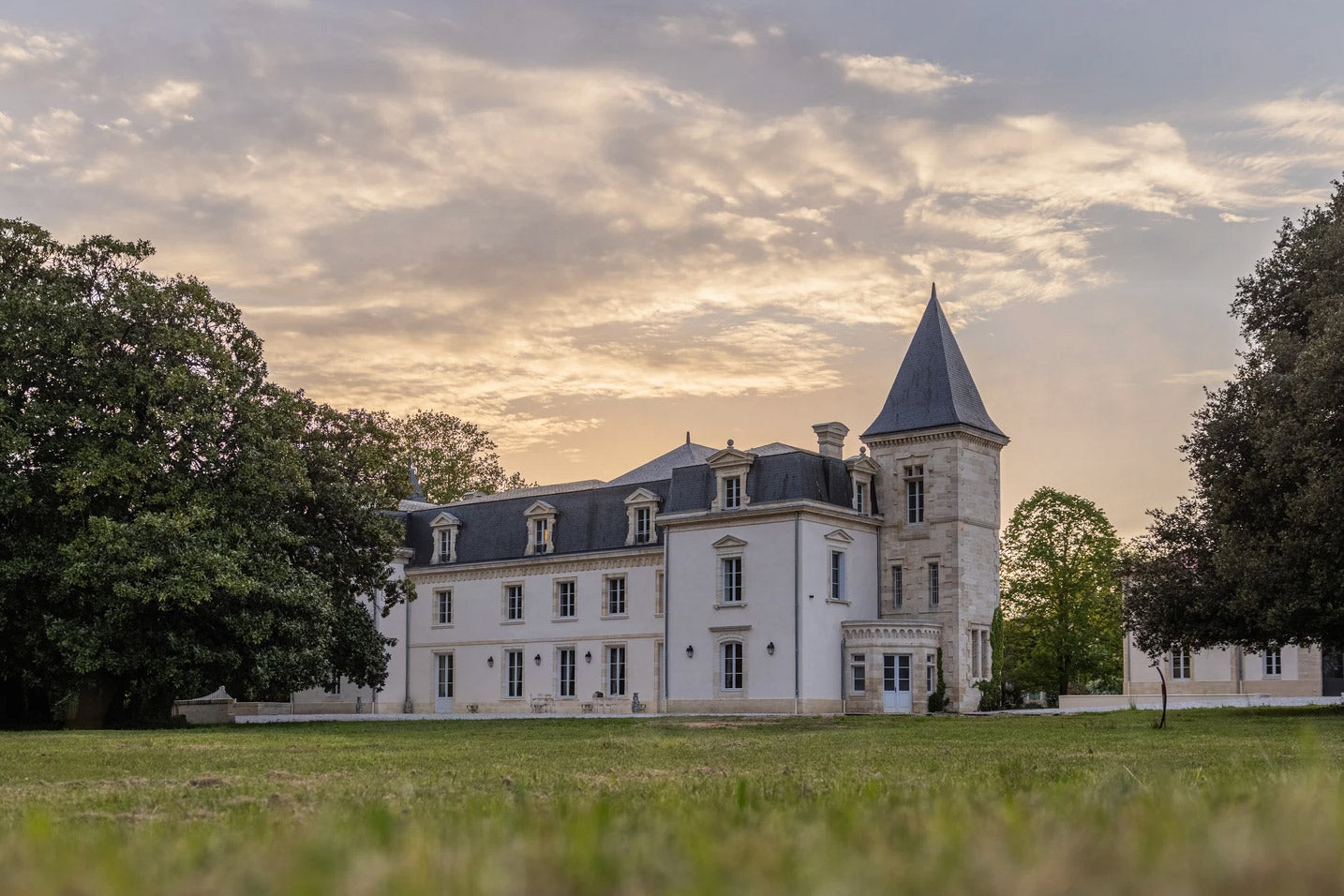
Château Sénéjac
Explore related wines


What are you looking for tonight? Tell me the occasion, a grape, a region — or just try a suggestion below.
Your recommendations will appear here.
-
-
Speak to one of our Wine Gurus
Speak to a Wine GuruWith years of experience, our team can help you with all your wine buying and selling needs