

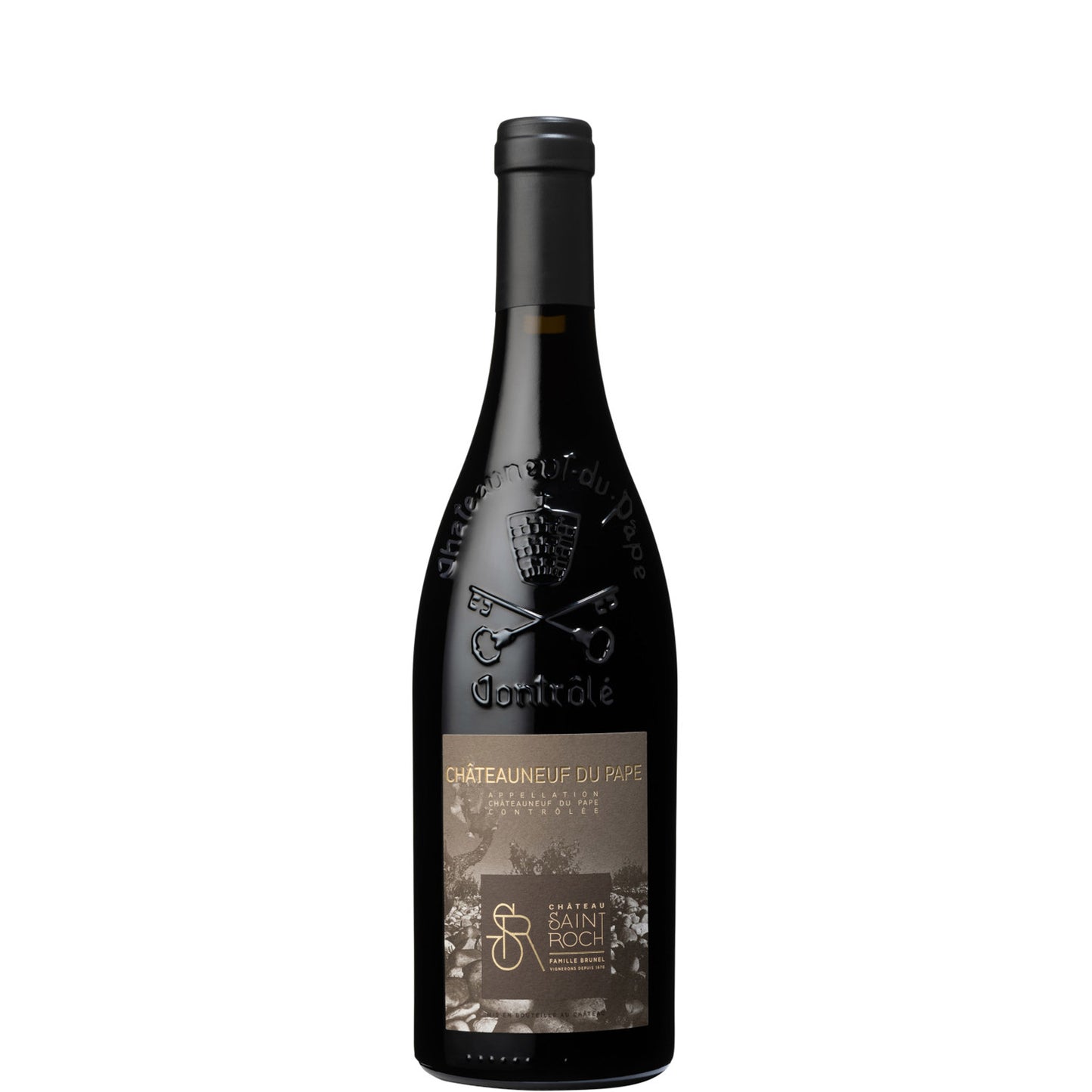
Château Saint-Roch, Châteauneuf-Du-Pape Rouge, 2022
Château Saint-Roch, Châteauneuf-Du-Pape Rouge, 2022
- 75cl
- 14%
- Red Still
- Grenache, Syrah, Mourvèdre
Couldn't load pickup availability

Optimal drinking window: 2026 - 2037
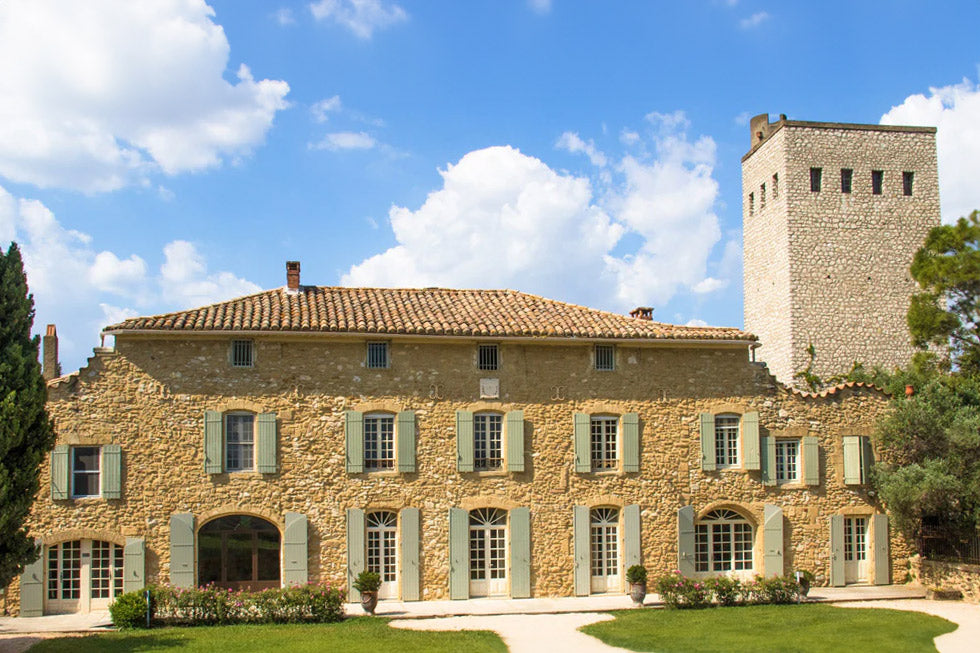
Château Saint Roch is a respected estate in the southern Rhône Valley, known for producing expressive and authentic wines that showcase the rich terroir of the region. Their Châteauneuf-du-Pape Rouge is a beautifully crafted wine that showcases the power, elegance, and richness of this historic appellation.
Full-bodied and harmonious, it offers layers of luscious red and black fruit flavours, with notes of spice, savoury herbs, and subtle minerality. The tannins are fine-grained and silky, balanced by vibrant acidity that lends freshness to the wine’s richness. Enjoy it with lamb, game, a beef stew or with aged hard cheeses.
The 2022 vintage across the southern Rhône delivered ripe, generous fruit with good underlying structure, and this wine is very much in that mould — approachable now but with plenty left to give. Over the next two to three years, the primary black fruit will begin to integrate, making way for more complex secondary notes of leather, dried fig, and warm spice. By around 2029 to 2030, the tannins should be fully resolved and the wine will be at or near its peak. We'd expect it to hold comfortably until 2032, though the most exuberant fruit will have softened by then. Drink sooner if you want vibrancy; wait if you want depth.
Tasting Notes
AppearanceDeep, inky ruby with a warm garnet edge and good depth of colour.
NoseRipe black cherry and wild strawberry upfront, with a characteristic southern Rhône character of dried herbs — thyme, rosemary, garrigue — woven through the fruit. A whisper of black olive and warm spice adds intrigue as it opens up.
PalateFull-bodied and generous, with the Grenache showing its hand in the plush, almost silky texture and the ripe red and black fruit at the core. The Syrah and Mourvèdre add backbone and a savoury, meaty depth that keeps things honest. Acidity is fresh enough to prevent any sense of heaviness, and the tannins are fine-grained and well-integrated.
FinishLong and warming, with lingering dried herb, dark fruit, and a touch of cracked pepper.
Overall impressionA proper Châteauneuf — generous and sun-soaked, but with enough structure and freshness to reward patience.
Food Pairings
In Provence and the southern Rhône, this kind of wine is the natural companion to a slow-braised leg of lamb with thyme and olives, or a daube de boeuf cooked low and long with red wine and orange peel. Locals would happily pour it alongside grilled wild boar or a roast guinea fowl with tapenade. A platter of aged hard cheeses — Comté, Manchego, or a sharp Cantal — works beautifully too, particularly with a few years of bottle age on the wine. Even a rustic cassoulet from just over the border in Languedoc wouldn't feel out of place.
We think this wine would go well with
Serve at around 17-18°C — too warm and the alcohol starts to dominate, too cool and the fruit closes up. The 2022 is still fairly primary, so decanting for 45 minutes to an hour will help open it up and soften any remaining grip on the tannins. A large-bowled Burgundy-style glass is ideal, giving the wine room to breathe and allowing those herb and spice notes to gather and develop.
Châteauneuf-du-Pape's vineyards are a patchwork of soil types, and Gardine's parcels include the appellation's famous large rounded galets — heat-retaining quartzite stones that radiate warmth back at the vines through cool southern nights. Beneath these lies a mix of sand, clay, and ancient alluvial deposits, giving wines both structure and flesh. The Mistral wind is a constant presence, keeping the vines healthy and concentrated, and the Mediterranean climate delivers long, sun-drenched growing seasons that push ripeness without sacrificing freshness.
Châteauneuf-du-Pape is the southern Rhône's most storied appellation, and one of France's oldest AOCs, established in 1936. It permits an unusually broad palette of grape varieties — up to 13 are allowed in red blends, though Grenache almost always leads the charge, fleshed out by Syrah and Mourvèdre. The wines tend to be full-bodied, generous, and herb-laced, with a warmth and weight that sets them apart from their northern Rhône neighbours. At their best, they age with real distinction; at their worst, the appellation's reputation can outpace the wine in the bottle — so knowing your producer matters.
The 2022 growing season in the Rhône started promisingly before delivering one of those vintages that separates the wheat from the chaff. A warm, dry summer tested vine health and vineyard management across both north and south, with August heat pushing some sites to their limits. The harvest came early but remained manageable for growers who kept their nerve, though yields dropped significantly in many appellations.
What emerged feels concentrated rather than cooked, with Syrah from the northern Rhône showing particular poise despite the challenging conditions. The southern appellations produced Grenache-based blends with real intensity and structure, though we're finding the best examples needed careful selection in the cellar. These wines are drinking well now but the stronger examples will reward patience until 2028. Not a vintage for the history books, but one that rewards knowing your producers.
FAQs
What does this wine taste like?
Rich, full-bodied, and warmly southern in character — ripe black cherry, wild strawberry, and dried Mediterranean herbs, with a savoury, meaty depth from the Syrah and Mourvèdre in the blend. The texture is plush and generous, with fine-grained tannins and a long, peppery finish.
When is the best time to drink this?
It is drinking well now and will continue to improve until around 2030 to 2032. The 2022 vintage is generous and approachable already, but if you can hold on for another two or three years, the wine will reward the patience with greater complexity and a more seamless texture.
What food works best with this wine?
Think slow-cooked and robust: braised lamb with herbs, roast game, a beef daube, or a rich cassoulet. Aged hard cheeses are a natural match too. It's a wine built for the table, not the aperitif hour.
How should I serve it?
Serve at around 17-18°C and decant for 45 minutes to an hour before pouring. A large-bowled glass will let the herb and spice notes open up properly. Avoid serving it too warm — above 19°C and the alcohol starts to get ahead of the fruit.
Is this worth cellaring?
Yes, though it doesn't demand it. The wine is already generous and well-structured, so there's real pleasure to be had now. But it has enough backbone to develop nicely until at least 2030, when the fruit and tannins should reach a satisfying equilibrium.
Who makes this wine?
Château Saint-Roch is made by Château de la Gardine, one of Châteauneuf-du-Pape's most respected family domaines. The Brunel family has been farming here since 1954, and the estate is now in its third generation, with around 60 hectares under vine in the appellation.


What are you looking for tonight? Tell me the occasion, a grape, a region — or just try a suggestion below.
Your recommendations will appear here.
-
-
Speak to one of our Wine Gurus
Speak to a Wine GuruWith years of experience, our team can help you with all your wine buying and selling needs