

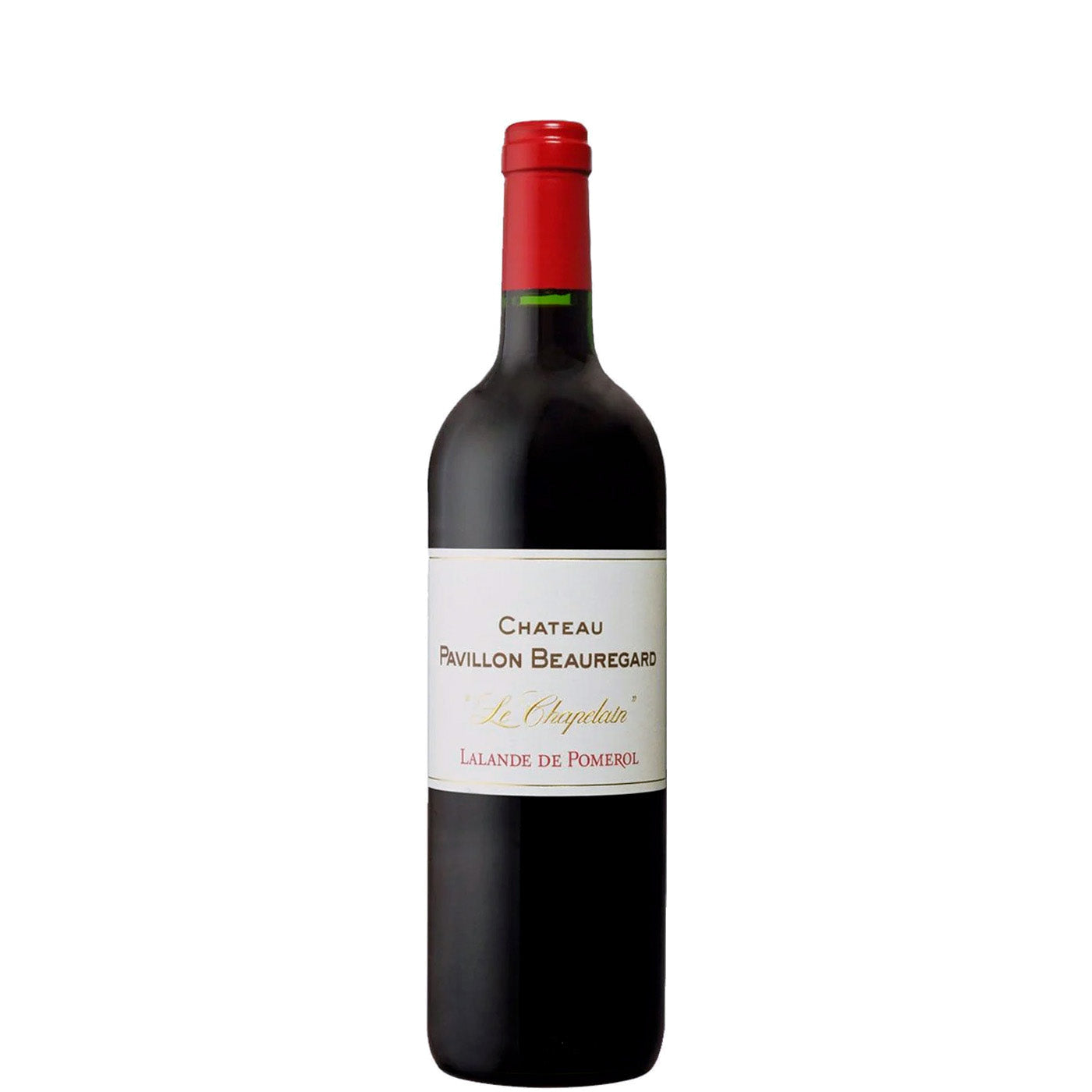
Château Pavillon Beauregard, Le Chapelain, 2014
Château Pavillon Beauregard, Le Chapelain, 2014
- 75cl
- 13%
- Red Still
- Merlot, Cabernet Franc
- Organic
Couldn't load pickup availability

Optimal drinking window: 2026 - 2035
About Château Pavillon Beauregard, Le Chapelain, 2014
"Ripe raspberry, black cherry and dark plum roll out of the glass, neatly tailored with a touch of spice and polished oak. On the palate it’s smooth, composed and quietly luxurious, with silky Merlot tannins and a velvety depth that only comes from time well spent in bottle. After more than a decade of ageing, everything feels perfectly in place. The finish lingers like the last guest who knows exactly when to stay, all dark fruit, warmth and understated charm."
Our note
Pavillon Beauregard is made by the Cathiard family, the force behind Château Smith Haut Lafitte, one of Bordeaux’s great modern estates, so the quality comes as no surprise once you know the lineage. Plush, polished, and beautifully resolved, it has that effortless confidence that only comes from serious pedigree and a decade of patient ageing.
We poured it at our Christmas Market, where it went head-to-head with some frankly intimidating bottles and still managed to steal the show. More than one person quietly declared it the wine of the night.
Fully mature and drinking right in the sweet spot, this 'baby Pomerol' delivers waves of dark berry and raspberry fruit, subtle spice, gentle oak and silky, ripe tannins that glide rather than shout. It’s exactly the sort of sumptuous Claret you want on the table over the festive days.
This 2014 is drinking right in its sweet spot, having shed the primary fruit exuberance of youth for a more integrated, harmonious profile. The tannins have softened beautifully and the oak has melted into the fruit, creating that velvety texture that defines a mature Right Bank Bordeaux. Over the next five to eight years, we expect it to develop more tertiary complexity - leather, tobacco, and earthy undertones - whilst retaining its core of dark fruit. It should plateau around 2030 and drink beautifully until 2035, after which it may begin to lose some of its fruit concentration, though the structure suggests it could surprise us with even greater longevity.
Tasting Notes
AppearanceDeep ruby with hints of brick at the rim, showing its twelve years of graceful development.
NoseRipe raspberry and black cherry leap from the glass, followed by dark plum and a touch of Christmas spice. There's a whisper of cedar and vanilla from well-integrated oak, all wrapped together with that unmistakable Bordeaux elegance. The fruit feels perfectly ripe and resolved after more than a decade in bottle.
PalateSmooth and composed from the first sip, with silky Merlot tannins that glide rather than grip. The dark fruit carries through beautifully, supported by gentle spice and polished oak that never overpowers. There's a velvety depth here that speaks to both quality fruit and patient ageing, with everything feeling perfectly in harmony.
FinishLong and warming, lingering like the last guest who knows exactly when to stay, all dark fruit and understated charm.
Overall impressionA wine that delivers effortless confidence and sumptuous pleasure, showing why the Cathiard name commands such respect.
Food Pairings
Right Bank Bordeaux like this calls for the rich, earthy cuisine of the Libournais region. Think côte de bœuf grilled over vine cuttings, served with cèpes sautéed in duck fat and garlic. The locals would pair this with confit de canard, its silky fat matching the wine's velvety texture, or perhaps a hearty daube de bœuf slow-cooked with herbs de Provence. Aged cheeses from the region, particularly a well-ripened Roquefort or creamy Époisses, would make perfect companions to the wine's dark fruit and gentle spice.
We think this wine would go well with
Serve at 17-18°C to allow the fruit and spice to sing without the tannins overwhelming. A brief decant of 30 minutes will help it open up, though it's drinking so well now that it's hardly essential. Pour into Bordeaux glasses to concentrate the aromatics and give the wine room to breathe. At twelve years old, this bottle is perfectly ready to drink and doesn't need the extended aeration that younger vintages might demand.
Le Chapelain sources from carefully selected Right Bank vineyards where clay-limestone soils provide the perfect foundation for Merlot. The clay retains moisture during dry spells whilst the limestone ensures good drainage, creating ideal conditions for the slow, even ripening that produces Merlot's signature silky texture. The maritime influence of the Gironde moderates temperatures, allowing the grapes to develop complex flavours whilst maintaining freshness and elegance.
This wine represents the broader Right Bank style of Bordeaux, where Merlot reigns supreme over the clay-limestone soils that define the region's character. Unlike the Cabernet Sauvignon-dominated Left Bank with its gravel terroir, Right Bank wines emphasise roundness, approachability, and that distinctive silky texture that makes Merlot so beguiling. The style bridges the gap between the power of Pomerol and Saint-Émilion and the more structured wines of the Médoc, offering immediate pleasure whilst retaining the complexity that defines fine Bordeaux.
The 2014 vintage in Bordeaux caught many off guard with its surprising quality after a challenging growing season. A cool, wet summer had growers worried, but September delivered exactly what was needed: warm, dry conditions that allowed the grapes to ripen properly and concentrate. The harvest stretched well into October, demanding patience from producers who picked selectively rather than rushing to beat the weather.
What emerged were wines with a freshness that many riper vintages lack, built on firm tannins and bright acidity that gives them genuine aging potential. The Merlot performed particularly well on the Right Bank, whilst the Cabernet Sauvignon struggled more in cooler sites but excelled where producers waited for full ripeness. These wines are drinking beautifully now but will reward cellaring until 2030 and beyond for the better examples. We find 2014 offers tremendous value precisely because it didn't grab headlines like its neighbours.
FAQs
What does this wine taste like?
Ripe raspberry and black cherry with dark plum, wrapped in silky tannins with gentle spice and well-integrated oak. After twelve years, everything feels perfectly harmonious and luxurious.
When should I drink this wine?
It's drinking beautifully right now and will continue to do so until 2035. This is the perfect moment to open it - fully mature but still vibrant.
What food pairs well with this wine?
Classic matches include roast beef, duck confit, or lamb with herbs. The silky texture makes it brilliant with rich, slow-cooked dishes and aged cheeses.
Should I decant this wine?
A brief 30-minute decant will help it open up, but it's drinking so well now that it's not essential. Serve at 17-18°C in Bordeaux glasses.
Is this wine worth cellaring?
It's already at peak drinking, so we'd recommend enjoying it over the next decade rather than laying it down for much longer.
How does this compare to other Bordeaux?
It's made by the same family behind Château Smith Haut Lafitte, so you're getting serious pedigree at a much more accessible price - think of it as 'baby Pomerol'.

OUR GROWERS
Château Pavillon Beauregard


What are you looking for tonight? Tell me the occasion, a grape, a region — or just try a suggestion below.
Your recommendations will appear here.
-
-
Speak to one of our Wine Gurus
Speak to a Wine GuruWith years of experience, our team can help you with all your wine buying and selling needs