

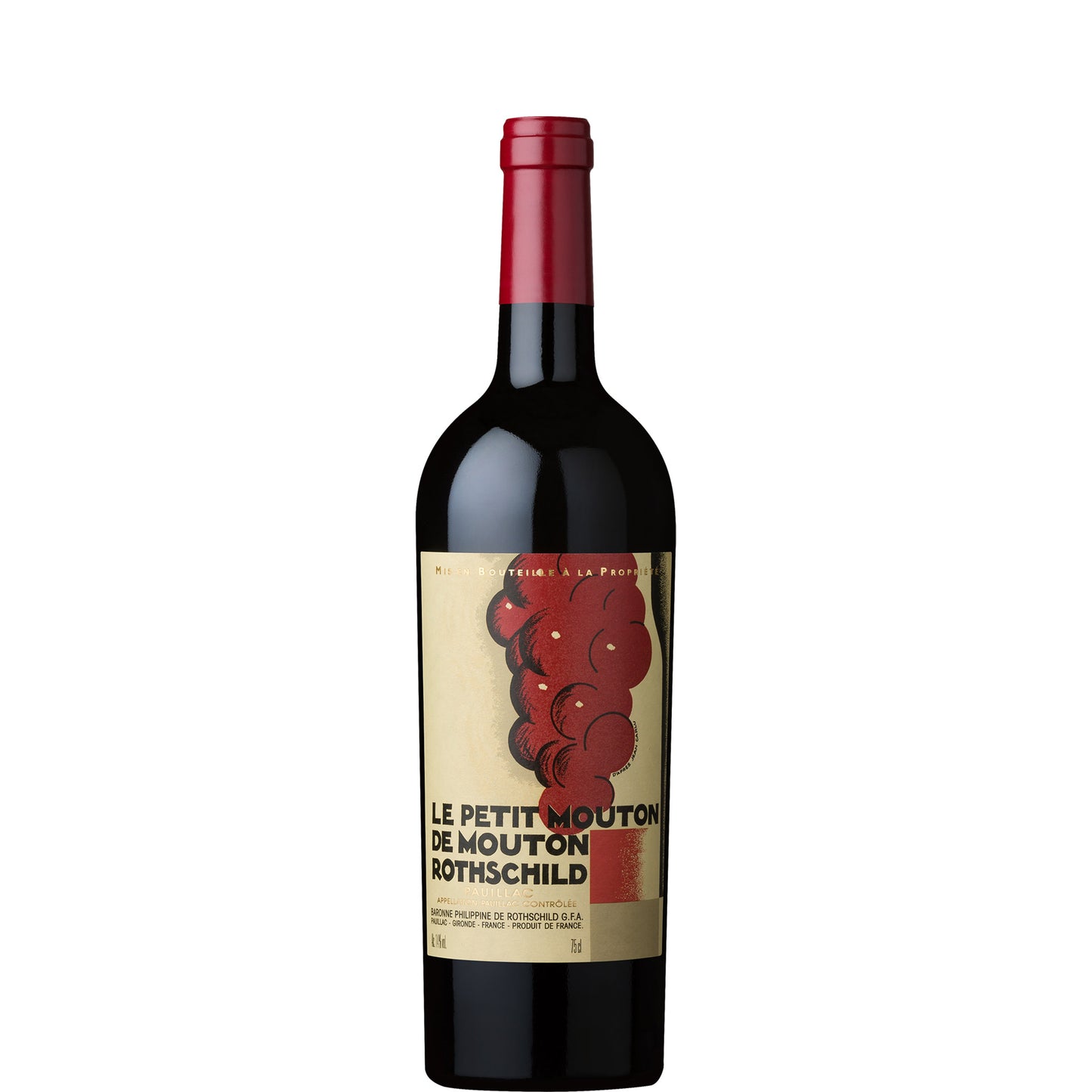
Château Mouton Rothschild, Le Petit Mouton de Mouton Rothschild, 2020
Château Mouton Rothschild, Le Petit Mouton de Mouton Rothschild, 2020
- 75cl
- 13%
- Red Still
- Cabernet Sauvignon, Merlot, Cabernet Franc
Couldn't load pickup availability

Optimal drinking window: Now - 2050
As the second wine of Château Mouton Rothschild, Le Petit Mouton de Mouton Rothschild delivers a taste of Bordeaux's esteemed Pauillac appellation, offering accessible yet sophisticated wines for immediate enjoyment.
Le Petit Mouton 2020 is already showing with generosity and polish, but it is not yet at its ceiling. Over the next three to five years the primary fruit will integrate and the wine will begin to develop the cedar and graphite complexity that defines mature Pauillac. It should hit a confident stride somewhere around 2030 and hold it comfortably until 2045, at which point the finest bottles may push further. Think of it as a wine currently stretching its legs before the real run begins.
What the critics say:
"This is very, very layered with gorgeous fruit and velvety tannins. Hints of chocolate. Full-bodied and chewy with soft, fine tannins. 72% cabernet sauvignon, 24% merlot and 4% cabernet franc. Gorgeous second wine."
"The 2020 Le Petit-Mouton is fabulous. Dark red plum, blood orange, pomegranate, mint and cinnamon all build as this flamboyant, striking Petit Mouton shows off its considerable charms. Even with the high percentage of Cabernet, the 2020 is supple and quite soft for a young wine. Bright acids perk up the mid-palate, leading to the brilliant, sculpted finish. This has come together beautifully with élevage."
Tasting Notes
AppearanceDeep, dark ruby with a blue-tinged rim that signals the concentration of a great Pauillac vintage.
NoseDark plum, blood orange, and pomegranate open things up with real flamboyance, then mint and a whisper of cinnamon drift in underneath. There is something almost perfumed about it — more expressive than you might expect from a young Pauillac, and all the more seductive for it.
PalateFull-bodied but surprisingly supple for 72% Cabernet Sauvignon, with velvety tannins that feel generously upholstered rather than austere. Bright, focused acidity keeps the mid-palate lively and stops the wine from feeling soft in any lazy sense. A touch of dark chocolate deepens the impression on the way through.
FinishLong and sculpted, with mineral precision pulling the fruit into focus right to the end.
Overall impressionA second wine that has absolutely no interest in playing second fiddle.
Food Pairings
In the Médoc, this is the kind of wine that turns up alongside a côte de boeuf grilled over vine cuttings, served simply with fleur de sel and a proper béarnaise. The locals would not overthink it. Rack of Pauillac lamb roasted with garlic and thyme is a near-perfect match given the appellation's own flock. A slow-braised daube de boeuf with ceps and lardons would also do this wine proud, as would a platter of aged Comté or a wedge of ripe Cantal.
We think this wine would go well with
Serve at 17 to 18 degrees Celsius. While the 2020 is more approachable in youth than many Pauillac second wines, it will open up considerably with at least an hour in a decanter, allowing those mint and spice notes to fully unfurl. A large-bowled Bordeaux glass is the right call here, giving the wine enough room to breathe without losing its concentration.
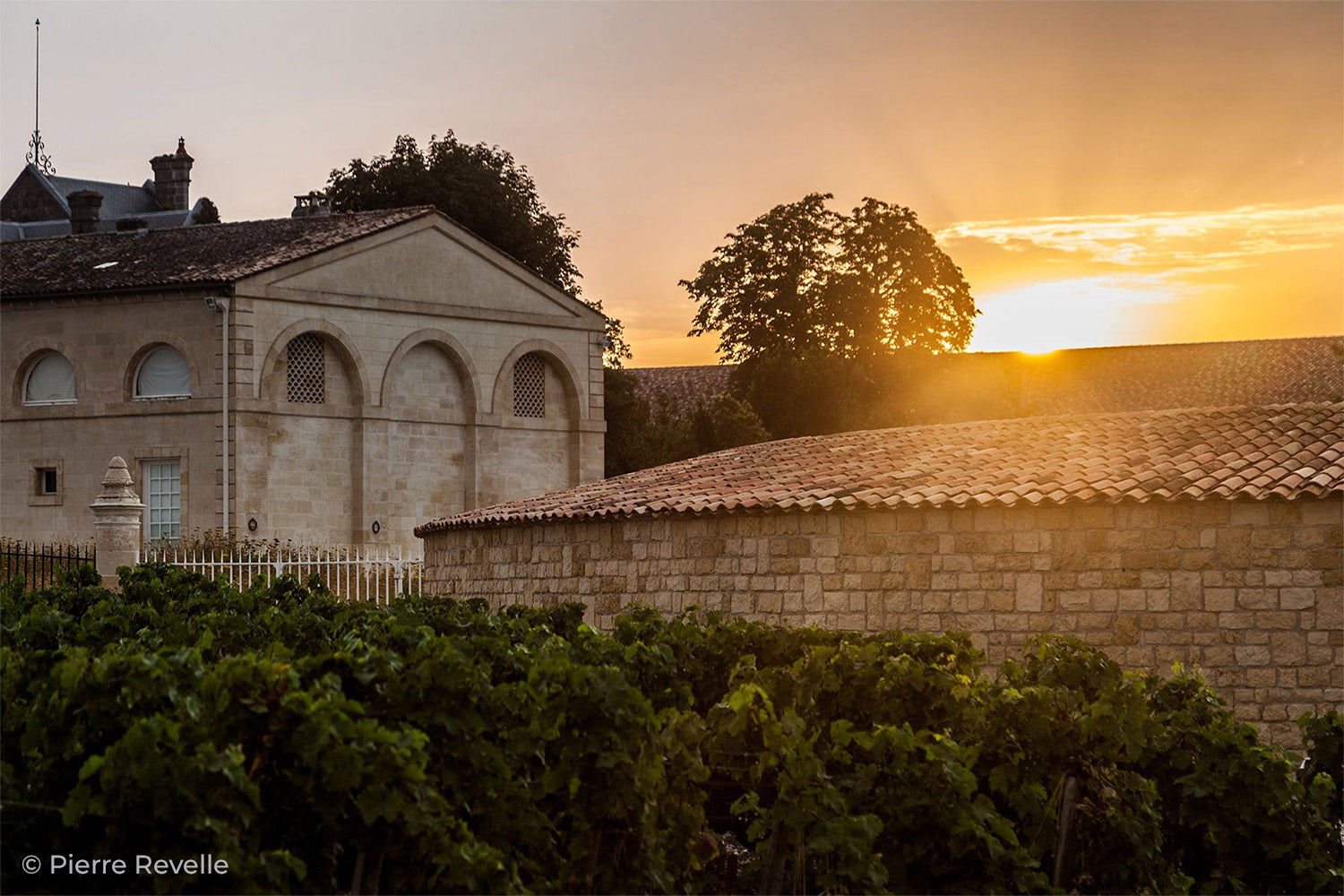
Mouton's vineyards sit on one of Pauillac's highest gravel banks, with deep Günzian gravel over clay and limestone providing exceptional drainage and heat retention. These are not gentle soils: they stress the vine just enough to concentrate flavour without sacrificing freshness. The proximity to the Gironde estuary moderates temperature extremes, and 2020's warm, dry summer produced fruit of remarkable ripeness and precision across these gravelly plots.
Pauillac is the undisputed home of the Médoc's grandest reds, a compact commune of around 1,200 hectares hosting three of Bordeaux's five First Growths. The appellation rules require red blends based predominantly on Cabernet Sauvignon, and the combination of deep gravel soils and a temperate, estuarine climate produces wines of unusual power and longevity. Pauillac sits between Saint-Estèphe to the north and Saint-Julien to the south, and tends to be more structured and age-worthy than either neighbour, with a characteristic blackcurrant and graphite signature that makes it unmistakable.
The 2020 Bordeaux vintage began with one of the wettest winters on record, followed by a scorching summer that nearly broke temperature records across the region. What could have been a disaster became salvation: those deep winter water reserves carried the vines through the heat, while the dry conditions from July onwards concentrated flavours beautifully. The harvest started early and moved quickly, with most châteaux picking under ideal September skies.
We find 2020 Bordeaux surprisingly charming for such a hot year - the wines show ripe, generous fruit without the baked character you might expect. The Merlot-based Right Bank wines are particularly successful, displaying plush damson and blackberry flavours with enough freshness to keep them lively. Cabernet Sauvignon on the Left Bank delivers power and concentration, though some properties struggled more than others with the heat. Most 2020s are drinking beautifully now - this isn't a vintage that demands decades of patience, and we rather like that about it.
FAQs
What does Le Petit Mouton taste like?
Dark plum, blood orange, and pomegranate on the nose with a hint of mint and cinnamon. On the palate it is full-bodied but surprisingly supple, with velvety tannins, bright acidity, and a long, sculpted mineral finish. It is more perfumed and immediately expressive than you might expect from a young Pauillac.
When should I drink the 2020 vintage?
It is drinking well now with a good decant, but it has plenty of road ahead. We would be perfectly happy opening a bottle from 2026 onwards, and expect it to be at its most complete somewhere between 2035 and 2045.
Is this worth buying over a classified Pauillac?
Le Petit Mouton is made from declassified Mouton Rothschild fruit, so in great vintages like 2020 the quality gap between this and many classified growths is narrower than the price gap suggests. If you want a taste of what makes Mouton's vineyards special without the grand vin price tag, this is an intelligent way to do it.
What food should I serve with this wine?
Côte de boeuf is the classic call, but rack of lamb roasted with garlic and thyme is arguably the more elegant match given Pauillac's own lamb heritage. Slow-braised dishes with mushrooms and lardons work beautifully, as does aged hard cheese like Comté at the end of a meal.
Should I decant Le Petit Mouton 2020?
Yes, and generously. An hour in a decanter makes a real difference, opening up the aromatics and softening any remaining youthful grip on the tannins. Serve in a large Bordeaux glass at around 17 to 18 degrees Celsius.
How does Le Petit Mouton relate to Mouton Rothschild itself?
Le Petit Mouton is the second wine of Château Mouton Rothschild, a First Growth estate and one of Bordeaux's most iconic names. It is made from younger vines and declassified parcels, with the same winemaking team and the same obsessive attention to detail. Think of it as the First Growth's younger sibling rather than a lesser wine from a different stable.
OUR GROWERS
Château Mouton Rothschild
Explore related wines


What are you looking for tonight? Tell me the occasion, a grape, a region — or just try a suggestion below.
Your recommendations will appear here.
-
-
Speak to one of our Wine Gurus
Speak to a Wine GuruWith years of experience, our team can help you with all your wine buying and selling needs