

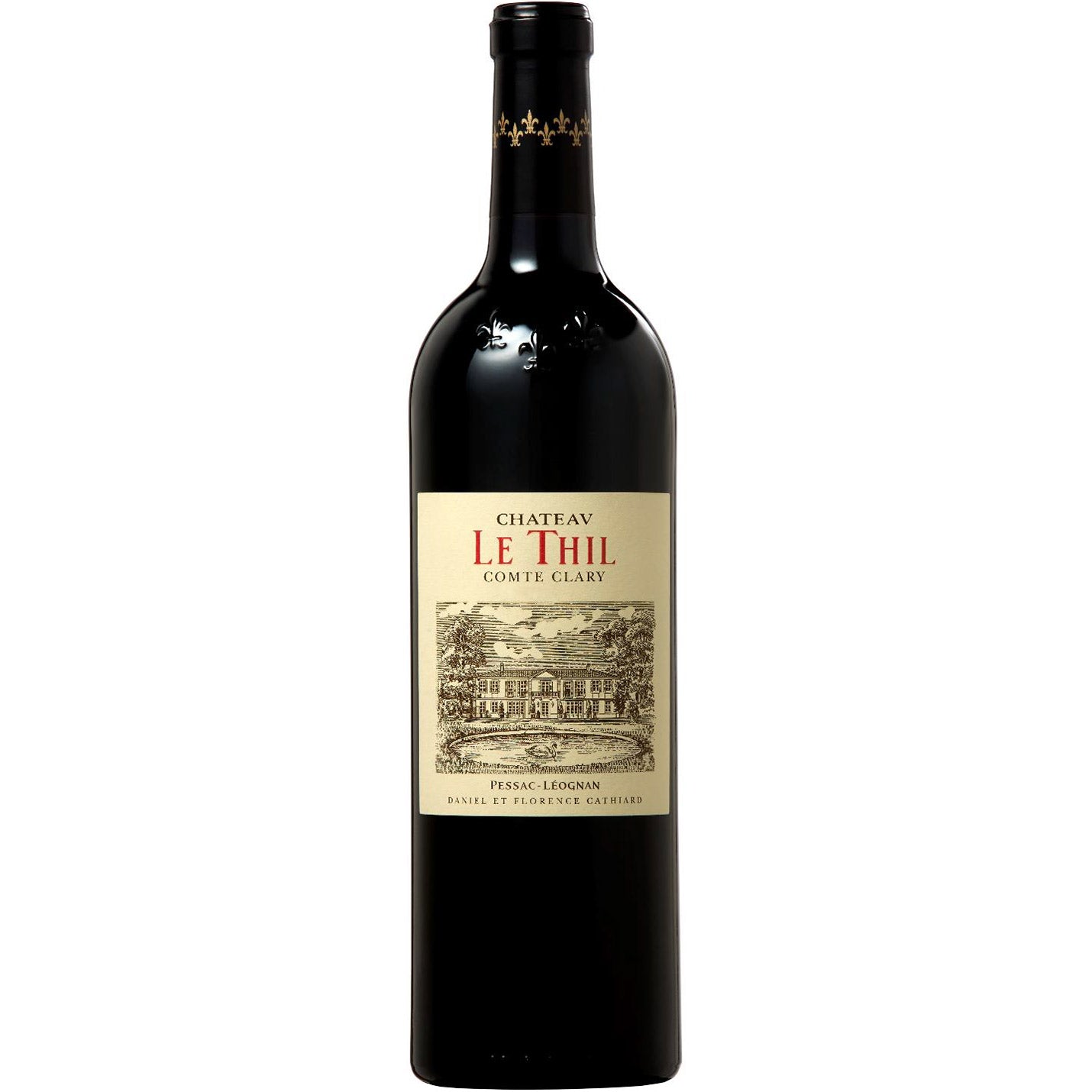
Château Le Thil, Comte Clary, 2020 - Magnum
Château Le Thil, Comte Clary, 2020 - Magnum
- 150cl
- 13.5%
- Red Still
- Cabernet Sauvignon, Merlot
- Organic
Couldn't load pickup availability

Optimal drinking window: Now - 2040
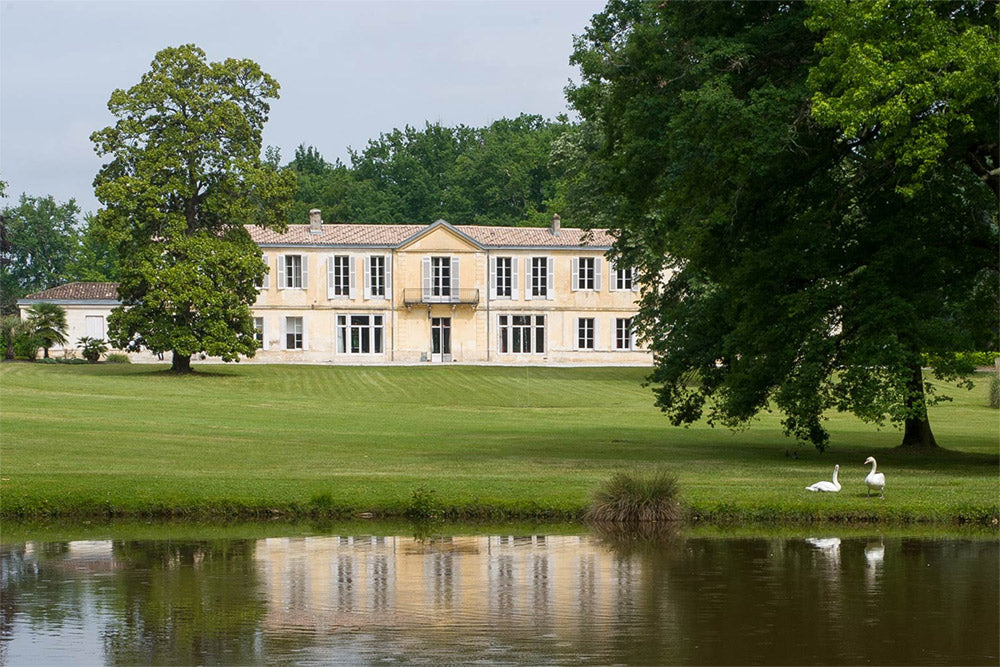
Château Le Thil is one of those under-the-radar Bordeaux gems that really makes you sit up and take notice. Nestled in the heart of Pessac-Léognan, just down the road from the legendary Smith Haut Lafitte (in fact, it shares the same ownership), Le Thil combines pedigree with serious value.
The vintage was kind to this corner of Bordeaux, and it shows in the glass. You get all the classic hallmarks—dark, juicy fruit, subtle spice, and a lovely thread of minerality—wrapped up in a sleek, finely balanced frame. There’s freshness, precision, and just enough grip to hint at how well this will age.
A wine that punches well above its weight and overdelivers for the price. For our Club Members looking for a savvy Left Bank buy with real class, this is a bottle to stock up on before the word gets out.
Currently in its youthful phase, this 2020 shows primary dark fruit with firm, linear tannins that need time to integrate fully. From 2027-2030, we expect the tannins to soften whilst retaining their backbone, allowing the fruit to show more generously. Secondary complexity should emerge around 2032-2035, with leather, tobacco, and earthy notes joining the fruit spectrum. The wine should reach its peak between 2035-2040, offering full integration of all elements whilst retaining freshness. In magnum, it may continue drinking well beyond 2040, though it's unlikely to improve significantly past its peak.
What the critics say:
"Fine tannins with blackberries, currants and hints of hazelnut. It’s medium-bodied and linear with firmness and length. Needs three or four years to soften. Better after 2025."
"The deep garnet-purple colored 2020 le Thil leaps from the glass with bolds scents of crushed black and red plums, mulberries and Morello cherries, plus wafts of cumin seed, lavender and underbrush. The medium to full-bodied palate is chock-full of crunchy black and red berries, framed by ripe, rounded tannins and bags of freshness, finishing with a skip in its step."
Tasting Notes
AppearanceDeep garnet-purple with a youthful, vibrant rim.
NoseCrushed blackcurrants and dark plums leap from the glass, followed by Morello cherries and a whisper of hazelnut. Subtle lavender and forest floor add complexity without overwhelming the pure fruit character.
PalateMedium to full-bodied with a linear, focused structure that speaks of precision winemaking. Crunchy black and red berries fill the mid-palate, framed by ripe but firm tannins that provide backbone without aggression. The freshness is remarkable, giving the wine energy and lift.
FinishLong and linear with persistent dark fruit and a skip in its step that suggests excellent aging potential.
Overall impressionA wine that combines modern precision with classical Bordeaux character, built for patience but rewarding from release.
Food Pairings
In Bordeaux, this style of wine would grace the table alongside côte de boeuf grilled over vine cuttings, the smoky char complementing the wine's firm tannins. Locals might pair it with agneau de Pauillac, the region's famous milk-fed lamb, roasted with garlic and herbs from the salt marshes. Duck confit with cèpes, gathered from the pine forests of the Landes, would be another classic match, the richness of the duck playing beautifully against the wine's linear structure. During truffle season, a simple entrecôte aux truffes would showcase both the wine's elegance and the region's greatest delicacy.
We think this wine would go well with
Serve at 17-18°C to allow the wine's structure to show at its best. Decant for at least an hour, or two if you're opening it before 2028, to allow the firm tannins to soften and the fruit to open up. Use generous Bordeaux glasses to give the wine room to breathe and concentrate the aromatics. The magnum format means this wine will benefit from even longer decanting than a standard bottle.
The vineyards of Château Le Thil sit on the classic Bordeaux combination of gravel over clay subsoils that defines the region's finest estates. The well-draining gravels provide excellent conditions for Cabernet Sauvignon to ripen fully while retaining freshness, whilst the clay beneath offers water retention during dry spells. This terroir, combined with careful canopy management and organic practices, produces grapes of exceptional concentration and purity.
Bordeaux AOC represents the entry level for wines from the world's most famous wine region, but don't let that fool you into thinking it means basic quality. The appellation covers the entire Gironde département and allows blending from across the region's diverse terroirs. Many producers use it for wines that could qualify for more specific appellations, choosing the flexibility it offers. The best Bordeaux AOC wines, like this one, rival far more prestigious neighbours.
The 2020 Bordeaux vintage began with one of the wettest winters on record, followed by a scorching summer that nearly broke temperature records across the region. What could have been a disaster became salvation: those deep winter water reserves carried the vines through the heat, while the dry conditions from July onwards concentrated flavours beautifully. The harvest started early and moved quickly, with most châteaux picking under ideal September skies.
We find 2020 Bordeaux surprisingly charming for such a hot year - the wines show ripe, generous fruit without the baked character you might expect. The Merlot-based Right Bank wines are particularly successful, displaying plush damson and blackberry flavours with enough freshness to keep them lively. Cabernet Sauvignon on the Left Bank delivers power and concentration, though some properties struggled more than others with the heat. Most 2020s are drinking beautifully now - this isn't a vintage that demands decades of patience, and we rather like that about it.
FAQs
What does this wine taste like?
Linear and precise, with blackcurrant and dark plum framed by firm tannins, hints of hazelnut, and remarkable freshness throughout. It's Bordeaux at its most modern and focused.
When should I drink this wine?
While approachable now, it really needs until 2027 to show its best. The magnum format means it will drink beautifully until 2040 and likely beyond.
What food pairs well with this wine?
Classic matches include grilled beef, roast lamb, and duck confit. The wine's structure can handle rich, savoury dishes whilst its freshness prevents it from being overwhelmed.
Should I decant this wine?
Absolutely. Give it at least an hour in a decanter, or two hours if drinking before 2028. The magnum format benefits from even longer decanting to fully open up.
Is this worth cellaring?
Definitely. This is built for the cellar and will reward patience, reaching its peak around 2035-2040. The magnum format offers extra aging potential.
How does this compare to other Bordeaux?
It represents modern Bordeaux precision at its finest, combining classical structure with remarkable purity and focus thanks to the Bio-Précision approach.
OUR GROWERS
Château Le Thil
Explore related wines


What are you looking for tonight? Tell me the occasion, a grape, a region — or just try a suggestion below.
Your recommendations will appear here.
-
-
Speak to one of our Wine Gurus
Speak to a Wine GuruWith years of experience, our team can help you with all your wine buying and selling needs