

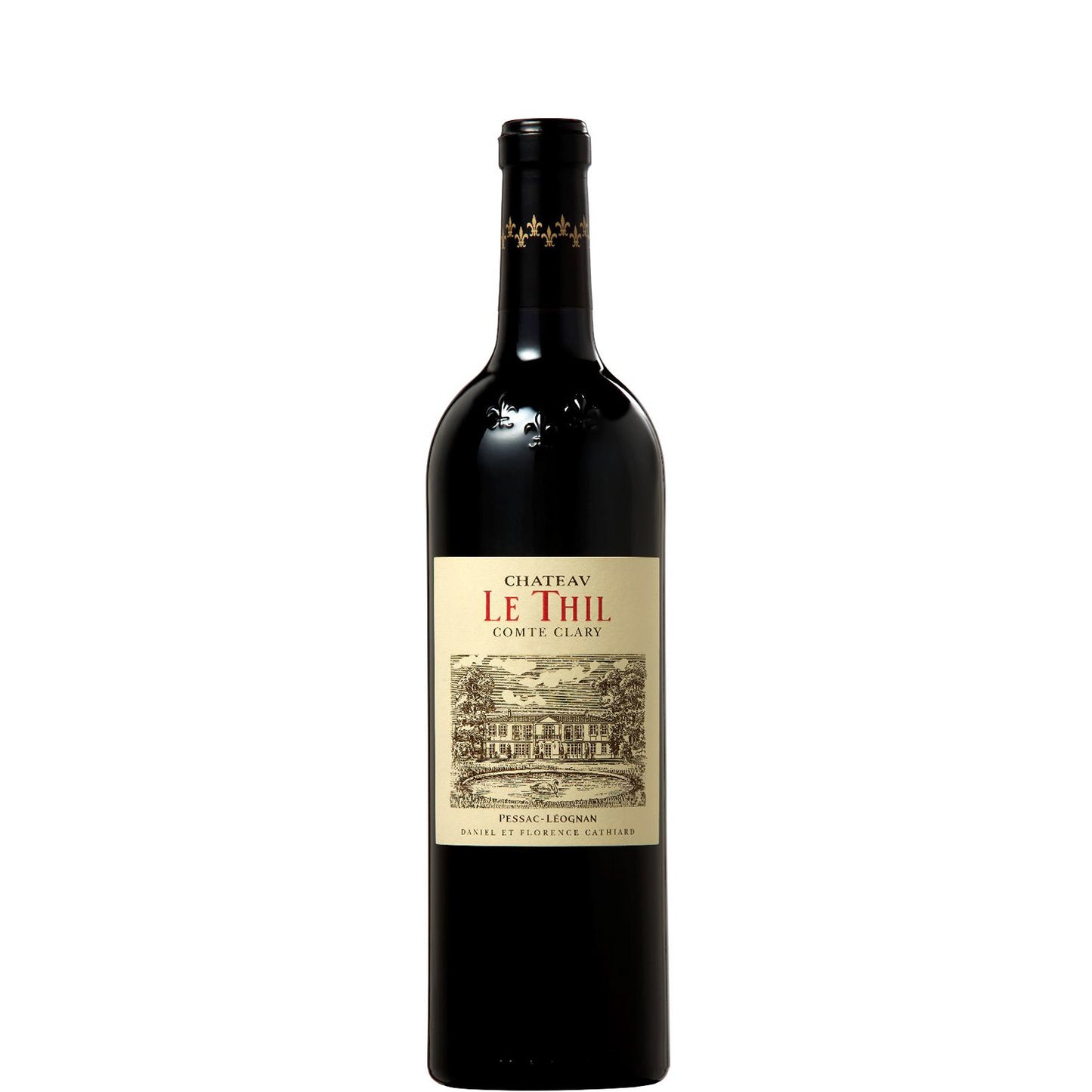
Château Le Thil, Comte Clary, 2020
Château Le Thil, Comte Clary, 2020
- 75cl
- 14.5%
- Red Still
- Cabernet Sauvignon, Merlot
- Organic
Couldn't load pickup availability

Optimal drinking window: Now - 2040
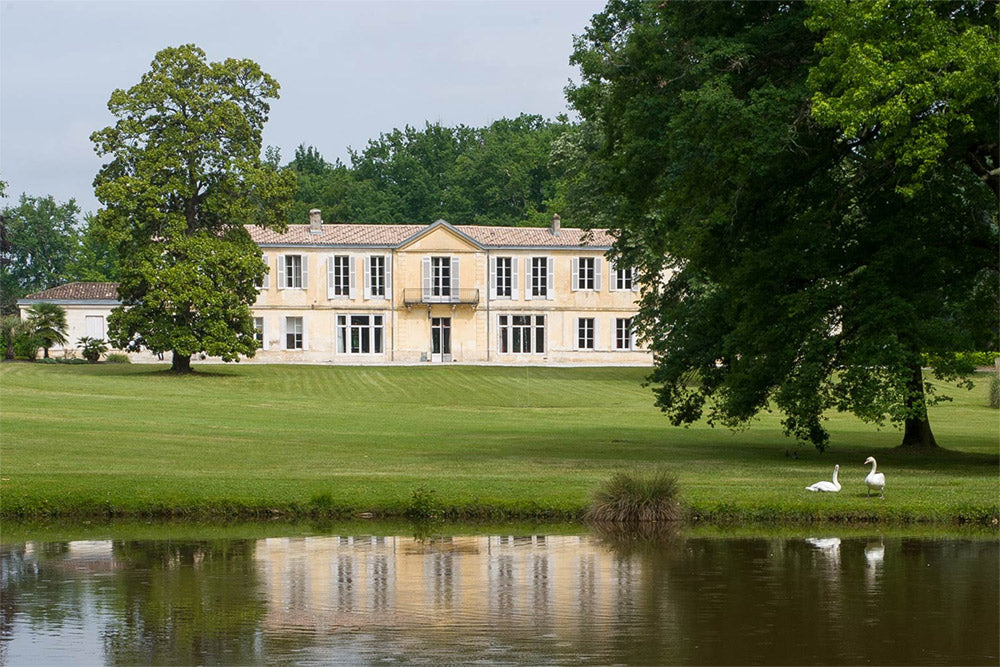
Château Le Thil is one of those under-the-radar Bordeaux gems that really makes you sit up and take notice. Nestled in the heart of Pessac-Léognan, just down the road from the legendary Smith Haut Lafitte (in fact, it shares the same ownership), Le Thil combines pedigree with serious value.
The vintage was kind to this corner of Bordeaux, and it shows in the glass. You get all the classic hallmarks—dark, juicy fruit, subtle spice, and a lovely thread of minerality—wrapped up in a sleek, finely balanced frame. There’s freshness, precision, and just enough grip to hint at how well this will age.
A wine that punches well above its weight and overdelivers for the price. For our Club Members looking for a savvy Left Bank buy with real class, this is a bottle to stock up on before the word gets out.
Currently showing its primary fruit character with excellent freshness and structure, this wine will benefit from 2-3 years of cellaring to allow the tannins to integrate fully. From 2028 onwards, expect secondary complexity to emerge with cedar, tobacco, and earthy notes joining the dark fruit core. The wine should reach its peak between 2030 and 2035, when the mineral character will be perfectly balanced with tertiary complexity. Well-stored bottles will remain drinking beautifully until 2040, though the primary fruit will gradually give way to more savoury, forest floor characteristics.
What the critics say:
"Fine tannins with blackberries, currants and hints of hazelnut. It’s medium-bodied and linear with firmness and length. Needs three or four years to soften. Better after 2025."
"The deep garnet-purple colored 2020 le Thil leaps from the glass with bolds scents of crushed black and red plums, mulberries and Morello cherries, plus wafts of cumin seed, lavender and underbrush. The medium to full-bodied palate is chock-full of crunchy black and red berries, framed by ripe, rounded tannins and bags of freshness, finishing with a skip in its step."
Tasting Notes
AppearanceDeep garnet-purple with a vibrant core and clear rim.
NoseCrushed blackcurrants and dark plums leap from the glass, followed by cedar, graphite, and a touch of lavender. There's an underlying mineral thread that speaks to the gravelly terroir, with subtle spice and forest floor complexity emerging with time in the glass.
PalateMedium to full-bodied with excellent structure and precision. The fruit is dark and concentrated but never heavy, with fine-grained tannins providing backbone without overwhelming. There's wonderful freshness throughout, with mineral acidity driving the wine to a long, linear finish that shows real class.
FinishLong and mineral-driven with persistent dark fruit and a subtle graphite signature that lingers beautifully.
Overall impressionA wine that perfectly captures the elegant, mineral style of Pessac-Léognan with serious aging potential.
Food Pairings
In Bordeaux, this style of wine would traditionally accompany the region's famous lamb from Pauillac, slow-roasted with herbs from the pine forests, or duck breast with cèpes gathered from the Landes. The local preference for simply prepared but high-quality ingredients shows off the wine's mineral precision beautifully. Beef entrecôte with shallot confit is another classic pairing, as is the regional speciality of lamprey stewed in red wine, though that's perhaps an acquired taste for modern palates.
We think this wine would go well with
Serve at 17-18°C to allow the wine's structure and aromatics to show properly. We'd recommend decanting for 45 minutes to an hour to let the tannins integrate and the mineral character emerge fully. Use Bordeaux glasses with a generous bowl to concentrate the aromatics while providing enough space for the wine to breathe. No need for extended decanting as this isn't a powerhouse style.
The vineyards sit on the classic gravel beds that define Pessac-Léognan, with stones that store heat during the day and release it at night, ensuring even ripening. Underneath lies a subsoil of clay and limestone that provides water retention during dry spells and contributes the mineral backbone that characterises the wines. This combination of excellent drainage and mineral complexity creates the ideal conditions for producing structured, age-worthy Bordeaux with distinctive precision and finesse.
Pessac-Léognan was carved out of the larger Graves appellation in 1987, recognising the superior quality of its gravelly soils. The appellation is home to all the Graves classified growths and is renowned for producing some of Bordeaux's most elegant and mineral-driven wines. Unlike the more powerful styles of the Médoc, Pessac-Léognan offers a more restrained, sophisticated approach that emphasises finesse over power, with wines that typically show excellent aging potential while remaining approachable in their youth.
The 2020 Bordeaux vintage began with one of the wettest winters on record, followed by a scorching summer that nearly broke temperature records across the region. What could have been a disaster became salvation: those deep winter water reserves carried the vines through the heat, while the dry conditions from July onwards concentrated flavours beautifully. The harvest started early and moved quickly, with most châteaux picking under ideal September skies.
We find 2020 Bordeaux surprisingly charming for such a hot year - the wines show ripe, generous fruit without the baked character you might expect. The Merlot-based Right Bank wines are particularly successful, displaying plush damson and blackberry flavours with enough freshness to keep them lively. Cabernet Sauvignon on the Left Bank delivers power and concentration, though some properties struggled more than others with the heat. Most 2020s are drinking beautifully now - this isn't a vintage that demands decades of patience, and we rather like that about it.
FAQs
What does this wine taste like?
Dark, juicy fruit with mineral precision - think blackcurrants and plums with a lovely graphite thread running through. It has fine tannins and excellent freshness that marks it as serious Bordeaux.
When should I drink this wine?
It's approachable now but will reward patience. We'd suggest drinking from 2026 through to 2040, with the sweet spot likely between 2030 and 2035.
What food pairs well with this wine?
Classic Bordeaux pairings work beautifully - lamb, duck breast, or beef with simple preparations that let the wine's mineral character shine. Avoid heavily spiced dishes that might overwhelm its elegance.
Should I decant this wine?
Yes, decant for 45 minutes to an hour to let the tannins integrate and the aromatics open up. It's not a powerhouse that needs extended aeration, but a moderate decant will show it at its best.
How does this compare to other Pessac-Léognan wines?
This represents excellent value for the appellation, offering the mineral precision and elegant style of Pessac-Léognan at a more accessible price point than the famous classified growths.
Is this wine worth cellaring?
Absolutely. This has the structure and balance to age gracefully for 15+ years, developing lovely secondary complexity while retaining its core of dark fruit and mineral character.
OUR GROWERS
Château Le Thil
Explore related wines


What are you looking for tonight? Tell me the occasion, a grape, a region — or just try a suggestion below.
Your recommendations will appear here.

-
-
Speak to one of our Wine Gurus
Speak to a Wine GuruWith years of experience, our team can help you with all your wine buying and selling needs