
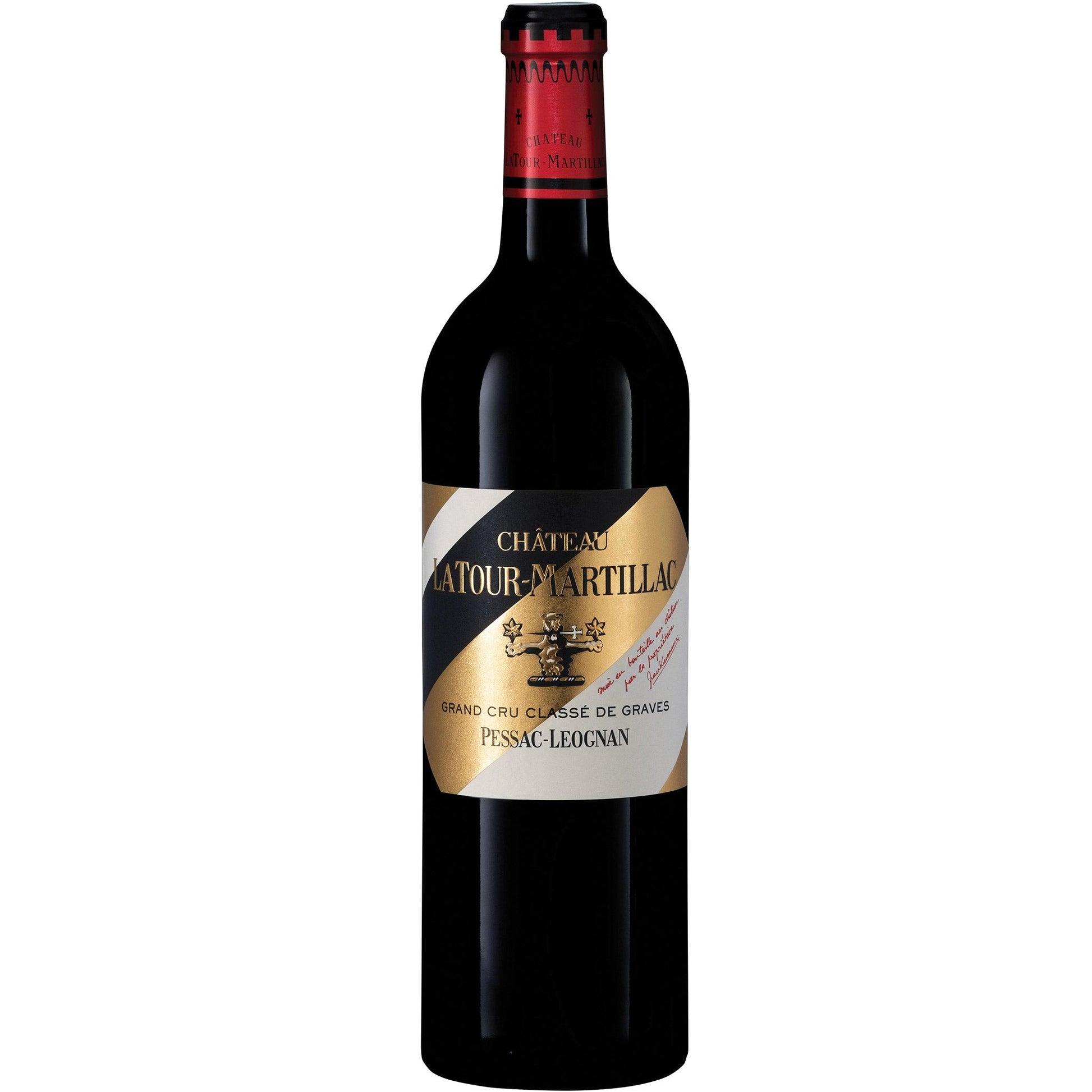
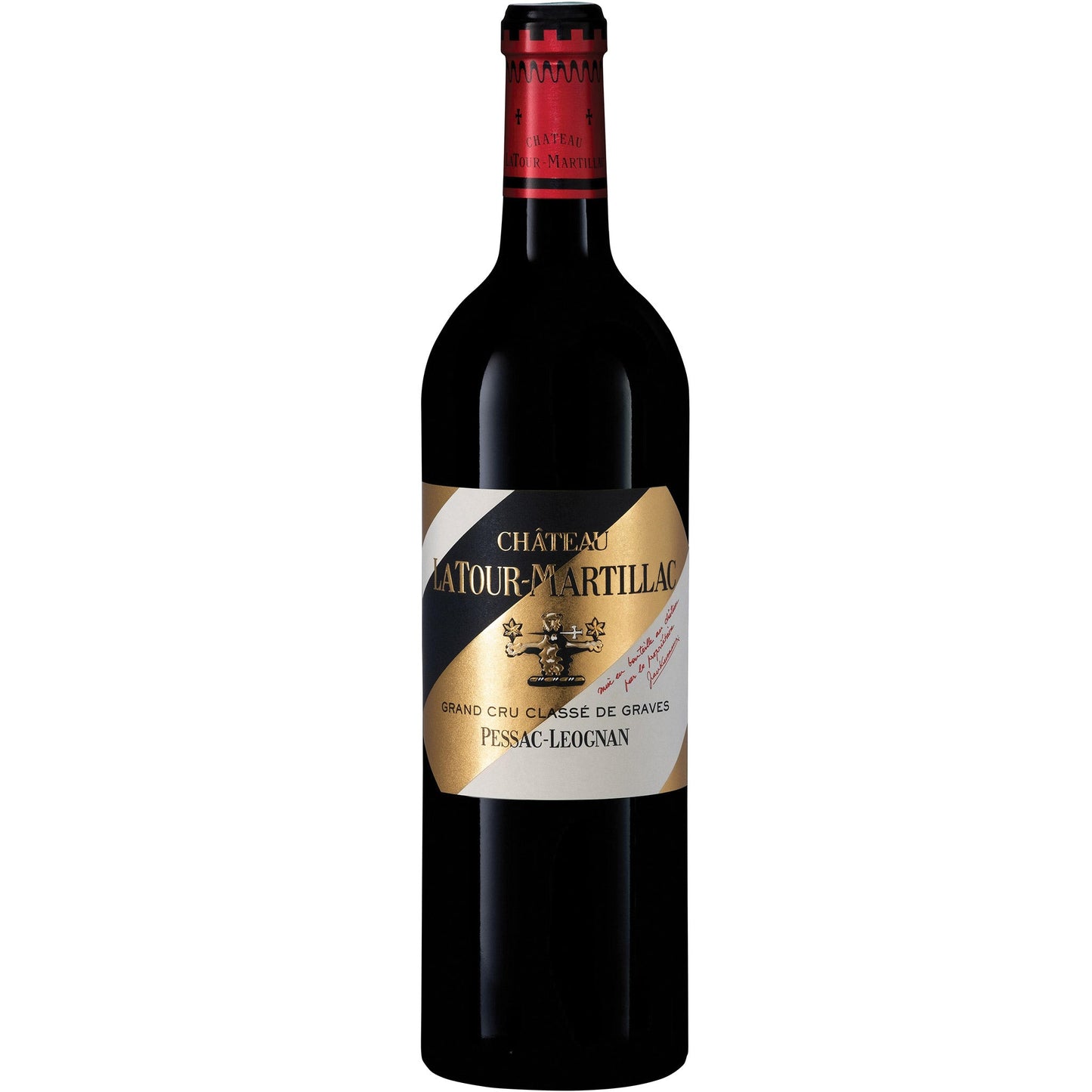
Château Latour Martillac Rouge, 2020 - Magnum
Château Latour Martillac Rouge, 2020 - Magnum
- 150cl
- 13.5%
- Red Still
- Cabernet Sauvignon, Merlot, Petit Verdot
Couldn't load pickup availability

Optimal drinking window: Now - 2044
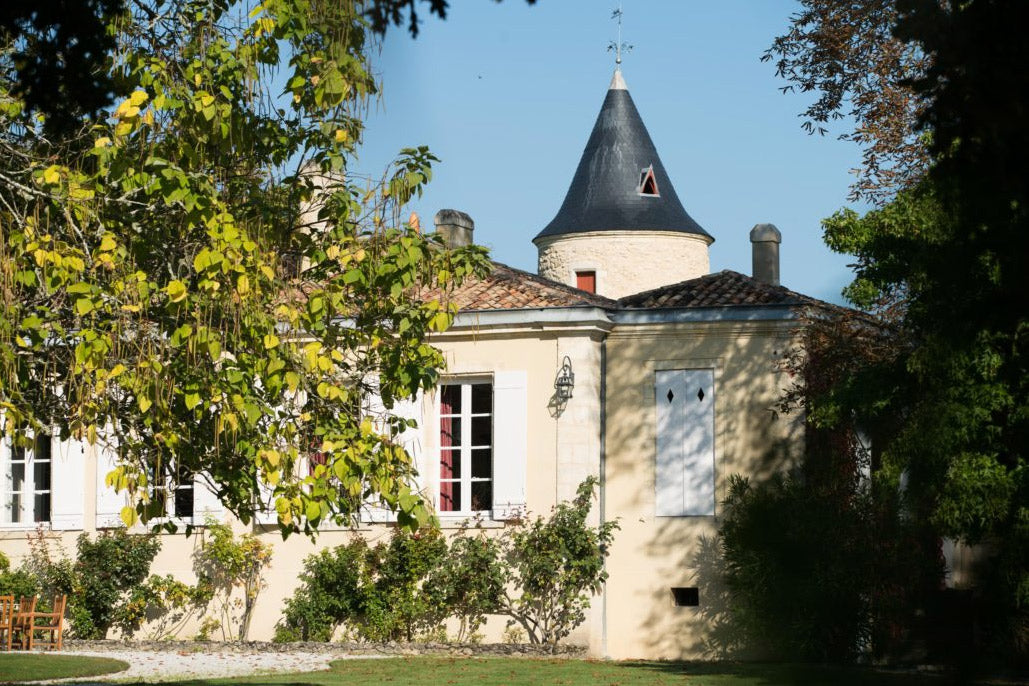
Thanks to the long involvement of generations of the Kressmann family, and the recognition shown in 1953 by the classification of Graves, the wines of Château Latour-Martillac feature among the best of Pessac-Léognan.
The 2020 Rouge has a deep ruby colour. The nose is complex, offering layered aromas of ripe black fruits, including blackcurrant, blackberry, and plum, accompanied by hints of violet, tobacco, cedar, and a touch of graphite. There are also subtle undertones of spice, a result of careful oak aging, which adds depth without overwhelming the fruit character.
On the palate, the 2020 is structured and well-balanced, with fine-grained tannins and refreshing acidity. The flavours mirror the nose, with notes of dark berries, cassis, and plum, interwoven with earthy, mineral elements and a slight smokiness. The finish is long and persistent, with lingering notes of dark chocolate and spice, showcasing the wine’s aging potential.
Currently showing its primary fruit character with tightly wound tannins, this wine will begin to integrate and soften around 2028 as the oak marries with the fruit. The secondary complexity of leather, tobacco, and earthy minerality will emerge over the following five years, reaching peak harmony between 2030-2038. After 2040, the wine will gradually move into its tertiary phase, developing mushroom and forest floor notes while maintaining its elegant structure until 2044.
What the critics say:
"The 2020 Latour-Martillac has an impressive, quite engaging bouquet with blackberry, incense, graphite and faint touches of black olive. This is very harmonious and well defined. The palate is medium-bodied with fine-grain tannins, very well balanced, quite saline with a poised and quite persistent finish. Quintessentially Péssac-Leognan, this has a bright future ahead. "
"The tannins are pretty tight and closed in right now, but they are cradling real depth of flavour, blueberry, cassis, tobacco, raspberry leaf and green tomato leaf on the finish. Aromatic, with gourmet swirl of cocoa bean and espresso. 38hl/ha yield."
Tasting Notes
AppearanceDeep ruby with hints of purple at the rim, showing the concentration of this exceptional vintage.
NoseImmediately engaging with ripe blackcurrant and blackberry fruit, lifted by violet florals and the distinctive graphite minerality that marks great Pessac-Léognan. Cedar and tobacco emerge with time in the glass, alongside subtle incense and black olive complexity that speaks to the wine's breeding.
PalateMedium-bodied but beautifully concentrated, with fine-grained tannins that provide structure without overwhelming the elegant fruit core. The flavours mirror the nose precisely, with dark berry cassis and plum interwoven with earthy minerals and a distinctive saline quality that adds freshness and persistence.
FinishLong and harmonious, with lingering dark chocolate, espresso, and spice notes that showcase the wine's ageing potential.
Overall impressionQuintessential Pessac-Léognan that balances immediate appeal with serious cellar-worthiness.
Food Pairings
In the Bordeaux region, this style of wine would traditionally accompany the local specialities: entrecôte à la bordelaise with its rich shallot and red wine reduction, or perhaps agneau de Pauillac with garlic and herbs from the nearby salt marshes. The locals also favour it with duck confit from the Landes, the rich meat playing beautifully against the wine's mineral backbone. Côte de bœuf grilled over vine prunings is another classic pairing, the smoky char echoing the wine's subtle oak influence while the beef's richness matches the wine's structured tannins.
We think this wine would go well with
Serve at 17-18°C to allow the wine's complex aromatics to fully express themselves. We recommend decanting for 60-90 minutes to soften the currently firm tannins and allow the mineral complexity to emerge. Use large Bordeaux glasses to concentrate the elegant bouquet while providing enough surface area for the wine to breathe properly.
The vineyards of Château Latour-Martillac are planted on the classic Graves terroir that gives the appellation its name: deep beds of rounded pebbles and gravel over clay subsoil. These well-draining soils force the vines to dig deep for nutrients, concentrating flavours while the stones retain heat during the day and release it slowly at night, ensuring optimal ripening. The maritime influence from the nearby Atlantic moderates temperatures, creating the perfect conditions for both Cabernet Sauvignon and Merlot to reach full phenolic maturity while retaining crucial acidity.
Pessac-Léognan represents the aristocratic heart of the Graves region, carved out as its own appellation in 1987 to recognise the superior quality of its gravelly soils. The area is home to all of the classified Graves estates, including the legendary Haut-Brion, and produces wines that bridge the gap between the power of the Médoc and the suppleness of the Right Bank. The appellation's unique terroir and cooler climate compared to the Médoc creates wines with distinctive mineral complexity and remarkable ageing potential.
The 2020 Bordeaux vintage began with one of the wettest winters on record, followed by a scorching summer that nearly broke temperature records across the region. What could have been a disaster became salvation: those deep winter water reserves carried the vines through the heat, while the dry conditions from July onwards concentrated flavours beautifully. The harvest started early and moved quickly, with most châteaux picking under ideal September skies.
We find 2020 Bordeaux surprisingly charming for such a hot year - the wines show ripe, generous fruit without the baked character you might expect. The Merlot-based Right Bank wines are particularly successful, displaying plush damson and blackberry flavours with enough freshness to keep them lively. Cabernet Sauvignon on the Left Bank delivers power and concentration, though some properties struggled more than others with the heat. Most 2020s are drinking beautifully now - this isn't a vintage that demands decades of patience, and we rather like that about it.
FAQs
What does this wine taste like?
We find layers of blackcurrant and plum fruit with distinctive graphite minerality, fine-grained tannins, and a saline freshness that's characteristic of great Pessac-Léognan.
When should I drink this wine?
While approachable now, this wine will reward patience and drinking from 2028 until 2044, with peak enjoyment likely between 2030-2038.
What food pairs best with this wine?
Classic pairings include roasted lamb, beef with rich sauces, duck confit, or mature hard cheeses, where the wine's structure complements rich, savoury flavours.
Should I decant this wine?
Yes, decant for 60-90 minutes to allow the tannins to soften and the complex aromatics to emerge, particularly if drinking before 2030.
Is this wine worth cellaring?
Absolutely. This is built for the long haul with excellent ageing potential until 2042, showing how classified Graves develops beautiful secondary complexity over time.
How does this compare to other Bordeaux wines?
Pessac-Léognan wines like this offer more elegance and mineral complexity than many Médoc wines, with less power but greater finesse than typical Right Bank styles.
Explore related wines


What are you looking for tonight? Tell me the occasion, a grape, a region — or just try a suggestion below.
Your recommendations will appear here.
-
-
Speak to one of our Wine Gurus
Speak to a Wine GuruWith years of experience, our team can help you with all your wine buying and selling needs