

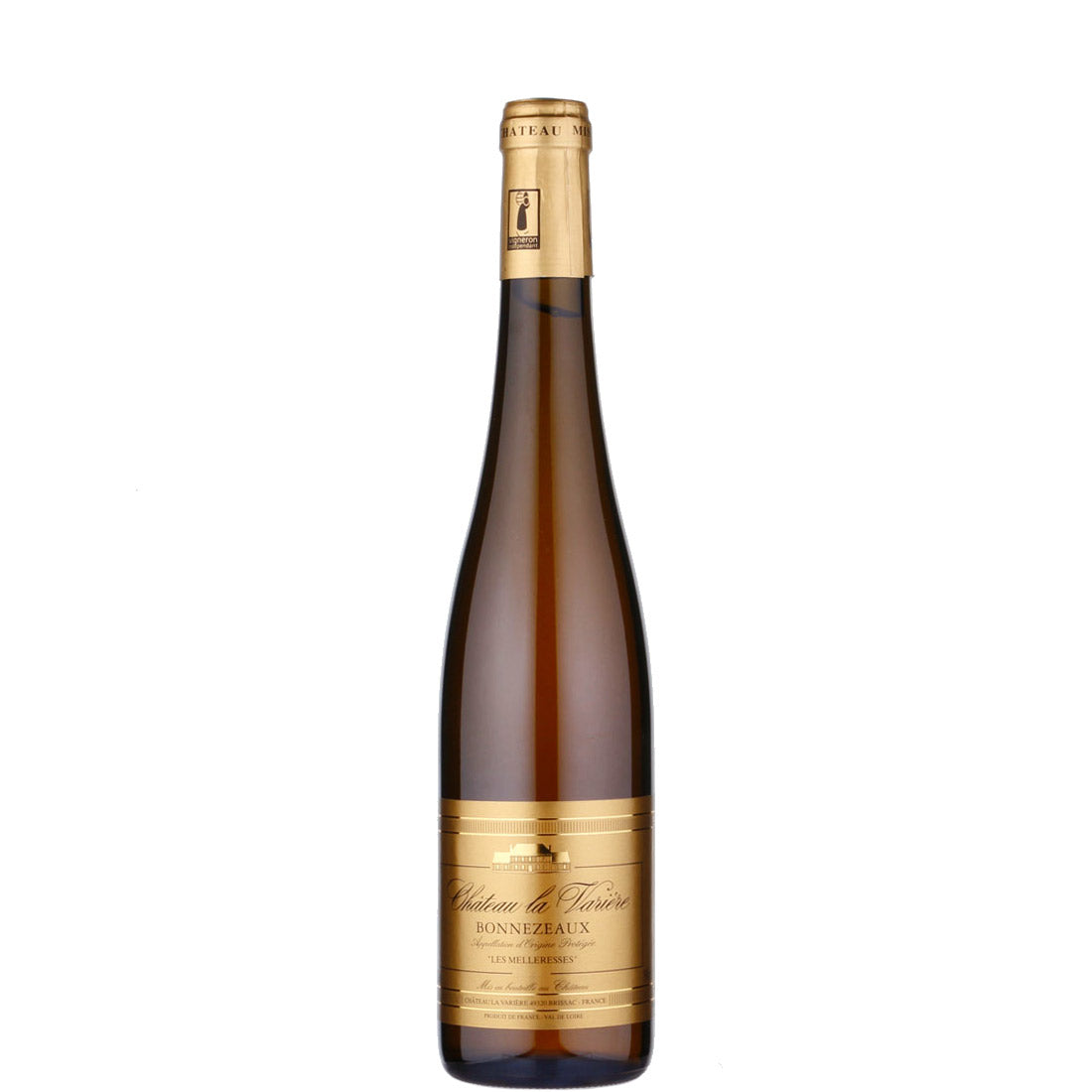
Château La Varière, Bonnezeaux Les Melleresses, 2009 - 50cl
Château La Varière, Bonnezeaux Les Melleresses, 2009 - 50cl
- 50cl
- 13%
- Dessert
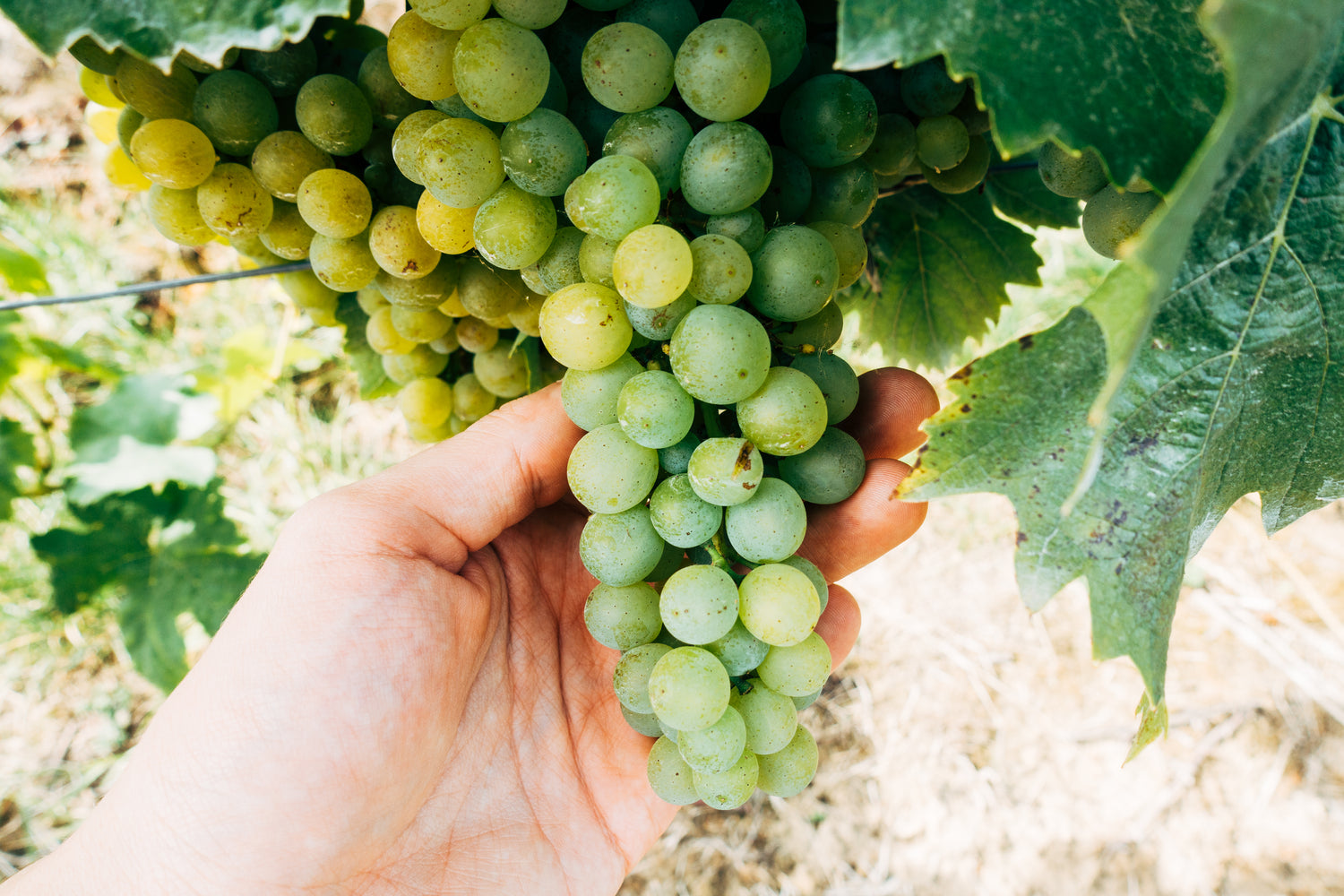
- Chenin Blanc
Couldn't load pickup availability

Optimal drinking window: 2026 - 2040
The Château La Varière Bonnezeaux Les Melleresses boasts a beautifully ripe and concentrated nose, intertwining aromas of citrus, tropical fruits, and sweet spices.
On the palate, it offers remarkable richness and harmony, with a luscious, weighty texture and a youthful restraint that promises great aging potential. Flavours of candied peel, dried apricot, and quince take center stage, balanced by a vibrant and refreshing acidity that offsets its sweetness.
Deliciously indulgent now, this wine will continue to evolve, offering even greater complexity and enjoyment in the years to come.
At 17 years old, the 2009 Les Melleresses is fully into its drinking window and showing with real confidence — the primary tropical fruit has softened into dried fruit and honey, and secondary complexity is well established. Over the next five years it will continue to deepen, with more pronounced notes of marmalade, beeswax, and perhaps a touch of petrol that Chenin develops with age. We would expect it to plateau somewhere around 2030 to 2033, holding at that peak for several years before gradually moving into a more oxidative, Madeira-like register. Bottles kept in ideal cellar conditions could hold until 2040, but there is no reason to wait if you have one ready to go.
What the critics say:
"A super-rich wine, almost over the top in its honeyed intensity. It is opulent, generous, packed with ripe yellow fruits, mango and pineapple. The wine is so rich that it is hard to find the acidity, but it is there in the orange marmalade flavor right at the end. *Highly recommended*"
Tasting Notes
AppearanceDeep burnished gold with an amber edge, completely clear and viscous in the glass.
NoseIntensely honeyed, with dried apricot, candied orange peel, and ripe mango coming forward immediately. There is a warm beeswax quality underneath, and with time in the glass a gentle saffron-like spice begins to emerge.
PalateRichly textured and weighty, almost unctuous, with tropical fruit and quince paste driving the mid-palate. The sweetness is genuine and generous, but a lively citrus acidity pulls everything back into balance and stops it feeling heavy.
FinishLong and persistent, with a precise hit of orange marmalade bitterness that lingers well after the sweetness has faded.
Overall impressionA wine of real opulence that earns every drop of its richness through that acid backbone.
Food Pairings
In the Loire Valley, this style of Bonnezeaux is traditionally served with the region's famous rillons and rillettes — the richness of the wine cutting through the fat of slow-cooked pork in a way that feels almost designed. Roquefort or aged Comté are natural partners, the salt and funk of the cheese finding common ground with the wine's honeyed intensity. Further along the table, a classic tarte Tatin made with local Reinette apples would be an impeccable match — the caramelised fruit echoing the wine's own dried-fruit character. At its most indulgent, serve it alongside a slice of foie gras terrine, as they do in the restaurants of nearby Saumur.
We think this wine would go well with
Serve well chilled, between 8 and 10°C, to keep the sweetness in check and let the acidity do its work. This wine does not need decanting, but give it 10 minutes in the glass before drinking — the nose opens up noticeably as it warms slightly. A narrow dessert wine glass or a tulip-shaped white wine glass works best, concentrating the aromatics without letting the alcohol overwhelm.
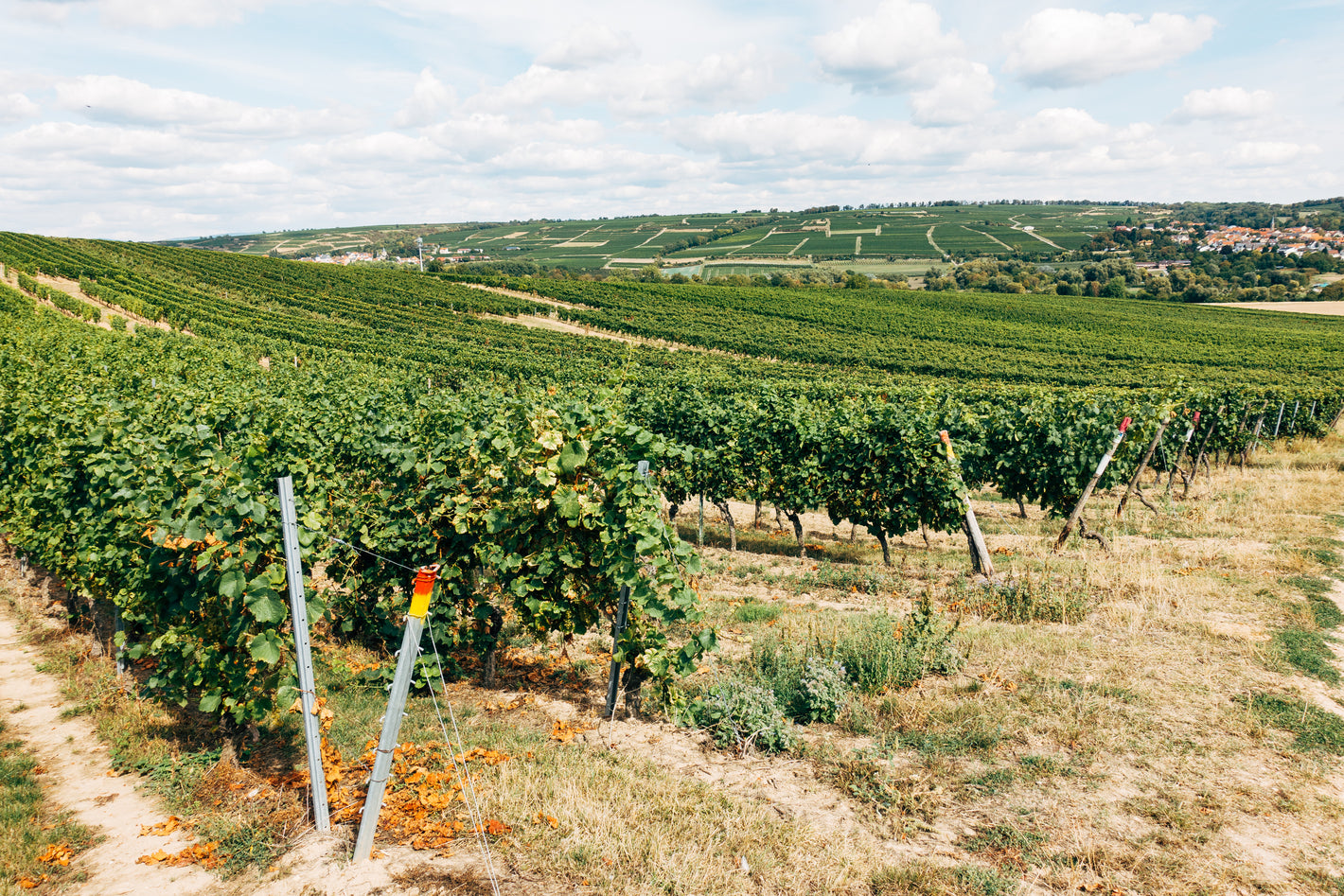
The Les Melleresses vineyard sits on the steep schistous slopes that define the best sites in Bonnezeaux, where the shallow, heat-retaining schist soil pushes vines to stress and concentrate their fruit. The south-facing aspect maximises sun exposure during the critical ripening window, while the Layon river below encourages the morning mists that trigger noble rot in favourable autumns. The 2009 vintage brought exceptional ripeness with very low yields, and the schist gave the wine its characteristic mineral spine beneath the richness.
Bonnezeaux is a grand cru appellation within the Loire's Anjou region, covering just 90 hectares on three south-facing hillsides above the village of Thouarcé. It produces exclusively late-harvest Chenin Blanc, made from grapes affected by botrytis cinerea or passerillage, and minimum potential alcohol levels are among the highest for any Loire appellation. Compared to its neighbour Coteaux du Layon, Bonnezeaux tends toward greater concentration and longevity, and is often mentioned in the same breath as Quarts de Chaume as the Loire's finest sweet wine terroir.
The Loire in 2009 had the kind of growing season that makes growers nervous for the right reasons: a hot, dry summer that pushed ripeness to levels the region doesn't always see. Yields were down, concentration was up, and by harvest time there was genuine excitement alongside the usual anxiety about whether the Atlantic had anything unpleasant planned. It didn't. Conditions held, and what came in was ripe, healthy fruit across the board.
The results were striking. Chenin Blanc in Savennières, Vouvray, and Montlouis produced wines of real weight and richness — the dry versions have a grip and depth that reward patience, while the sweet wines from Quarts de Chaume and Bonnezeaux are the stuff of serious cellaring. Muscadet, often overlooked in great years, also delivered. Reds from Chinon and Bourgueil filled out in ways that leaner years don't allow. Most wines are drinking well now, though the best Chenins have years ahead of them — we wouldn't rush anything serious until 2025 or beyond.
FAQs
What does this wine taste like?
Intensely honeyed and rich, with dried apricot, candied orange peel, quince, and ripe tropical fruit. It is opulent but not cloying, held together by a bright citrus acidity that comes through clearly on the finish.
When should I drink this wine?
It is drinking well right now and will continue to do so until around 2040. There is no need to wait, but if you have more than one bottle, it will reward patience over the next five to seven years as it moves into a more complex, secondary phase.
What food should I pair it with?
Strong blue cheeses like Roquefort are a classic match, as is foie gras terrine. It also works brilliantly with fruit-based desserts — tarte Tatin, apricot tart, or crème brûlée. If you want to serve it without food, that is equally valid.
How should I serve it?
Serve chilled at around 8 to 10°C. No decanting needed, but give it a few minutes in the glass to open up. A narrow dessert wine glass or a standard tulip white wine glass will serve it well.
Is this wine worth cellaring?
Yes, though it is already giving a great deal of pleasure now. The 2009 vintage was exceptional for sweet Loire wines, and the structure here suggests it will hold and evolve until at least 2035 to 2040 in a good cellar.
What makes Bonnezeaux special compared to other sweet Loire wines?
Bonnezeaux is one of the Loire's two grand cru sweet wine appellations, covering only around 90 hectares on steep schist slopes. It tends to be richer and longer-lived than most Coteaux du Layon, and is made exclusively from Chenin Blanc affected by noble rot. The combination of schistous soils and south-facing aspect gives it a concentration and mineral tension that sets it apart.
Explore related wines


What are you looking for tonight? Tell me the occasion, a grape, a region — or just try a suggestion below.
Your recommendations will appear here.
-
-
Speak to one of our Wine Gurus
Speak to a Wine GuruWith years of experience, our team can help you with all your wine buying and selling needs