
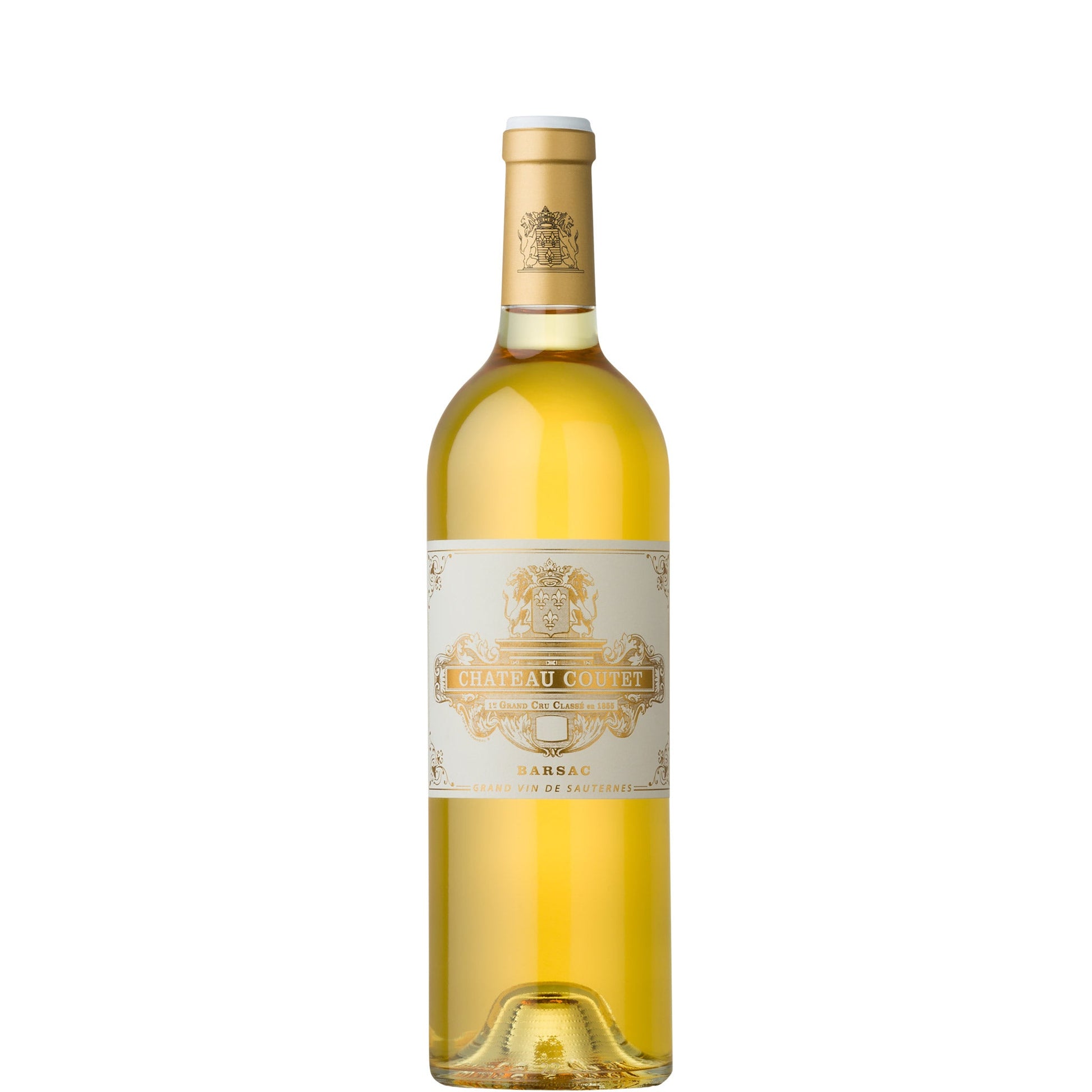
Château Coutet Sauternes-Barsac, 2021
Château Coutet Sauternes-Barsac, 2021
- 75cl
- 13%
- Dessert
- Sémillon, Sauvignon Blanc, Muscadelle
- Organic
Couldn't load pickup availability

Optimal drinking window: Now - 2045
The 2021 Château Coutet Sauternes-Barsac is a beautifully poised and vibrant sweet wine, showing the freshness and finesse that define great Barsac. The nose opens with bright citrus, candied peel, apricot and white peach, lifted by hints of honeysuckle and saffron. On the palate, it strikes a lovely balance between richness and energy: luscious stone-fruit flavours supported by Barsac’s trademark mineral tension, giving the wine a long, precise and almost crystalline finish.
Situated in the Barsac appellation, Château Coutet produces sublime sweet wines, reflecting the estate's dedication to organic viticulture and traditional winemaking. In 2021, this approach shines through - the wine is elegant rather than heavy, with purity of fruit and a refreshing backbone that makes it as compelling with food as it is on its own.
Right now in 2026, the 2021 Coutet is in a lively, expressive primary phase — the citrus, apricot, and ginger are all singing, and it is genuinely pleasurable to drink today. Over the next five to eight years, the primary fruit will begin to integrate and the wine will start to develop the secondary complexity that defines great Barsac: beeswax, marmalade, dried mango, and a deeper honeyed richness. The mineral backbone that defines this vintage will hold the wine in good shape well into the 2030s. We would expect it to reach a first plateau of complexity around 2030-2035, with a potential peak somewhere between 2030 and 2040, and the structure to hold until at least 2045 in a good cellar.
What the critics say:
"Fantastic energy and length to this young Sauternes, with dried-apple, apple-pie, spice and cinnamon character . Medium body, medium sweetness and a vibrant finish."
"Great quality, bright and concentrated, dried apricots, mandain peel, fig, pineapple and candied ginger, with a touch of bitterness and a mouthwatering finish. This is gorgeous, one to look out for."
Tasting Notes
AppearanceBright, pale gold with a light amber glow at the rim.
NoseDried apricot, mandarin peel, and fig sit alongside candied ginger and a thread of saffron. There is a lifted, almost floral quality — honeysuckle and white peach — that keeps it from feeling heavy. The botrytis is present but restrained, adding depth without dominating.
PalateMedium-bodied with medium sweetness, this is not a wine that wallows in richness — the stone fruit is concentrated and vivid, but Barsac's stony mineral backbone keeps everything honest. A lick of bitterness on the mid-palate adds tension and stops the sweetness from becoming cloying. Apple, dried pineapple, and a touch of cinnamon spice arrive on the second pass.
FinishLong, precise, and mouthwatering, with a crystalline mineral quality that lingers well after the fruit has faded.
Overall impressionA Barsac of real elegance and energy — the 2021 vintage has given Coutet freshness and focus that will serve it beautifully over the next two decades.
Food Pairings
In the Sauternes and Barsac region, the classic pairing is Roquefort — the salt and funk of the cheese against the sweet, mineral wine is one of Bordeaux's great culinary traditions, and it works every time. Foie gras poêlé is the other cornerstone pairing, particularly with a touch of caramelised quince or fig alongside. Locally, Coutet's style of Barsac is also matched with langoustines and rich seafood preparations — the wine's acidity cuts through cream-based sauces with real authority. A tarte tatin or an apricot clafoutis would be a fine way to open a second bottle at the end of a meal.
We think this wine would go well with
Serve at 10-12°C — cold enough to feel refreshing, warm enough to open up the fruit and spice. No need to decant, but do give it twenty minutes in the glass before you commit to an opinion; young Barsac can be slightly closed on first pour. A tulip-shaped white wine glass or a smaller Burgundy-style glass works well, concentrating the aromatic complexity without letting it dissipate too quickly.
Coutet's vineyards sit on the sandy, clay-limestone soils that are characteristic of Barsac, overlying a bed of red limestone known locally as alios. This subsoil gives the wines a distinctly stony, mineral quality that sets Barsac apart from the richer, heavier soils further into Sauternes. The proximity of the Ciron river, whose cold waters meeting the warmer Garonne create the morning mists that encourage Botrytis cinerea, is the critical climatic factor for all great sweet wines here. In 2021, a warm, dry growing season with well-timed autumn humidity produced concentrated, healthy botrytised fruit with exceptional freshness.
Barsac is both a commune within Sauternes and an appellation in its own right — producers here can label their wines either Sauternes or Sauternes-Barsac, and Coutet chooses the latter to signal its specific origins. The appellation produces sweet white wines exclusively from Sémillon, Sauvignon Blanc, and Muscadelle, all affected to varying degrees by noble rot. Barsac wines tend to be lighter in body and more mineral than those from the heart of Sauternes, with a characteristic citrus-driven freshness that balances the sweetness. It is one of only two communes within Sauternes to have its own appellation designation, the other being Sauternes itself.
The 2021 growing season in Bordeaux delivered one of those vintages that separates the wheat from the chaff. Spring frost in April walloped many vineyards, particularly on the Right Bank, slashing potential yields before the season properly began. A sodden start gave way to a blistering summer that pushed ripening forward, then September rains arrived just as harvest decisions loomed. The producers who survived the frost and timed their picking with surgical precision crafted wines of real character, whilst others found themselves wrestling with dilution or struggling with reduced volumes.
What emerged from this gauntlet is a vintage of surprising charm, though decidedly not a blockbuster year. The Merlot-based Right Bank wines show particular finesse where frost damage was minimal, with a silky texture that makes them uncommonly approachable young. Left Bank Cabernet Sauvignon fared better through the challenging weather, producing wines with good structure but less of the power you might expect from recent years. We find ourselves reaching for these 2021s now rather than cellaring them for decades—they're drinking beautifully with a few years on them and should hit their stride over the next decade.
FAQs
What does the 2021 Château Coutet taste like?
Concentrated dried apricot, mandarin peel, fig, and candied ginger, with a stony mineral tension that keeps the sweetness fresh and precise. The finish is long and mouthwatering rather than heavy — this is Barsac at its most focused.
Is the 2021 a good vintage for Barsac?
Very good indeed. A warm, dry growing season with well-timed autumn humidity produced healthy, concentrated botrytised fruit with exceptional freshness. Critics have scored this wine at 95-96 points, pointing to its vibrant energy and length as standout qualities.
When should I drink this wine?
It is drinking well now and will continue to do so until around 2045. If you want to catch it at its most expressive peak, we would suggest patience until at least 2030, when the primary fruit will have integrated and secondary complexity starts to emerge.
What food should I serve with this wine?
Roquefort and foie gras are the classic answers, and they remain classic for good reason. But Coutet's mineral freshness also makes it a surprisingly good match for rich seafood dishes — langoustines, scallops with a cream sauce, or even a lobster bisque. An apricot tart works well if you want to stay in dessert territory.
How should I serve this wine?
Serve at around 10-12°C. No need to decant, but give it twenty minutes in the glass before judging — young Barsac can be a little closed on first pour and rewards a little patience even in the short term.
Is this worth cellaring?
Absolutely. This is a Premier Cru Classé Barsac from a strong vintage made by an estate that farms organically and prizes precision. The mineral backbone is the key — it gives the wine the structure to age gracefully for another twenty years. Buy a case and open one every few years to watch it develop.
OUR GROWERS
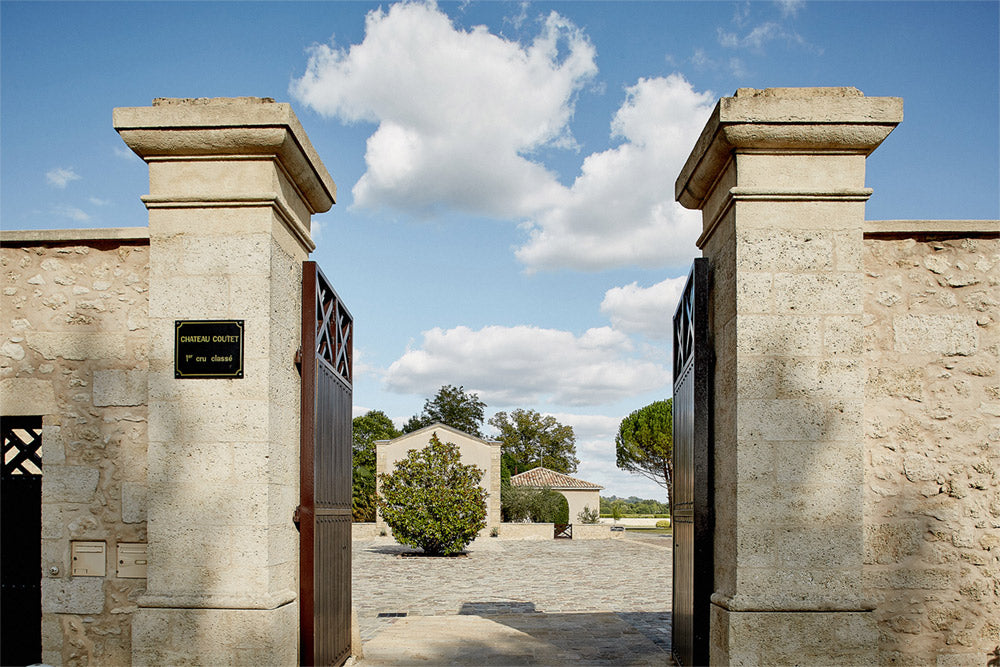
Château Coutet


What are you looking for tonight? Tell me the occasion, a grape, a region — or just try a suggestion below.
Your recommendations will appear here.
-
-
Speak to one of our Wine Gurus
Speak to a Wine GuruWith years of experience, our team can help you with all your wine buying and selling needs