

Château Coutet, Opalie de Coutet, 2020
Château Coutet, Opalie de Coutet, 2020
- 75cl
- 13.5%
- White Still
- Sémillon, Sauvignon Blanc
- Organic
Couldn't load pickup availability

Optimal drinking window: Now - 2030
On the palate the Opalie is lush yet bright, balancing creamy texture with vibrant acidity. Flavours of grapefruit, lemon zest, and stone fruits like peach and apricot are well-defined, leading to a long, mineral-driven finish with a whisper of oak from subtle barrel aging.
This wine pairs excellently with seafood, poultry, creamy cheeses, or dishes with fresh herbs, and it should age gracefully, adding complexity as it matures.
Opalie de Château Coutet is an alternative expression of Sémillon and Sauvignon in a fine dry white wine. Another vision of the clay-limestone soil of Barsac, traditionally known for its sweet wines, another balance to reveal its minerality. The grapes come from vines with an average age of 45 years, grown in selected plots.
Currently showing beautifully integrated primary fruit with the mineral backbone already well-established, this wine is drinking superbly now. Over the next 3-4 years, we expect the citrus brightness to soften slightly whilst developing more complex secondary notes of honey and dried fruits. The stone fruit character will become more pronounced, and the subtle oak integration will add further texture. The wine should reach its peak around 2028-2030 but will continue drinking well until at least 2032, with the mineral finish ensuring longevity.
What the critics say:
"The 2020 Opalie, the dry cuvée from Coutet, has a perfumed nose of white flowers, honeysuckle and Conference pear, a light earthy note emerging with time. The palate is medium-bodied with fine acidity that neatly counters the concentrated citrus fruit, and a tang of stem ginger and dried orange peel toward the finish. This is an excellent Opalie that should drink well for several years. "
Tasting Notes
AppearanceBright golden yellow with brilliant clarity and a hint of green at the rim.
NosePerfumed and expressive with white flowers, honeysuckle, and Conference pear dominating the bouquet. A light earthy note emerges with time in the glass, adding complexity and suggesting the wine's mineral foundations.
PalateMedium-bodied with fine acidity that perfectly balances the concentrated citrus fruit character. The texture is both lush and bright, showing grapefruit and lemon zest alongside stone fruits, with stem ginger and dried orange peel adding spice and depth towards the mid-palate.
FinishLong and mineral-driven with a whisper of oak integration and persistent citrus notes.
Overall impressionAn excellent expression that reveals the dry potential of Barsac's famous terroir with remarkable balance and aging potential.
Food Pairings
In Bordeaux, this style of dry white would traditionally accompany the region's famous oysters from Arcachon Bay, their briny sweetness perfectly complemented by the wine's mineral acidity. Local cooks would pair it with grilled fish from the Gironde estuary, particularly sea bass or turbot, often prepared with herbs from the coastal salt marshes. The wine's richness also makes it ideal with the region's creamy goat cheeses and classic dishes like sole meunière, where the citrus character echoes the traditional lemon garnish.
We think this wine would go well with
Serve well-chilled at 8-10°C to showcase the wine's bright acidity and mineral character. No decanting required, though allowing it to warm slightly in the glass will reveal more of its stone fruit complexity. Use a medium-sized white wine glass with a slightly tapered rim to concentrate the delicate floral aromatics whilst allowing the mineral finish to shine through.
The vineyards sit on Barsac's distinctive clay-limestone soils, traditionally the foundation for some of the world's finest dessert wines. This particular terroir, with its perfect balance of water retention and drainage, creates ideal conditions for both concentration and freshness. The clay provides richness and texture whilst the limestone delivers the mineral backbone that gives Opalie its distinctive character and aging potential.
Barsac sits within the Graves appellation in Bordeaux's Left Bank, most famous for producing lusciously sweet wines from Sémillon and Sauvignon Blanc affected by noble rot. The appellation's unique microclimate, influenced by the Ciron river, creates morning mists that encourage botrytis development. However, estates like Coutet also produce exceptional dry whites from the same terroir, revealing a different but equally compelling expression of these hallowed vineyard sites.
The 2020 Bordeaux vintage began with one of the wettest winters on record, followed by a scorching summer that nearly broke temperature records across the region. What could have been a disaster became salvation: those deep winter water reserves carried the vines through the heat, while the dry conditions from July onwards concentrated flavours beautifully. The harvest started early and moved quickly, with most châteaux picking under ideal September skies.
We find 2020 Bordeaux surprisingly charming for such a hot year - the wines show ripe, generous fruit without the baked character you might expect. The Merlot-based Right Bank wines are particularly successful, displaying plush damson and blackberry flavours with enough freshness to keep them lively. Cabernet Sauvignon on the Left Bank delivers power and concentration, though some properties struggled more than others with the heat. Most 2020s are drinking beautifully now - this isn't a vintage that demands decades of patience, and we rather like that about it.
FAQs
What does this wine taste like?
Lush yet bright with concentrated citrus, stone fruits like peach and apricot, and a distinctive mineral finish touched by stem ginger and dried orange peel.
When should I drink this wine?
Drinking beautifully now and will continue to develop complexity over the next 6-8 years, peaking around 2028-2030.
What food pairs well with this wine?
Excellent with seafood, particularly oysters and grilled fish, as well as poultry, creamy cheeses, and dishes featuring fresh herbs.
How should I serve this wine?
Serve well-chilled at 8-10°C in medium-sized white wine glasses. No decanting needed, just allow it to warm slightly in the glass.
Is this wine worth cellaring?
Absolutely. This wine will age gracefully, developing more complex secondary flavours whilst maintaining its mineral backbone and fresh acidity.
What makes this wine special?
It's a rare dry expression from one of Barsac's most celebrated sweet wine estates, showcasing a completely different side of this famous terroir with remarkable elegance.

OUR GROWERS
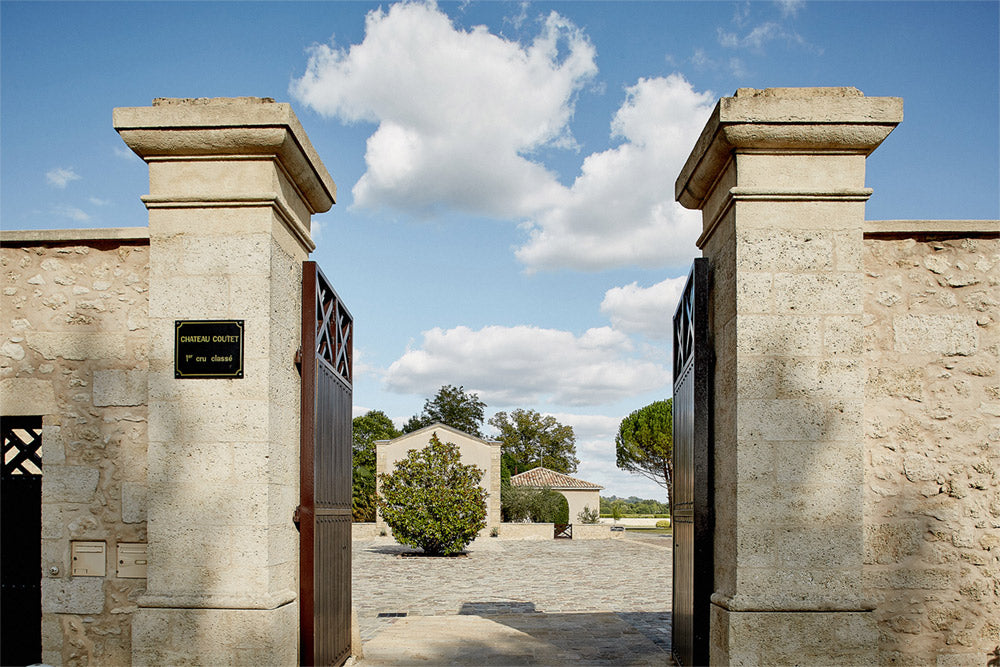
Château Coutet


What are you looking for tonight? Tell me the occasion, a grape, a region — or just try a suggestion below.
Your recommendations will appear here.
-
-
Speak to one of our Wine Gurus
Speak to a Wine GuruWith years of experience, our team can help you with all your wine buying and selling needs