

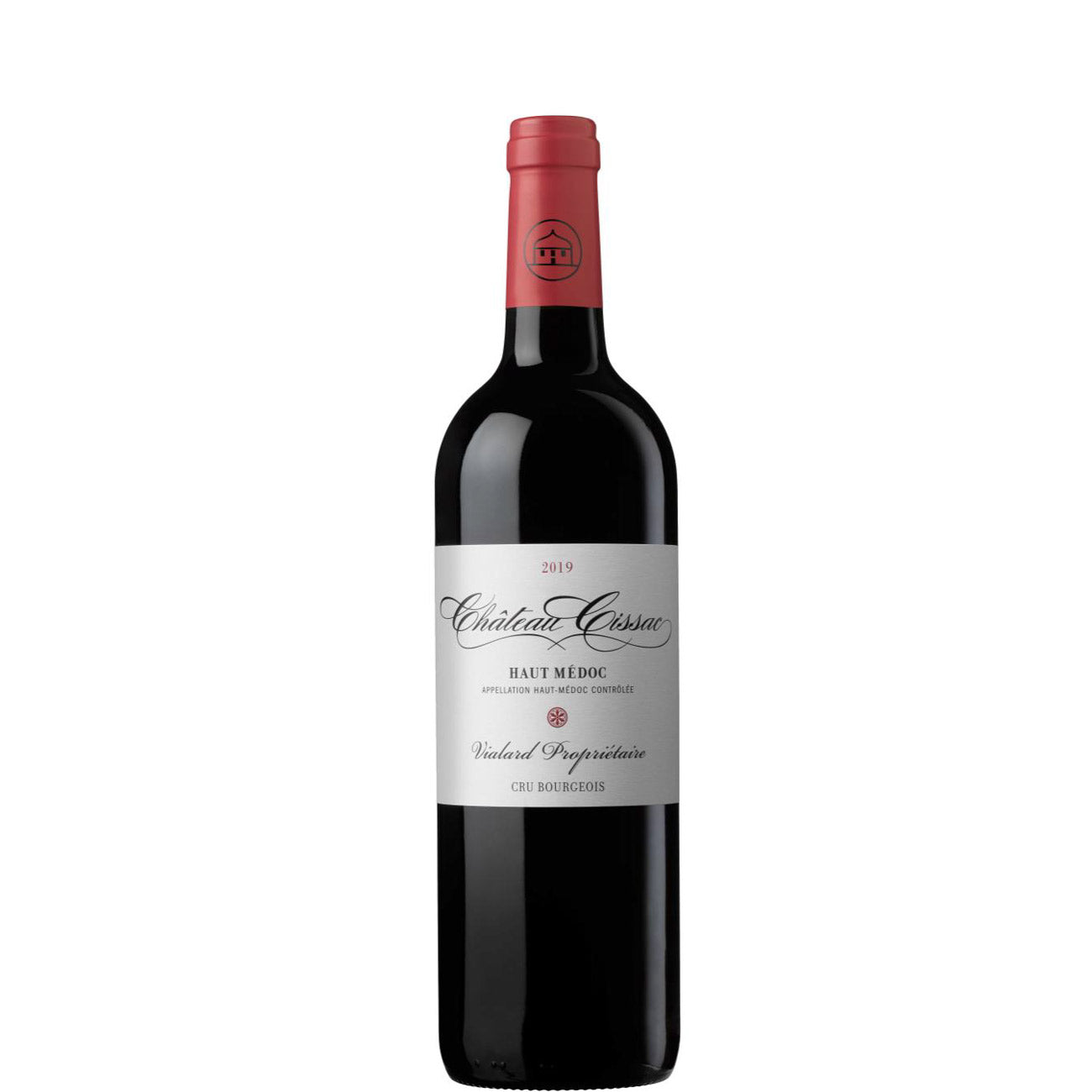
Château Cissac, 2019
Château Cissac, 2019
- 75cl
- 13.5%
- Red Still
- Cabernet Sauvignon, Merlot, Petit Verdot
- Organic
Couldn't load pickup availability

Optimal drinking window: Now - 2040
Château Cissac 2019 opens with classic Médoc character: ripe blackcurrant and blackberry fruit, a touch of cedar and tobacco, and that gentle graphite edge that Cabernet Sauvignon brings so well. The palate is structured but polished, with firm yet ripe tannins, fresh acidity and a savoury, lightly spiced finish that keeps things nicely balanced.
It’s a natural partner for proper bistro food such as grilled ribeye, roast lamb with garlic and herbs - or a hearty mushroom and lentil dish if you’re keeping things meat-free.
The 2019 vintage in Bordeaux was widely praised, combining a warm, dry summer with cool nights before harvest, allowing grapes to ripen fully while retaining freshness. At Château Cissac, a long-established family estate in the northern Haut-Médoc, the result is a wine that captures the vintage’s generous fruit while keeping the Médoc structure that the property is known for.
Currently showing its primary fruit character with vibrant blackcurrant and forest berry flavours dominating. Over the next 3-5 years, these will integrate beautifully with the oak-derived cedar and tobacco notes, while the tannins will soften and become more seamless. From 2030 onwards, expect secondary complexity to emerge - leather, earth, and game notes will develop alongside the fruit. The wine should plateau around 2035-2038, maintaining its balance and showing mature Bordeaux character before beginning a very gradual decline through the early 2040s.
What the critics say:
"Suave and intense, delicate and powerful, silky and grained. Dense forest fruits, graphite and fresh pyrazine notes of blackcurrant and tomato leaves. Heady, long and showing plenty of promise. Nominated by Markus Del Monego MW."
Tasting Notes
AppearanceDeep ruby with violet highlights, showing the concentration of the 2019 vintage.
NoseRipe blackcurrant and blackberry lead, followed by cedar, tobacco leaf, and that distinctive graphite edge that speaks to the gravelly soils. There's a lovely pyrazine note of fresh tomato leaves that adds complexity without overwhelming the fruit.
PalateThe structure is there but polished, with firm yet ripe tannins that grip without being harsh. Fresh acidity keeps everything balanced whilst dense forest fruits fill the mid-palate. The wine shows both power and finesse, with that mineral backbone running through.
FinishLong and savoury with gentle spice and lingering graphite minerality.
Overall impressionA wine that captures both the generosity of the 2019 vintage and the classic Médoc structure Cissac is known for.
Food Pairings
In the Médoc, this would be the natural partner for a côte de boeuf grilled over vine cuttings, the smoke echoing the wine's cedar notes. Local bistros would serve it alongside magret de canard with wild mushrooms, or perhaps a daube de boeuf that's been slowly braising all afternoon. The wine's savoury character also suits the region's excellent lamb, particularly when roasted with garlic and herbes de Provence. Even a simple entrecôte with shallots would bring out the wine's mineral backbone beautifully.
We think this wine would go well with
Serve at 17-18°C to allow the fruit and mineral complexity to shine. Decant for at least an hour to soften the tannins and allow the aromatics to open fully - this wine rewards patience with the decanter. Use generous Bordeaux glasses to concentrate the nose while giving the wine room to breathe. If drinking without decanting, open an hour before serving and pour generously to encourage aeration.
The vineyards at Château Cissac benefit from the classic Médoc combination of gravel soils over clay subsoils, providing excellent drainage while retaining enough moisture for the vines. The northern Haut-Médoc location means slightly cooler conditions than the more famous communes to the south, helping preserve freshness and encouraging the development of those characteristic graphite mineral notes. The gravel warms during the day and radiates heat at night, ensuring steady ripening even in challenging vintages.
Haut-Médoc is the southern portion of the broader Médoc appellation, encompassing the famous commune appellations like Pauillac and Saint-Julien as well as lesser-known estates that often represent excellent value. The regulations require a minimum 50% Cabernet Sauvignon or Merlot, with yields capped at 48 hectolitres per hectare. While lacking the prestige of the classified growths, many Haut-Médoc properties like Cissac produce wines of genuine class that showcase the region's signature blend of power and elegance.
The 2019 growing season in Bordeaux delivered exactly what vignerons dream about: a textbook combination of winter rain to replenish the soils, a warm spring that encouraged even budbreak, and crucially, a bone-dry summer that stressed the vines just enough without cooking them. September brought the perfect finale with warm days and cool nights, allowing grapes to ripen slowly while retaining their natural acidity. Harvest began in mid-September under ideal conditions, with pickers working through October to capture each variety at optimal ripeness.
What emerged from the cellars shows all the hallmarks of a properly made vintage: the Merlot displays that gorgeous plush fruit character without any jammy excess, while Cabernet Sauvignon achieved full phenolic ripeness with structured tannins that feel ripe rather than harsh. We find these wines have a lovely immediacy about them—they're not the brooding, backward style that demands decades of patience, but rather wines with enough backbone to age gracefully while offering genuine pleasure from release. Most are drinking beautifully now and will continue to develop over the next 15-20 years, making this one of those vintages that works for both early drinkers and patient cellars.
FAQs
What does Château Cissac 2019 taste like?
Dense forest fruits like blackcurrant and blackberry, with cedar, tobacco, and that distinctive graphite minerality that makes left bank Bordeaux so appealing. The texture is silky yet structured, with firm tannins and fresh acidity keeping everything in balance.
When should I drink this wine?
It's approachable now for those who enjoy structured young Bordeaux, but we think it will show even better from 2028 onwards. The wine will continue developing complexity through the 2030s, making it worth cellaring if you have the patience.
What food pairs well with this Médoc?
Classic bistro fare works beautifully - grilled ribeye, roast lamb with herbs, or duck with wild mushrooms. The wine's savoury character also suits hearty vegetarian dishes like mushroom and lentil casseroles, while the mineral backbone complements aged hard cheeses.
Should I decant Château Cissac 2019?
Absolutely. Decant for at least an hour to allow the tannins to soften and the aromatics to open fully. The wine really benefits from breathing, showing much more complexity and integration after proper aeration.
How does this compare to the famous Médoc châteaux?
While Cissac lacks the prestige of the classified growths, it offers genuine left bank character at a fraction of the price. The wine shows the same graphite minerality and cedar complexity you'd find in more expensive neighbours, just with a bit less power and concentration.
Is this wine worth cellaring?
Definitely. The 2019 vintage was excellent in Bordeaux, and this wine has the structure and balance to develop beautifully over 15-20 years. Those willing to wait will be rewarded with the complex secondary flavours that make mature Bordeaux so compelling.

OUR GROWERS
Château Cissac
Explore related wines


What are you looking for tonight? Tell me the occasion, a grape, a region — or just try a suggestion below.
Your recommendations will appear here.
-
-
Speak to one of our Wine Gurus
Speak to a Wine GuruWith years of experience, our team can help you with all your wine buying and selling needs