

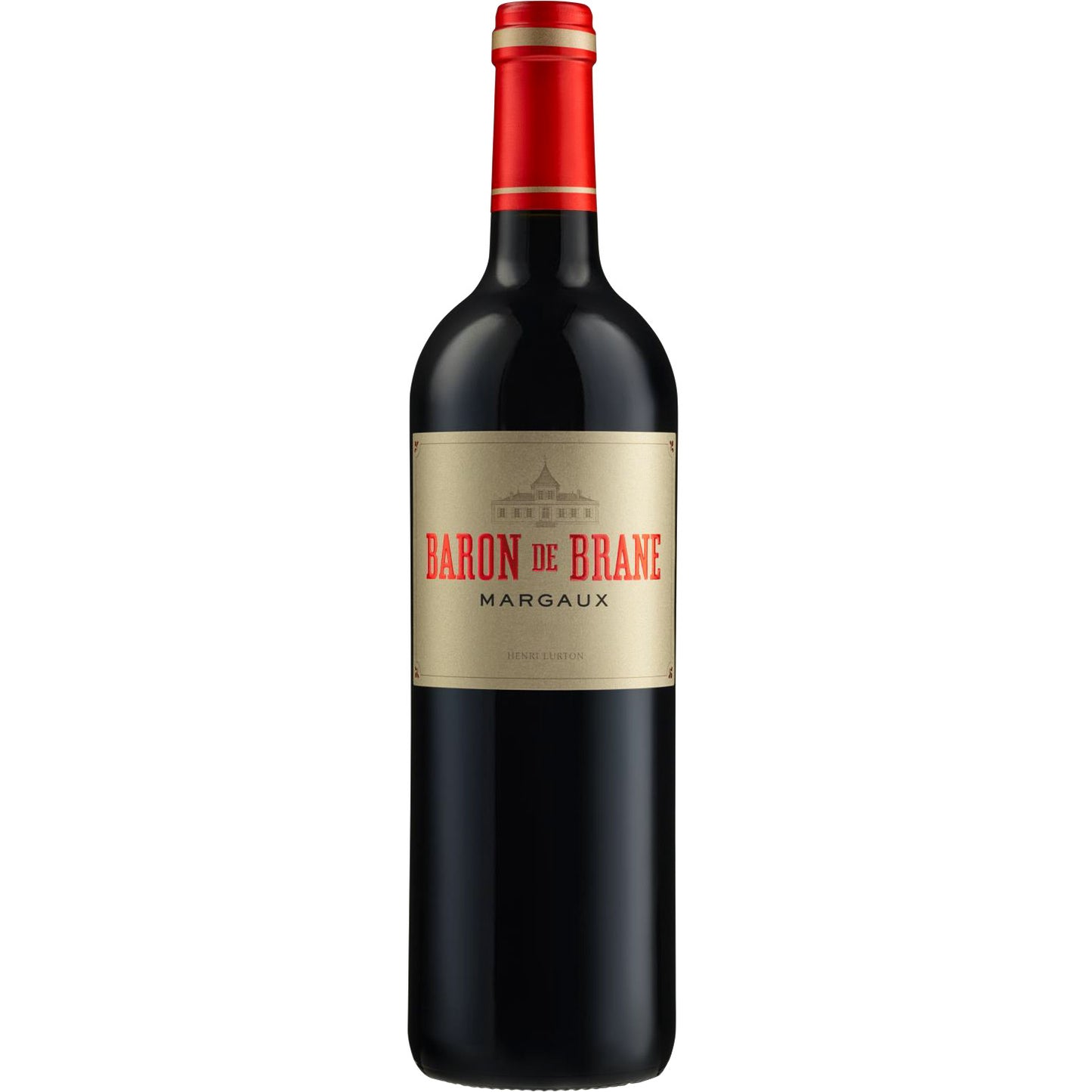
Château Brane-Cantenac, Baron De Brane, 2020 - Magnum
Château Brane-Cantenac, Baron De Brane, 2020 - Magnum
- 150cl
- 14%
- Red Still
- Merlot, Cabernet Sauvignon
Couldn't load pickup availability

Optimal drinking window: Now - 2035
Baron de Brane is the second wine of Château Brane-Cantenac, a second growth château owned by Henri Lurton and one of the oldest and largest properties in Margaux. It's crafted with an emphasis on approachability while still reflecting the elegance and structure of the grand vin, offering both complexity and early drinkability due to its balanced fruit and refined tannins.
On the palate, this wine is smooth and rounded, with soft tannins and moderate acidity. It presents flavours of red and dark berries, along with touches of plum and blackcurrant, layered with a slight earthy, mineral undertone characteristic of Margaux. The finish is elegant, with lingering notes of fruit and a hint of graphite.
The 2020 is currently showing its exuberant primary fruit phase with vibrant cherry and damson flavours at their peak. Over the next 3-4 years, these primary fruits will integrate with the oak and tannins, developing more complex secondary characteristics. By 2030, expect earthy, mineral notes to emerge alongside leather and tobacco complexity, whilst retaining the core fruit. The wine should plateau around 2032-2035, offering peak drinking with full integration of all elements, before beginning a gentle decline after 2038.
What the critics say:
"The 2020 Baron de Brane is a heady, exuberant wine. Dark red/purplish fruit, mocha, chocolate, lavender, spice and new leather are all beautifully delineated. Fine tannins, lifted aromatics and succulent fruit are all very nicely balanced. The 2020 is quite flashy yet retains a good bit of energy, too, with floral top notes that lift the finish nicely. It's a gorgeous second wine from Henri Lurton and Brane-Cantenac."
"An exceptionally good second wine, succulent black cherry and damson fruit, easy to approach with vibrant mint notes and silky, well-textured tannins, 15% new oak. Good density."
Tasting Notes
AppearanceDeep ruby-purple with a vibrant, youthful rim.
NoseExuberant dark fruit leaps from the glass with blackcurrant, damson, and dark cherry. Fresh mint and lavender add lift, whilst mocha and new leather provide depth. The aromatics are immediate and flashy, yet retain an underlying elegance.
PalateSmooth and rounded with succulent black cherry and damson fruit dominating the mid-palate. The tannins are silky and well-integrated, providing structure without heaviness. Fresh mint notes brighten the fruit, whilst a mineral, graphite undertone adds complexity and length.
FinishElegant and lifted with lingering dark fruit and floral top notes that dance on the palate.
Overall impressionA gorgeous second wine that balances immediate pleasure with underlying structure and Margaux elegance.
Food Pairings
In the Médoc, this style of wine traditionally accompanies agneau de Pauillac, the region's prized salt-marsh lamb, roasted with herbs and garlic. Duck confit from nearby Périgord is another classic pairing, as are wild mushrooms like cèpes gathered from the pine forests. The locals might also enjoy it with entrecôte à la Bordelaise, grilled over vine prunings and served with shallots cooked in red wine. Game birds like palombe (wild pigeon) during the autumn migration are considered the perfect match for Margaux's elegant style.
We think this wine would go well with
Serve at 16-17°C to preserve the wine's fresh fruit character and silky tannin structure. A brief decant of 30-45 minutes will help integrate the flavours, though it's approachable straight from the bottle. Use large Bordeaux glasses to concentrate the lifted aromatics whilst allowing the wine to breathe. This style shows best when not over-warmed, as the elegance can be lost at higher temperatures.
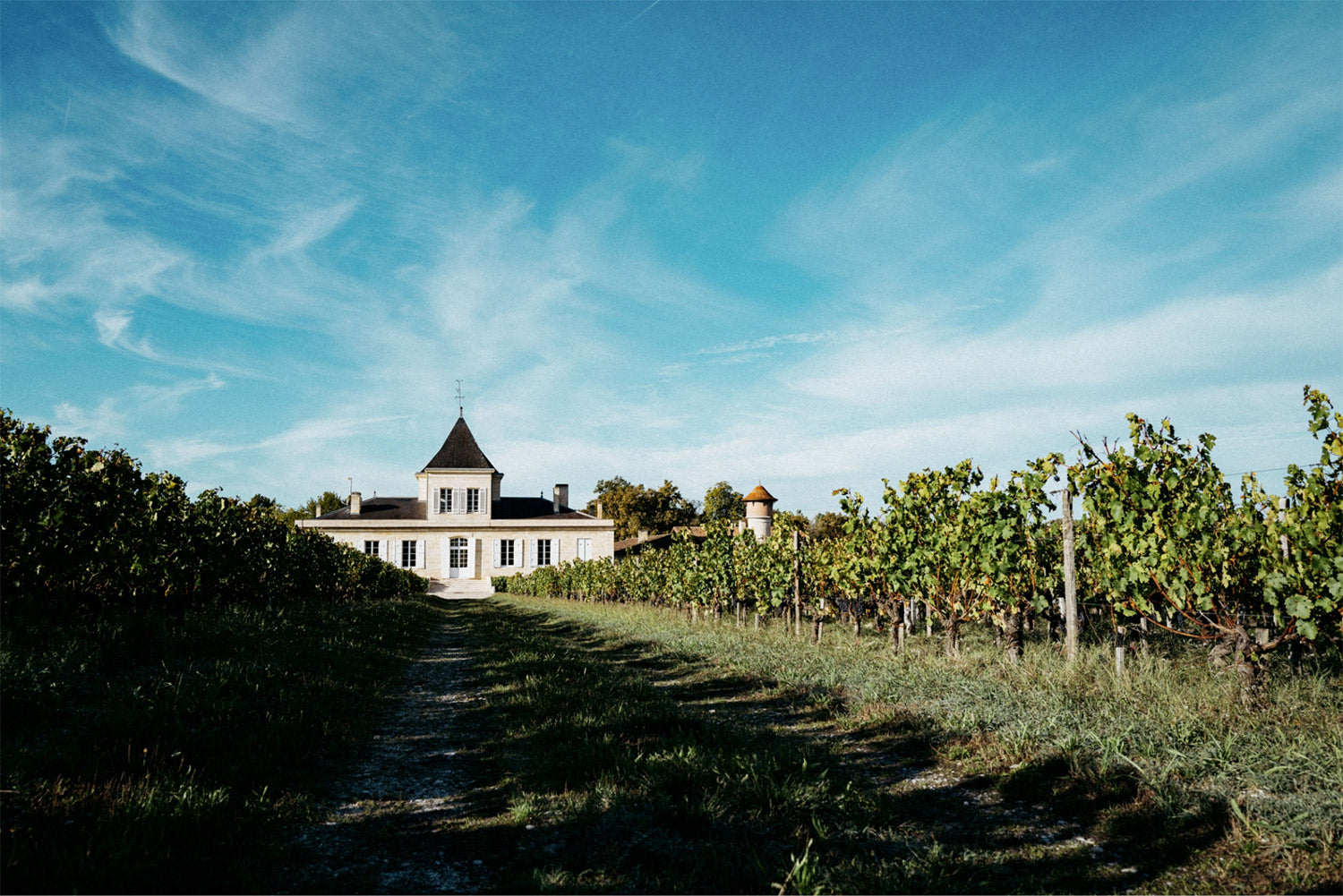
Brane-Cantenac's vineyards sit on the classic Margaux terroir of deep Günzian gravel over limestone and clay subsoils. The gravelly topsoil provides excellent drainage whilst retaining enough moisture for the vines, particularly important in warmer vintages like 2020. This terroir combination gives the wines their characteristic elegance and mineral backbone, with the gravel contributing to the wine's refined tannin structure and ability to express pure fruit flavours.
Margaux is the most elegant and perfumed of Bordeaux's great appellations, covering 1,400 hectares on the Left Bank. The appellation's gravelly soils favour Cabernet Sauvignon whilst allowing Merlot to add softness and charm. Margaux wines are known for their finesse rather than power, with silky tannins and floral aromatics that distinguish them from the more robust styles of Pauillac or Saint-Estèphe. The appellation includes 21 classified growths, with Brane-Cantenac holding second growth status since the 1855 classification.
The 2020 Bordeaux vintage began with one of the wettest winters on record, followed by a scorching summer that nearly broke temperature records across the region. What could have been a disaster became salvation: those deep winter water reserves carried the vines through the heat, while the dry conditions from July onwards concentrated flavours beautifully. The harvest started early and moved quickly, with most châteaux picking under ideal September skies.
We find 2020 Bordeaux surprisingly charming for such a hot year - the wines show ripe, generous fruit without the baked character you might expect. The Merlot-based Right Bank wines are particularly successful, displaying plush damson and blackberry flavours with enough freshness to keep them lively. Cabernet Sauvignon on the Left Bank delivers power and concentration, though some properties struggled more than others with the heat. Most 2020s are drinking beautifully now - this isn't a vintage that demands decades of patience, and we rather like that about it.
FAQs
What does this wine taste like?
Exuberant and elegant with succulent blackcurrant, damson, and dark cherry fruit. Fresh mint notes add brightness whilst silky tannins provide structure without heaviness. It's flashy yet refined, typical of quality Margaux.
When should I drink this wine?
It's approachable now and drinking beautifully, but will continue to develop complexity until 2038. The peak drinking window is likely 2028-2035 when primary fruit and secondary complexity are perfectly balanced.
What food pairs well with this wine?
Classic pairings include roasted lamb, duck confit, and grilled steaks. Wild mushrooms, game birds, and aged cheeses also work brilliantly. The wine's elegance suits refined dishes rather than heavily spiced preparations.
Should I decant this wine?
A brief 30-45 minute decant will help integrate the flavours, though it's perfectly enjoyable straight from the bottle. Serve at 16-17°C in large Bordeaux glasses to showcase the lifted aromatics.
Is this wine worth cellaring?
Absolutely. Whilst delicious now, it will reward patience with increased complexity and integration over the next decade. The 2020 vintage has the structure to age gracefully until 2038.
How does this compare to the main Brane-Cantenac wine?
Baron de Brane offers earlier accessibility with softer tannins and more immediate fruit appeal, whilst retaining the estate's characteristic elegance. It's designed for enjoyment in its youth rather than long-term cellaring like the grand vin.
OUR GROWERS
Château Brane-Cantenac


What are you looking for tonight? Tell me the occasion, a grape, a region — or just try a suggestion below.
Your recommendations will appear here.
-
-
Speak to one of our Wine Gurus
Speak to a Wine GuruWith years of experience, our team can help you with all your wine buying and selling needs