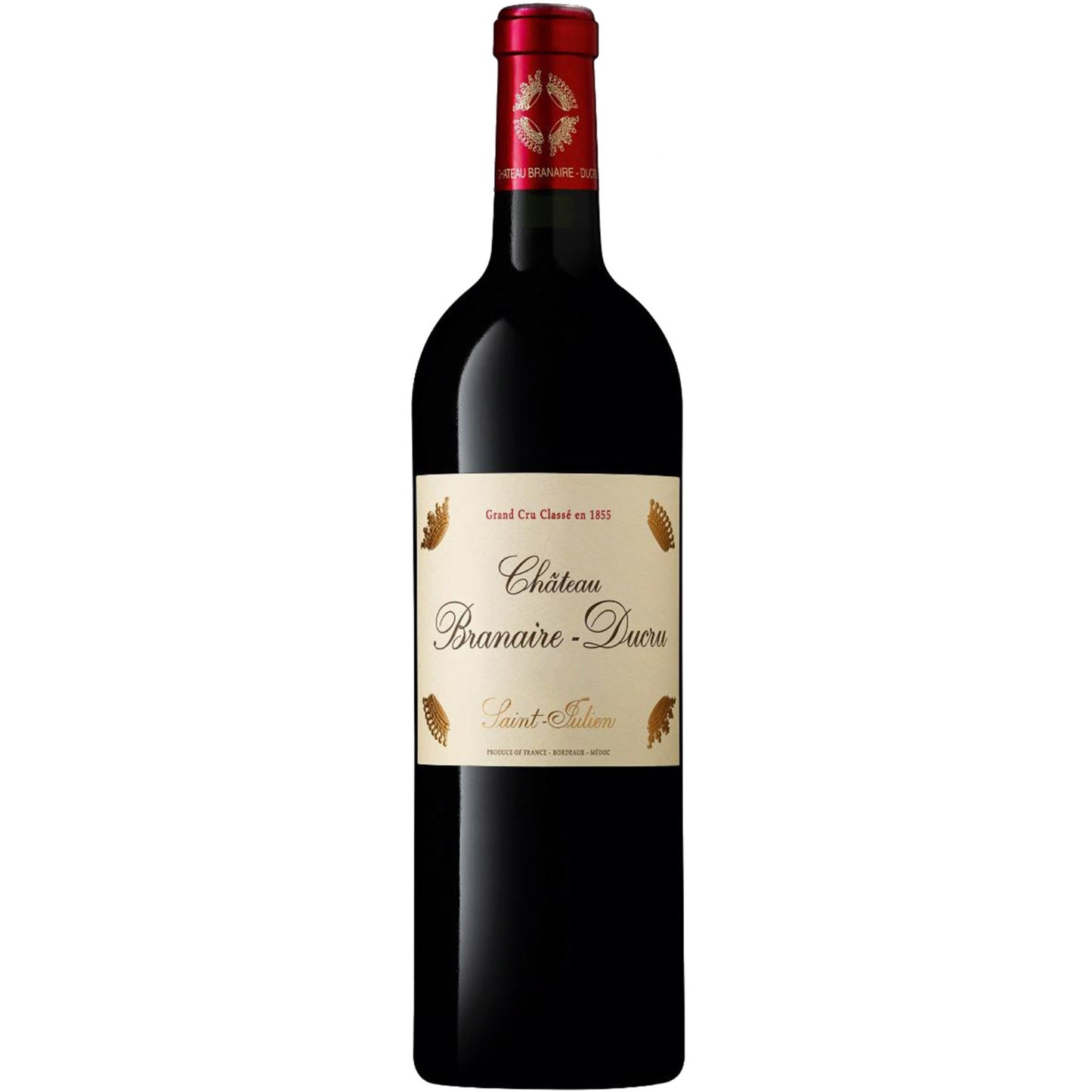

Château Branaire-Ducru, 2025 - Magnum
Château Branaire-Ducru, 2025 - Magnum
- 150cl
- 13%
- Red Still
- Cabernet Sauvignon, Merlot, Cabernet Franc
Please note, en primeur wines are not available for delivery until they arrive in the UK
Couldn't load pickup availability
Enquire about this item
Est. delivery in 2028.
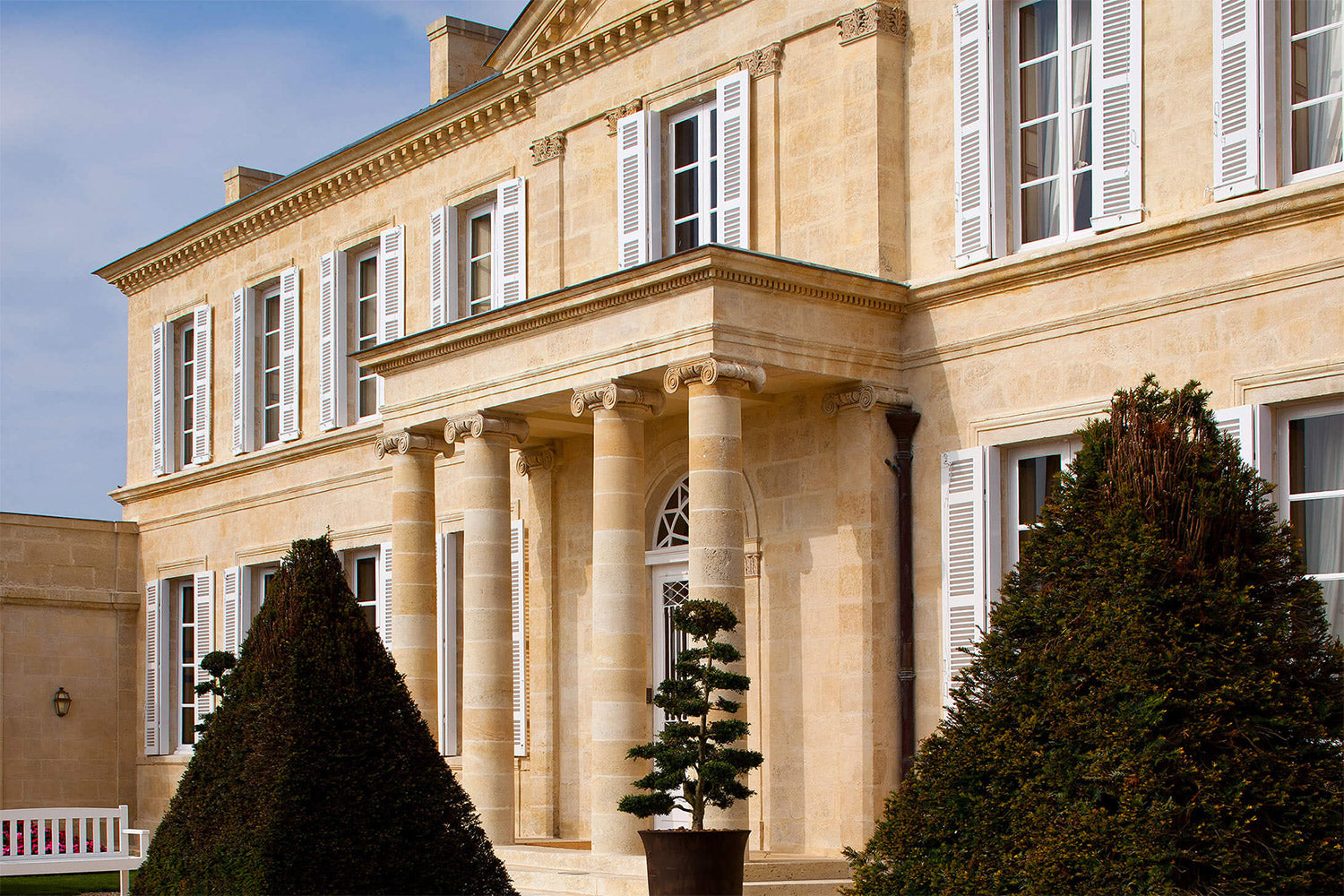
Château Branaire-Ducru sits in the heart of Saint-Julien, making wines that embody the commune's reputation for elegance wrapped in serious structure. This 2025 vintage shows the estate's signature blend of Cabernet Sauvignon-led power with Merlot's generous fruit, all grown on the gravelly soils that define Left Bank Bordeaux.
What the critics say:
"Voluptuous dark fruit, cedar and a touch of tar on the nose. Medium- to full-bodied with an expressive yet concentrated profile, a precise structure and fine-grained, high quality tannins. Chiseled and balanced."
"The 2025 Branaire-Ducru is a powerful wine with a darker fruit profile than most years. Dark blue/purplish fruit, lavender, cloves and licorice open first. Floral overtones and brisk acids reappear to perk up the close. A clean, vibrant finish rounds things out in style. This is such a gorgeous and expressive wine. The 2025 is quite simply a fabulous Branaire. Tasted two times."
"The 2025 Branaire-Ducru is a compelling wine in the making, revealing an open, refined bouquet of cassis, mulberries, spices, flowers and pencil lead, with its new oak largely remaining in the background. Medium- to full-bodied, it’s sapid and perfumed, built around a seamless, layered core of fruit framed by finely grained, velvety tannins and concluding with a long, fresh and precise finish. Matured in 65% new oak, this blend of 62% Cabernet Sauvignon, 26% Merlot, 6% Petit Verdot and 6% Cabernet Franc captures the estate’s signature style—polished, balanced and texturally refined—while clearly reflecting the brightness and freshness of the vintage."
"Blackcurrant, raspberry leaf, liquorice and wet stones on the nose. Smooth and supple with nice clarity. A little tight at the moment but great clarity and purity with blueberries and wet stones. So much minerality. Succulent and mouthwatering, this is generosity and friendliness in a glass built on a really crushed stone mineral base. 3.65pH. A yield of 33hl/ha. 6% Petit Verdot completes the blend."
The 60-hectare vineyard sits on classic Günzian gravel beds over clay subsoils, typical of Saint-Julien's finest sites. The gravel provides excellent drainage and heat retention, whilst the clay beneath supplies moisture during dry periods. This combination produces wines with both power and finesse, allowing the Cabernet Sauvignon to ripen fully whilst maintaining freshness. The proximity to the Gironde estuary moderates temperatures, extending the growing season.
Saint-Julien occupies the sweet spot between Pauillac's power and Margaux's elegance, producing some of Bordeaux's most harmonious wines. The appellation's 910 hectares are planted almost entirely to the classic Bordeaux varieties, with strict rules governing yields and winemaking practices. Unlike its neighbours, Saint-Julien has no fifth growths in the 1855 classification, reflecting the consistently high quality across the commune. The wines typically show more approachability in youth than Pauillac, yet age with remarkable grace.
The 2025 Bordeaux vintage emerged from one of the most demanding growing seasons in recent memory — the earliest budbreak since 1989, June temperatures second only to 2003 since records began, and an unusually early harvest beginning in August for the whites. Conditions that should have produced heavy, overripe wines. They didn't. Decanter's Georgie Hindle, who tasted close to 200 wines ahead of the formal campaign, describes "exceptional concentration, aromatic purity and a freshness that contradicts the record-breaking heat.
The early critical consensus places 2025 stylistically between the precision of 2020 and the structure of 2016, with the brightness of 2023 — a combination that suggests a very serious vintage indeed. Yields are dramatically low, the smallest crop since 1991, with production across the Gironde running around 15% below the five-year average. The quality is here. There simply isn't very much of it.