
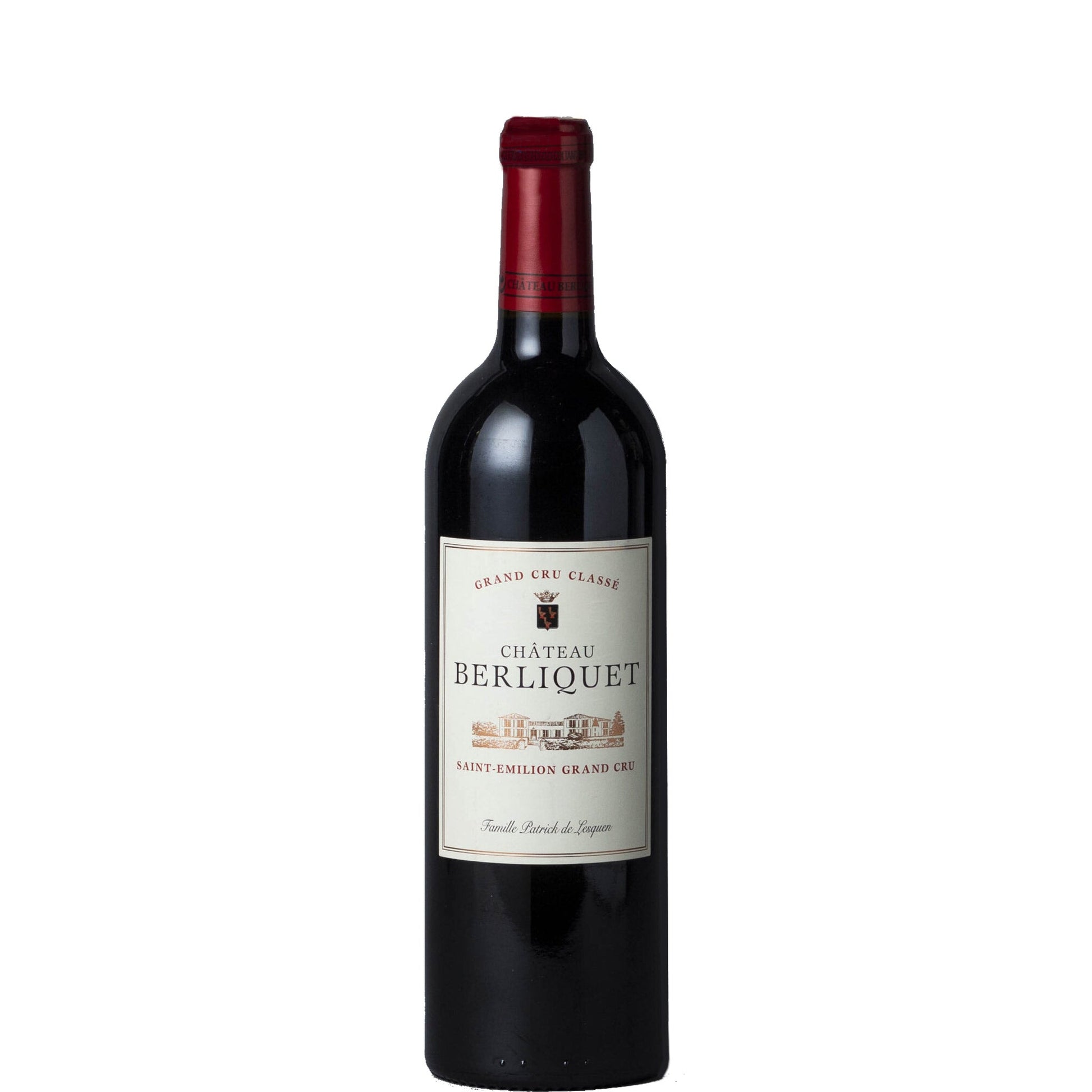
Château Berliquet, 2021
Château Berliquet, 2021
- 75cl
- 13.5%
- Red Still
- Merlot, Cabernet Franc
Couldn't load pickup availability

Optimal drinking window: Now - 2040
Château Berliquet was founded in 1768, and is one of the oldest estates in Saint Émilion.
Berliquet was one of the first Saint Émilion estates to sell their wine under their own name (as early as 1784, when most other wines were just called “Saint Émilion”). In July 2017 Berliquet was acquired by the Wertheimer brothers of the Chanel Group (already the owners of neighbouring vineyard Canon, as well as Rauzan-Ségla in Margaux). The 9 ha vineyard is 70% Merlot.
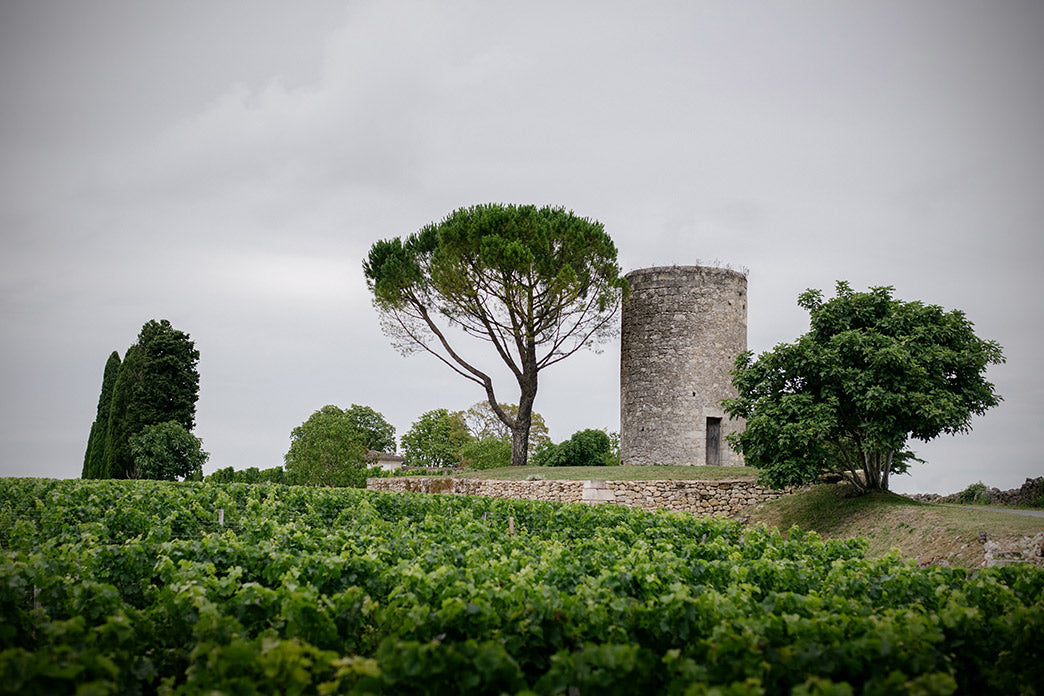
The vines here are old, with an impressive average vine age of about 40 years. The vineyard is one large, single block of vines. The terroir is clay, chalk and limestone soils.
Right now, in 2026, the 2021 Berliquet is in an enjoyable but slightly austere early phase: the fruit is vivid and the tannins present, which makes it compelling at the table with food but not yet fully at ease. Over the next three to five years, the fruit will knit more tightly with the structure and secondary complexity will start to emerge, think dried flowers, iron, and earthy depth. Its plateau is most likely to fall somewhere between 2029 and 2038, when the linearity that defines this vintage softens into something more generous without losing its tension. After 2038, decline will be gradual rather than sudden, but the freshness that makes 2021 special is not designed for ultra-long ageing. Think of it less like a marathon runner and more like a very gifted middle-distance athlete.
What the critics say:
"Lovely aromatics on the nose of ripe blackcurrant and black cherry with some creamy elements. Concentrated and driving on the palate with lively acidity and a well balanced density for the vintage in the grippy but chewy tannins, fresh blackcurrant and bramble fruits and such precision of elements. Everything feels well worked, refined and well presented with freshness and sense of energy all the way through. It's not the most layered at this point, quite linear with tension but excellently executed. A very classy wine and one to seek out! An excellent success this year from winemaker Nicolas Audebert and his team."
"The 2021 Berliquet is showing very well in bottle, wafting from the glass with notes of sweet wild berries, plums and rose petals, framed by subtle hints of licorice and vanilla pod. Medium to full-bodied, fleshy and seamless, it's suave and sensual, with a fleshy core of fruit, ultra-refined tannins and a pure, perfumed, mineral finish. This seamless, charming Saint-Émilion will offer a broad drinking window."
Tasting Notes
AppearanceDeep ruby-garnet, clear and bright with a fine, even rim.
NoseSweet wild berries and dark cherry open things up, with a lifted note of rose petal that gives the wine real elegance. Underneath there is a subtle suggestion of licorice and creamy vanilla from well-judged oak. It is fragrant and precise rather than blousy.
PalateMedium to full in body, with a fleshy, concentrated core of blackcurrant and bramble fruit that the 2021 vintage has shaped into something unusually precise. Tannins are grippy and chewy but refined, and the acidity runs clean and linear through the middle, keeping everything taut. It is not a wine that sprawls; it focuses.
FinishLong, mineral, and perfumed, with the fruit fading slowly to leave a stony, fresh persistence.
Overall impressionA tightly wound, classically proportioned Saint-Émilion that rewards patience as much as it rewards attention.
Food Pairings
In the Libournais, a wine like this would most naturally sit beside a Sunday magret de canard, the duck fat playing beautifully against those chewy tannins. Locals might also reach for it alongside a daube bordelaise, the slow-braised beef with cèpes and lardons that is almost built to soften a structured red. A simple plateau of local cheeses, particularly a well-aged Ossau-Iraty, would do just as well at the end of a meal. If you are eating rather than cellaring, a herb-crusted rack of lamb or a bavette with shallots is a match that requires very little thought.
We think this wine would go well with
Serve at around 17°C, perhaps slightly cooler if the wine is still in its primary phase, as the freshness is one of its best features. Decanting for forty-five minutes to an hour will help the tannins loosen and the nose open up; much longer than that and you risk losing some of the aromatic precision that makes the 2021 so appealing. Use a broad-bowled Bordeaux glass to give the wine room to breathe and to concentrate those rose petal and berry aromatics.
Berliquet's single nine-hectare block sits on clay, chalk, and limestone soils typical of Saint-Émilion's plateau and upper slopes. This combination gives the wines their characteristic tension: the clay holds moisture and feeds generous fruit, while the chalk and limestone drive the freshness and mineral precision that defines the best wines here. Old vines averaging forty years add concentration and a depth of root that more youthful plantings simply cannot replicate.
Saint-Émilion is Bordeaux's most romantically medieval appellation, a hilltop village surrounded by some of the Right Bank's most celebrated vineyards. Unlike the Médoc, Merlot dominates here, producing wines that are rounder and more approachable in youth than their Cabernet-driven neighbours across the Gironde. The classification system is famously revisable, with Grands Crus Classés reviewed periodically, which keeps producers sharply focused on quality. Berliquet sits comfortably within that Grand Cru Classé tier, and the Wertheimer influence has only sharpened its ambitions.
The 2021 growing season in Bordeaux delivered one of those vintages that separates the wheat from the chaff. Spring frost in April walloped many vineyards, particularly on the Right Bank, slashing potential yields before the season properly began. A sodden start gave way to a blistering summer that pushed ripening forward, then September rains arrived just as harvest decisions loomed. The producers who survived the frost and timed their picking with surgical precision crafted wines of real character, whilst others found themselves wrestling with dilution or struggling with reduced volumes.
What emerged from this gauntlet is a vintage of surprising charm, though decidedly not a blockbuster year. The Merlot-based Right Bank wines show particular finesse where frost damage was minimal, with a silky texture that makes them uncommonly approachable young. Left Bank Cabernet Sauvignon fared better through the challenging weather, producing wines with good structure but less of the power you might expect from recent years. We find ourselves reaching for these 2021s now rather than cellaring them for decades—they're drinking beautifully with a few years on them and should hit their stride over the next decade.
FAQs
What does Château Berliquet 2021 taste like?
Dark cherry, wild bramble, and blackcurrant with a lifted rose petal note and a subtle vanilla undercurrent from oak. On the palate it is focused and linear, with chewy but refined tannins and a clean mineral finish. It is precise rather than plush, and the freshness of the 2021 vintage runs right through it.
When should I drink this wine?
It is approachable now with an hour in a decanter and a good meal alongside it, but the best drinking is still a few years away. We would aim for 2029 onwards for the full picture, and the wine should hold well until 2038 or so.
Is the 2021 Berliquet worth cellaring?
Yes, confidently. The combination of old vines, limestone soils, and the precision of the 2021 vintage gives this real structural integrity. It is not a wine you need to rush. If anything, patience will be handsomely rewarded.
What food should I serve with it?
Duck, lamb, and slow-braised beef are natural partners. A magret de canard or a daube bordelaise would be the Bordelais answer. Herb-crusted rack of lamb works equally well, as does a strong aged cheese at the end of the meal.
How should I serve it?
Around 17°C, in a broad-bowled Bordeaux glass. Decant for forty-five minutes to an hour before serving to open up the nose and soften the tannins. No need to go longer than that with the 2021.
Who is behind Château Berliquet?
Berliquet was acquired in 2017 by the Wertheimer brothers, who own Chanel and whose Bordeaux portfolio also includes Château Canon next door and Rauzan-Ségla in Margaux. Winemaker Nicolas Audebert has overseen a clear step up in quality since then. The estate is one of Saint-Émilion's oldest, with records going back to 1768.


What are you looking for tonight? Tell me the occasion, a grape, a region — or just try a suggestion below.
Your recommendations will appear here.
-
-
Speak to one of our Wine Gurus
Speak to a Wine GuruWith years of experience, our team can help you with all your wine buying and selling needs