
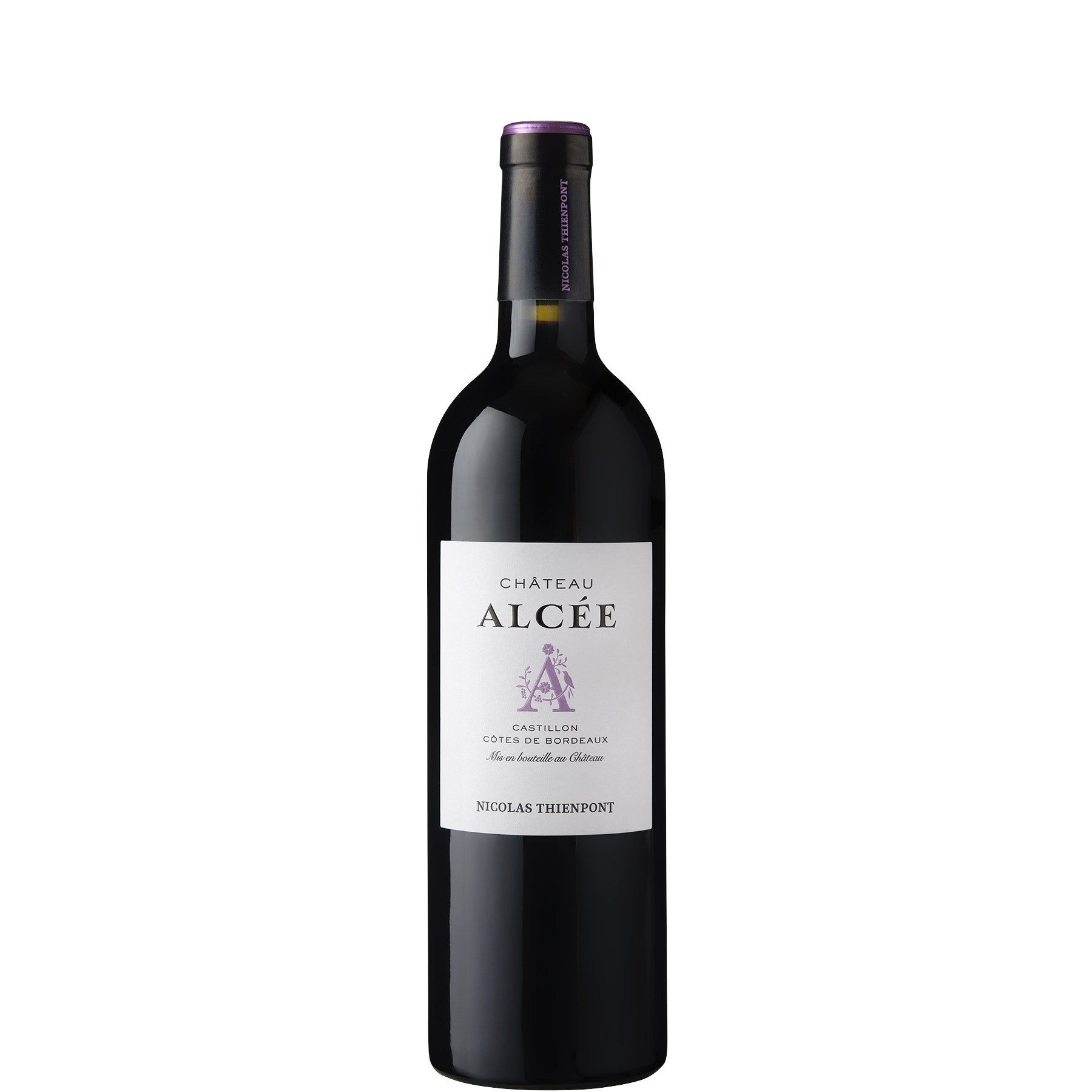
Château Alcee, 2021
Château Alcee, 2021
- 75cl
- 14%
- Red Still
- Merlot, Cabernet Franc
- Organic
Couldn't load pickup availability

Optimal drinking window: Now - 2034
Alcée is the pet project of widely-celebrated winemaker Nicolas Thienpont (of Pavie-Macquin fame especially, one of 2021's wines of the vintage), so it's not a huge surprise to see the wine perform at this level quality, though you still rarely expect to see this in Castillon Côtes de Bordeaux.
Since acquiring the estate in 2011, Nicolas has sought to push quality further and further, converting to organic farming, replanting vines, reducing yields and delaying harvesting until optimum phenolic ripeness. Winemaking is similarly assiduous, with laser-sharp selection at the sorting table and plot-by-plot vinification.
The resultant wine speaks to the elegant side of Merlot and arguably bears more in comparison with Pomerol than it does with neighbouring Saint-Émilion.
Currently showing primary fruit and floral character, this wine will begin integrating over the next 2-3 years as the tannins soften and the oak melds further. Secondary complexity should emerge around 2028-2030, with earthy and mineral notes developing alongside the fruit. The wine should reach its plateau between 2030-2034, maintaining freshness while gaining depth, before beginning a gentle decline after 2035 as the fruit starts to fade.
What the critics say:
"The 2021 Alcée has a delightful bouquet, quite floral and well-defined, with violet and peony infusing the vivacious red and black fruit and the new oak neatly integrated. The palate is medium-bodied with fine-grained tannins, quite structured but fresh with just the right amount of bitterness to lend tension on the finish. This punches above its weight."
"A fresh, juicy Bordeaux full of currants, and red and blue berries with a touch of spice and hibiscus. Medium-bodied on the palate with fresh, nimble berry fruit and firm tannins. 91% merlot and 9% cabernet franc. Drink now or hold."
Tasting Notes
AppearanceDeep ruby with violet highlights at the rim, showing the wine's youthful vibrancy.
NoseImmediately captivating with violet and peony florals dancing over red and black fruit. The oak integration is seamless, adding subtle spice rather than overwhelming the delicate fruit expression. There's a lovely freshness that suggests the precision of the winemaking.
PalateMedium-bodied with remarkable elegance for such a young wine, showing fine-grained tannins that provide structure without heaviness. The fruit is vivacious and fresh, with just enough bitter edge on the finish to create tension and interest. This feels more Pomerol than typical Right Bank power, showcasing Merlot's more refined side.
FinishClean and persistent with that characteristic bitter twist that keeps you reaching for another sip.
Overall impressionA wine that genuinely punches above its appellation weight, showing the magic that happens when great winemaking meets suitable terroir.
Food Pairings
In Castillon, this would traditionally accompany the region's robust fare: slow-braised beef with Bordelaise sauce, where the wine's acidity cuts through rich marrow and its tannins complement the meat's texture. Locals would also pair it with confit de canard, the duck's fat mellowing the wine's structure while its fruit balances the richness. Game birds like pigeon or partridge, often prepared with wild mushrooms from the surrounding forests, make natural partners, as does the region's excellent charcuterie served with crusty bread and cornichons.
We think this wine would go well with
Serve at 16-17°C to preserve the wine's fresh fruit character and floral lift. A brief decant of 30 minutes will help integrate the tannins and allow the aromatics to open, though it's perfectly approachable straight from the bottle. Use Bordeaux glasses with a generous bowl to concentrate the florals, but avoid over-aerating as this wine's charm lies in its freshness rather than power.
Château Alcée's 12 hectares sit on the limestone plateau of Castillon Côtes de Bordeaux, sharing geological DNA with the great estates of Saint-Émilion just across the appellation boundary. The soils combine clay-limestone with iron-rich deposits that provide excellent drainage while retaining enough moisture for the vines during summer heat. This terroir naturally suits Merlot, allowing the variety to develop its signature elegance while maintaining freshness and mineral backbone.
Castillon Côtes de Bordeaux sits east of Saint-Émilion, sharing similar limestone-clay soils but operating under less restrictive regulations and commanding lower prices. The appellation allows for earlier picking dates and higher yields than its prestigious neighbour, though serious producers like Thienpont ignore these permissions in favour of quality. While historically overshadowed by Saint-Émilion, estates like Alcée prove that terroir matters more than postcode, producing wines that rival their famous neighbours at a fraction of the cost.
The 2021 growing season in Bordeaux delivered one of those vintages that separates the wheat from the chaff. Spring frost in April walloped many vineyards, particularly on the Right Bank, slashing potential yields before the season properly began. A sodden start gave way to a blistering summer that pushed ripening forward, then September rains arrived just as harvest decisions loomed. The producers who survived the frost and timed their picking with surgical precision crafted wines of real character, whilst others found themselves wrestling with dilution or struggling with reduced volumes.
What emerged from this gauntlet is a vintage of surprising charm, though decidedly not a blockbuster year. The Merlot-based Right Bank wines show particular finesse where frost damage was minimal, with a silky texture that makes them uncommonly approachable young. Left Bank Cabernet Sauvignon fared better through the challenging weather, producing wines with good structure but less of the power you might expect from recent years. We find ourselves reaching for these 2021s now rather than cellaring them for decades—they're drinking beautifully with a few years on them and should hit their stride over the next decade.
FAQs
What does this wine taste like?
Fresh and elegant with violet florals, currants and blue berries, fine-grained tannins, and a structured finish. Think Pomerol-style refinement at Castillon prices.
When should I drink this wine?
Lovely now for its fresh fruit and florals, but will reward patience until 2036 as it develops greater complexity and integration.
What food pairs well with this wine?
Classic with roast lamb or beef, duck confit, game birds, and aged cheeses. Its freshness also works beautifully with mushroom dishes and charcuterie.
Should I decant this wine?
A brief 30-minute decant helps integrate the tannins, but it's perfectly enjoyable straight from the bottle. Serve at 16-17°C in Bordeaux glasses.
How does this compare to other Bordeaux wines?
This punches well above its Castillon appellation, delivering elegance more typical of Pomerol. Nicolas Thienpont's winemaking brings serious quality to a less prestigious postcode.
Is this wine worth cellaring?
Absolutely. While approachable now, it will develop beautiful secondary complexity over the next decade, reaching its peak around 2030-2034.

OUR GROWERS
Château Alcee


What are you looking for tonight? Tell me the occasion, a grape, a region — or just try a suggestion below.
Your recommendations will appear here.
-
-
Speak to one of our Wine Gurus
Speak to a Wine GuruWith years of experience, our team can help you with all your wine buying and selling needs